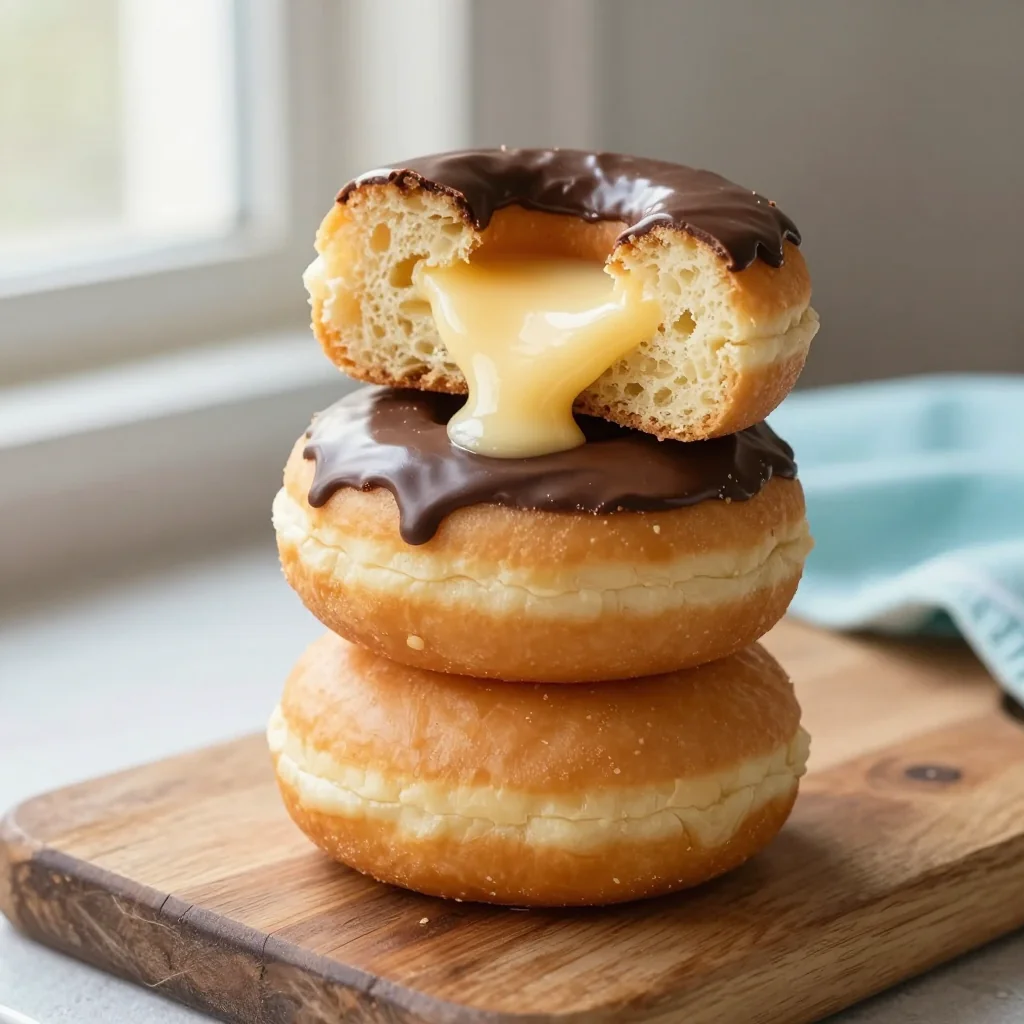
A fluffy, baked twist on the classic Boston cream pie, perfect for any time of day.
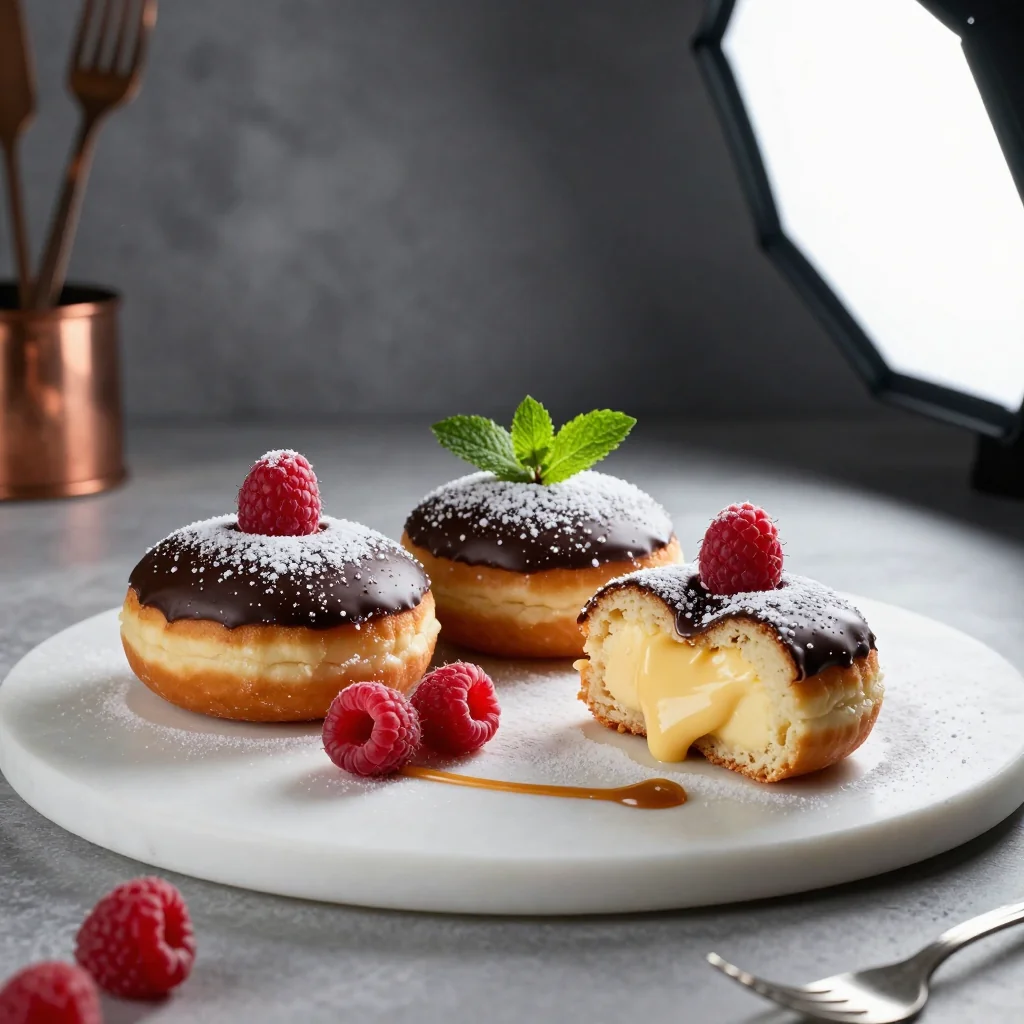
I still remember the first time I tasted a Boston cream pie – the silky custard tucked between two layers of soft sponge, all crowned with a glossy chocolate glaze. The memory is vivid: the faint hum of a bustling bakery, the warm aroma of fresh dough, and that moment when the first bite melted in my mouth, sending a wave of nostalgia straight to my heart. It was love at first bite, and I’ve been chasing that perfect balance of cream and chocolate ever since.
The classic Boston cream pie is a staple of New England patisserie, celebrated each year on the state’s official dessert day. While the original is a cake, I wanted to capture its spirit in a handheld form that could be enjoyed with a coffee, at a brunch, or even as a midnight treat. By baking the donuts instead of frying, we retain the light, airy texture while keeping them a bit healthier and easier to prepare at home.
In this article you’ll discover a step‑by‑step guide that demystifies the process, from creating a tender, fluffy donut base to mastering a silky pastry cream and a glossy chocolate glaze. I’ll share the science behind each technique, the reasons why certain ingredients are essential, and how to avoid common pitfalls that can turn a dream donut into a dense disappointment.
So roll up your sleeves, preheat your oven, and let’s embark on a culinary adventure that will turn your kitchen into a mini‑Boston bakery. I can’t wait to see the smiles on your family’s faces when they bite into these golden‑brown delights!
🌟 Why This Recipe Will Win Your Heart
From flavor harmony to practical convenience, this baked Boston cream donut checks every box for a truly unforgettable dessert.
- ✨ Perfect Balance of Textures: The donut’s interior stays light and airy thanks to a gentle rise, while the pastry cream adds a luxuriously smooth mouthfeel, and the chocolate glaze provides a satisfying snap.
- ✨ No Deep‑Frying Required: Baking reduces oil usage, making the donuts less greasy without sacrificing that classic donut crumb.
- ✨ Kid‑Friendly and Adult‑Approved: The sweet yet refined flavor profile appeals to children’s love of frosting and adults’ appreciation for a well‑executed custard.
- ✨ Customizable for Any Occasion: Swap the chocolate glaze for a caramel drizzle, or add a pinch of espresso powder for a coffee‑infused twist.
- ✨ Makes-ahead Friendly: You can bake the donuts a day ahead, store them properly, and reheat just before serving – perfect for brunch parties.
- ✨ Instagram‑Ready Presentation: The glossy chocolate top and dusting of powdered sugar create a photogenic finish that will boost your social media likes.
🥗 The Ingredients
📝 Complete Ingredient List
For the Donut Base:
For the Pastry Cream:
For the Chocolate Glaze:
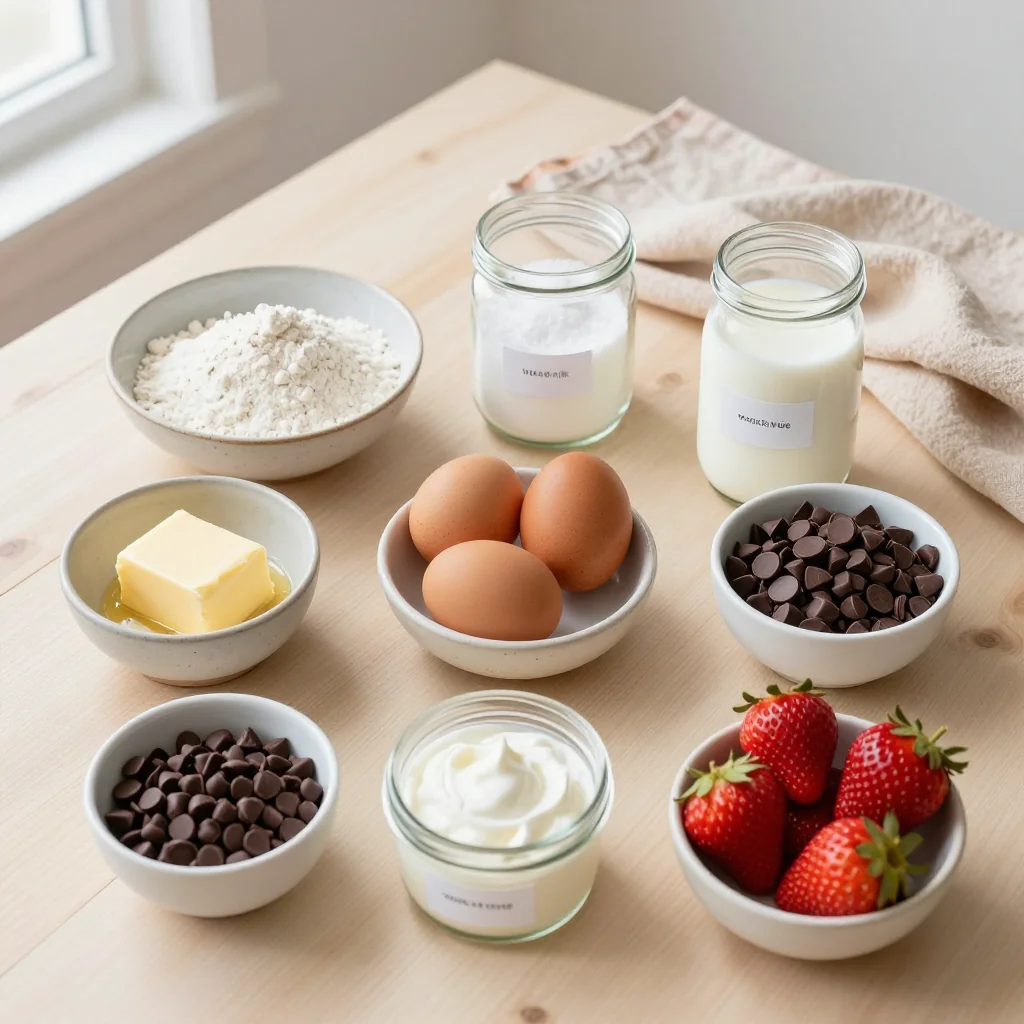
🔍 Focus on Key Ingredients
All‑Purpose Flour
Flour forms the structural backbone of the donut. Using a low‑protein all‑purpose flour ensures the gluten network stays tender, giving the donuts their characteristic softness. If you prefer an even lighter crumb, you can substitute half of the flour with cake flour, but be careful not to over‑mix the batter, as excess gluten development will make the donuts tough.
Buttermilk
The acidity in buttermilk reacts with the baking soda, creating tiny air bubbles that lift the batter. This reaction is crucial for achieving that airy, cake‑like interior. If you don’t have buttermilk on hand, you can make a quick substitute by adding 1 tablespoon of lemon juice or white vinegar to a cup of milk and letting it sit for five minutes.
Dark Chocolate (70% Cacao)
A high‑cocoa chocolate glaze provides a deep, slightly bitter contrast to the sweet pastry cream, balancing the overall flavor profile. Lower‑cocoa chocolates can become overly sweet and lose that sophisticated edge, while higher percentages may become too bitter for some palates. Choose a chocolate that melts smoothly and has a glossy finish when tempered.
🔄 Quick Substitutions
| If you don’t have… | Use instead… |
|---|---|
| Buttermilk | Milk + 1 tbsp lemon juice (let sit 5 min) |
| All‑purpose flour | Half cake flour, half all‑purpose flour |
| Dark chocolate | Semi‑sweet chocolate (60% cacao) |
👨🍳 Step‑by‑Step Instructions
Follow these detailed steps to create perfectly baked Boston cream donuts, from batter to glaze. Patience and attention to detail will reward you with a dessert that looks as good as it tastes.
📋 Phase 1: Preparation and Mise en Place
Gather your tools, preheat the oven, and measure every ingredient accurately.
Preheat the Oven and Prepare the Baking Sheet
Set your oven to 190 °C (375 °F) and line a standard baking sheet with parchment paper. This temperature ensures the donuts rise quickly, forming a light interior while the exterior develops a gentle golden crust. If you have a convection setting, reduce the temperature by 10 °C to prevent over‑browning.
Combine Dry Ingredients
In a large bowl whisk together the flour, sugar, baking powder, baking soda, and salt. Whisking distributes leavening agents uniformly, preventing pockets of uneven rise. Set the bowl aside while you prepare the wet mixture.
Mix Wet Ingredients
In a separate bowl, whisk the buttermilk, eggs, melted butter, and vanilla extract until smooth. The butter should be slightly cooled to avoid cooking the eggs. The wet mixture should have a glossy sheen, indicating that the fats are well‑emulsified.
Combine Wet and Dry Mixtures
Make a well in the center of the dry ingredients and pour in the wet mixture. Using a rubber spatula, gently fold until just combined; a few streaks of flour are acceptable. Over‑mixing will develop gluten, resulting in dense donuts.
🔥 Phase 2: Baking and Assembly
Transform the batter into golden donuts, then fill and glaze them.
Pipe or Spoon the Donut Shapes
Transfer the batter into a piping bag fitted with a large round tip, or use a sturdy spoon. Pipe circles roughly 3 inches in diameter onto the prepared sheet, leaving about 2 inches of space between each. The batter will spread slightly as it bakes.
Bake Until Lightly Golden
Place the sheet in the middle rack and bake for 12‑15 minutes, or until the tops are lightly golden and a toothpick inserted into the center comes out clean. The donuts should feel springy to the touch. Rotate the sheet halfway through for even browning.
Cool Slightly Before Filling
Remove the donuts from the oven and let them cool on the rack for 5 minutes. This short cooling period firms the surface just enough to handle without cracking the glaze later.
Prepare the Pastry Cream
In a saucepan, heat the milk and half of the sugar until it begins to simmer. Meanwhile, whisk the egg yolks, remaining sugar, and cornstarch in a bowl until pale and thick. Temper the yolk mixture by slowly whisking in a quarter of the hot milk, then pour the tempered mixture back into the saucepan. Cook over medium heat, stirring constantly, until the cream thickens and coats the back of a spoon (about 5‑7 minutes). Remove from heat, stir in butter and vanilla, then strain through a fine mesh. Cover with plastic wrap pressed directly onto the surface and chill for at least 30 minutes.
Fill the Donuts
Transfer the chilled pastry cream to a piping bag fitted with a small round tip. Gently poke a hole in the side of each donut and pipe a generous amount of cream inside, filling until you feel slight resistance. The cream should be cool enough to hold its shape but still soft enough to pipe smoothly.
✨ Phase 3: Finishing Touches and Serving
Glaze the donuts, add final decorations, and serve.
Make the Chocolate Glaze
Place the dark chocolate in a heat‑proof bowl. In a small saucepan, heat the heavy cream and butter until just simmering, then pour over the chocolate. Let sit for 30 seconds, then stir gently until smooth and glossy. Add a pinch of sea salt to enhance flavor.
Glaze the Donuts
Dip the top of each filled donut into the chocolate glaze, allowing excess to drip back into the bowl. Place the glazed donuts on a wire rack set over parchment to let the glaze set. For a decorative finish, sprinkle a light dusting of powdered sugar or toasted almond slivers while the glaze is still wet.
Serve and Enjoy
Serve the donuts warm or at room temperature. Pair with a cup of freshly brewed coffee or a glass of cold milk. The contrast between the warm glaze and the cool pastry cream creates a delightful mouthfeel that will keep guests reaching for more.
💡 Expert Tips and Tricks
🛒 Choosing the Right Ingredients
Opt for European‑style butter with a higher butterfat content (82‑86 %) for a richer flavor and better emulsification. When selecting chocolate, look for a cocoa butter content of at least 30 % to ensure a smooth, snap‑ready glaze. Fresh, free‑range eggs provide better structure and a brighter yellow yolk, which contributes to a more luxurious custard.
🔪 Preparation Techniques
Sift the flour and cornstarch together to avoid lumps in the batter and custard. When piping the batter, use a consistent pressure to achieve uniform donut sizes, which ensures even baking. For the pastry cream, whisk continuously to prevent curdling and achieve a silk‑smooth texture.
🌡️ Mastering the Baking Process
Use an oven thermometer to verify the true temperature; many ovens run hot or cold. The key to a perfect donut is a quick burst of heat that creates lift without drying the interior. If the tops brown too quickly, loosely cover them with a sheet of foil halfway through the bake.
🍽️ Presentation and Service
Arrange the finished donuts on a marble slab or a dark wooden board for contrast. Drizzle extra chocolate glaze in a thin, artistic pattern using a spoon or a squeeze bottle. A final garnish of edible gold leaf or a light sprinkle of toasted coconut adds visual intrigue and a subtle flavor boost.
🏆 Pro Tips
Professional bakers rely on precision, timing, and a few secret tricks to elevate a good recipe into a great one.
- 🎯 Temperature‑Controlled Mixing: Keep your butter and eggs at room temperature but not warm. This prevents the batter from separating, which can cause uneven rise. A chilled bowl for the pastry cream helps the egg yolks thicken without scrambling.
- 🎯 Double‑Proofing the Batter: After mixing, let the batter rest for 10‑15 minutes, then give it a gentle fold before piping. This second rest activates the leavening agents a second time, resulting in a lighter crumb.
- 🎯 Using a Silicone Baking Mat: A silicone mat provides a non‑stick surface and even heat distribution, reducing the chance of the donuts sticking or browning unevenly.
- 🎯 Glaze Consistency Control: If the glaze thickens too quickly, gently warm it over a double boiler while stirring. If it’s too thin, add a tiny amount of melted chocolate to thicken without compromising shine.
- 🎯 Flavor Layering in the Custard: Add a dash of espresso powder or a pinch of cinnamon to the pastry cream for a subtle depth that complements the chocolate glaze.
- 🎯 Final Rest Before Serving: Allow the glazed donuts to rest for 5‑10 minutes at room temperature. This lets the glaze set and the interior settle, delivering a perfect bite every time.
"The secret to any great pastry is patience and respect for the ingredients. When you honor both, the result sings." — Thomas Keller
🔄 Variations and Adaptations
Boston cream donuts are a versatile canvas. Below are ideas to tailor the recipe to dietary needs, flavor cravings, and seasonal themes.
🥬 Vegetarian / Vegan Version
Replace the eggs with a flax‑egg mixture (1 tbsp ground flaxseed + 3 tbsp water per egg) and use plant‑based milk (almond or oat) for the batter and pastry cream. Substitute butter with vegan margarine and choose a dairy‑free dark chocolate. The texture remains light, and the flavor stays true to the original.
- Flax‑egg substitution adds a nutty undertone.
- Use coconut cream instead of heavy cream for a richer glaze.
🌶️ Flavor Variations
Experiment with different flavor profiles by tweaking the pastry cream or glaze.
Spicy Chili Chocolate:
Add ½ tsp cayenne pepper and a dash of smoked paprika to the chocolate glaze for a subtle heat that pairs beautifully with the sweet custard.
Mediterranean Orange Blossom:
Infuse the pastry cream with orange blossom water and a zest of lemon. Finish the glaze with a drizzle of honey and toasted pistachios.
Asian Matcha:
Blend 1 tbsp matcha powder into the pastry cream and top the glaze with white chocolate shards and a sprinkle of toasted sesame seeds.
⚠️ Dietary Adaptations
Gluten‑Free:
Substitute the all‑purpose flour with a 1:1 gluten‑free flour blend that contains xanthan gum. Increase the liquid by 10 ml to compensate for the different absorption rate.
Lactose‑Free:
Use lactose‑free milk and a dairy‑free butter alternative. Choose a dark chocolate labeled “dairy‑free” and replace the heavy cream with coconut cream for the glaze.
Low‑Calorie:
Reduce sugar in the batter by 25 % and replace half of the butter with unsweetened applesauce. Use a sugar‑free chocolate coating and serve the donuts with a light dusting of cocoa powder instead of powdered sugar.
👶 Kid‑Friendly Version
For younger palates, omit the espresso or matcha, keep the glaze simple, and add colorful sprinkles on top. Serve with a side of fresh berries to introduce a fruit component without overwhelming the sweetness.
📦 Storage and Reheating
🧊 Conservation
In the Refrigerator:
- Duration: 3 days
- Recommended container: airtight plastic or glass container
- Tip: Store the glaze separately and re‑glaze just before serving for optimal texture.
In the Freezer:
- Duration: 2 months
- Method: Freeze unglazed donuts on a parchment sheet, then transfer to a zip‑top bag.
- Defrosting: Thaw overnight in the refrigerator, then re‑glaze and warm.
💡 For best flavor, consume within the first week; the pastry cream can lose its silkiness over time.
♨️ Reheating
🔥 Oven (Recommended):
- Preheat to 160 °C (325 °F).
- Cover the donuts loosely with aluminum foil to prevent over‑browning.
- Reheat for 8‑10 minutes.
- Remove foil and continue for 2‑3 minutes to restore the glaze shine.
⚡ Microwave (Quick):
- Place a donut on a microwave‑safe plate.
- Cover with a microwave‑safe lid or damp paper towel.
- Heat on medium power for 30‑45 seconds.
- Check temperature; add a few more seconds if needed.
🍳 Skillet:
Heat a non‑stick skillet over low heat, add a tiny splash of water, and cover. Warm for 2‑3 minutes, turning once, to revive the crust without drying the interior.
🍷 Perfect Pairings
🥗 Side Accompaniments
- Fresh Berry Medley: A mix of strawberries, blueberries, and raspberries adds acidity that cuts through the richness.
- Light Citrus Salad: Thinly sliced oranges with a honey‑mint dressing offers a refreshing contrast.
- Vanilla Yogurt Dip: A dollop of lightly sweetened Greek yogurt balances the chocolate glaze.
🍷 Wine & Beverage Pairings
- Late Harvest Riesling: Its natural sweetness mirrors the custard while its acidity balances the chocolate.
- Espresso or Americano: The bitter coffee notes highlight the chocolate and cream layers.
- Non‑Alcoholic Option: Sparkling water with a splash of orange juice provides a bright palate cleanser.
🍰 Complementary Courses
Begin with a light lemon sorbet to awaken the palate, then serve the Boston cream donuts as the main dessert. Finish with a simple almond biscotti and a cup of herbal tea for a balanced, lingering finish.
❓ Frequently Asked Questions
Q: Can I use a regular cake pan instead of piping the donuts?
Yes, you can spoon the batter into a greased or silicone donut pan. However, the shape will be more uniform and the edges less crisp compared to piping. Piping also allows for a classic hole in the center, which helps the donut cook evenly.
Q: How do I know if the pastry cream is thick enough?
The custard is ready when it coats the back of a spoon and leaves a clean line when you run your finger through it. It should feel glossy and smooth, not grainy. If it’s too thin, continue cooking a minute longer while stirring constantly.
Q: My donuts turned out flat. What went wrong?
Flat donuts usually result from under‑whisked leavening agents, over‑mixing the batter, or an oven that’s not hot enough. Make sure the baking powder and soda are fresh (within six months) and that the oven reaches the correct temperature before loading the sheet.
Q: Can I freeze the pastry cream?
Freezing pastry cream is possible but can affect its silky texture. If you must freeze, store it in an airtight container for up to one month, then thaw slowly in the refrigerator and whisk vigorously before using. Adding a splash of milk during reheating can restore smoothness.
Q: What if I don’t have a piping bag?
A sturdy zip‑top bag with a small corner cut off works well for both batter and custard. Alternatively, a spoon can be used for filling, though it may be less precise and result in a messier appearance.
Q: How far in advance can I prepare the glaze?
The chocolate glaze can be made up to 24 hours ahead. Keep it in a sealed container at room temperature; if it thickens, gently re‑heat over a double boiler while stirring until smooth again.
🎉 Let’s Get Baking!
Boston Cream Pie Donuts Baked combine the nostalgic charm of a classic American dessert with the convenience of a handheld treat. By following the detailed steps, you’ll achieve a light, airy donut that houses a luxuriously smooth custard and a glossy chocolate crown—perfect for brunch, afternoon tea, or a celebratory dessert. Remember, the secret lies in precise temperature control, gentle mixing, and respecting each ingredient’s role.
I encourage you to experiment with the suggested variations, share your creations on social media, and let the community know how you made the recipe your own. Your feedback helps us refine the guide and inspires others to explore new flavors.
Have you tried this recipe?
Leave a comment and rating below! Share your photos on Instagram with #BostonCreamDonuts for a chance to be featured.
Boston Cream Pie Donuts Baked
Baked donuts filled with silky pastry cream and topped with a glossy chocolate glaze.
📝 Ingredients
Donut Base
Pastry Cream
Chocolate Glaze
👨🍳 Instructions
- 1 Preheat oven to 190 °C (375 °F) and line a baking sheet with parchment.
- 2 Whisk together flour, sugar, baking powder, baking soda, and salt.
- 3 In a separate bowl, combine buttermilk, eggs, melted butter, and vanilla; whisk until smooth.
- 4 Fold wet ingredients into dry until just combined; let batter rest 5 min.
- 5 Pipe or spoon 3‑inch circles onto the sheet, spacing 2 inches apart.
- 6 Bake 12‑15 min until tops are golden and a toothpick comes out clean.
- 7 Cool 5 min, then prepare pastry cream by heating milk, tempering yolks, and thickening over medium heat.
- 8 Chill cream 30 min