Love this? Pin it for later! 📌
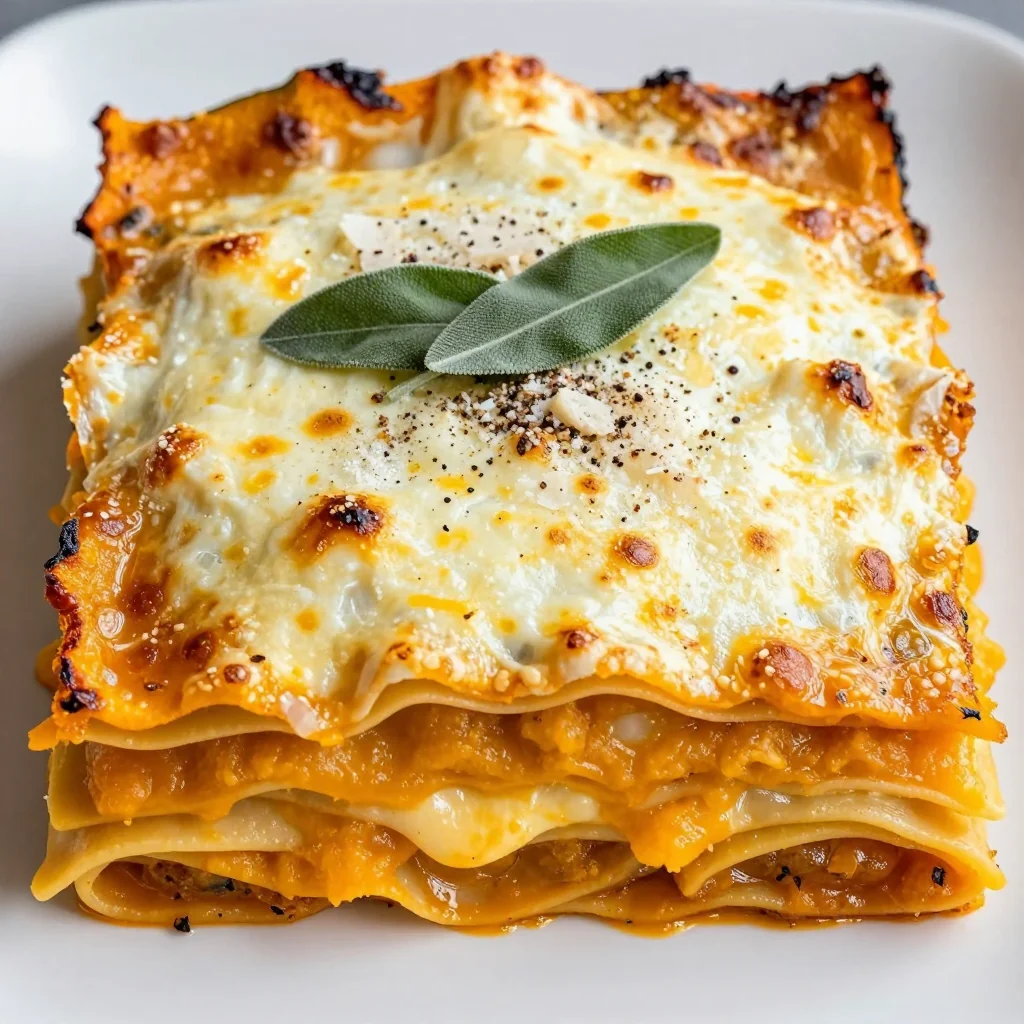
Butternut Squash Lasagna Freezer-Friendly Layers
Creamy, golden layers of roasted butternut squash, three cheeses, and delicate pasta sheets that freeze beautifully for busy-weeknight comfort.
I still remember the October afternoon I first pulled this lasagna from my parents’ farmhouse oven. The air outside was crisp with wood-smoke, the last maple leaves clinging to their branches like tiny flames, and inside the kitchen smelled of sage, nutmeg, and bubbling cheese. My mother—queen of make-ahead casseroles—had roasted an entire crate of butternut squash from the garden, puréed it with a whisper of cream, and built what she dubbed her “winter insurance policy”: a lasagna so lush it could turn a random Tuesday into a celebration, yet sturdy enough to survive three months in the deep freeze. We sliced it straight from the oven, the squares holding their shape like confident soldiers, and when I took my first bite I realized she’d bottled autumn itself between those pasta layers.
That memory is why, every year when the farmers’ markets explode with squash, I clear my Saturday, crank Kind of Blue, and assemble a triple batch of this lasagna. One pan feeds us that night; the other two get swaddled in foil, labeled with blue painter’s tape, and tucked into the chest freezer. They’ve rescued dinner parties when the main course flopped, comforted new-parent neighbors, and saved my sanity during exam weeks when my teaching schedule ran me ragged. If you’ve ever wanted a vegetarian show-stopper that behaves like the most accommodating guest—arriving exactly when you need it, tasting even better after a stint in the freezer, and eliciting the kind of sighs usually reserved for flaky croissants—this is your recipe.
Why This Recipe Works
- Roast-first method: Caramelizing the squash concentrates sweetness and drives off excess moisture, preventing a watery bake later.
- Three-cheese balance: Creamy ricotta, nutty Parmesan, and stretchy low-moisture mozzarella create distinct strata instead of a homogenous blob.
- Freezer-friendly béchamel: A touch of cornstarch stabilizes the white sauce so it reheats silky, never grainy.
- No-boil noodle trick: Brushing the sheets with garlic oil hydrates them just enough to finish cooking while absorbing flavor.
- Al-dente construction: Under-baking by 10 minutes before freezing keeps the pasta from turning mushy on reheat.
- Portion-ready squares: Chill the baked lasagna overnight; slice, wrap, and freeze individual servings for lightning-fast single-serve dinners.
Ingredients You'll Need
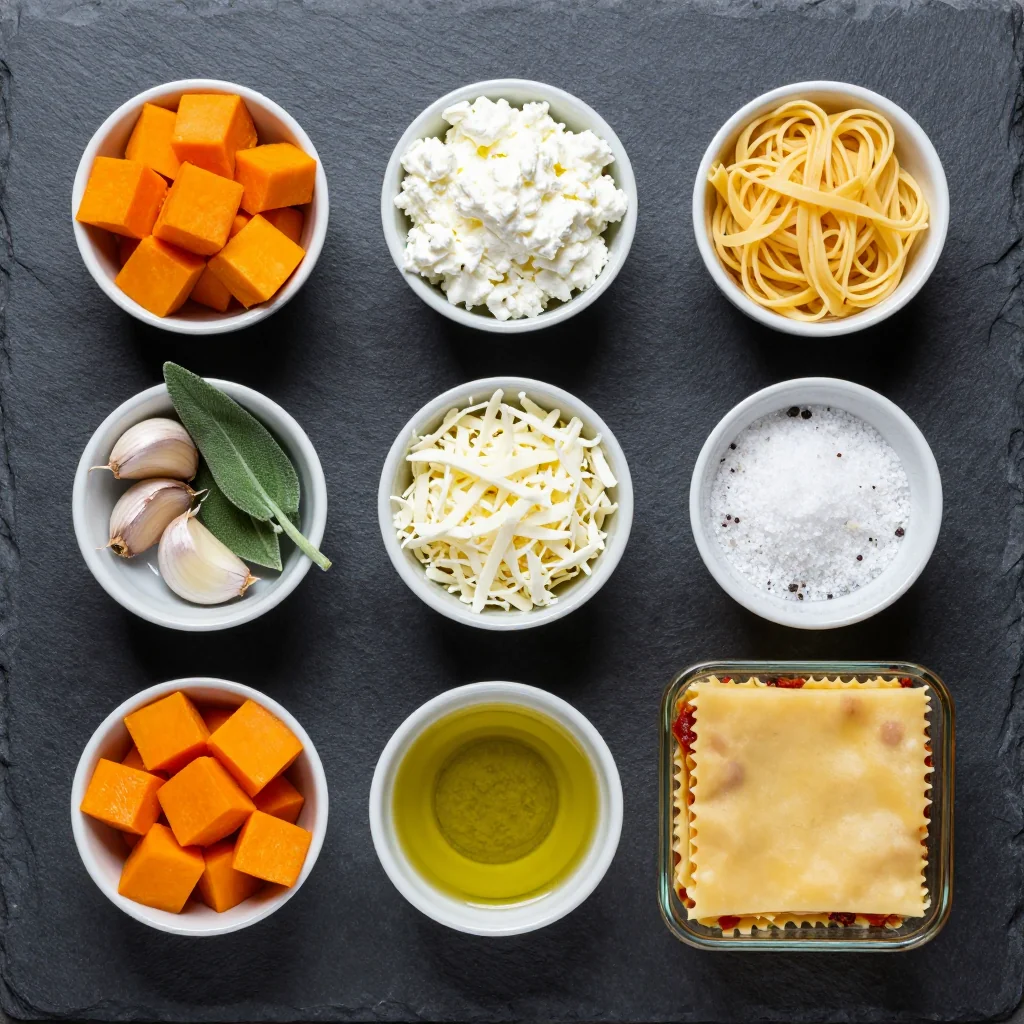
Before we talk ingredients, a quick note on squash selection. Look for specimens with a firm, matte tan skin—no soft spots or green streaks—and a hefty feel; heavier squash mean more flesh and fewer seeds. I aim for two smaller squash (about 2½ lb each) rather than one gargantuan one; the smaller ones roast faster and taste sweeter.
Butternut Squash – You’ll need 3 lb peeled, seeded, and cubed. If you’re short on time, many groceries sell pre-cubed squash. Give it a sniff; it should smell faintly like cucumber and sweet corn, never sour. Substitute with pumpkin or red kuri squash if you like a deeper earthiness.
Ricotta – Buy whole-milk ricotta. Low-fat versions seize up when frozen, turning grainy. If you can find fresh basket cheese at an Italian deli, swap in half for an even cloudier texture.
Mozzarella – Choose low-moisture, block-style mozzarella. Pre-shredded bags contain anti-caking starches that can muddy the sauce. Shred it yourself in under two minutes with the large holes of a box grater.
Parmigiano-Reggiano – True Parmesan melts into the béchamel, seasoning every layer. Veggie-Parm works for strict vegetarians; otherwise, Pecorino Romano adds a sharper bite.
Lasagna Sheets – No-boil noodles are a lifesaver, but pick a brand labeled “oven-ready.” The ridged, slightly ruffled edges grip the sauce. If you only have traditional noodles, par-boil for 3 minutes, then lay on oiled parchment until ready to build.
Nutmeg & Sage – Fresh nutmeg grated on a microplane perfumes the squash purée; dried rubbed sage works, but six fresh leaves lightly fried in butter elevate the dish to dinner-party status.
Garlic-Infused Olive Oil – A speedy stovetop infusion: warm ¼ cup extra-virgin oil with two smashed cloves until fragrant; cool and brush on noodles for subtle depth.
Cornstarch – Just 1½ tsp stabilizes the béchamel, preventing syneresis (that watery weep) when the lasagna is thawed.
Finally, stock up on heavy-duty aluminum foil and freezer-rated parchment. Cheap foils tear in sub-zero temps, inviting the dreaded freezer burn.
How to Make Butternut Squash Lasagna Freezer-Friendly Layers
Roast & Purée the Squash
Preheat oven to 425 °F (220 °C). Toss squash cubes with 2 Tbsp olive oil, 1 tsp kosher salt, ½ tsp pepper, and a pinch of chili flakes on a parchment-lined half-sheet pan. Roast 25 minutes, flipping once, until caramelized edges appear. Transfer while warm to a food processor with ⅓ cup heavy cream, ¼ tsp freshly grated nutmeg, and 2 Tbsp maple syrup. Blitz until satin-smooth; cool completely. This purée should be thick enough to mound softly—if it’s loose, return to the pan and simmer 5 minutes to reduce.
Build the Sage Brown-Butter Ricotta
In a skillet melt 4 Tbsp unsalted butter over medium heat. Add 6 fresh sage leaves; cook until the butter turns hazelnut-brown and the leaves crisp. Remove leaves; reserve for garnish. Whisk the scented butter into 15 oz ricotta along with 1 egg, ½ tsp salt, and ¼ tsp white pepper. Fold in ½ cup shredded Parmesan. Chill until ready to assemble; this tightens the mixture so it won’t slump between layers.
Make the Freezer-Stable Béchamel
Melt 3 Tbsp butter in a saucepan, whisk in 3 Tbsp flour and 1½ tsp cornstarch; cook 2 minutes to a pale roux. Gradually stream in 2½ cups cold whole milk, whisking constantly until thick enough to coat the back of a spoon. Season with ½ tsp salt, pinch cayenne, and ¼ tsp freshly grated nutmeg. Off heat, stir in ½ cup Parmesan until melted. Press plastic wrap directly onto the surface to prevent a skin; cool to lukewarm.
Prep the Noodles & Pan
Brush a 9×13-inch metal or disposable foil pan with garlic-infused oil. Lay out no-boil noodles and lightly brush both sides with the same oil. This micro-hydration step prevents the pasta from pulling moisture from the sauces and curdling the cheeses.
Layer Strategically
Spread ⅓ cup béchamel on the base. Add a noodle layer, ⅓ of the squash purée, ⅓ of the ricotta mixture, a sprinkle (not a blanket) of mozzarella, and drizzle 2 Tbsp béchamel. Repeat twice more, finishing with noodles, remaining béchamel, and the final shower of mozzarella plus Parmesan. Press gently to compact; this eliminates air pockets that invite freezer burn.
Under-Bake for Freezer Insurance
Tent loosely with foil (dome it so cheese doesn’t stick) and bake at 375 °F (190 °C) for 25 minutes. Remove foil and bake 10 minutes more—just until the sauce bubbles at the edges. The pasta will still have a faint bite; that’s intentional. Cool 30 minutes on a rack.
Chill, Portion, Wrap
Refrigerate overnight. The next day, lift the entire block using the foil overhang onto a cutting board. With a sharp chef’s knife, cut into 12 squares (or 8 generous ones). Slide each square into a parchment-lined freezer bag, press out air, seal, and freeze up to 3 months. Alternatively, freeze the whole pan—wrap twice in foil, then slip into a jumbo zip-top bag.
Reheat from Frozen
For individual squares, unwrap, place in a buttered ramekin, cover with foil, and bake at 350 °F (175 °C) 35–40 minutes. For a whole pan, thaw 24 hours in the fridge, then bake covered 30 minutes and uncovered 15–20 minutes until center registers 165 °F (74 °C). Broil 2 minutes for bronze blisters.
Expert Tips
Dehydrate as You Go
Set the roasted squash on the pan’s edge for the last 5 minutes at 300 °F to further dry it; less water equals cleaner slices later.
Use a Straight-Edge Pan
Disposable foil pans with square corners maximize layering space and stack efficiently in the freezer.
Flash-Freeze First
Set individual squares on a parchment-lined sheet pan, freeze 2 hours, then bag; they won’t fuse together.
Color Code Your Bags
Slip a green index card inside the freezer bag; you’ll spot vegetarian meals at a glance.
Label with Two Dates
Write both the cook date and the “best-by” date (3 months) so you never play freezer roulette.
Revive with Stock
If reheated lasagna tastes dry, drizzle 2 Tbsp warm vegetable stock before the final broil—steam brings back creaminess.
Variations to Try
-
Spinach & Squash: Wilt 10 oz frozen spinach, squeeze bone-dry, and layer between ricotta for a pop of color and iron.
-
Smoked Gouda Upgrade: Replace half the mozzarella with smoked Gouda for campfire depth.
-
Gluten-Free Route: Swap in gluten-free lasagna sheets and use rice flour in the béchamel—no one detects the switch.
-
Pumpkin Seed Crunch: Stir ⅓ cup toasted pepitas into the top cheese layer for nutty texture without nuts.
-
Vegan Version: Use cashew-ricotta, oat-milk béchamel, nutritional-yeast Parmesan, and a flax “egg” to bind.
Storage Tips
Refrigerator: Baked lasagna keeps 4 days tightly wrapped. Reheat single portions in a skillet with a splash of broth and a lid—faster than the oven and revives the edges.
Freezer: For best texture, freeze before the final bake. Wrap in plastic directly against the surface, then foil. Label and freeze up to 3 months. Thaw 24 hours in the refrigerator before baking as directed.
Individual Servings: Freeze slices on a tray, then transfer to silicone Stasher bags. They microwave-reheat in 4 minutes straight from frozen—perfect desk lunches.
Frequently Asked Questions
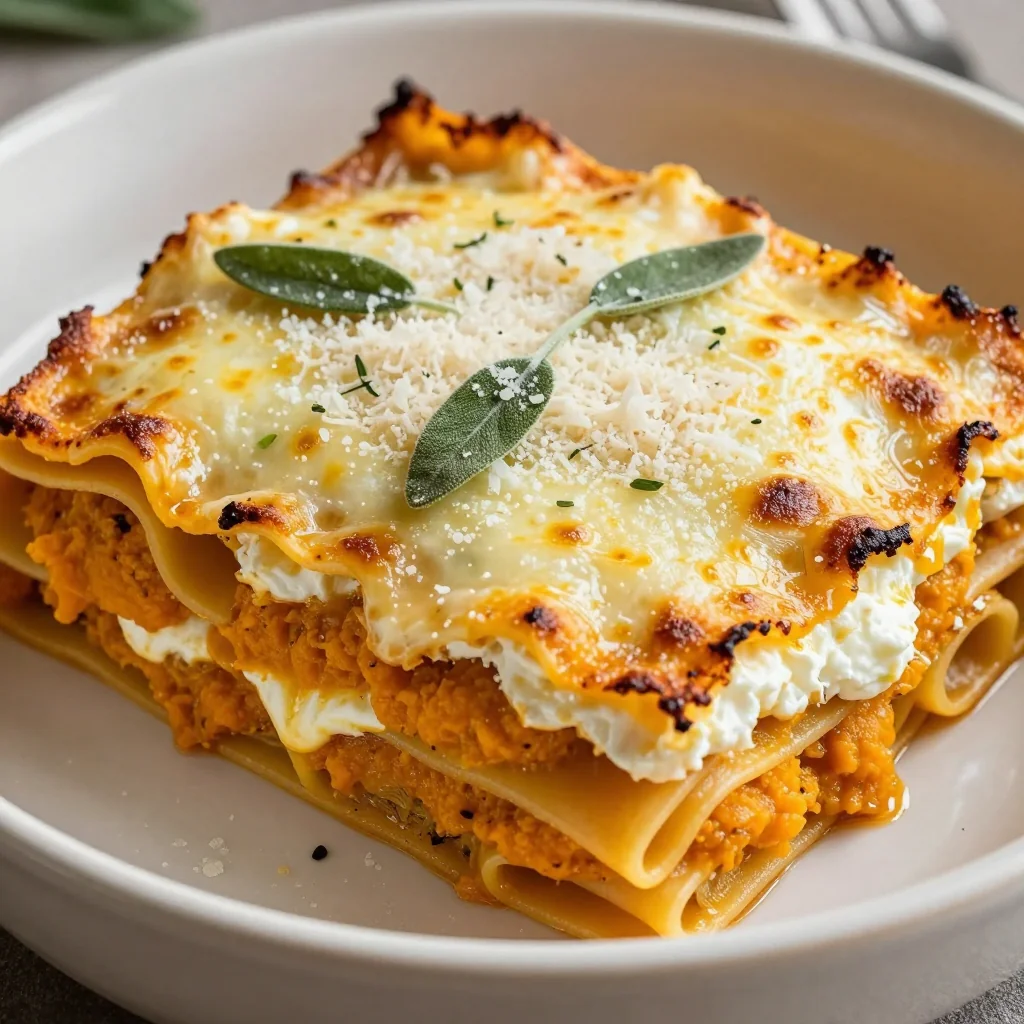
Butternut Squash Lasagna Freezer Friendly Layers
Ingredients
Instructions
- Roast Squash: Preheat 425 °F. Toss squash with 2 Tbsp oil, salt, pepper, chili flakes. Roast 25 min until browned. Purée with cream, maple, nutmeg; cool.
- Make Ricotta: Brown butter with sage; whisk into ricotta, egg, ½ cup Parmesan. Chill.
- Béchamel: Roux with butter, flour, cornstarch; whisk in milk until thick. Stir in ½ cup Parmesan; cool.
- Prep: Oil a 9×13 pan and noodles with garlic-infused oil.
- Assemble: Layer noodles, squash, ricotta, mozzarella, béchamel; repeat, finishing with cheese.
- Bake: Cover with foil; bake 375 °F 25 min, uncover 10 min. Cool, chill, slice, wrap, freeze.
- Reheat: From frozen, bake covered 350 °F 40 min until center hot; broil 2 min.
Recipe Notes
Under-bake 10 minutes if freezing whole; finish cooking on reheat. For ultra-clean slices, refrigerate overnight before cutting.