Picture this: it’s a rainy Saturday afternoon, the kettle is whistling, and you’ve just rescued the last slice of a half‑eaten chocolate cake from the back of the fridge. You take a bite, and the world seems to tilt—sweet, dense, a little too dry, and you swear you could hear a tiny sigh of disappointment. I was there, stuck in a culinary limbo, when a dare from a friend sparked a mission: create a fudge‑round that would make that sad cake weep with envy. I rolled up my sleeves, dusted the counter with flour, and set out on a quest that would end in a batch of chewy, melt‑in‑your‑mouth circles that could revive any nostalgic memory of grandma’s kitchen.
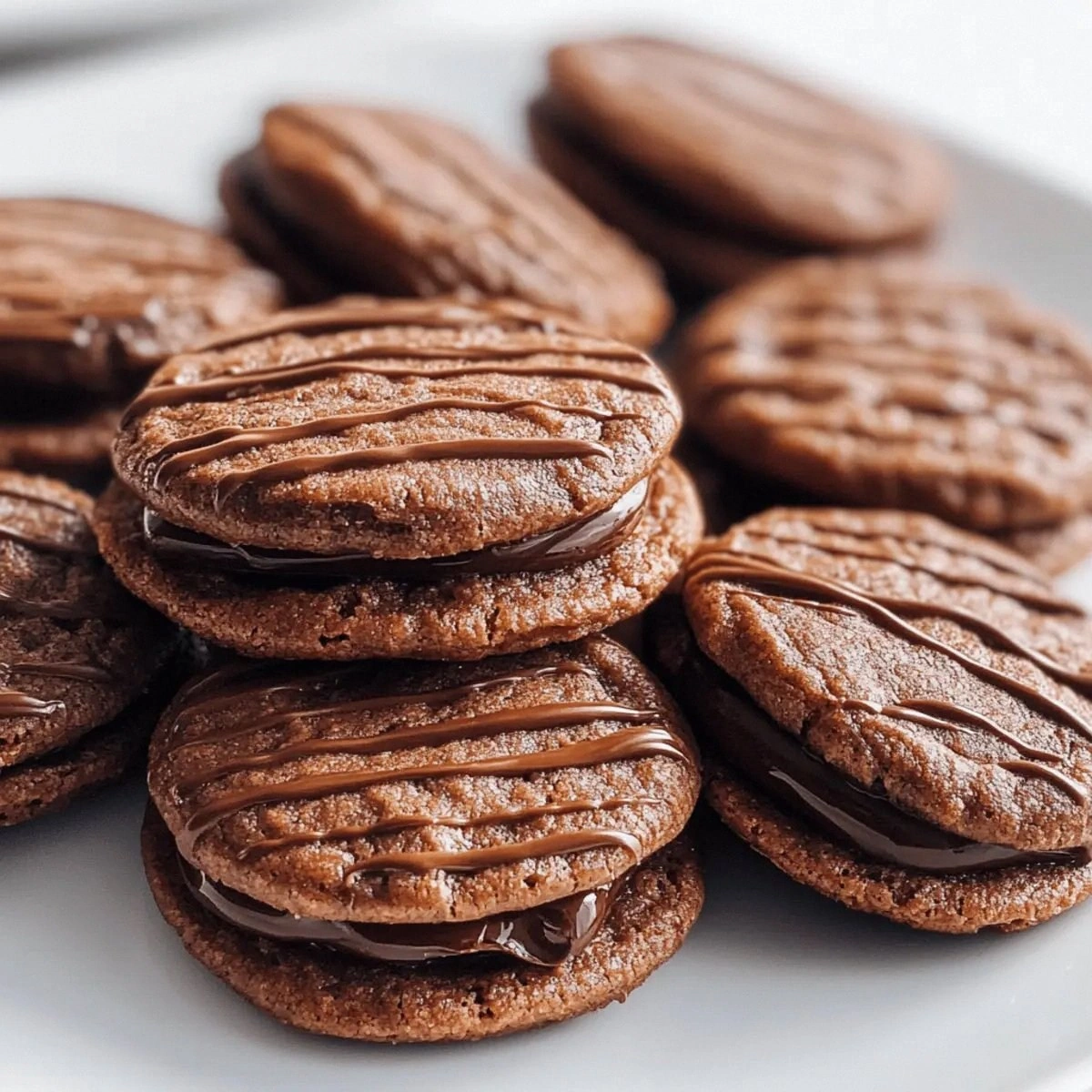
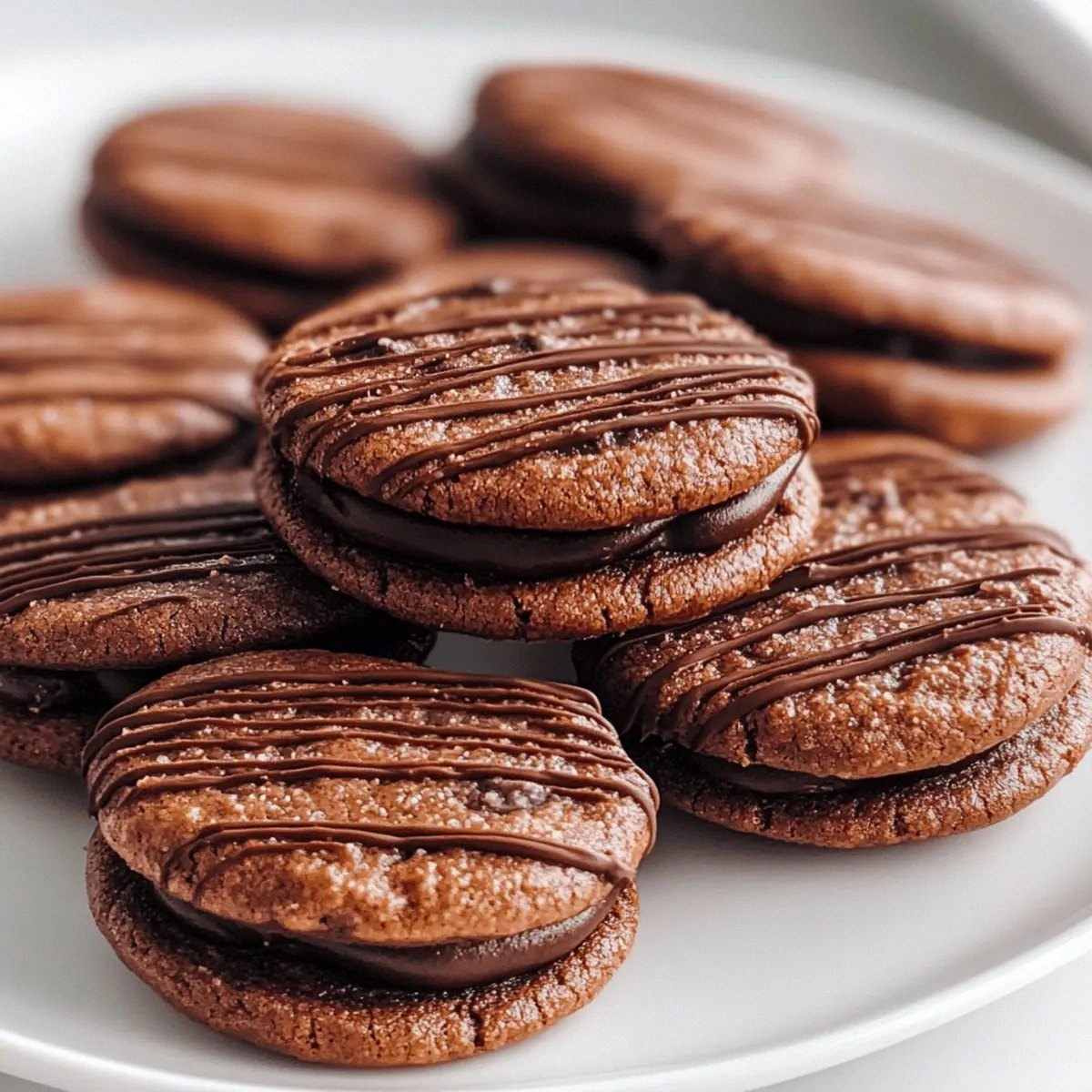
The moment those rounds slid out of the oven, the kitchen turned into a time machine. The aroma hit you like a warm hug—deep cocoa mingling with buttery caramel, a whisper of vanilla that made the air feel like a soft blanket. The sound? A gentle sigh as the edges pulled away from the pan, a subtle crackle as the glaze set, and the occasional satisfied “crunch” when a fork met the glossy surface. The texture? Imagine a fudgy interior that yields with a tender give, wrapped in a glossy, slightly crisp coating that snaps just enough to announce its presence. And the taste? Pure, unadulterated chocolate bliss that’s sweet without being cloying, with a buttery richness that lingers like a fond memory you can’t quite place.
What makes this version the ultimate cheat‑code for all your dessert cravings? Most recipes either over‑sweeten, become cakey, or fall apart the moment you try to lift them. I’ve cracked the code by balancing the right amount of corn syrup for chew, a double‑butter system for richness, and a quick glaze that locks in moisture while adding a glossy finish. The secret isn’t a mystical ingredient; it’s a technique—an exact order of operations that ensures each component does its job without stepping on anyone else’s toes. And trust me, this is hands down the best version you’ll ever make at home; I dare you to taste this and not go back for seconds.
One thing you’ll notice right away is the unexpected star of the show: a splash of warm water in the glaze. It sounds trivial, but that tiny amount creates steam that prevents the glaze from becoming a hard shell, keeping it soft and shiny. I’ll be honest—I ate half the batch before anyone else got a chance to try it, because the scent was that irresistible. So, buckle up. Okay, ready for the game‑changer? Let me walk you through every single step—by the end, you’ll wonder how you ever made fudge rounds any other way.
What Makes This Version Stand Out
- Chewy Texture: The combination of corn syrup and a precise butter ratio creates that coveted, gummy‑center feel that pulls you in with every bite.
- Glossy Glaze: A quick chocolate glaze that sets to a satin shine, giving you that bakery‑level finish without a pastry bag.
- Simple Ingredients: No exotic powders or hard‑to‑find extracts—just pantry staples that you probably already have.
- Quick Prep: From mixing to baking, you’re looking at a 45‑minute turnaround, perfect for last‑minute cravings.
- Versatile Crowd‑Pleaser: Kids love the sweet chocolate, while adults appreciate the depth of cocoa and buttery undertones.
- Make‑Ahead Friendly: Store them for days, freeze for months, and they’ll still taste like fresh‑baked love.
Inside the Ingredient List
The Flavor Base
Unsalted Butter (1 cup): This is the backbone of our fudge rounds, providing richness and a tender crumb. Using unsalted lets you control the salt level precisely, which is crucial for balancing the sweet notes. If you substitute with salted butter, cut the added sea salt in half to avoid over‑salting.
Granulated Sugar (1 cup): Provides the primary sweetness and contributes to the slight crispness on the edges. For a deeper caramel flavor, you could swap half of it for light brown sugar, but keep an eye on moisture levels.
Large Egg (1): Acts as a binder, giving the batter structure while adding a subtle richness. If you’re avoiding eggs, a flaxseed “egg” (1 tbsp ground flax + 3 tbsp water) works, though the texture will be a shade less airy.
Light Corn Syrup (½ cup): The secret weapon for chewiness. It prevents crystallization of sugar, ensuring that soft, gummy interior. No corn syrup? Replace with honey or maple syrup, but expect a hint of floral flavor.
Vanilla Extract (1 tsp): A tiny splash of vanilla lifts the chocolate, adding depth without overwhelming. For an extra twist, try almond extract—just a quarter teaspoon.
The Texture Crew
All‑Purpose Flour (2 cups): Gives the structure needed to hold the fudge together while still allowing a tender bite. Sifting the flour helps avoid lumps and ensures an even texture. If you have cake flour, you can use it for an even softer crumb, but you’ll need to add a tablespoon of extra flour to maintain stability.
Unsweetened Cocoa Powder (¾ cup): Provides the deep chocolate flavor without added sugar. Use a high‑quality Dutch‑process cocoa for a smoother taste. If you only have natural cocoa, add a pinch of baking soda to balance acidity.
Cornstarch (1 tbsp): Acts as a softening agent, keeping the interior from becoming too dense. It also helps the glaze adhere later on.
Baking Soda (1 tsp): A leavening agent that gives a tiny lift, preventing the rounds from becoming rock‑solid. Too much will make them cakey, so measure carefully.
Fine Sea Salt (¼ tsp): Enhances the chocolate flavor and balances the sweetness. A pinch more can make the chocolate pop, but don’t overdo it.
The Unexpected Star
Milk Chocolate Chips (1 cup): These melt into pockets of gooey chocolate, creating bursts of melty delight. For a richer flavor, substitute with dark chocolate chips (70% cacao) and add a teaspoon of espresso powder.
The Final Flourish
Unsalted Butter (½ cup, for glaze): Gives the glaze its silky sheen and buttery mouthfeel. Melt gently to avoid scorching.
Sifted Cocoa Powder (¼ cup, for glaze): Reinforces the chocolate flavor in the glaze, ensuring it’s as deep as the interior.
Powdered Sugar (2 cups, for glaze): Sweetens and thickens the glaze, creating that glossy coating. Sift before adding to avoid clumps.
Warm Water (1 tbsp, for glaze): The tiny amount that creates steam, keeping the glaze from hardening too fast and preserving that soft, glossy finish.
Everything's prepped? Good. Let's get into the real action…
The Method — Step by Step
Preheat your oven to 350°F (175°C) and line a 9×13‑inch baking pan with parchment paper, letting the paper overhang for easy removal. As the oven warms, the kitchen will fill with a faint buttery scent that hints at the decadence to come. This is the moment of truth—if you smell anything else, you’ve probably forgotten to turn the oven on.
In a medium saucepan, melt 1 cup of unsalted butter over low heat. Once melted, stir in the granulated sugar, corn syrup, and vanilla extract. Keep the mixture moving; you’ll hear a gentle sizzle that tells you the sugar is dissolving perfectly. Remove from heat and let it cool for a minute—this prevents the egg from scrambling later.
Whisk the egg into the butter‑sugar mixture until fully incorporated. The mixture should turn a glossy, amber hue, and you’ll notice it thickening slightly—this is the binder forming. Tip: If the mixture looks curdled, keep whisking; the heat from the butter will bring it back together.
In a separate bowl, sift together the flour, cocoa powder, cornstarch, baking soda, and sea salt. Sifting aerates the dry mix, preventing pockets of flour that could lead to uneven texture. Give the bowl a quick whisk—this is where the magic of even distribution begins.
Fold the dry ingredients into the wet mixture using a rubber spatula. Stir just until you see no streaks of flour; the batter will look thick and slightly glossy. This is the point where the batter becomes a cohesive mass that will spread into perfect circles later.
Stir in the milk chocolate chips, ensuring they’re evenly distributed. You’ll notice the chips sinking slightly, creating pockets that will melt into gooey centers. If you’re feeling adventurous, sprinkle a pinch of sea salt over the top for a sweet‑salty contrast.
Spread the batter evenly in the prepared pan, smoothing the top with an offset spatula. The surface should be level—any peaks will bake unevenly and affect the glaze later. Slide the pan into the oven and bake for 20‑25 minutes, or until the edges pull away from the parchment and a toothpick inserted near the center comes out with a few moist crumbs.
While the fudge rounds are baking, prepare the glaze. Melt ½ cup of butter in a small saucepan over low heat. Once melted, whisk in the sifted cocoa powder until smooth, then gradually add the powdered sugar, stirring constantly to avoid lumps. Finally, stir in the warm water—this creates a glossy, pourable glaze that will set to a satin finish.
When the rounds are done, let them cool in the pan for 10 minutes, then lift them out using the parchment overhang and place on a wire rack. While still warm, drizzle or pour the glaze over the top, letting it cascade and coat each round. The glaze will sizzle lightly as it hits the warm fudge, creating that signature crackle you love.
Allow the glazed rounds to set for at least 15 minutes before cutting. Use a sharp, warm knife to slice into even circles—this prevents the glaze from cracking. Serve immediately or store as instructed below. That sizzle when it hits the pan? Absolute perfection.
That's it — you did it. But hold on, I've got a few more tricks that'll take this to another level...
Insider Tricks for Flawless Results
The Temperature Rule Nobody Follows
Never, ever bake fudge rounds at a temperature lower than 350°F. Lower temps cause the sugar to crystallize, resulting in a dry, crumbly texture. I once tried 325°F to “save energy,” and the outcome was a hard, almost candy‑like slab. Stick to the recommended heat, and you’ll get that perfect glossy sheen and chewy interior.
Why Your Nose Knows Best
When the edges start pulling away from the pan and you catch a faint nutty aroma, that’s your cue to pull them out. Trust the smell more than the clock; ovens can vary by up to 15 degrees. If you wait too long, the glaze will sit on a dry surface and won’t adhere properly.
The 5‑Minute Rest That Changes Everything
After glazing, let the rounds rest for exactly five minutes before cutting. This short pause allows the glaze to set just enough to hold its shape but remain soft enough to bite through. Skipping this step leads to a glaze that either runs off or becomes a brittle shell.
Butter Temperature Trick
Use room‑temperature butter for the batter but melt the butter for the glaze. The contrast in temperature ensures the batter stays light while the glaze becomes glossy. If you melt both, the batter becomes too liquid, and the final product loses its structure.
Glaze Consistency Check
If the glaze looks too thick, add a drop more warm water; if too thin, whisk in a touch more powdered sugar. The goal is a pourable yet slightly thick consistency that coats without drizzling off. Remember, the glaze will thicken as it cools, so aim for a slightly looser texture than you think you need.
Creative Twists and Variations
This recipe is a playground. Here are some of my favorite ways to switch things up:
Salted Caramel Swirl
Swap half of the granulated sugar for caramel sauce, and sprinkle flaky sea salt on top of the glaze before it sets. The result is a sweet‑and‑salty masterpiece that pairs beautifully with a cup of coffee.
Espresso Infusion
Add one tablespoon of finely ground espresso to the dry cocoa mixture. The coffee amplifies the chocolate depth, creating a mocha‑like experience that’s perfect for brunch.
White Chocolate Raspberry
Replace the milk chocolate chips with white chocolate chips and fold in a handful of freeze‑dried raspberry pieces. The tart berries cut through the richness, offering a bright contrast.
Peanut Butter Crunch
Stir in ¼ cup of creamy peanut butter into the batter before adding the chocolate chips, then sprinkle chopped peanuts on the glaze. This adds a nutty crunch and a subtle salty edge.
Spiced Holiday Edition
Incorporate a pinch of ground cinnamon, nutmeg, and a dash of clove into the dry ingredients. Top the glaze with a light dusting of powdered sugar for a festive look.
Storing and Bringing It Back to Life
Fridge Storage
Place the cooled rounds in an airtight container lined with parchment squares. They’ll stay fresh for up to five days. The fridge keeps the glaze from getting sticky, and the fudge stays chewy.
Freezer Friendly
Wrap each round individually in plastic wrap, then store them in a zip‑top freezer bag. They freeze beautifully for up to three months. When you’re ready, let them thaw at room temperature for 20 minutes, then give them a quick microwave zap (10 seconds) to revive the soft interior.
Best Reheating Method
Preheat your oven to 300°F, place the rounds on a parchment‑lined sheet, and heat for 5‑7 minutes. Add a tiny splash of water (about a teaspoon) to the tray before reheating; the steam restores that fresh‑out‑of‑the‑oven moisture.