Love this? Pin it for later! 📌
Last October, I found myself staring at three beautiful butternut squashes on my kitchen counter—gifts from my neighbor's abundant garden. The weather had just turned crisp, and I was craving something that felt like a warm hug in a bowl. After years of making the same roasted butternut squash soup, I wanted to create something different, something that would surprise my family while still delivering that cozy autumn comfort we all crave.
That's when inspiration struck. What if I combined the velvety sweetness of butternut squash with the rich creaminess of coconut milk? The result was nothing short of magical. This clean eating butternut squash soup with coconut milk twist has become our family's most requested fall recipe, surpassing even my grandmother's famous chicken noodle soup. The coconut milk adds an unexpected depth and silkiness that transforms this humble vegetable into something extraordinary.
What I love most about this recipe is its versatility. Whether you're hosting an elegant dinner party, meal prepping for a busy week ahead, or simply need a nourishing meal on a chilly evening, this soup delivers. It's naturally vegan, gluten-free, and packed with nutrients that will leave you feeling satisfied and energized rather than weighed down. Plus, it comes together in under an hour with mostly pantry staples!
Why This Recipe Works
- Perfect Balance: The natural sweetness of butternut squash pairs beautifully with the subtle coconut flavor
- Creamy Without Dairy: Coconut milk creates a luxurious texture without any dairy
- Nutrient-Dense: Packed with vitamins A and C, plus healthy fats from coconut milk
- One-Pot Wonder: Minimal cleanup with maximum flavor development
- Meal Prep Friendly: Tastes even better the next day and freezes beautifully
- Customizable: Easy to adjust spices and consistency to your preference
- Budget-Conscious: Uses affordable ingredients that are available year-round
Ingredients You'll Need

Before we dive into the cooking process, let's talk about each ingredient and why it matters. Understanding your ingredients is the key to creating exceptional dishes that will have everyone asking for seconds.
Butternut Squash (2½ pounds)
The star of our show! Look for squash that feels heavy for its size with a matte, tan skin free from soft spots or cracks. The neck should be long and straight, which means more usable flesh and easier peeling. If you're short on time, many grocery stores sell pre-peeled and cubed butternut squash, though I find the flavor is best when you prepare it fresh.
Full-Fat Coconut Milk (1 can)
This is where the magic happens. Please don't substitute with light coconut milk—the full-fat version creates that luxurious, silky texture that makes this soup special. I prefer brands like Thai Kitchen or Native Forest that don't contain additives. Shake the can well before opening, and don't worry if it's separated; that's normal and actually makes it easier to measure.
Vegetable Broth (4 cups)
Choose a high-quality, low-sodium vegetable broth for the best flavor. Homemade is fantastic if you have it, but a good store-bought version works perfectly. I always recommend low-sodium so you can control the salt level yourself.
Onion (1 medium)
A standard yellow onion provides the perfect savory base. Make sure it's firm and heavy with no sprouting or soft spots. Dice it finely so it melts into the soup and provides background sweetness rather than noticeable chunks.
Garlic (4 cloves)
Fresh garlic is essential here. Look for plump cloves with tight skin that feel firm when pressed. Avoid any with green shoots or soft spots. Mince it finely or press it through a garlic press for maximum flavor distribution.
Fresh Ginger (1 tablespoon)
This adds a bright, warming note that complements both the squash and coconut beautifully. Choose ginger that's firm and smooth with taut skin. Store any leftover ginger in the freezer—it grates beautifully when frozen and keeps for months.
Curry Powder (1 teaspoon)
Just a touch adds complexity without overwhelming the other flavors. I recommend a mild curry powder rather than hot, as we want warmth rather than heat. Madras curry powder works wonderfully if you have it.
Nutmeg (¼ teaspoon)
Freshly grated nutmeg is a game-changer here. The warm, slightly sweet spice enhances the natural sweetness of the butternut squash. If you only have pre-ground, that's fine, but try to find some whole nutmeg for future recipes—you'll be amazed at the difference.
How to Make Clean Eating Butternut Squash Soup With Coconut Milk Twist
Prep Your Butternut Squash
Start by carefully cutting off both ends of your butternut squash. Stand it upright on the flat bottom and use a sharp knife to cut it in half lengthwise. Scoop out the seeds and stringy bits with a spoon (save the seeds for roasting later if you're feeling ambitious!). Peel the squash using a vegetable peeler or knife, then cut it into 1-inch cubes. Try to keep the pieces uniform in size so they cook evenly. If you're new to cutting butternut squash, microwave the whole squash for 2-3 minutes to soften it slightly and make it easier to cut.
Sauté Aromatics
Heat 2 tablespoons of coconut oil or olive oil in a large Dutch oven or heavy-bottomed pot over medium heat. When the oil shimmers, add the diced onion and cook for 5-6 minutes, stirring occasionally, until the onion is translucent and just starting to turn golden around the edges. Add the minced garlic and grated ginger, cooking for another minute until fragrant. This step builds the flavor foundation of your soup, so don't rush it. The gentle cooking allows the aromatics to release their essential oils without burning.
Add Spices and Squash
Stir in the curry powder and nutmeg, cooking for about 30 seconds until the spices are fragrant. This brief toasting time helps release the essential oils in the spices and eliminates any raw, powdery taste. Add the cubed butternut squash to the pot and stir to coat it with the spiced onion mixture. Let the squash cook for about 5 minutes, stirring occasionally. This initial cooking helps develop the squash's natural sweetness and creates those lovely caramelized edges that add depth to the final soup.
Add Liquid and Simmer
Pour in the vegetable broth, making sure the squash is covered by at least an inch of liquid. If needed, add a bit more broth or water. Bring the mixture to a boil over high heat, then reduce to a gentle simmer. Cover partially with a lid and let it simmer for 20-25 minutes, or until the squash is very tender when pierced with a fork. The squash should practically fall apart when pressed. This is crucial for achieving that silky-smooth texture we're after.
Blend Until Silky
Remove the pot from heat and let it cool slightly. Using an immersion blender, carefully blend the soup directly in the pot until completely smooth and creamy. If you don't have an immersion blender, work in batches with a regular blender—never fill it more than half full with hot liquid, and remove the center piece from the lid to allow steam to escape. Blend each batch for at least 30 seconds to ensure there are no fibrous bits remaining. The soup should be completely smooth and velvety.
Add Coconut Milk
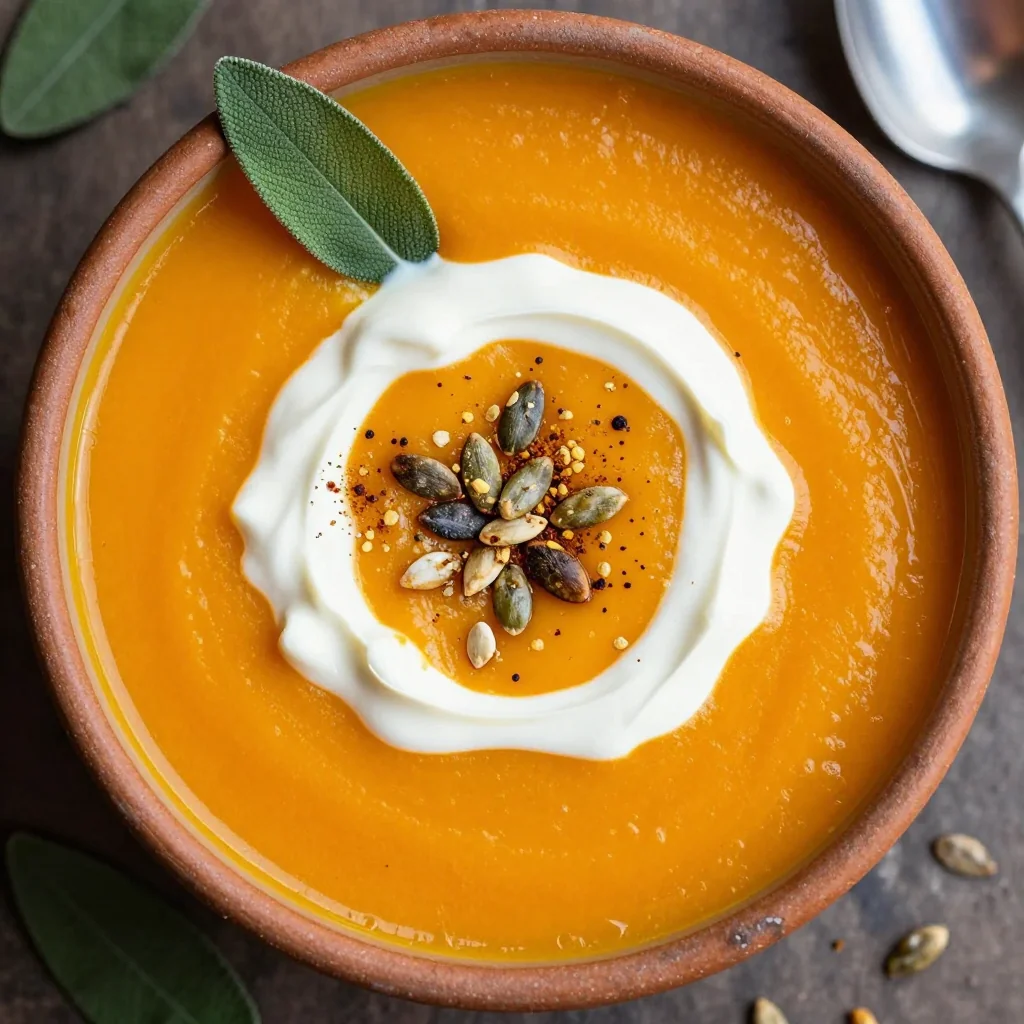
Return the blended soup to low heat and shake your can of coconut milk well. Pour in the entire can, stirring to combine. The coconut milk will transform the soup from a vibrant orange to a beautiful, creamy golden color. Let it simmer gently for another 5 minutes to allow the flavors to meld. Be careful not to let it boil vigorously, as this can cause the coconut milk to separate. Taste and adjust seasoning with salt and pepper as needed. The soup should be thick enough to coat the back of a spoon but still pourable.
Final Seasoning
This is where you make the soup your own. Start with 1 teaspoon of salt and ½ teaspoon of black pepper, then taste and adjust. The soup might need more salt than you expect—the coconut milk can mute other flavors. If you want more brightness, add a squeeze of fresh lime juice. For more warmth, add a pinch more nutmeg. If you prefer it thinner, add a splash more broth or water. Remember that flavors continue to develop as the soup sits, so it's better to slightly under-season at this stage.
Serve and Garnish
Ladle the hot soup into warm bowls and get creative with garnishes. A swirl of coconut milk, toasted pumpkin seeds, fresh cilantro leaves, or a drizzle of chili oil all work beautifully. For an elegant touch, reserve a few cubes of roasted butternut squash to float on top. Serve with warm crusty bread or naan for dipping. The soup is best served hot but not scalding—around 140°F is perfect for appreciating all the nuanced flavors.
Expert Tips
Roast for Deeper Flavor
For an even more complex flavor, roast the cubed butternut squash at 400°F for 25 minutes before adding to the soup. This caramelization adds incredible depth and a slightly smoky note that pairs beautifully with the coconut.
Adjust Consistency
If your soup is too thick, thin it with additional broth or coconut milk. Too thin? Let it simmer uncovered for a few extra minutes, or add a small diced potato during cooking for natural thickening.
Speed It Up
Short on time? Use pre-cut butternut squash from the grocery store. You can also cook the soup in an Instant Pot on high pressure for 8 minutes with a quick release for equally delicious results.
Make It Ahead
This soup tastes even better the next day as the flavors meld. Store it in the refrigerator for up to 5 days or freeze for up to 3 months. The coconut milk may separate slightly upon reheating, but a good stir will bring it back together.
Color Matters
For the most vibrant color, don't skip the curry powder. Even a small amount helps maintain that gorgeous golden-orange hue. If your soup looks dull, a squeeze of fresh lemon or lime juice will brighten both color and flavor.
Texture Perfection
For ultra-smooth soup, strain it through a fine-mesh sieve after blending. This extra step removes any remaining fibrous bits and creates a restaurant-quality silky texture that's worth the effort for special occasions.
Variations to Try
Thai-Inspired Version
Add 1 tablespoon of red curry paste along with the aromatics, and finish with fresh lime juice and Thai basil. This creates a beautiful fusion of flavors that's both warming and refreshing.
Apple Addition
Add one peeled, diced apple along with the squash for a touch of natural sweetness and complexity. Granny Smith or Honeycrisp work particularly well.
Protein Boost
Stir in a can of drained chickpeas or white beans during the final simmering for added protein and fiber. This transforms the soup into a complete meal.
Spicy Kick
Add a minced jalapeño or serrano pepper with the garlic, or finish with a drizzle of chili crisp oil for those who like heat. A pinch of cayenne pepper also works beautifully.
Carrot Addition
Replace half the butternut squash with carrots for a slightly sweeter, more economical version. The cooking time remains the same, and the color becomes even more vibrant.
Storage Tips
This soup is a meal prep dream! It stores beautifully and tastes even better the next day as the flavors have time to meld and develop. Here are my best tips for keeping your soup fresh and delicious:
Refrigerator Storage
Let the soup cool completely before transferring to airtight containers. It will keep for up to 5 days in the refrigerator. When reheating, do so gently over medium-low heat, stirring occasionally. The coconut milk may separate slightly, but a good whisk or stir will bring it back together.
Freezer Instructions
This soup freezes wonderfully for up to 3 months. I like to freeze it in individual portions for easy grab-and-go lunches. Let it thaw overnight in the refrigerator, then reheat gently. You can also freeze it in ice cube trays for small portions to add to other recipes.
Make-Ahead Tips
Prepare the soup through the blending step, then refrigerate or freeze the base without the coconut milk. When ready to serve, reheat the base and stir in the coconut milk for the freshest taste. This is especially helpful if you're making it for a dinner party or special occasion.
Frequently Asked Questions

Clean Eating Butternut Squash Soup With Coconut Milk Twist
Ingredients
Instructions
- Prepare squash: Peel, seed, and cube butternut squash into 1-inch pieces.
- Sauté aromatics: Heat oil in a large pot over medium heat. Cook onion for 5-6 minutes until translucent. Add garlic and ginger, cook 1 minute more.
- Add spices and squash: Stir in curry powder and nutmeg, then add squash cubes. Cook for 5 minutes, stirring occasionally.
- Simmer: Add vegetable broth, bring to a boil, then reduce to a simmer. Cook 20-25 minutes until squash is very tender.
- Blend: Use an immersion blender to puree until completely smooth. Alternatively, blend in batches in a regular blender.
- Finish: Stir in coconut milk and simmer 5 minutes more. Season with salt and pepper to taste.
- Serve: Ladle into warm bowls and garnish as desired. Serve hot.
Recipe Notes
For best results, use full-fat coconut milk. The soup can be made ahead and stored in the refrigerator for up to 5 days or frozen for up to 3 months. Reheat gently over medium-low heat, stirring occasionally.