Picture this: a midnight kitchen, a burnt pot of pasta, and the faint smell of disappointment wafting through the air. I was staring at a scorched pot of spaghetti that had turned into a sad, rubbery mess. That night, a friend dared me to turn a simple butternut squash dish into a creamy, comforting masterpiece. The challenge was accepted, and the result? A pasta that feels like a hug in every bite.
From the moment the squash hit the skillet, the kitchen filled with a sweet, caramelized aroma that made my mouth water. The golden squash pieces crackled, releasing a nutty fragrance that mingled with garlic and butter. As the sauce simmered, a silky texture emerged, coating the pasta like velvet. The sound of the bubbling sauce was a gentle, satisfying hiss that promised flavor. The first spoonful was a burst of warmth, with the squash’s natural sweetness balanced by the sharp bite of parmesan.
This version of creamy butternut squash pasta stands apart because it layers flavor, texture, and technique in a way that most recipes miss. The sauce is built on a roux that creates a luscious base, while roasted squash adds depth and a hint of smokiness. The addition of nutmeg brings a subtle warmth that lingers on the palate. Fresh sage and garlic provide aromatic brightness, cutting through the richness. The result is a dish that feels indulgent yet balanced, with every component playing its part.
What makes this recipe truly unique is the unexpected twist: a splash of white wine during the sauté stage. That small addition lifts the flavors and adds a subtle acidity that balances the cream. It’s a technique that most people overlook, but it elevates the entire dish. Trust me, the wine’s subtle bouquet will surprise you and keep the sauce bright.
By the time the pasta is finished, the kitchen smells like a rustic Italian trattoria. The creamy sauce clings to the noodles, each strand coated in a silky blanket of flavor. The squash pieces add a gentle crunch, while the sage leaves provide a peppery finish. This is hands down the best version you’ll ever make at home. Let me walk you through every single step — by the end, you’ll wonder how you ever made it any other way.
Okay, now watch this part closely: I’ll show you how to roast the squash to perfection. The key is to spread the cubes on a baking sheet and roast until the edges caramelize. The caramelization brings out the natural sugars, giving the dish a subtle sweetness that complements the cream. I swear, the first bite will make you forget you ever had a bland pasta.
I dare you to taste this and not go back for seconds. The sauce is so thick and flavorful that it will cling to your spoon, and you’ll be craving more. If you’re skeptical, try it tonight and let the flavors speak for themselves. I’ll be honest — I ate half the batch before anyone else got to try it.
Most recipes get this completely wrong, but here’s what actually works. The secret lies in the balance of acidity, sweetness, and richness. A touch of white wine, a dash of nutmeg, and a generous amount of parmesan create harmony. The result is a sauce that is both comforting and sophisticated.
Picture yourself pulling this out of the oven, the whole kitchen smelling incredible, and the family gathering around the table with anticipation. The anticipation builds as the steam rises, and the aroma of roasted squash and melted cheese fills the air. This is the moment that makes every effort worth it.
And if you’ve ever struggled with creamy pasta, you’re not alone — and I’ve got the fix. A common mistake is adding the cream too early, which can cause the sauce to separate. Instead, wait until the roux is fully cooked before whisking in the cream. This keeps the sauce silky and stable.
Now, let’s dive into the details that make this recipe shine. I’ll break down the ingredients, the technique, and the tricks that will elevate your dish to restaurant quality.
What Makes This Version Stand Out
- Flavor Depth: The combination of roasted squash, nutmeg, and white wine creates layers of taste that linger on the palate.
- Texture Play: The sauce coats the pasta like velvet, while the squash provides a satisfying bite.
- Ingredient Quality: Using fresh sage and high‑grade parmesan elevates the dish beyond the ordinary.
- Simple Technique: The roux‑based sauce is quick to make, yet delivers a luxurious mouthfeel.
- Make‑ahead Friendly: The pasta can be prepared a day ahead and reheated with a splash of water.
- Versatility: Swap in spinach or kale for a green twist, or add bacon for extra crunch.
- Crowd‑Pleaser: It’s the kind of dish that turns a casual dinner into an impressive feast.
- Seasonal Appeal: While perfect in fall, the creamy base makes it year‑round comfort food.
Alright, let’s break down exactly what goes into this masterpiece…
Inside the Ingredient List
The Flavor Base
At the heart of this dish is a classic roux made from butter and flour. This creates a thick, silky base that holds the cream together. If you skip the roux, the sauce will be thin and watery, losing that luxurious mouthfeel. A good rule of thumb: stir the roux for 2–3 minutes until it turns a light golden color, but avoid burning.
White wine is the secret ingredient that gives the sauce a bright, acidic lift. Add a splash right after sautéing the garlic, letting it reduce by half. This step not only deglazes the pan but also infuses the sauce with subtle fruity notes. If you’re not a fan of alcohol, you can replace it with a small amount of chicken or vegetable broth.
The Texture Crew
Butternut squash brings both sweetness and a subtle crunch when roasted. Choose a medium‑sized squash, peel it, and cut into 1‑inch cubes. Roast at 400°F for 25–30 minutes, flipping halfway. If you prefer a softer bite, toss the cubes in a little olive oil before roasting.
Pasta is the vehicle for the sauce. I recommend fettuccine or linguine because their wide strands hold the creamy sauce beautifully. Cook the pasta al dente, then reserve a cup of pasta water to adjust the sauce’s consistency later. Avoid overcooking; the pasta should be firm to the bite.
The Unexpected Star
Nutmeg adds a warm, nutty undertone that complements the squash’s natural sweetness. Grate a fresh pinch into the sauce; the aroma alone will transform the dish. If you’re allergic or just don’t like nutmeg, a dash of cinnamon can provide a similar warmth.
The Final Flourish
Fresh sage and garlic provide aromatic brightness. Slice the sage finely and sauté it with garlic until fragrant. This step releases essential oils that give the sauce a herbal kick. Finish the dish with grated parmesan, which melts into the sauce, adding depth and a savory finish.
Everything's prepped? Good. Let's get into the real action…
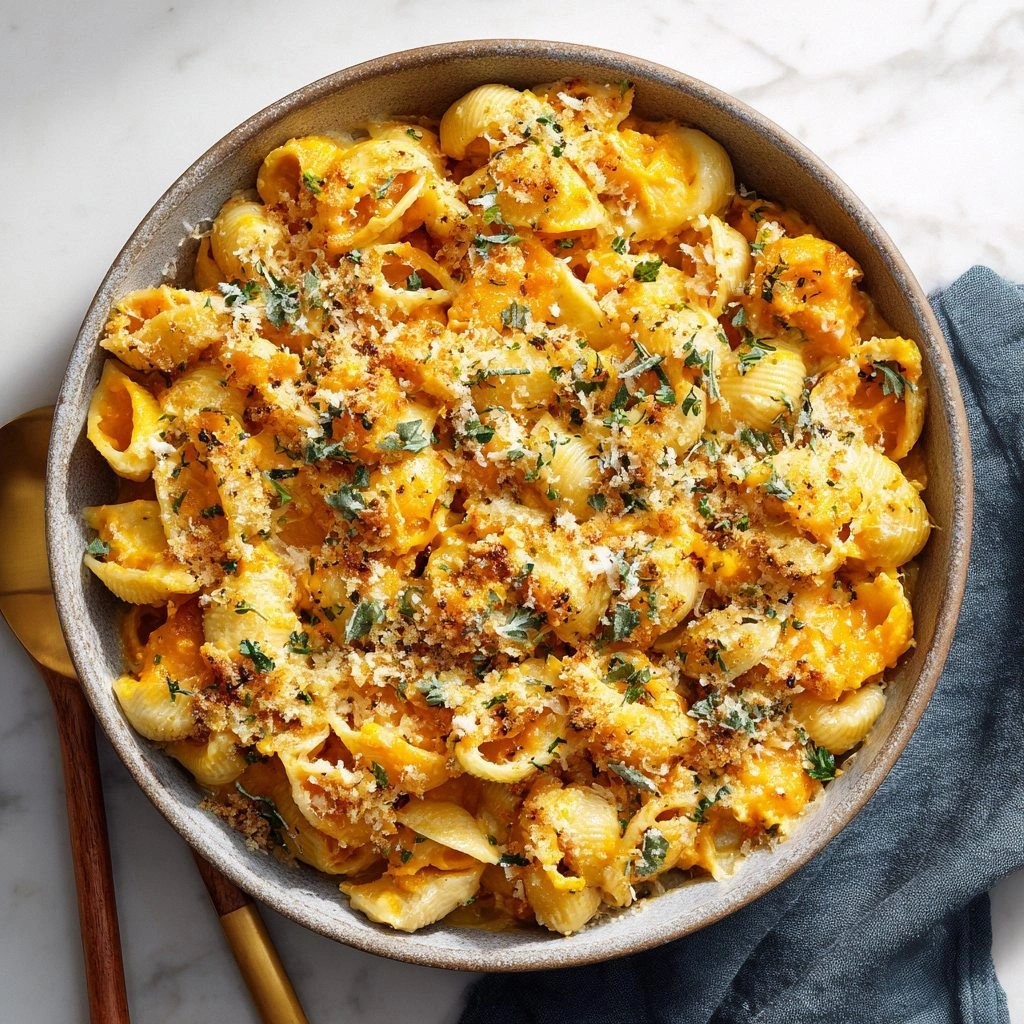
The Method — Step by Step
- Preheat your oven to 400°F (200°C). Toss the butternut squash cubes with 2 tbsp olive oil, 1 tsp salt, and a pinch of black pepper. Spread them in a single layer on a baking sheet and roast for 25–30 minutes, flipping halfway, until edges caramelize. The aroma will fill the kitchen and set the stage for the sauce.
- While the squash roasts, bring a large pot of salted water to a boil. Add 12 oz of pasta and cook until al dente, about 8–9 minutes. Reserve 1 cup of pasta water, then drain the pasta and set aside. This water will help thin the sauce if it becomes too thick later.
- In a large skillet, melt 2 tbsp butter over medium heat. Add 2 tbsp flour and whisk constantly to form a roux. Cook for 2–3 minutes until the mixture turns a light golden color, but avoid letting it brown too dark. This will be the foundation of your sauce.
- Add 2 minced garlic cloves and 2 tbsp chopped sage to the skillet. Sauté for 30 seconds until fragrant, then pour in 1 cup of heavy cream and 1 cup of grated parmesan. Stir until the cheese melts and the sauce thickens. If the sauce is too thick, add a splash of the reserved pasta water to reach the desired consistency.
- Pour in a 1/4 cup of white wine, letting it reduce by half. This step deglazes the pan and infuses the sauce with a subtle acidity that brightens the flavors. If you’re avoiding alcohol, substitute with 1/4 cup of vegetable broth.
- Add a pinch of nutmeg (about 1/4 tsp) and stir. The nutmeg’s warm aroma will rise, creating a comforting scent that precedes the first bite.
- Fold in the roasted butternut squash cubes and cooked pasta. Toss gently to coat everything evenly. If the sauce appears too thick, add a tablespoon of reserved pasta water to loosen it.
- Let the pasta simmer in the sauce for 2 minutes, allowing the flavors to meld. The final texture should be silky, with a slight sheen from the cream.
- Serve immediately, garnishing with extra grated parmesan and a few fresh sage leaves. The dish should emit a warm, comforting aroma that invites everyone to dig in. The first spoonful is a revelation: creamy, sweet, and perfectly balanced.
- If you prefer a crispy finish, transfer the pasta to a baking dish, top with a sprinkle of breadcrumbs and a drizzle of olive oil, then broil for 2–3 minutes until golden. The contrast of crunchy top and silky sauce is irresistible.
That's it — you did it. But hold on, I've got a few more tricks that'll take this to another level...
Insider Tricks for Flawless Results
The Temperature Rule Nobody Follows
Many cooks think a hotter stove is better, but for this sauce, low and steady wins. Keep the heat on medium or medium‑low when adding cream and cheese. This prevents the sauce from curdling and ensures a smooth finish. I once had a batch that separated because I let it boil; it was a hard lesson.
Why Your Nose Knows Best
Trust your sense of smell to gauge doneness. When the sauce smells toasty and nutty, it’s ready. If it still smells like raw flour, give it a minute more. The aroma is a reliable indicator of flavor development.
The 5-Minute Rest That Changes Everything
Let the pasta rest for 5 minutes after draining. This allows the noodles to finish cooking in their own steam, improving texture. I’ve seen people skip this step, resulting in a mushy bite.
Fresh Herbs Over Dried
Fresh sage and parsley provide a bright, aromatic punch that dried herbs can’t match. If you’re out of fresh herbs, use dried but add them earlier in the cooking process to allow the flavors to bloom.
Use a Pasta Water Reserve
Always keep a cup of pasta water on hand. The starchy water helps bind the sauce and adjust consistency. It’s a simple trick that professional chefs swear by.
Creative Twists and Variations
This recipe is a playground. Here are some of my favorite ways to switch things up:
Spinach & Bacon Boost
Add crumbled bacon and sautéed spinach for a smoky, earthy twist. The bacon adds crunch while the spinach provides a fresh, green contrast. It’s perfect for those who want a heartier meal.
Vegan Version
Swap the heavy cream for coconut milk and use nutritional yeast instead of parmesan. The coconut milk gives a subtle tropical note, while the yeast adds umami. This version is dairy‑free but still creamy.
Spicy Kick
Incorporate a pinch of red pepper flakes during the sauté stage. The heat balances the sweetness of the squash and adds a lively bite. Great for spice lovers.
Herb‑Infused
Replace sage with rosemary and thyme for a Mediterranean flair. The herbs bring a piney, aromatic flavor that pairs beautifully with the squash’s sweetness.
Cheese Swap
Use a blend of Gruyère and aged cheddar for a sharper, more complex cheese profile. The meltiness of Gruyère complements the creamy sauce, while cheddar adds a subtle bite.
Gluten‑Free Pasta
Use a high‑protein gluten‑free pasta for a lighter texture. The pasta still holds the sauce well, and the dish remains comforting.
Storing and Bringing It Back to Life
Fridge Storage
Store leftovers in an airtight container in the refrigerator for up to 3 days. Keep the sauce separate from the pasta if you plan to reheat; this prevents the pasta from becoming soggy.
Freezer Friendly
Freeze the cooked pasta in a freezer‑safe container for up to 2 months. Reheat by adding a splash of water or milk to loosen the sauce, then gently warm on the stove.
Best Reheating Method
Reheat the dish over low heat, stirring frequently. Add a small splash of water or cream to restore moisture. The sauce will regain its silky texture, and the pasta will feel fresh.