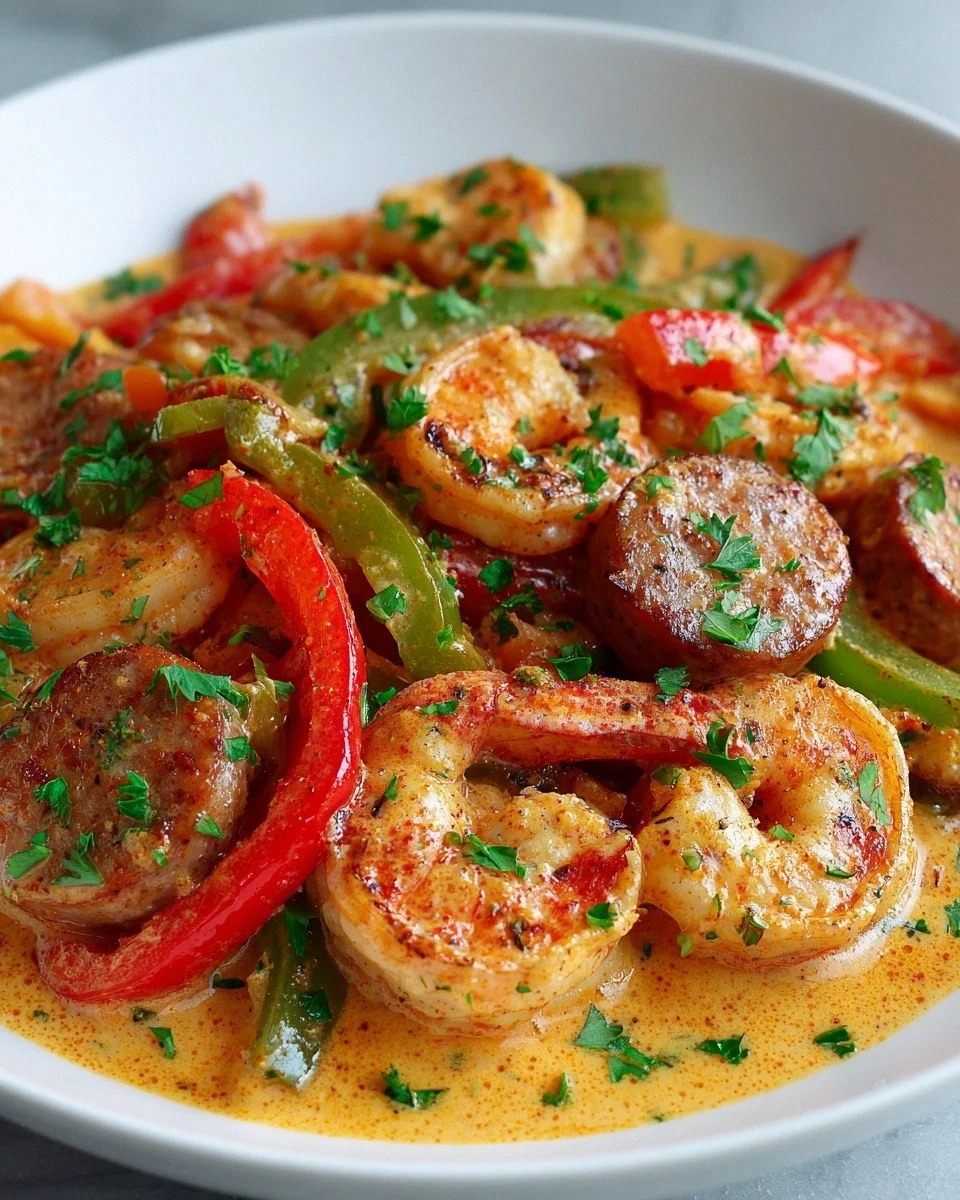
I still remember the night I accidentally created the most addictive skillet dinner of my life. It was one of those chaotic Tuesdays when the fridge held nothing but desperation: a lonely pound of shrimp, some smoked beef sausage left over from weekend grilling, and the dregs of heavy cream that I refused to waste. My keto diet was hanging by a thread after three days of scrambled eggs and sadness, and I needed something that felt like cheating without actually cheating. Thirty minutes later I was standing over the stove, spoon in hand, absolutely demolishing what I thought would be a sad compromise. Instead, I got a creamy, spicy, protein-packed revelation that made me question every restaurant meal I'd ever paid for. The sauce clung to each shrimp like silk, the sausage edges crisped into smoky little coins of joy, and the Cajun spice hit that perfect back-of-the-throat warmth that makes you close your eyes involuntarily.
Picture this: it's 8:47 PM, you're still in your work clothes, and the aroma of butter and garlic is starting to drift through your kitchen like a dinner bell for your soul. That first bite? It's the culinary equivalent of finding money in your coat pocket — unexpected, thrilling, and immediately improving your entire evening. The shrimp snap between your teeth with that sweet ocean flavor, while the beef sausage brings this deep, campfire richness that makes you wonder why we ever eat anything else. And the sauce — oh, the sauce — it's this luxurious blanket of cream that's been spiked with just enough heat to make your lips tingle in the most delightful way. I dare you to taste this and not go back for seconds. Actually, I dare you to taste this and not consider hiding the leftovers from your family.
What makes this version completely different from every other "keto skillet" recipe cluttering the internet? Most recipes get this completely wrong. They either go too timid on the seasoning and you end up with bland diet food, or they assault your taste buds with so much spice that you can't taste the actual seafood. This one walks that tightrope perfectly — bold enough to wake up your palate, balanced enough that each ingredient gets its moment to shine. Plus, and this is crucial, it's stupidly fast. We're talking twenty-five minutes from fridge to face, which means it's faster than ordering takeout and infinitely more satisfying than another night of sad desk salad.
Stay with me here — this is worth it. I'm about to show you how to transform those humble ingredients into something that tastes like it came from a New Orleans bistro, but requires zero fancy techniques and only one pan to wash. By the end of this, you'll have a new weeknight weapon that'll make you look like a kitchen wizard even when you're running on three hours of sleep and pure caffeine. Let me walk you through every single step — by the end, you'll wonder how you ever made it any other way.
What Makes This Version Stand Out
- Flavor Bomb: This isn't just another bland keto meal that tastes like diet punishment. The combination of Cajun seasoning, garlic, and that creamy base creates layers of flavor that'll make you forget you're eating low-carb. Each bite delivers a perfect balance of smoky, spicy, and rich that'll have you scraping the pan with bread (or let's be real, a spoon) to get every last drop.
- Texture Paradise: Most skillet meals end up with everything tasting the same — mushy and monotone. Here, the shrimp stay plump and tender while the sausage edges caramelize into crispy little flavor bombs. That contrast between soft and snappy is what separates amateur cooking from restaurant-quality results.
- One-Pan Wonder: Despite tasting like you spent hours crafting a complex sauce, this entire masterpiece happens in a single skillet. Less dishes, more Netflix time. Plus, all those beautiful browned bits (the fond, if we're being fancy) stay in the pan to flavor your sauce — no flavor left behind.
- Meal Prep Champion: This dish actually gets better after a day in the fridge. The flavors meld and deepen, making it perfect for Sunday prep that'll carry you through the week. Just reheat gently and you've got a lunch that'll make your coworkers jealous while they're eating sad desk sandwiches.
- Restaurant Quality, Budget Friendly: Using humble ingredients like smoked sausage and frozen shrimp, you're creating something that tastes like it costs thirty dollars a plate. Your wallet stays happy, your taste buds stay happier, and you get to feel smug about your cooking skills.
- Foolproof Technique: No fancy French techniques or molecular gastronomy here. If you can stir and season, you can nail this recipe. I've made this at 2 AM after a long flight and still produced something delicious — that's how forgiving and reliable this method is.
Alright, let's break down exactly what goes into this masterpiece...
Inside the Ingredient List
The Flavor Base
Let's start with the real MVPs here. The olive oil and butter combo isn't just me being indecisive — it's strategic. Olive oil handles the high-heat searing of the sausage without burning, while butter swoops in later to create that luxurious richness in the sauce. Skip either one and you'll miss out on the full flavor spectrum. The Cajun seasoning is where the magic happens, but not all blends are created equal. I'm obsessed with the kind that lists paprika, garlic powder, and cayenne as the first three ingredients — that's how you know it'll deliver both color and heat. If yours is mostly salt with a whisper of spice, you're going to have a sad, bland skillet.
The Texture Crew
The shrimp and sausage are doing a delicate dance here, and timing is everything. Use large shrimp (26-30 count per pound) because they stay plump and don't overcook into rubbery little commas of disappointment. The smoked beef sausage needs to be the good stuff — I'm talking about sausage that actually lists beef as the first ingredient, not "meat product" or whatever mystery ingredients the cheap brands try to pass off. When you slice it into coins, aim for about 1/4 inch thick. Too thin and they'll dry out into little hockey pucks; too thick and they won't get those gorgeous caramelized edges that add depth to the whole dish.
The Aromatic Alliance
The onion and bell peppers aren't just filler — they're the backbone that makes this taste like real cooking instead of just heating things up. I use half a red and half a green bell pepper because the red brings sweetness while the green adds that slightly bitter, grassy note that keeps the dish from being one-note. Slice them into thin strips so they cook quickly and integrate into the sauce rather than sitting on top like a chunky hat. The garlic goes in last among the aromatics because burnt garlic tastes like disappointment and regret, and we're not about that life.
The Creamy Dream Team
Heavy whipping cream is non-negotiable here. I've tried this with half-and-half, milk, and every other "lighter" option, and they all break and curdle into a grainy mess that'll make you want to cry into your skillet. The cream needs to be at least 36% fat to stay stable and create that velvety texture that coats everything like liquid velvet. The chicken broth might seem optional, but it's what keeps the sauce from being so rich that you can't finish a portion. It adds depth and prevents the dreaded "I feel like I ate a stick of butter" feeling.
The Heat Management
Here's where most people mess up — they add all the spice at once and then wonder why their mouth feels like they French-kissed a blowtorch. The Cajun seasoning provides the base heat, but we add cayenne to taste at the end. This lets you control the final intensity. I like to add just enough that you feel warmth spreading across your tongue but can still taste the sweet shrimp and smoky sausage. Salt and pepper aren't afterthoughts either — taste as you go, because the sausage adds saltiness and you want to balance that rather than assault it with more sodium.
Everything's prepped? Good. Let's get into the real action...
The Method — Step by Step
- Start by patting your shrimp absolutely dry with paper towels. I mean really get in there — any excess moisture will steam instead of sear, and we'll end up with sad, rubbery shrimp swimming in their own juice. Season them generously with salt, pepper, and about half the Cajun seasoning. Let them sit while you heat your largest skillet over medium-high heat. You want it screaming hot — flick a drop of water on the surface and it should dance and evaporate immediately. This is the moment of truth where we build flavor through the magical process known as the Maillard reaction.
- Add the olive oil to the hot pan — it should shimmer immediately and run like water across the surface. Lay your sausage coins in a single layer and don't touch them for a full three minutes. I know it's tempting to stir, but trust the process. Those gorgeous brown edges are developing as the sugars in the sausage caramelize, creating flavor compounds that'll make your kitchen smell like a Southern BBQ joint. When the edges look deeply browned and the centers are sizzling, flip each piece individually. Yes, it's a little tedious, but this ensures maximum caramelization and prevents steamed, gray sausage.
- Once both sides of the sausage are beautifully browned, remove them to a plate but leave all those gorgeous brown bits (the fond) in the pan. This is pure flavor gold that most people wash down the drain. Lower the heat to medium and add the butter — it'll foam up dramatically as it hits the hot pan, which is exactly what we want. When the foaming subsides, add the onions and bell peppers. The vegetables will deglaze the pan, lifting all those browned bits into what will become the flavor base of our sauce. Stir occasionally, scraping the bottom to ensure nothing burns.
- After about five minutes, the vegetables should be softened and starting to take on some color. Add the garlic and the remaining Cajun seasoning, stirring constantly for about thirty seconds. Don't walk away from the stove here — garlic burns faster than a vampire in daylight, and burnt garlic will ruin everything. You want it fragrant and just starting to turn golden at the edges. The smell should be intoxicating — like someone bottled the essence of Louisiana and uncorked it in your kitchen.
- Now comes the fun part. Pour in the chicken broth and scrape the bottom of the pan with a wooden spoon to release every last bit of flavor. Let it bubble away for about two minutes until reduced by half. This concentrates the flavors and ensures our final sauce isn't watery. The liquid should be slightly thickened and intensely aromatic. If you've been tasting as you go (and you should be), this is where things start tasting like real cooking rather than just heating things up.
- Reduce the heat to low and slowly pour in the heavy cream while stirring constantly. The cream will incorporate with the reduced broth to create a sauce that's both rich and complex. Let it simmer gently for about three minutes, stirring frequently. You want it thick enough to coat the back of a spoon but not so thick that it becomes gloppy. If it gets too thick, splash in a little more broth. Too thin? Let it reduce a bit more. This is where you develop your sauce intuition.
- Add the shrimp to the sauce in a single layer and let them cook undisturbed for two minutes. They'll start to turn pink and curl slightly — this is good. Flip them over and cook for another minute or two until they're just opaque throughout. Overcooked shrimp are a tragedy, and we're not here for tragedy. They should feel firm but still have a little give when pressed. Return the sausage to the pan and stir everything together, letting the flavors marry for about thirty seconds.
- Taste and adjust seasoning. This is where you add cayenne to taste — start with a pinch and add more until you hit your desired heat level. I usually end up with about 1/4 teaspoon, but your mileage may vary depending on your Cajun blend and personal tolerance. Add salt and pepper as needed, keeping in mind that the sausage adds saltiness. The sauce should taste vibrant and well-balanced, not flat or one-dimensional.
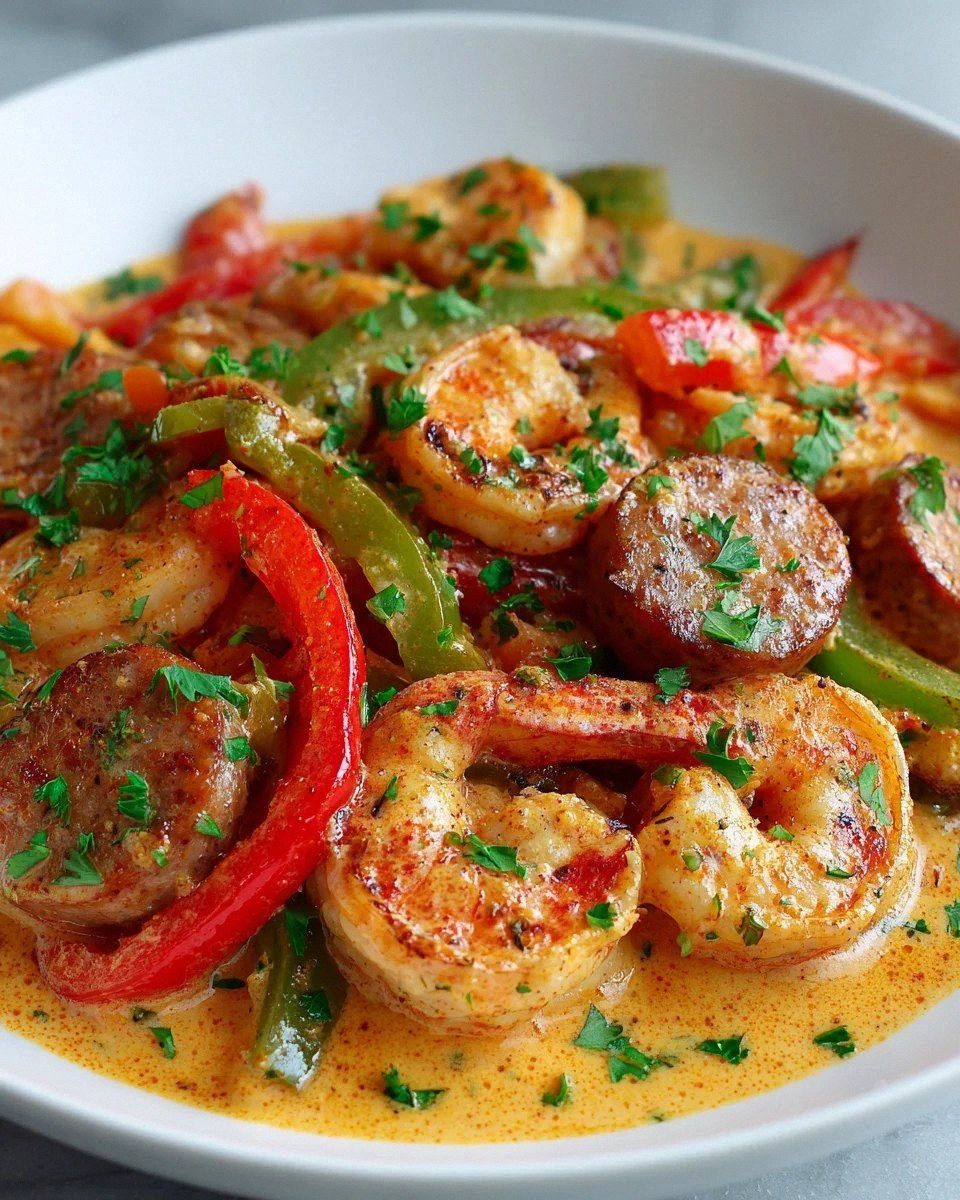
- Remove from heat and let it rest for exactly five minutes. I know you're starving and the smell is driving you crazy, but this brief rest allows the sauce to thicken slightly and the flavors to meld. Serve it up in shallow bowls with plenty of that glorious sauce spooned over the top. If you're feeling fancy, sprinkle with some chopped parsley or green onions, but honestly, it's perfect just as is.
That's it — you did it. But hold on, I've got a few more tricks that'll take this to another level...
Insider Tricks for Flawless Results
The Temperature Rule Nobody Follows
Here's the thing that separates good cooks from great ones: temperature control. Most people crank their burner to high and wonder why their sauce breaks or their shrimp turn to rubber. Start high for searing the sausage, drop to medium for the aromatics, then low for the cream. Think of it like a three-act play — each phase needs its own energy level. A friend tried skipping this step once — let's just say it didn't end well. She ended up with separated sauce and shrimp that could bounce off walls. Don't be like my friend.
Why Your Nose Knows Best
Your sense of smell is your secret weapon here. When the sausage hits the pan, you should smell rich, smoky meat. When the garlic goes in, it should perfume your kitchen without any hint of bitterness. When the cream reduces, it should smell slightly sweet and nutty — like liquid comfort. If anything smells sharp, burnt, or off, adjust immediately. Lower the heat, add a splash of broth, or remove from heat entirely. Your nose knows when things are going sideways before your eyes do.
The 5-Minute Rest That Changes Everything
I cannot stress this enough — let it rest. I know, I know, you're hungry and it smells incredible and you want to dive in face-first. But those five minutes off heat allow the sauce to thicken naturally as it cools slightly, and the flavors redistribute throughout the dish. It's like the difference between a good first date and a great relationship — patience pays off in dividends you can taste. Plus, it'll stop being volcano-hot and won't burn your tongue, which means you can actually taste all those beautiful layers of flavor.
The Shrimp Size Sweet Spot
Size matters, folks. Too small and they'll overcook in the time it takes to blink. Too large and they won't cook through before your sauce reduces. Large shrimp (26-30 count) hit that perfect balance — substantial enough to stay juicy, small enough to cook quickly. If all you have is jumbo shrimp, cut them in half lengthwise. If you only have small ones, add them during the last minute of cooking. This isn't just cooking — it's strategic planning.
The Spice Balance Secret
Here's where personal preference meets culinary science. The Cajun seasoning provides the base flavor, but the cayenne gives you control over the final heat level. Add it at the end, not the beginning — this lets you taste how spicy your particular Cajun blend is before committing to more heat. Some blends are fiery, others are mild. Start conservative and build up. You can always add more spice, but you can't take it away. Well, you could add more cream, but then you'd dilute all those beautiful flavors you just built.
Creative Twists and Variations
This recipe is a playground. Here are some of my favorite ways to switch things up:
Coastal Luxe Edition
Swap the smoked beef sausage for andouille and add a splash of dry white wine when you add the chicken broth. The wine adds acidity that brightens the whole dish and makes it taste like something you'd order in a seaside bistro. Throw in some fresh thyme if you've got it — the earthiness plays beautifully with the seafood. This version feels fancy enough for date night but still comes together in under thirty minutes.
Surf and Turf Deluxe
Add some seared scallops along with the shrimp. Get them golden on both sides before starting the sausage, then hold them aside and add them back with the shrimp. The combination of scallops and shrimp makes this feel like a restaurant splurge, but you're still cooking at home in your pajamas. The key is to pat the scallops absolutely dry and get your pan ripping hot for that gorgeous golden crust.
Green Goddess Version
Stir in a handful of baby spinach at the very end — it'll wilt instantly and add beautiful color. The slight bitterness of the spinach actually balances the richness of the cream sauce perfectly. Plus, you can feel virtuous about eating your greens while essentially consuming what amounts to cream soup with protein. It's all about balance, right?
Fire Eater's Dream
Add a diced jalapeño with the bell peppers and swap the regular cayenne for smoked paprika plus a dash of your favorite hot sauce. I like using Crystal or Louisiana hot sauce — they add heat without overwhelming the other flavors. This version has that slow-building heat that makes you reach for your water glass but doesn't obliterate your taste buds.
Coastal Italian Mashup
Replace the Cajun seasoning with Italian herbs (oregano, basil, thyme) and add a handful of halved cherry tomatoes with the bell peppers. The tomatoes break down and add sweetness to the sauce, while the Italian herbs give it a completely different flavor profile. Finish with fresh basil instead of parsley. It's like taking a trip from New Orleans to Naples without leaving your kitchen.
Breakfast-for-Dinner Special
Crack a couple eggs into wells in the sauce during the last few minutes of cooking. Cover the pan and let the eggs poach in the spicy cream sauce. Break the yolks and let them mingle with the sauce for the most indulgent breakfast-for-dinner situation you've ever experienced. Add some crusty bread for dipping and you've got a meal that'll cure any bad day.
Storing and Bringing It Back to Life
Fridge Storage
Store leftovers in an airtight container in the fridge for up to three days. I like using glass containers because they don't hold onto the garlic and spice odors, plus you can reheat directly in them. The sauce will thicken considerably when cold — this is normal and actually a good sign that you nailed the reduction. When you're ready to reheat, add a splash of chicken broth or cream to loosen it up. Cold leftovers are surprisingly good too — the flavors intensify and it's like eating spicy seafood dip with a spoon.
Freezer Friendly
Here's the thing — cream sauces don't love the freezer. They tend to separate and get grainy when thawed. But if you must freeze it (say, you made a quadruple batch for a party that got cancelled), freeze just the protein and vegetables with minimal sauce. Thaw overnight in the fridge, then reheat with fresh cream to recreate the sauce. It's not quite the same, but it's better than wasting food. Freeze in individual portions so you're not thawing more than you need.
Best Reheating Method
Low and slow is the name of the game here. Microwave on 50% power in 30-second bursts, stirring between each burst. Or better yet, reheat gently in a skillet over low heat with a splash of cream or broth. Add a tiny splash of water before reheating — it steams back to perfection and prevents the sauce from breaking. Whatever you do, don't blast it with high heat or you'll end up with separated sauce and rubber shrimp. Patience pays off here.