It all began on a rainy Saturday night when I was trying to salvage a bag of leftover noodles that had somehow become a soggy, flavorless mess. I stared at the pot, the air thick with the smell of boiled rice, and thought, “How did I let this happen?” The moment I realized the noodles were drowning in bland broth, I made a promise to myself: I would never again settle for mediocre, overcooked noodles. That night, armed with a bottle of gochujang and a daring spirit, I turned that disaster into a culinary triumph.
Picture the kitchen: a flickering stove, the sizzle of oil, and the aroma of sesame seeds roasting to a golden amber. The sound of garlic cloves hitting the pan is a sharp, rhythmic percussion that signals the start of flavor. I could feel the heat radiating off the wok, and my hands were already dancing across the cutting board, chopping green onions with a precision that felt almost ceremonial. Each ingredient seemed to whisper its potential, and I was ready to let them sing in harmony.
What sets this version apart is not just the boldness of the gochujang; it’s the way every element is elevated to a protein-packed powerhouse. The flat rice noodles are soaked just enough to keep their bite, the chicken breast is sliced into thin strips for quick searing, and the eggs are whisked into a silky scramble that coats the noodles like velvet. This dish is a symphony of textures—crispy edges that shatter like thin ice, a creamy egg coating, and a gentle snap from fresh edamame. It’s the kind of meal that turns a simple dinner into a culinary celebration.
And there’s a secret technique I’ve discovered that will blow your mind: a quick blast of sesame oil at the very end of cooking. This tiny addition locks in the nutty aroma and gives the noodles a glossy finish that’s impossible to resist. I dare you to taste this and not go back for seconds—once you’ve had a bite, you’ll never settle for anything else. Let me walk you through every single step—by the end, you’ll wonder how you ever made it any other way.
What Makes This Version Stand Out
- Taste: The gochujang’s umami depth is balanced by the subtle sweetness of soy sauce, creating a flavor profile that’s both fiery and comforting.
- Texture: The noodles retain a firm al dente bite, while the egg scramble adds silky smoothness that coats every strand.
- Protein: With chicken, eggs, hemp hearts, and edamame, this dish packs over 25 grams of protein per serving.
- Speed: From prep to plate, the entire process takes less than an hour—perfect for weeknight dinners.
- Versatility: Swap in tofu or shrimp, change the veggies, or tweak the heat level—this recipe adapts to your pantry.
- Make‑Ahead: Leftovers reheat beautifully, and the flavors deepen when stored overnight.
- Visual Appeal: The vibrant colors of bell pepper, bok choy, and sesame seeds make the dish Instagram‑ready.
- Health: Low in carbs compared to traditional ramen, and high in fiber and essential nutrients.
Alright, let’s break down exactly what goes into this masterpiece…
Inside the Ingredient List
The Flavor Base
The gochujang is the heart of this dish, offering a smoky, slightly sweet, and unmistakably Korean heat that coats each noodle. Soy sauce adds a savory depth, while sesame oil brings a toasted, nutty aroma that elevates the entire flavor profile. If you’re craving a milder kick, reduce the gochujang to 2 tablespoons; the sauce will still shine, but the heat will be more approachable.
The Texture Crew
Flat rice noodles provide a sturdy backbone that resists sogginess, especially when they’re blanched briefly before the stir‑fry. Eggs, whisked and poured into the pan, create a silky, custard‑like coating that balances the bold sauce. Hemp hearts add a nutty crunch and a boost of omega‑3 fatty acids, while sesame seeds finish with a subtle crunch and a fragrant finish.
The Unexpected Star
Edamame is often overlooked in stir‑fries, but it brings a sweet, protein‑rich bite that contrasts nicely with the spicy sauce. Fresh ginger and garlic provide a bright, aromatic foundation that lifts the dish, and green onions add a fresh, oniony pop that cuts through the richness. If you’re vegan, simply omit the chicken and eggs, and replace the sesame oil with a neutral oil; the result is still delicious.
The Final Flourish
Bok choy and bell pepper add a crisp, fresh crunch that balances the softness of the noodles and eggs. The final splash of sesame oil, added just before serving, locks in the nutty aroma and gives the dish a glossy sheen that’s impossible to resist. If you prefer a milder dish, simply reduce the amount of sesame oil; the noodles will still taste fantastic.
Everything’s prepped? Good. Let’s get into the real action…
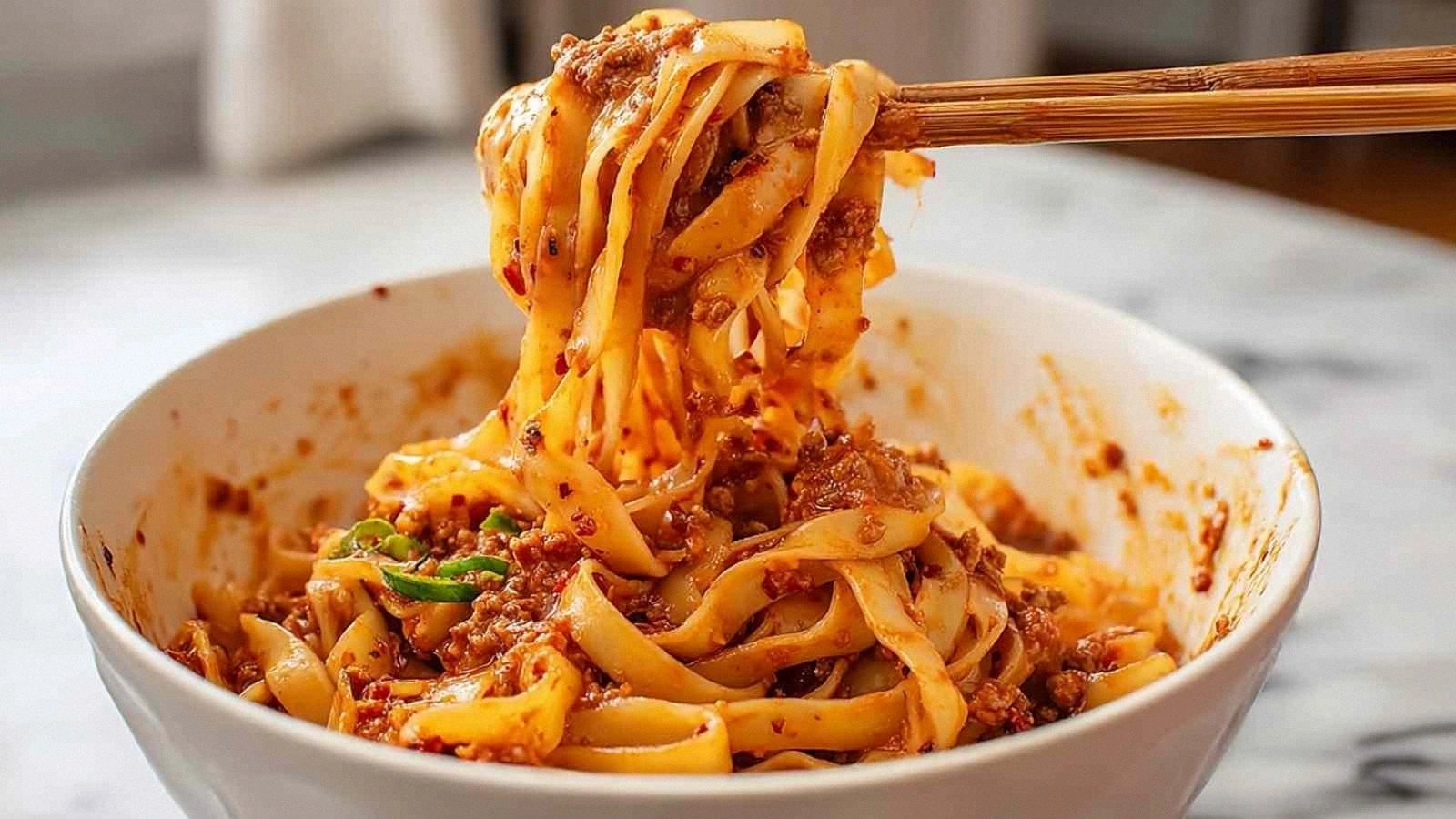
The Method — Step by Step
- Begin by bringing a large pot of salted water to a rolling boil. Add the flat rice noodles and cook for 2 minutes, just until they start to soften. Drain them into a colander, rinse with cold water, and set aside. This pre‑cooking step ensures the noodles stay firm and prevents them from becoming mushy during the stir‑fry.
- While the noodles are cooling, heat a wok or large skillet over medium‑high heat. Add 1 tablespoon of cooking oil, swirling to coat the surface. Once the oil shimmers, add the thinly sliced chicken breast. Sear the chicken until it’s browned on all sides and cooked through, about 5–6 minutes. Remove the chicken and set it aside, leaving the juices in the pan.
- Add the garlic and ginger to the pan, sautéing for 30 seconds until fragrant. The aroma of garlic sizzling is the first hint that flavor is building. Stir constantly to prevent burning, and let the garlic release its essential oils.
- Pour in the gochujang and soy sauce, stirring to create a cohesive sauce. The sauce should coat the back of a spoon and have a glossy sheen. Let it simmer for 2 minutes, allowing the flavors to meld and the sauce to thicken slightly.
- Reduce the heat to medium, then pour in the whisked eggs in a steady stream. As the eggs begin to set, use a spatula to scramble them gently, creating soft curds that coat the noodles. This technique ensures the eggs remain tender and not rubbery.
- Add the pre‑cooked noodles, chicken, edamame, bell pepper, and bok choy to the pan. Toss everything together, allowing the sauce to coat every ingredient evenly. The heat should be high enough to crisp the veggies slightly, but not so high that the sauce burns.
- Sprinkle the sesame seeds and hemp hearts over the top. Stir to distribute the seeds evenly; they’ll add a nutty crunch and a pop of color. This step is essential for achieving the signature Korean texture profile.
- Finish the dish with a splash of sesame oil and a handful of chopped green onions. Toss quickly, then plate immediately while the noodles are still hot and glossy. The final splash of oil locks in the aroma and gives the noodles a beautiful sheen.
That’s it— you did it. But hold on, I’ve got a few more tricks that will take this to another level. These insider tips will help you master the dish like a pro.
Insider Tricks for Flawless Results
The Temperature Rule Nobody Follows
Stir‑fry is a high‑heat dance, and the key is to keep the heat high enough to sear the ingredients quickly, but not so high that the sauce burns. I’ve found that using a carbon steel wok or a heavy‑bottomed skillet works best. If your pan starts to smoke, lower the heat slightly and let it cool for a minute before resuming.
Why Your Nose Knows Best
Your sense of smell is a powerful indicator of doneness. When the sauce begins to thicken and you catch a faint, toasted aroma from the sesame oil, it’s time to add the noodles. That aroma is a sign that the flavors have bonded, and the dish is ready to finish.
The 5‑Minute Rest That Changes Everything
After cooking, let the dish rest for five minutes before serving. This brief pause allows the sauce to redistribute and the noodles to absorb the flavors fully. The result is a more cohesive, flavorful bite.
Keep Your Noodles Dry
If you’re using pre‑made noodles, rinse them under cold water immediately after boiling. This stops the cooking process and prevents the noodles from sticking together. Toss them with a light coating of sesame oil to keep them separate.
Add a Splash of Water for Reheating
When reheating leftovers, add a splash of water or broth to the pan. The moisture will steam the noodles back to life, preventing them from drying out. Cover the pan for a minute to trap the steam.
Creative Twists and Variations
This recipe is a playground. Here are some of my favorite ways to switch things up:
Sriracha Swirl
Swap out half the gochujang for sriracha to add a different kind of heat. The result is a bright, tangy kick that pairs well with the nutty sesame oil.
Mushroom Medley
Add sliced shiitake or button mushrooms for an earthy depth. The mushrooms absorb the sauce and provide a meaty texture that complements the chicken.
Tropical Twist
Incorporate diced pineapple and a splash of coconut milk for a sweet, tropical version. The pineapple’s acidity balances the spice, while the coconut milk adds creaminess.
Vegan Version
Omit the chicken and eggs, and replace them with tofu or tempeh. Use a vegan soy sauce and sesame oil for a plant‑based meal that still delivers on flavor.
Protein‑Packed Power Bowl
Serve the noodles in a bowl with a side of edamame, sliced avocado, and a drizzle of tahini. This turns the dish into a balanced, protein‑rich power bowl.
Breakfast Boost
Add a fried egg on top and serve with a side of kimchi for a hearty Korean breakfast. The savory sauce complements the richness of the egg.
Storing and Bringing It Back to Life
Fridge Storage
Store leftovers in an airtight container for up to 3 days. Keep the sauce separate if possible, so the noodles don’t become soggy. When ready to eat, reheat in a skillet over medium heat, stirring occasionally.
Freezer Friendly
Freeze the dish for up to 2 months. Portion into single servings for convenience. Thaw overnight in the fridge, then reheat as described above.
Best Reheating Method
Add a splash of water or broth before reheating to maintain moisture. Cover the pan for a minute to trap steam, then stir until heated through. This technique restores the noodles’ original texture and keeps the sauce from drying out.