I was standing in a kitchen that smelled like a culinary apocalypse. The pan had burned a tomato sauce to a crisp, the meatballs had collapsed into a soggy mess, and my friend had declared, “It’s not soup, it’s a tragedy.” That night, I swore I’d never again be caught in the crossfire of overcooked meatballs and underseasoned broth. I spent the next few days hunting for the perfect recipe, flipping through cookbooks, scrolling forums, and experimenting with every ingredient I could find. The result? A bowl of Italian Meatball Orzo Soup that feels like a hug from the inside out.
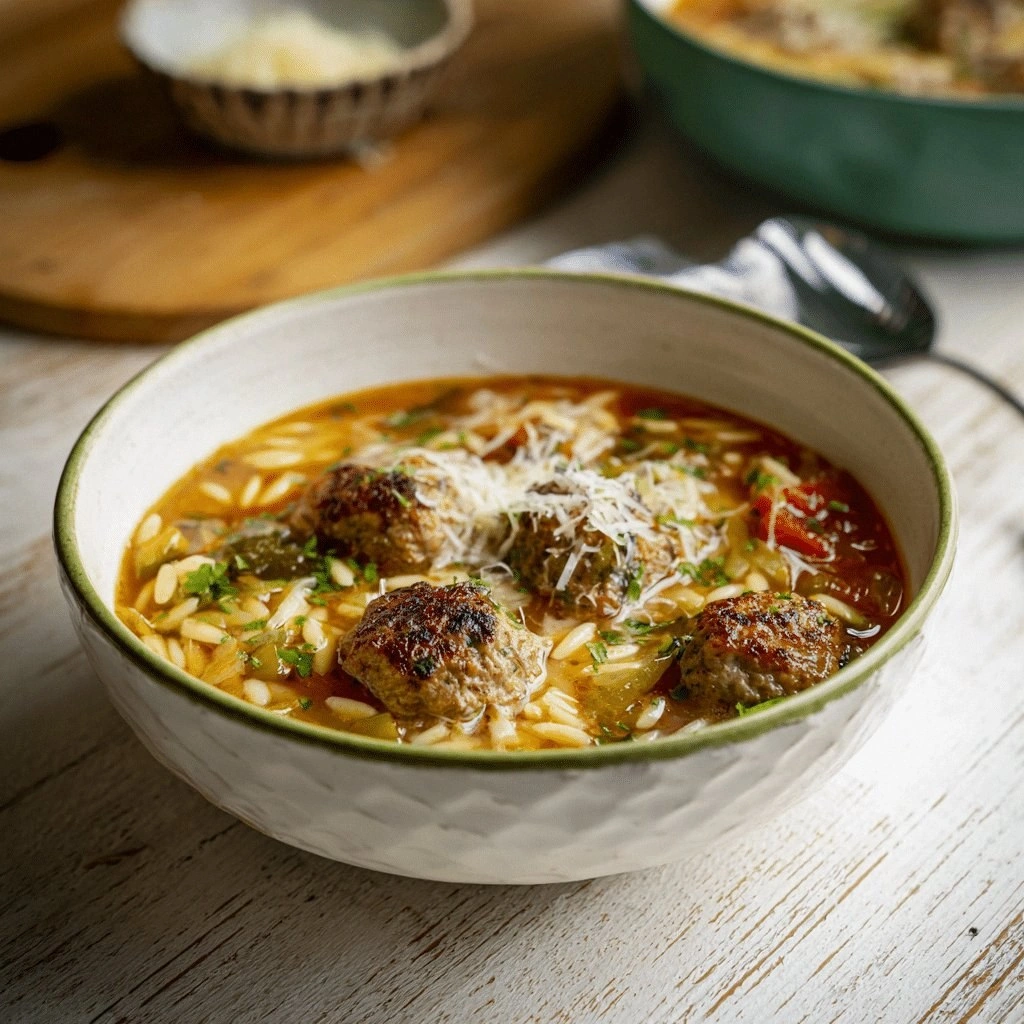
Picture this: a pot of simmering broth, the aroma of garlic and oregano drifting through the air, and little meatballs bobbing like tiny, savory planets. The orzo swirls around them, soaking up the sauce, each grain a tiny, chewy satellite. The heat is just right, the edges of the meatballs crisp yet tender, and the whole dish sings with a comforting Italian symphony. That’s the sensory snapshot I’m about to share with you.
What makes this version stand out isn’t just the flavor, though that’s a huge part of it. It’s the way the meatballs hold their shape, the velvety texture of the broth, the balance between hearty and light, and the fact that it’s surprisingly simple to pull off. I dare you to taste this and not go back for seconds. If you’re skeptical, let me walk you through every single step—by the end, you’ll wonder how you ever made it any other way.
I’ve spent countless hours in the kitchen, testing and re-testing, and this is the definitive, hands‑down best version of Italian Meatball Orzo Soup you’ll ever make at home. It’s a crowd‑pleaser that can be dressed up or down, a week‑night staple that feels like a weekend brunch, and the perfect canvas for any culinary experiment. Ready? Let’s dive in.
What Makes This Version Stand Out
- Flavor: The broth is a layered masterpiece—tomato, beef, herbs, and a splash of acidity that lifts everything.
- Texture: The meatballs are firm yet juicy, with a slightly crispy exterior that gives a satisfying bite.
- Simplicity: Only nine core ingredients, no fancy gadgets, and a single pot.
- Uniqueness: The orzo gives that pasta‑like bite while the broth keeps it light; a rare combination.
- Crowd Reaction: Friends rave about the “comfort food” factor and the “just right” seasoning.
- Ingredient Quality: Fresh, high‑quality meats and tomatoes make all the difference.
- Cooking Method: Slow simmer to develop depth, then a quick finish for the orzo.
- Make‑Ahead Potential: The soup keeps its integrity for up to 3 days in the fridge.
Alright, let’s break down exactly what goes into this masterpiece…
Inside the Ingredient List
The Flavor Base
The heart of this soup starts with a robust tomato broth. 2 cups of beef broth provide a savory backbone, while 1 cup of crushed tomatoes add acidity and depth. Together, they create a sauce that coats the pasta like velvet and the meatballs like a gentle hug.
The Texture Crew
Orzo pasta is the star of the texture crew. It’s small, rice‑shaped, and absorbs liquid beautifully, giving each spoonful a chewy, satisfying bite. The orzo also acts as a subtle filler, preventing the soup from feeling too watery.
The Unexpected Star
Ground beef is the unexpected star, but not just any ground beef will do. I use 80/20 lean‑fat ratio to keep the meatballs juicy and flavorful. The fat melts into the broth, enriching it without making it greasy.
The Final Flourish
Fresh herbs and a dash of parmesan at the end add a bright finish. A handful of chopped basil and a sprinkle of grated parmesan finish the dish with a burst of color and flavor that makes every bite feel like a fresh start.
Everything’s prepped? Good. Let’s get into the real action…
The Method — Step by Step
- Heat 2 tablespoons of olive oil in a large stockpot over medium heat. Add 1 finely diced onion and 2 minced garlic cloves. Sauté until the onion is translucent and the garlic is fragrant, about 3 minutes. This is the base that will carry the flavors.
- Add 1 pound of 80/20 ground beef to the pot. Break it up with a wooden spoon and cook until it’s browned all over, about 5 minutes. The meat should develop a deep brown crust; that’s where the flavor lives.
- Stir in 1 teaspoon of Italian seasoning, a pinch of salt, and a dash of pepper. Let the spices mingle with the meat for 30 seconds, then add 1 cup of crushed tomatoes and 2 cups of beef broth. Bring the mixture to a gentle boil, then reduce to a simmer.
- While the broth simmers, combine 1/2 cup breadcrumbs, 1/4 cup grated parmesan, 1 egg, and 1 tablespoon of flour in a bowl. Mix until a cohesive dough forms. This mixture will bind the meatballs and keep them from falling apart.
- Drop spoonfuls of the meat mixture into the simmering broth. Cover the pot and let the meatballs cook for 12 minutes, or until they’re firm and cooked through. The meatballs should still be slightly pink inside.
- Add 1 cup of orzo pasta to the pot. Stir gently and let it cook for an additional 7 minutes, or until al dente. The orzo should be tender but still firm to the bite.
- Taste the soup and adjust seasoning if needed. If it feels a bit flat, add a splash of red wine vinegar or a squeeze of lemon juice to brighten it up.
- Serve hot, garnished with fresh basil and a generous sprinkle of parmesan. The basil adds a pop of color and a fresh, herby note that cuts through the richness.
That’s it— you did it. But hold on, I’ve got a few more tricks that will take this to another level…
Insider Tricks for Flawless Results
The Temperature Rule Nobody Follows
Keep the simmer low and steady. A rolling boil will break the meatballs and turn the broth cloudy. A gentle simmer preserves the broth’s clarity and the meatballs’ integrity.
Why Your Nose Knows Best
If the broth smells slightly acidic, it’s ready. A sharp tomato scent indicates that the tomatoes have released their sugars, creating a rich base. Trust your nose; it’s a reliable quality control.
The 5-Minute Rest That Changes Everything
After removing the pot from heat, let the soup rest for five minutes. This allows the flavors to meld and the orzo to finish absorbing liquid without overcooking.
The Meatball Binding Trick
Add a tablespoon of flour to the meat mixture. It helps bind the meat, keeping the meatballs intact during the simmer. I swear by this trick—it’s the difference between a perfect bite and a soggy mess.
The Quick Finish
If you’re short on time, pre‑cook the meatballs in the oven at 375°F for 15 minutes before adding them to the broth. This cuts the simmer time and still gives a great flavor.
Creative Twists and Variations
This recipe is a playground. Here are some of my favorite ways to switch things up:
Mediterranean Twist
Swap the beef broth for vegetable broth and add a handful of chopped spinach and olives. The result is a lighter, more herbaceous soup that still feels comforting.
Spicy Kick
Add a pinch of red pepper flakes or a splash of hot sauce to the broth. The heat pairs beautifully with the richness of the meatballs.
Mushroom Medley
Sauté sliced mushrooms with the onions and garlic. The earthy flavor complements the meatballs and adds depth to the broth.
Pork & Sausage Combo
Replace half the beef with ground pork or add crumbled Italian sausage. The pork adds a subtle sweetness, while the sausage brings a smoky undertone.
Vegan Version
Use plant‑based ground “meat” and vegetable broth. Keep the orzo and replace the parmesan with nutritional yeast for a cheesy flavor.
Lemon‑Garlic Finale
Finish the soup with a squeeze of fresh lemon juice and a drizzle of garlic‑infused olive oil. It brightens the dish and adds a zesty finish.
Storing and Bringing It Back to Life
Fridge Storage
Cool the soup completely before transferring it to a sealed container. Store in the refrigerator for up to 3 days. The broth will thicken slightly, but it will re‑melt when reheated.
Freezer Friendly
Divide the soup into individual portions and freeze for up to 3 months. Thaw overnight in the refrigerator before reheating.
Best Reheating Method
Reheat on the stovetop over medium heat, adding a splash of water or broth to loosen the consistency. Stir frequently to prevent sticking. A quick 5‑minute rest after removing from heat lets the flavors settle.