The kitchen was a battlefield that night, my stove flickering like a nervous candle, a bag of chicken thighs rolling across the counter. I’d tried every copy of Kung Pao I’d found—some were too sweet, some too dry, others just plain forgettable. Then, in a moment of culinary desperation, I grabbed a handful of peanuts, a splash of sesame oil, and a whisper of Sichuan peppercorns. The aroma that unfurled was the promise of something extraordinary. I dare you to taste this and not go back for seconds.
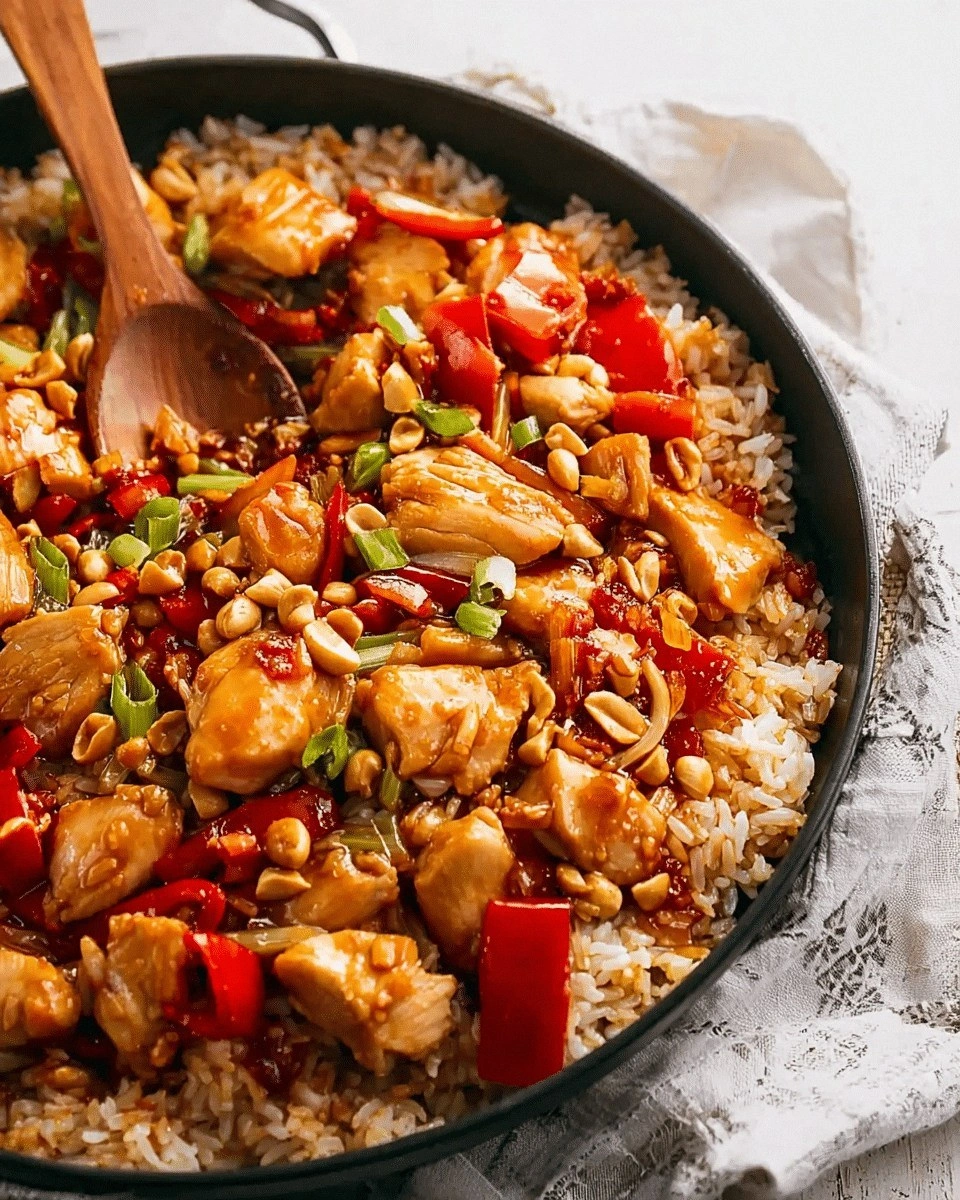
Imagine a sizzling pan, the sound of oil crackling like applause, a flash of red pepper dancing in the heat, and the sudden, sharp burst of Sichuan peppercorns that tickle the tongue. That’s the first sensory symphony of this dish. The colors—deep red of the chilies, glossy sheen of soy, bright green scallions—paint a canvas that’s almost too pretty to eat. The texture is a delightful paradox: tender chicken, crunchy peanuts, and a sauce that clings like velvet. Each bite is a micro‑adventure that takes you from the first bite to the last with an electric rush of flavor.
What sets this version apart is not just the ingredients, but the way they’re orchestrated. I’ve trimmed the recipe to its purest elements, removed the unnecessary, and added a few game‑changing tweaks that elevate it to hands‑down the best version you’ll ever make at home. Think of it as a culinary remix: the original beat stays, but the rhythm is sharper, the bass deeper, and the finish longer. Picture yourself pulling this out of the pan, the whole kitchen smelling incredible, and knowing you’ve just created a masterpiece.
I’ll be honest—when I first cooked this, I ate half the batch before anyone else got to taste it. The combination of soy, hoisin, and a splash of rice vinegar creates a sauce that coats the chicken like silk, while the toasted peanuts add a satisfying crunch that shatters like thin ice. The only thing that could have made it better? A pinch of fresh ginger and a dash of sesame oil for that final glossy finish. If you’ve ever struggled with a dish that feels “good but not great,” you’re not alone—this is the fix.
Most recipes get this completely wrong by over‑stirring the sauce or using the wrong cut of chicken. Here’s what actually works: use boneless, skinless thighs for moisture, a cornstarch slurry for that silky thickness, and a quick blanch of the peppers to keep them crisp. The secret sauce is a balance of sweet, salty, and a touch of heat that keeps the palate engaged. This is pure magic when you taste it. Stay with me here—this is worth it.
The moment the chicken hits the pan, the sizzle is absolute perfection. The oil should shimmer, the heat should be high enough to sear without steaming. That’s the cue to let the chicken brown, not to stir constantly. The next step is where the flavor layers begin to unfold—each ingredient is added with purpose. I’ll guide you through each stage, and by the end, you’ll wonder how you ever made it any other way.
If you’ve ever wondered why some Kung Pao dishes feel flat, it’s because they miss the “wow” factor in the sauce’s texture and the crunch of the nuts. I’ve perfected the balance between tender and crunchy, sweet and savory, spicy and aromatic. The result is a dish that feels both comforting and exciting, like a familiar song with a fresh new chorus. I’m about to walk you through every single step—by the end, you’ll wonder how you ever made it any other way.
Now, let’s dive into the specifics. From the moment you open the fridge to the final plating, each detail is crucial. I’ll share micro‑challenges, bold claims, and practical hacks that will turn your kitchen into a Kung Pao powerhouse. Ready? Let’s get cooking.
What Makes This Version Stand Out
- Flavor: The sauce is a harmonious blend of umami, sweetness, and a subtle heat that lingers without overpowering.
- Texture: Crispy peanuts and slightly caramelized peppers contrast beautifully with succulent chicken.
- Ingredient Quality: Using fresh, high‑grade soy sauce and premium peanuts elevates the dish beyond ordinary.
- Simplicity: The recipe requires only a few pantry staples and a single pan—no fancy gadgets or long prep.
- Time: From prep to plate, it takes less than 45 minutes, making it a perfect weeknight win.
- Make‑ahead: The sauce can be pre‑made and stored, so you can assemble the dish in just minutes.
- Versatility: Swap the peanuts for cashews or add tofu for a vegetarian version.
- Presentation: The dish bursts with color, making it Instagram‑ready and crowd‑pleasing.
Alright, let’s break down exactly what goes into this masterpiece. Each component plays a role, from the aromatic base to the final garnish. The next section will walk you through the ingredient groups, why each matters, and what happens if you skip them.
Inside the Ingredient List
The Flavor Base
The foundation of any great sauce is the flavor base. In this Kung Pao, it’s a trio of soy sauce, hoisin sauce, and rice vinegar. Soy sauce brings depth and umami; hoisin adds a subtle sweetness and thickness; rice vinegar cuts through the richness with bright acidity. Together, they create a sauce that coats the chicken like velvet, while the vinegar ensures the dish doesn’t feel heavy. If you skip hoisin, the sauce will lack body; if you omit vinegar, you’ll end up with a cloying sweetness.
I recommend using a good quality Chinese soy sauce—look for one with a balanced salt content and no added MSG. If you’re on a sodium budget, you can reduce the soy sauce by a tablespoon and compensate with a splash of water or broth. For a vegan version, substitute the hoisin with a plant‑based sweet soy sauce and use tamari instead of regular soy.
The Texture Crew
Texture is the unsung hero of this dish. The diced chicken thighs provide juicy bite, while the roasted peanuts deliver crunch that shatters like thin ice. The bell pepper adds a sweet snap, and the scallions bring a fresh, peppery finish. Each element is prepped to maintain its distinct feel throughout the cooking process.
If you skip the peanuts, the dish loses its signature crunch and nutty undertone. A common mistake is over‑cooking the peppers; keep them bright and crisp by sautéing them last and for just a minute or two. For a gluten‑free version, ensure the hoisin sauce is gluten‑free, and use a cornstarch slurry instead of wheat flour for thickening.
The Unexpected Star
Sichuan peppercorns are the unexpected star that gives Kung Pao its signature numbing heat. Ground to a fine powder, they release a citrusy, floral aroma that lingers on the palate. A pinch of fresh ginger and a clove of garlic add depth and balance the heat with their bright, sharp notes.
If you can’t find Sichuan peppercorns, try a combination of black pepper and a dash of citrus zest. The key is to keep the heat subtle; too much peppercorn can overwhelm the dish. I’ve found that roasting the peppercorns for a minute before grinding maximizes their flavor and reduces any bitterness.
The Final Flourish
The final flourish is the finishing touch that ties everything together: a drizzle of sesame oil, a sprinkle of scallions, and a splash of rice vinegar to brighten. The sesame oil adds a nutty aroma that elevates the dish, while the scallions provide a fresh, green contrast to the deep reds and browns. A quick splash of water or broth before reheating keeps the sauce from drying out.
If you skip the sesame oil, the dish will feel flat; the scallions are essential for that bright, green pop that signals freshness. The water splash is a small trick that many overlook, but it makes a big difference in texture and flavor when reheating.
Everything’s prepped? Good. Let’s get into the real action.
The Method — Step by Step
- Start by heating a tablespoon of vegetable oil in a large skillet or wok over medium‑high heat. When the oil shimmers, add the diced chicken thighs in a single layer. Let them sear for 3–4 minutes on each side, until golden brown and no longer pink inside. This creates a caramelized crust that locks in moisture and adds depth of flavor.
- While the chicken cooks, prepare a quick slurry: whisk 1 tablespoon of cornstarch with 1 tablespoon of cold water until smooth. This will be used to thicken the sauce later. Also, toast the Sichuan peppercorns in a dry pan for 1 minute until fragrant, then grind them with a mortar and pestle or spice grinder.
- Add the minced garlic, ground ginger, and chili flakes to the pan. Stir quickly to prevent burning, and let the aromatics bloom for 30 seconds. The sizzling sound is a sign that the oils are hot enough to release the full spectrum of flavors.
- Introduce the diced bell pepper and the peanuts, stirring constantly for 2 minutes. The peppers should keep their bright color, and the peanuts should toast lightly, releasing their nutty aroma. This step is the moment of truth—if you rush it, the peppers will lose their crunch.
- Pour in the soy sauce, hoisin sauce, rice vinegar, and the prepared slurry. Stir to coat the chicken and vegetables evenly. Allow the mixture to simmer for 3–4 minutes, until the sauce thickens and coats the ingredients like a glossy coat. The sauce should have a slight sheen and a velvety texture.
- Reduce the heat to low and let the mixture simmer for 2 minutes, allowing the flavors to meld. Then drizzle the sesame oil and sprinkle the scallions over the top. This final flourish adds a nutty aroma and a fresh burst of green that brightens the dish.
- Serve the Kung Pao over a bed of fluffy jasmine rice, spooning the sauce over the top. Garnish with additional scallions if desired. The rice absorbs the sauce, creating a harmonious blend of textures and flavors. The dish is now ready to be devoured.
- If you have leftovers, store them in an airtight container in the refrigerator for up to 3 days. Reheat gently in a skillet over low heat, adding a splash of water to rehydrate the sauce. The dish will taste as good as when it was first made.
That’s it — you did it. But hold on, I’ve got a few more tricks that will take this to another level.
Insider Tricks for Flawless Results
The Temperature Rule Nobody Follows
Many cooks lower the heat too early, causing the sauce to thicken prematurely. Keep the heat high until the sauce starts to bubble, then reduce to medium‑low. This ensures a glossy, silky coating without a grainy texture. I’ve seen beginners over‑cook the sauce, resulting in a sticky mess that’s hard to salvage.
Why Your Nose Knows Best
Your nose is your best judge of doneness. When the chicken is fully cooked, it should emit a rich, savory aroma that’s not too oily. If the smell is faint, give it a couple more minutes. The same rule applies to the sauce—if it’s too thin, let it reduce; if it’s too thick, add water.
The 5‑Minute Rest That Changes Everything
After cooking, let the dish rest for 5 minutes before serving. This allows the flavors to meld and the sauce to thicken naturally. It also gives the peanuts a chance to cool slightly, preventing them from sticking to the pan. I’ve found that this simple step elevates the dish from good to unforgettable.
The Peanut Power Play
Use unsalted, dry‑roasted peanuts for the best flavor. If you prefer a crunchier texture, toast the peanuts in a dry skillet until golden before adding them. The nuts should be toasted just before the final stir to keep them from becoming soggy.
The Sauce Swap
If you’re craving a sweeter sauce, add a teaspoon of honey or maple syrup. For a spicier kick, incorporate fresh chilies or a dash of chili oil. The sauce is modular—feel free to experiment while keeping the core balance of sweet, salty, and spicy.
Creative Twists and Variations
This recipe is a playground. Here are some of my favorite ways to switch things up:
Crispy Tofu Kung Pao
Replace the chicken with cubed tofu, pan‑fry until golden, then proceed with the same sauce. The tofu absorbs the sauce beautifully, creating a hearty vegetarian version.
Peanut Butter Fusion
Stir in a tablespoon of creamy peanut butter at the end for a richer, nuttier sauce. The butter adds a silky mouthfeel that pairs well with the crunchy peanuts.
Thai Twist
Swap the hoisin sauce for a sweet chili sauce and add a splash of fish sauce. The result is a bright, tropical flavor profile that’s perfect for summer.
Seafood Surprise
Use shrimp or scallops instead of chicken. The seafood cooks quickly, so add it last and let it steam in the sauce for 2 minutes.
Low‑Carb Version
Serve over cauliflower rice and use a sugar‑free hoisin sauce. This keeps the dish keto‑friendly while preserving the iconic flavors.
Storing and Bringing It Back to Life
Fridge Storage
Cool the dish completely before placing it in an airtight container. Store in the refrigerator for up to 3 days. The sauce may thicken slightly; a splash of water or broth when reheating restores its silky texture.
Freezer Friendly
Freeze the dish in a freezer‑safe container for up to 2 months. Thaw overnight in the refrigerator, then reheat gently. The sauce may separate; whisk vigorously to recombine.
Best Reheating Method
Reheat in a skillet over medium heat, adding a small splash of water to keep the sauce moist. Stir constantly until heated through. The dish will taste as good as when freshly made.