Picture this: I’m standing in a kitchen that smells like burnt toast, the lights flicker, and the timer on my phone blares 2 minutes to the end of a half‑cooked chicken. I’m staring at a stack of over‑seasoned, dry salmon fillets that look like they’ve been through a desert. That night, my friend dared me to turn that culinary catastrophe into a dish that would make the entire dinner table swoon. I was skeptical, but the idea of rescuing the salmon and turning it into something that could be called “the ultimate” had me grinning like a kid at a carnival.
The moment I laid the fish on the skillet, the sizzle was a crisp, metallic applause that echoed through the kitchen. The aroma that unfurled—rich olive oil, garlic, and sun‑dried tomatoes—was like a fragrant handshake, inviting every sense to join the party. I could almost taste the buttery, silky sauce that would coat the fillets, and I could feel the heat radiating from the pan, promising a caramelized crust that would crack like thin ice when I pressed it. The sound of the sauce bubbling was a comforting lullaby, and the visual of the salmon turning from raw pink to a golden, almost translucent center was a silent triumph. I could already hear the clink of forks and the appreciative sighs that would follow.
What makes this version stand out from every other salmon recipe is the marriage of creamy decadence with a punch of sun‑dried tomato intensity. The sauce is so luxuriously thick that it coats the fish like velvet, yet the tomatoes provide a bright, almost citrusy zing that cuts through the richness. I dared you to taste this and not go back for seconds—trust me, you won’t. The result is a dish that feels like a hug, a comforting yet daring adventure in every bite. If you’ve ever struggled to make salmon taste exciting, you’re not alone, and this recipe is the fix you’ve been waiting for.
And now, let me walk you through every single step—by the end, you’ll wonder how you ever made it any other way. This isn’t just a recipe; it’s an experience that will turn your kitchen into a stage, your taste buds into critics, and your friends into raving fans. Ready? Let’s dive into the magic.
What Makes This Version Stand Out
- Bold Flavor: The sun‑dried tomatoes bring a concentrated burst of umami that elevates the dish beyond ordinary salmon. They add a subtle sweetness and depth that pairs perfectly with the cream and Parmesan.
- Velvet Texture: The sauce’s silky consistency coats the fillets like a satin blanket, creating a mouthfeel that feels both indulgent and comforting.
- Balanced Heat: A pinch of red pepper flakes gives a gentle kick without overpowering the delicate fish, ensuring every bite has a memorable warmth.
- Effortless Prep: All ingredients are ready to use, and the cooking process takes less than 45 minutes from start to finish—perfect for busy weeknights.
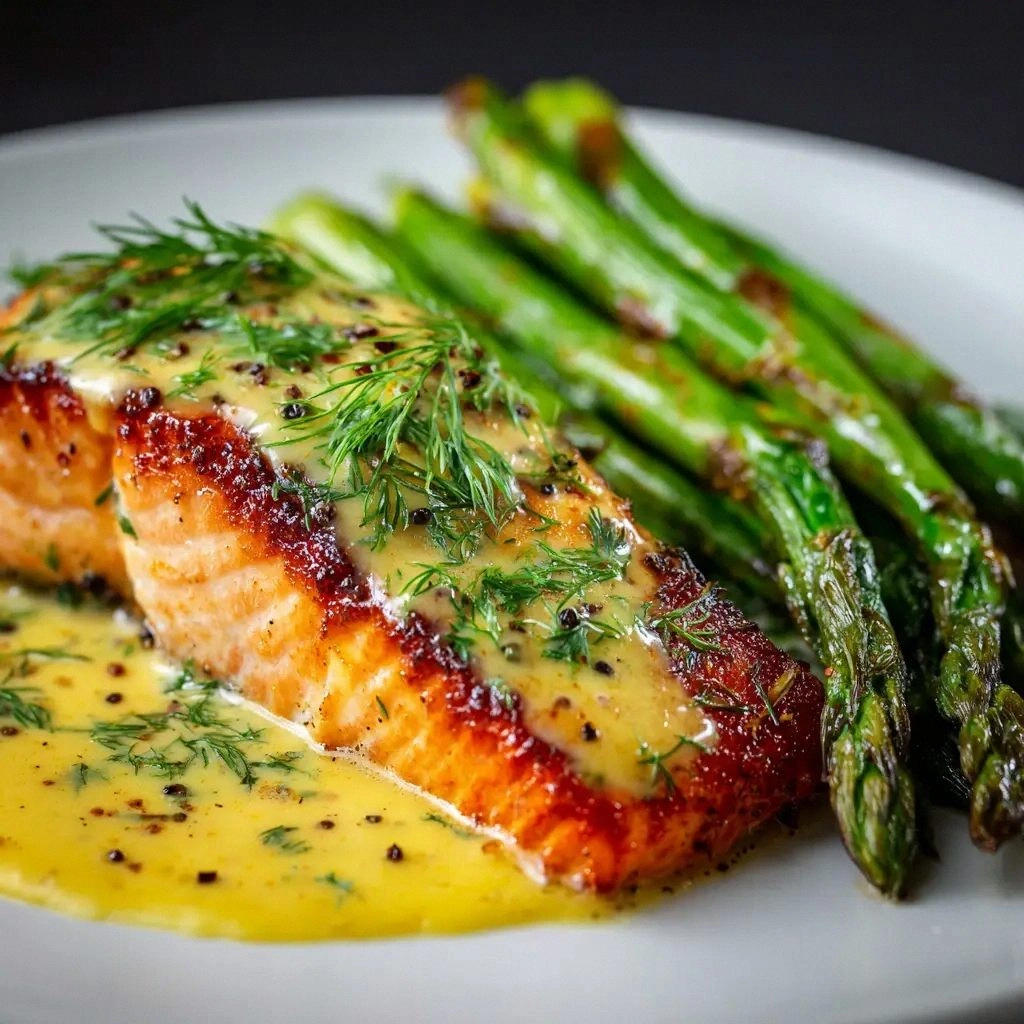
- Show‑stopper Presentation: The golden crust and bright green basil garnish transform the plate into a visual masterpiece that will impress even the most discerning guests.
- Make‑Ahead Friendly: The sauce can be prepared a day ahead, letting the flavors meld while you focus on other dinner preparations.
Alright, let's break down exactly what goes into this masterpiece. I’ll be honest—if you think this is just another salmon dish, you’re about to have your mind blown.
Inside the Ingredient List
The Flavor Base
The olive oil is the first hero of this dish, acting as the canvas that brings all the flavors together. It provides a subtle nutty undertone and helps the garlic release its aromatic oils. Skipping it would result in a flat, lifeless sauce that lacks the depth of flavor you crave. If you’re looking for a lighter version, you can substitute a splash of extra‑virgin olive oil with a neutral oil like grapeseed, though the finish will be slightly less robust.
The Texture Crew
Heavy cream is the backbone of the sauce, giving it that luxurious, silky mouthfeel. The Parmesan cheese adds a savory crunch when it melts, creating a subtle contrast against the smoothness of the cream. Together, they form a sauce that clings to the salmon like a velvet blanket. If dairy isn’t your thing, a coconut cream can mimic the richness, though the flavor profile will shift toward a tropical note.
The Unexpected Star
Sun‑dried tomatoes in oil bring a concentrated burst of sweetness and acidity that cuts through the richness of the cream. Their chewy texture adds a pleasant bite that keeps each mouthful exciting. If you’re in a pinch, you can use sun‑dried tomatoes packed in water, but you’ll need to drain and pat them dry to avoid a watery sauce. Their bright color also adds a visual pop that makes the dish instantly Instagram‑worthy.
The Final Flourish
Fresh basil is the final touch that adds a burst of green freshness, balancing the heavy components. It also brings a subtle peppery note that lifts the overall flavor profile. A pinch of red pepper flakes provides a gentle heat that lingers on the palate. If you’re not a fan of heat, simply omit the flakes; the dish remains deliciously balanced.
Everything's prepped? Good. Let's get into the real action. I promise you, the kitchen will smell like a Mediterranean garden, and your guests will be begging for the recipe.
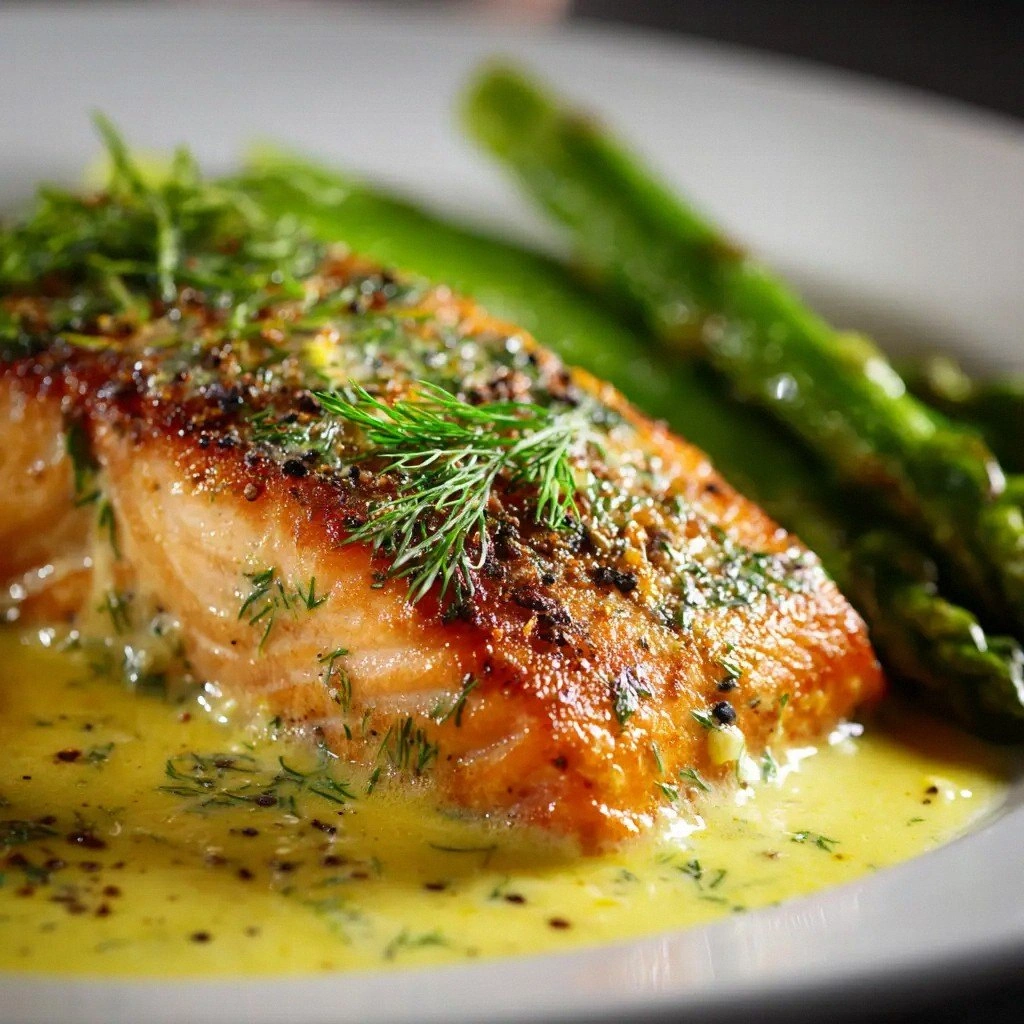
The Method — Step by Step
- Heat a large skillet over medium‑high heat and drizzle the olive oil, swirling it until it shimmers. As the oil warms, the pan should emit a faint scent of toasted oil—this is your cue that the heat is just right. Add the salmon fillets, skin side down, and let them sear without moving for about 4 minutes. The skin should crisp to a golden brown, creating a satisfying crackle that signals the fish is starting to cook. Flip the fillets and let them cook for another 3 minutes, then set them aside.
- In the same skillet, lower the heat to medium and add the minced garlic. Sauté for 30 seconds, watching for that aromatic perfume that fills the kitchen. The garlic should turn a light golden hue, not brown, to avoid bitterness. Add the sun‑dried tomatoes and cook for an additional minute, allowing them to release their oil and soften slightly. This step builds the flavor foundation for the sauce.
- Pour in the heavy cream, stirring gently to combine all the ingredients. The mixture should thicken slightly and begin to bubble, indicating the cream is heating through. Add the chicken broth to thin the sauce just enough so it coats the salmon without becoming runny. This balance is crucial for that silky, non‑greasy finish. Let the sauce simmer for 2 minutes, allowing the flavors to meld together.
- Stir in the Parmesan cheese and red pepper flakes, watching the cheese melt into a glossy, creamy ribbon. The sauce should coat the back of a spoon, indicating it’s rich but not overly thick. Taste and adjust the seasoning with salt and black pepper, remembering that the Parmesan already contributes saltiness. A pinch of pepper will give the sauce a subtle heat that lingers on the palate. Keep the sauce at a gentle simmer.
- Return the salmon fillets to the skillet, spooning some of the sauce over each piece. The fish should be almost translucent in the center, with a golden crust on the outside. Cook for an additional 2 minutes, allowing the salmon to finish steaming in the sauce. This step ensures the fillets stay moist and tender. The sauce should be thick enough to cling to the fish, not run off.
- Before serving, give the sauce a final stir to re‑incorporate any settled Parmesan. If the sauce seems too thick, add a tablespoon of water or more broth to reach the desired consistency. The final sauce should be glossy and cling to the fillets like a silky blanket. This is the moment of truth—watch the salmon shine under the sauce’s golden sheen. The aroma should be intoxicating, a promise of a flavor explosion.
- Plate the salmon fillets on warm dishes, spooning generous amounts of sauce over the top. Garnish with fresh basil leaves for a pop of color and a hint of peppery freshness. A final sprinkle of grated Parmesan adds a subtle crunch and a savory finish. Serve immediately, ensuring the sauce remains glossy and the salmon stays warm. The dish is now ready to dazzle.
That's it — you did it. But hold on, I've got a few more tricks that'll take this to another level. These insider secrets will make your salmon the talk of the town, and trust me, your guests will be asking for the recipe.
Insider Tricks for Flawless Results
The Temperature Rule Nobody Follows
Many cooks think that high heat is always better, but salmon thrives at medium‑high. The goal is a golden crust without drying out the interior. Keep the skillet at a steady temperature; if the oil starts smoking, lower the heat slightly. A quick test is to drop a small piece of fish into the pan—if it sizzles and stays in place, you’re at the right level. This simple adjustment ensures a moist, flavorful center.
Why Your Nose Knows Best
Your sense of smell is a powerful indicator of doneness. When the sauce starts to thicken and emit a nutty, buttery aroma, it’s a sign that the Parmesan has melted and the flavors have melded. A subtle hint of garlic should still be present, but not overpowering. Trust your nose, and you’ll never overcook or underseason.
The 5‑Minute Rest That Changes Everything
After cooking, let the salmon rest for 5 minutes before cutting into it. This allows the juices to redistribute, keeping the fillets tender and juicy. The sauce also settles, making it easier to serve. Skipping this step may result in a dry texture that feels like a disappointment.
The Perfect Plate
Presentation is key. Use a white or light‑colored plate to let the salmon’s golden crust pop. A drizzle of sauce around the edges adds a visual flourish. Garnish with a sprig of basil or a lemon twist for an extra pop of color. The plate should feel balanced, not overcrowded.
The Freshness Factor
Use the freshest salmon you can find—wild‑caught fillets offer a cleaner flavor compared to farmed. The fresher the fish, the less likely it will have a fishy undertone. If you’re buying pre‑seasoned salmon, double‑check the seasoning to avoid over‑salting the dish.
The Leftover Solution
If you have leftovers, store them in an airtight container in the fridge for up to 2 days. Reheat gently in a skillet with a splash of cream to keep the sauce silky. Avoid microwaving, as it can make the fish rubbery and the sauce watery. When reheated, the basil’s aroma will return, making it feel like a fresh plate.
Creative Twists and Variations
This recipe is a playground. Here are some of my favorite ways to switch things up:
Mediterranean Twist
Swap the sun‑dried tomatoes for roasted red peppers and add a splash of white wine to the sauce. The wine imparts a subtle acidity that brightens the dish. This version pairs wonderfully with a side of quinoa or couscous, adding a hearty texture that complements the salmon.
Spicy Cajun Kick
Replace the red pepper flakes with Cajun seasoning and add a dash of hot sauce. The smoky heat will transform the dish into a bold, savory experience. Serve over a bed of buttery rice to absorb the fiery sauce.
Herb‑Infused Delight
Introduce a handful of chopped parsley, thyme, and oregano to the sauce for an herbal burst. The herbs bring a fresh, green flavor that balances the richness of the cream. This variation is perfect for a light summer dinner.
Coconut Cream Variation
Use coconut cream instead of heavy cream for a tropical twist. The subtle coconut flavor pairs surprisingly well with the sun‑dried tomatoes. Add a pinch of lime zest to brighten the dish and create a vibrant, exotic profile.
Vegetarian Version
Replace the salmon with thick slices of marinated tofu or tempeh. Marinate in soy sauce, garlic, and ginger before searing. The tofu will absorb the creamy sauce, creating a vegetarian main that still feels indulgent.
Low‑Carb Alternative
Serve the salmon over a bed of sautéed spinach or cauliflower rice instead of pasta. The greens add a fresh, earthy note that complements the creamy sauce. This option keeps the dish keto‑friendly while maintaining its luxurious feel.
Storing and Bringing It Back to Life
Fridge Storage
Store any leftover sauce and salmon separately in airtight containers for up to 2 days. Keep the sauce in a shallow container so it doesn’t become too thick. When ready to serve, reheat the sauce gently on the stove, whisking occasionally to restore its silky texture. The salmon can be reheated in a skillet with a splash of cream to keep it moist.
Freezer Friendly
For longer storage, freeze the sauce and salmon separately in freezer‑safe bags. Label them with the date to keep track. When thawing, let the sauce sit at room temperature for 30 minutes, then reheat over low heat. The salmon can be reheated directly from frozen, but it may need a few extra minutes to warm through.
Best Reheating Method
The secret to reheating is to add a tiny splash of water or broth before heating. This steams the sauce back to its original silky consistency. Gently warm the salmon in a skillet, covering it to trap moisture. Serve immediately to preserve the golden crust and fresh basil aroma.