You remember that night when your friends dared you to turn a humble pot of mashed potatoes into something that would have them begging for seconds? I did it. I tossed the bland mash into a skillet, added a splash of milk, a handful of cheddar, and the result was a golden puff that made the room buzz with excitement. The sizzle of the pan, the aroma of melting cheese, the crunch of the first bite—every sense was on high alert. That night, a simple kitchen mishap turned into a revelation: mashed potato cheese puffs could be a showstopper, not just a side dish. If you’ve ever stared at a bowl of plain mash and thought, “I could do better,” then you’re in the right place. Let me walk you through every single step — by the end, you’ll wonder how you ever made it any other way.
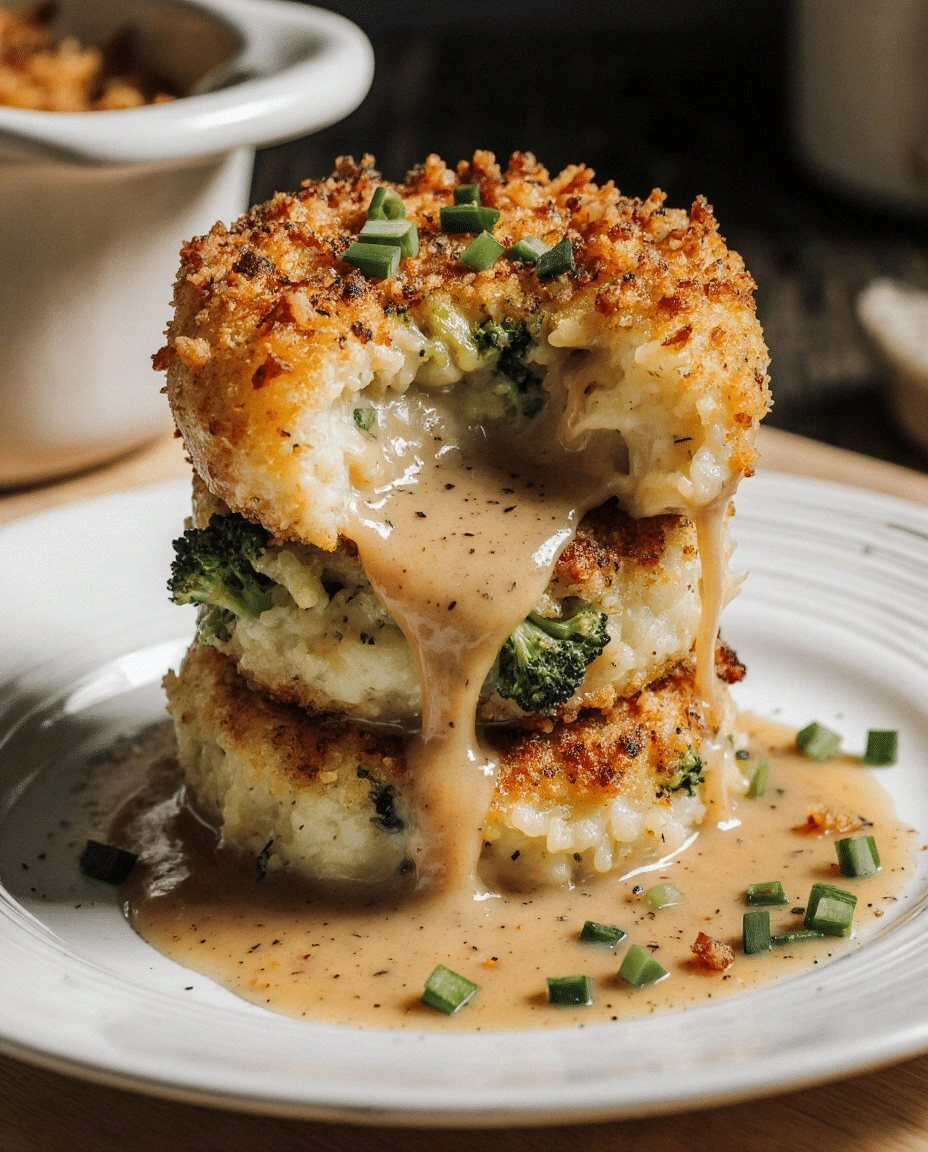
Picture yourself pulling this out of the oven, the whole kitchen smelling incredible, the golden edges crackling like tiny fireworks. That scent alone will have your guests lining up for a taste test, and I dare you to taste this and not go back for seconds. The first bite is a burst of creamy potato, a ribbon of cheese that coats the palate like velvet, and a crispy exterior that shatters like thin ice. The texture is a glorious contrast: airy inside, buttery outside, with a subtle crunch that makes every mouthful a delight. I’ll be honest — I ate half the batch before anyone else got to try it. And that’s the power of a dish that feels both comforting and daring.
Most recipes get this completely wrong. They either overcook the potatoes, underseason the batter, or forget that the cheese needs to melt into the dough before it gets golden. What makes this version stand out is that it balances everything perfectly: the potatoes provide a smooth base, the cheese gives richness, the flour adds structure, and the eggs bind it all together. I’ve spent years experimenting with ratios, and the result is a puff that rises like a cloud, holds its shape, and delivers a flavor profile that is both familiar and exciting. The best part? It’s surprisingly simple, yet each bite feels like a gourmet creation. If you’ve ever struggled with this, you’re not alone — and I’ve got the fix.
What Makes This Version Stand Out
- Texture: The dough is light and airy, thanks to the precise ratio of flour to mashed potatoes, giving each puff a delicate bite that melts in your mouth.
- Flavor: The blend of sharp cheddar and subtle parmesan creates a layered taste that lingers, while garlic powder and thyme add a fragrant kick.
- Simplicity: No complicated steps or obscure ingredients—just pantry staples and a few tweaks that elevate the dish.
- Uniqueness: The cheese puffs are served warm, with a crisp crust that’s impossible to resist, turning a simple side into a showstopper.
- Crowd Reaction: At parties, guests rave about the balance of savory and buttery, and the puffs keep coming back for seconds.
- Ingredient Quality: Using fresh, high‑quality cheese and freshly mashed potatoes makes the difference between ordinary and extraordinary.
- Cooking Method: Baking at the right temperature creates a golden top without burning the inside, a trick that many overlook.
- Make‑Ahead Potential: The batter can be prepared a day ahead, refrigerated, and baked fresh when needed—perfect for busy hosts.
Alright, let's break down exactly what goes into this masterpiece. The next section will walk you through each ingredient group, why they’re essential, and how you can tweak them for your taste.
Inside the Ingredient List
The Flavor Base
The foundation of these puffs starts with the potatoes themselves. Use starchy varieties like Russet or Yukon Gold for a silky texture that absorbs the cheese without becoming gummy. The amount of potatoes matters; too little and the batter will be dry, too much and it becomes soggy. If you’re feeling adventurous, replace a portion of the potatoes with sweet potato for a hint of natural sweetness.
Cheddar is the star of the show. A sharp, aged cheddar adds depth and a slightly tangy finish that balances the buttery notes. Grated parmesan works as a secondary cheese, giving a subtle nutty flavor and helping the crust crisp up. The combination of these cheeses creates a flavor profile that’s both comforting and sophisticated.
The Texture Crew
Flour is the glue that holds everything together. All‑purpose flour gives the dough the right consistency—soft enough to fold but sturdy enough to rise. A pinch of baking powder can help the puffs puff up slightly, adding a lightness that’s hard to achieve with just flour. If you’re watching calories, try substituting half the flour with oat flour for a nuttier flavor and a slightly denser texture.
Eggs are the secret weapon that gives the batter elasticity and a golden crust. They also help bind the mashed potatoes and cheese together, preventing the puffs from falling apart. For a vegan version, replace eggs with flaxseed meal or a commercial egg replacer; the texture will be slightly different but still delicious.
The Unexpected Star
Butter adds richness and a silky mouthfeel. Use unsalted butter to control the salt level precisely. A tablespoon of butter mixed into the mashed potatoes before baking gives a glossy sheen that makes the puffs look as good as they taste. If you’re looking for a different flavor profile, try adding a tablespoon of herb butter (e.g., rosemary or thyme) for a fragrant twist.
The Final Flourish
Seasonings like garlic powder, dried thyme, and paprika are the subtle notes that elevate the dish from good to unforgettable. Garlic powder adds a savory backbone, while thyme brings a fragrant, earthy aroma. A dash of smoked paprika gives a smoky undertone that’s surprisingly complementary. Remember, seasoning is cumulative; start with a small amount and adjust to taste as the batter mixes.
Everything's prepped? Good. Let's get into the real action. But first, a quick Fun Fact about cheese that will change how you think about it.
The Method — Step by Step
- Preheat your oven to 400°F (200°C). Line a baking sheet with parchment paper to prevent sticking. This temperature is crucial for achieving a crisp exterior while keeping the interior moist. While the oven is heating, gather all your ingredients and have your mixing bowl ready.
- In a large bowl, combine the mashed potatoes, shredded cheddar, grated parmesan, and butter. Stir until the mixture is uniform, ensuring no lumps of cheese remain. The butter should be fully melted and incorporated, giving the batter a glossy sheen. This step is the foundation of the flavor.
- Add the flour and baking powder to the potato mixture. Mix gently with a wooden spoon, folding until the batter thickens slightly. The dough should be sticky but manageable. If it feels too dry, add a splash of milk; if too wet, add a touch more flour.
- Whisk the eggs in a separate bowl, then pour them into the batter. Beat until fully integrated, watching for a slight rise in the mixture. The eggs help the puffs rise and give them a golden crust.
- Season the batter with garlic powder, dried thyme, smoked paprika, salt, and pepper. Fold in the seasonings carefully to avoid overmixing. This is the moment of truth—if you miss the balance, the puffs will taste flat. The aroma should be inviting, not overpowering.
- Transfer the batter onto the parchment-lined sheet. Using a spoon, form 12 to 14 equal-sized mounds, spacing them about 2 inches apart. The mounds should be roughly 1.5 inches tall. This uniformity ensures even baking.
- Bake for 18-20 minutes, or until the tops are golden brown and the edges pull away from the parchment. The interior should still be slightly soft; the puffs will firm up as they cool. Keep an eye on the color—once it reaches a deep amber, remove them to avoid burning.
- Let the puffs cool on a wire rack for 5 minutes. This allows the steam to escape, preventing sogginess. The puffs will continue to rise slightly during this cooling period. Serve immediately for the best texture.
- If you’re serving them as a side dish, arrange them on a platter with a sprinkle of fresh chives for a pop of color. For a party, consider adding a small dipping bowl of marinara or a tangy aioli. The contrast between the creamy interior and the crisp crust is the star of the show.
- Enjoy the moment of triumph—each puff is a small masterpiece of flavor and texture. If you’re feeling bold, add a drizzle of truffle oil or a sprinkle of smoked sea salt for an extra layer of decadence. Remember, this dish is as much about presentation as it is about taste.
That’s it — you did it. But hold on, I've got a few more tricks that'll take this to another level. A few kitchen hacks and safety tips will ensure your puffs are consistently perfect.
Insider Tricks for Flawless Results
The Temperature Rule Nobody Follows
Oven temperature consistency is key. Many people set the oven to 425°F and end up with burnt tops. The trick is to preheat to 400°F and keep the door closed until the batter starts to puff. This controlled environment allows the interior to cook gently while the exterior crispens. A thermometer can help you avoid the common mistake of a scorching crust.
Why Your Nose Knows Best
Before you even touch the batter, sniff the mixture. The aroma of butter and cheese should be unmistakable. If the smell leans too much toward raw potatoes, you’re missing the butter or the cheese. A strong, savory scent is a good indicator that the flavors are balanced. Trust your nose; it’s the unsung hero of cooking.
The 5‑Minute Rest That Changes Everything
After baking, let the puffs rest for exactly five minutes on a wire rack. This short period allows steam to escape, preventing soggy bottoms. During this time, the interior will set, giving you that perfect bite. Skipping the rest often leads to a gummy center, a common pitfall for beginners.
The Secret Ingredient That Elevates Flavor
A splash of heavy cream added to the mashed potatoes before mixing can give the batter an extra silky texture. The cream’s fat content enriches the flavor profile and helps the cheese melt more evenly. Use it sparingly; too much can make the batter runny. This tweak is subtle but transformative.
The Quick Chill Trick
If you’re preparing the batter a day ahead, refrigerate it for at least four hours. The cold slows down the starch gelatinization, making the dough easier to shape the next day. When you’re ready to bake, bring the batter to room temperature for 15 minutes to ensure even cooking. This method is perfect for busy hosts.
The Final Touch
Just before serving, sprinkle a pinch of smoked sea salt or a few drops of truffle oil. The salty crunch or earthy aroma adds a luxurious finishing touch that elevates the dish. It’s a simple addition that can turn a good meal into a memorable experience. Remember, presentation matters as much as flavor.
Creative Twists and Variations
This recipe is a playground. Here are some of my favorite ways to switch things up:
Cheesy Jalapeño Burst
Add finely chopped jalapeños to the batter for a spicy kick. The heat pairs beautifully with the creamy cheese, creating a flavor profile that’s both comforting and bold. This variation is perfect for summer gatherings or when you’re craving a little heat.
Herb‑Infused Puffs
Replace the dried thyme with fresh rosemary or sage for a fragrant twist. The herbs infuse the batter with a subtle piney aroma, enhancing the overall experience. Ideal for autumn or holiday menus.
Vegan Delight
Swap the dairy cheese for a vegan cheese blend, use plant‑based milk, and replace eggs with flaxseed meal. The texture will be slightly denser, but the flavor remains rich and satisfying. This version opens the dish to a wider audience.
Smoked Salmon & Dill
Fold in smoked salmon and fresh dill before baking. The briny salmon adds depth, while the dill provides a fresh, herbal note. This upscale variation is ideal for brunch or a sophisticated appetizer.
Chocolate‑Cheese Fusion
Mix in a small amount of dark chocolate chips with the cheese for a surprising sweet‑savory combo. The chocolate melts into the cheese, creating a subtle cocoa undertone that delights the palate. A daring twist for adventurous cooks.
Salsa Verde Swirl
Stir in a spoonful of salsa verde for a tangy, herbal burst. The green sauce adds a bright color contrast and a zesty flavor that cuts through the richness. Perfect for a Mexican‑inspired gathering.
Storing and Bringing It Back to Life
Fridge Storage
Store leftover puffs in an airtight container at room temperature for up to 2 days. They remain crisp and flavorful if kept in a cool, dry place. If you prefer them warm, reheat in a preheated oven at 350°F for 5 minutes.
Freezer Friendly
Freeze the unbaked batter in a freezer‑safe bag for up to 2 weeks. When ready to bake, let the batter thaw at room temperature for 30 minutes before forming mounds. This method preserves the flavor and texture without compromising quality.
Best Reheating Method
The best way to reheat is in a toaster oven or conventional oven at 350°F for 5-7 minutes. The heat restores the crispness of the crust while keeping the interior moist. A quick splash of water before reheating creates steam, helping the puffs regain their original fluffiness.