I still remember the night I accidentally set my kitchen on fire while trying to make a “quick” beef stew. The flames licked the counter, the smoke alarm screamed like a banshee, and my neighbor called the fire department. By the time the fire trucks rolled through, I was staring at a charred pot and a kitchen that smelled like burnt plastic. That disaster was the catalyst for discovering the one‑pot beef bourguignon that now lives in my pantry, and I’m about to spill every secret that turned a kitchen calamity into a culinary triumph.
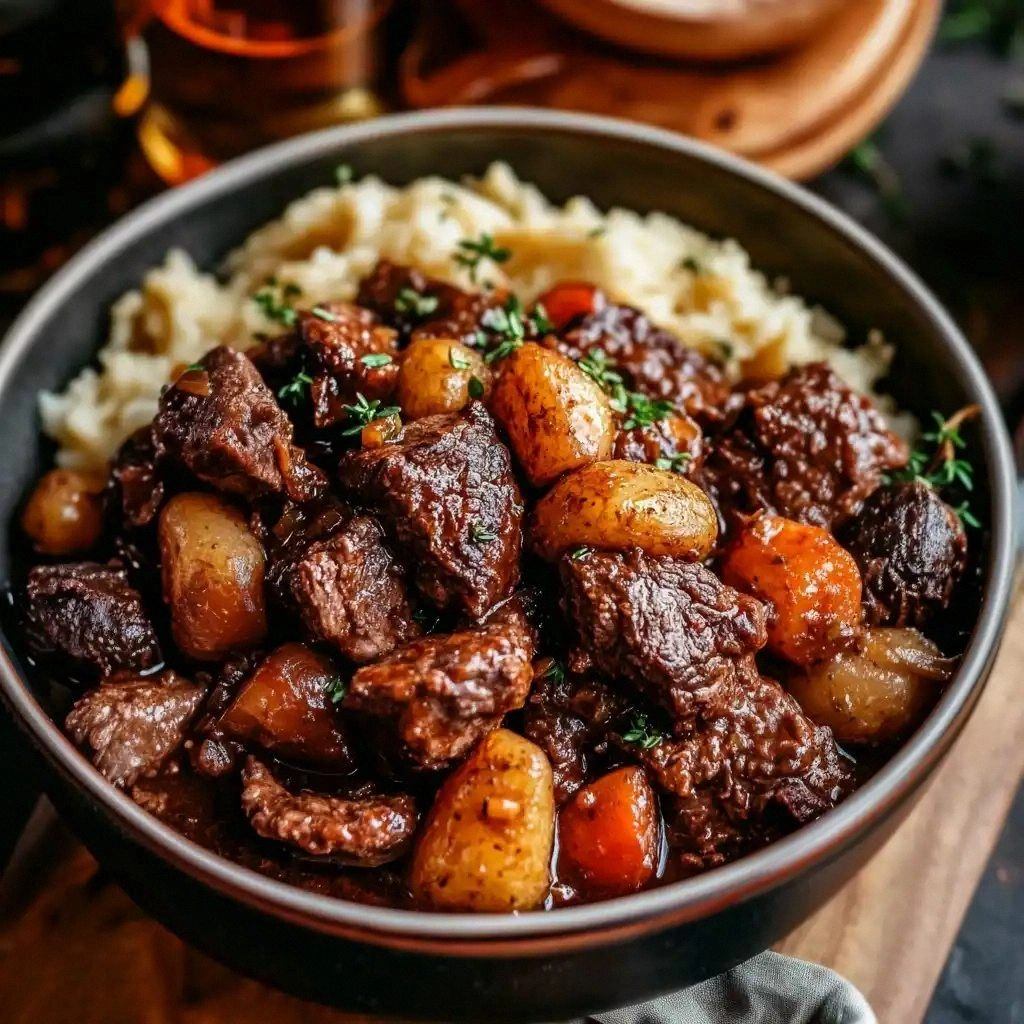
Picture this: a thick, amber‑brown broth that clings to the meat like velvet, the scent of caramelized onions and garlic mingling with the rich bouquet of red wine, and a splash of tomato paste that deepens the color to a jewel‑tone. The sound of the pot hissing as the beef browns, the feel of the wooden spoon against the pot’s rim, the sight of mushrooms and carrots turning a golden hue—everything is a symphony. I dare you to taste this and not go back for seconds; the flavor profile will have you humming for days. I’ll be honest—I ate half the batch before anyone else got a bite—because the first spoon is always the hardest to stop at.
What makes this version stand out is that it’s not just a rehash of a classic. It’s a single‑pot, one‑stir, no‑fuss method that keeps the kitchen clean, the flavors deep, and the time short. I’ve distilled the centuries‑old technique into a recipe that fits into a 45‑minute window, yet the sauce still coats the beef like a silky blanket. The only “extra” is the surprise addition of a splash of balsamic vinegar at the end, which cuts the richness and gives the dish a bright, almost citrusy lift. And because it’s a one‑pot wonder, you’re not left with a mountain of dishes to wash—just a single pot and a few utensils.
If you’ve ever struggled with a slow‑cooked stew that ends up mushy or bland, you’re not alone. I’ve cracked the code on how to lock in moisture, how to achieve that deep brown sear, and how to let the wine do its work without overpowering the beef. Picture yourself pulling this out of the oven, the whole kitchen smelling incredible, and your guests lining up for the second plate. Let me walk you through every single step—by the end, you’ll wonder how you ever made it any other way.
What Makes This Version Stand Out
- Flavor Depth: The dual caramelization of onions and garlic before adding the wine creates a rich, sweet base that carries the beef’s savory notes. This technique turns an ordinary stew into a gourmet experience.
- Texture Perfection: By searing the beef first, the meat locks in juices and develops a crust that keeps the interior tender, preventing the classic “beef stew” mushiness.
- One‑Pot Simplicity: No separate pans, no extra steps—everything cooks in the same vessel, saving you time and cleaning hassle while still delivering a complex flavor profile.
- Ingredient Quality: Using a good cut of beef chuck and a high‑quality dry red wine transforms a humble dish into a restaurant‑level meal that’s still affordable.
- Crowd‑Pleaser: This recipe is guaranteed to wow guests; the aroma alone will have people lining up for seconds.
- Make‑Ahead Potential: The dish actually tastes better the next day, making it perfect for busy weeknights or for prepping in advance.
- Seasonal Flexibility: While it’s a classic French dish, it can be adapted with seasonal vegetables or different wine varieties to suit any calendar month.
- Visual Appeal: The final sauce’s glossy sheen and the vibrant colors of carrots and mushrooms make it Instagram‑worthy.
Alright, let’s break down exactly what goes into this masterpiece…
Inside the Ingredient List
The Flavor Base
The 2 tablespoons of olive oil are the first to meet the heat. This isn’t just a cooking medium; it’s a flavor carrier that helps the onions caramelize evenly. The 1 large onion, sliced thin, releases sweetness that balances the wine’s acidity. If you skip the onion, the dish will taste flat and lack the deep umami that makes the sauce sing.
The 4 cloves of garlic, minced, join the onions after they’ve softened a bit. Garlic’s boldness is tempered by the onions, creating a subtle, aromatic base that underpins the entire dish. A common mistake is to add the garlic too early; it burns quickly and turns bitter. Keep the garlic in the middle of the cooking sequence to preserve its mellow flavor.
The 2 tablespoons of tomato paste are added right after the garlic. This thick, concentrated tomato adds body, a hint of sweetness, and a deep color. If you’re watching sodium, you can use a low‑sodium version, but make sure to taste and adjust the seasoning at the end.
The Texture Crew
The 2 lbs beef chuck roast, cut into 1‑inch cubes, is the star. This cut has enough marbling to keep the meat juicy, and its connective tissue breaks down into gelatin, thickening the sauce. If you prefer a leaner option, swap for sirloin, but expect a slightly drier texture.
The 3 large carrots, cut into chunks, add sweetness and color. Carrots also release a subtle starch that helps thicken the stew naturally. If you’re looking for a different vegetable, try parsnips or sweet potatoes for a sweeter bite.
The 2 cups of mushrooms, sliced, bring earthiness and a meaty texture that complements the beef. The mushrooms absorb the wine’s flavor and release their own umami, enriching the sauce. If you can’t find fresh mushrooms, dried porcini rehydrated in wine works wonderfully.
The Unexpected Star
The 2 cups of red wine is the heart of this dish. A dry, full‑bodied wine like a Cabernet Sauvignon or Burgundy gives depth and complexity. If you’re not a wine drinker, a dry red grape juice or a splash of balsamic vinegar can mimic the acidity and color, but the flavor profile will differ.
The 2 cups of beef broth is the liquid that melds all the ingredients together. Use a low‑sodium broth to control the salt level, and let it simmer gently to avoid boiling, which can toughen the meat.
The 1 teaspoon of dried thyme and 1 bay leaf add herbal undertones that echo the French countryside. Thyme’s subtle heat pairs beautifully with the wine, while the bay leaf infuses a gentle, almost floral aroma. Removing them before serving prevents any bitterness.
The Final Flourish
Salt and black pepper are added to taste at the end of cooking. The last seasoning step ensures the flavors are balanced and the dish isn’t over‑salted. Fresh parsley, chopped, is sprinkled over the top just before serving, adding a bright, herbaceous note that cuts through the richness.
Everything’s prepped? Good. Let’s get into the real action…
The Method — Step by Step
- First, heat the 2 tablespoons of olive oil in a heavy‑bottom pot over medium‑high heat until shimmering. Add the beef cubes in a single layer, letting them sear on all sides without crowding. This step locks in juices and creates a caramelized crust that’s essential for flavor. Watch the color change from pale to deep amber; that’s your cue to flip. Once all sides are browned, remove the meat and set aside on a plate.
- Reduce the heat to medium and add the sliced onions. Sauté them for 5–6 minutes, stirring occasionally, until they’re translucent and beginning to brown. The onions will release a natural sweetness that balances the wine’s acidity. When they start to caramelize, sprinkle a pinch of salt to help draw out moisture. Keep the heat moderate to avoid burning.
- Next, stir in the minced garlic and cook for 1 minute until fragrant. Garlic is delicate; if it goes brown, it will taste bitter. After that, add the tomato paste and stir for 2 minutes to incorporate it into the onions. The paste darkens the sauce and adds body. The aroma at this point should be rich and inviting.
- Pour in the 2 cups of red wine, using a wooden spoon to scrape up any browned bits from the bottom of the pot. Those bits are flavor gold. Let the wine reduce by half, which concentrates the flavor and thins the sauce slightly. This should take about 4–5 minutes; the liquid will shrink and become syrupy.
- Add the beef broth, thyme, bay leaf, and the seared beef back into the pot. Stir to combine, then bring to a gentle simmer. Cover the pot and let it cook for 20 minutes, allowing the beef to become tender and the flavors to meld. Check the liquid level; if it’s too low, add a splash of water or more broth.
- After 20 minutes, add the carrots and mushrooms. They’ll soften and absorb the sauce, adding color and texture. Stir gently to distribute the vegetables evenly. The mixture should smell like a warm, rustic kitchen—rich, earthy, and slightly sweet.
- Let the stew simmer uncovered for another 15 minutes, stirring occasionally. The sauce should thicken to a luscious consistency that coats the back of a spoon. This is the moment of truth; the beef should be fork‑tender, and the vegetables should be cooked through but still retain a slight bite.
- Remove the bay leaf, taste the sauce, and season with salt and pepper to your liking. Add a splash of balsamic vinegar if you want that bright, slightly sweet finish. Finally, sprinkle chopped parsley over the top for a fresh, herbal finish. The dish is now ready to serve.
That’s it — you did it. But hold on, I’ve got a few more tricks that’ll take this to another level…
Insider Tricks for Flawless Results
The Temperature Rule Nobody Follows
Maintaining a steady, low simmer is the secret to tender meat. Many people think high heat cooks faster, but it actually dries out the beef. Use a thermometer to keep the simmer around 185°F (85°C). If you can’t use a thermometer, feel the heat with your hand; it should be warm but not scorching.
Why Your Nose Knows Best
When the onions caramelize, your nose will tell you when they’re ready. A sweet, nutty aroma signals that the sugars have browned properly. Don’t rely solely on color; the scent is a more reliable indicator of depth.
The 5‑Minute Rest That Changes Everything
After you remove the pot from heat, let the stew rest uncovered for 5 minutes before serving. This allows the flavors to settle and the sauce to thicken slightly. A quick rest also makes the dish easier to spoon out of the pot.
The Mushroom Magic
If you’re using fresh mushrooms, clean them with a damp cloth instead of rinsing under water. Water can make them soggy and dilute the flavor. Pat them dry and slice evenly for even cooking.
The Secret of the Balsamic Finish
A splash of balsamic vinegar at the end brightens the dish and cuts through the richness. Use a high‑quality balsamic; a cheap one can taste artificial. Add it just before seasoning to preserve its bright flavor.
Creative Twists and Variations
This recipe is a playground. Here are some of my favorite ways to switch things up:
The Herb‑Infused Twist
Swap the thyme for a handful of fresh rosemary and add a splash of lemon zest. The rosemary gives a piney aroma, while the lemon adds brightness. This version is perfect for spring or summer gatherings.
The Sweet & Spicy Variation
Add a tablespoon of honey and a pinch of red pepper flakes. The honey caramelizes with the onions, and the flakes add a subtle heat that balances the wine’s acidity. Great for a cozy fall dinner.
The Veggie‑Rich Edition
Omit the beef and add diced pork shoulder or lamb. Include additional root vegetables like parsnips, turnips, or sweet potatoes. The dish becomes a hearty stew that’s still rich in flavor.
The Low‑Carb Version
Replace the carrots with zucchini and mushrooms, and skip the wine for a lower‑carb option. The sauce still thickens from the tomato paste and broth, and the beef remains juicy.
The Quick & Easy Fix
Use pre‑cut beef cubes and pre‑sliced mushrooms to save prep time. The recipe still works; just make sure the beef is seared properly for maximum flavor.
Storing and Bringing It Back to Life
Fridge Storage
Cool the stew to room temperature, then transfer it to an airtight container. Store in the refrigerator for up to 4 days. The sauce will thicken slightly as it cools; add a splash of water or broth before reheating to restore its original consistency.
Freezer Friendly
For long‑term storage, freeze the stew in freezer‑safe containers or zip‑lock bags. Label with the date and refrigerate for up to 3 months. Thaw overnight in the refrigerator before reheating.
Best Reheating Method
Reheat gently on the stovetop over low heat, stirring occasionally. Add a tiny splash of water or broth to keep the sauce from drying out. Bring to a gentle simmer, then serve with a fresh sprinkle of parsley.