I was staring at a burnt pot, a disastrous attempt at spaghetti that could only be described as a culinary catastrophe. The air was thick with the acrid sting of scorched garlic, and my taste buds were begging for redemption. That night, I swore to myself that I would never again let a simple pasta dish turn into a tragedy. And so I set out to create the ultimate one-pot creamy spaghetti, a dish that would rescue the soul of every kitchen disaster.
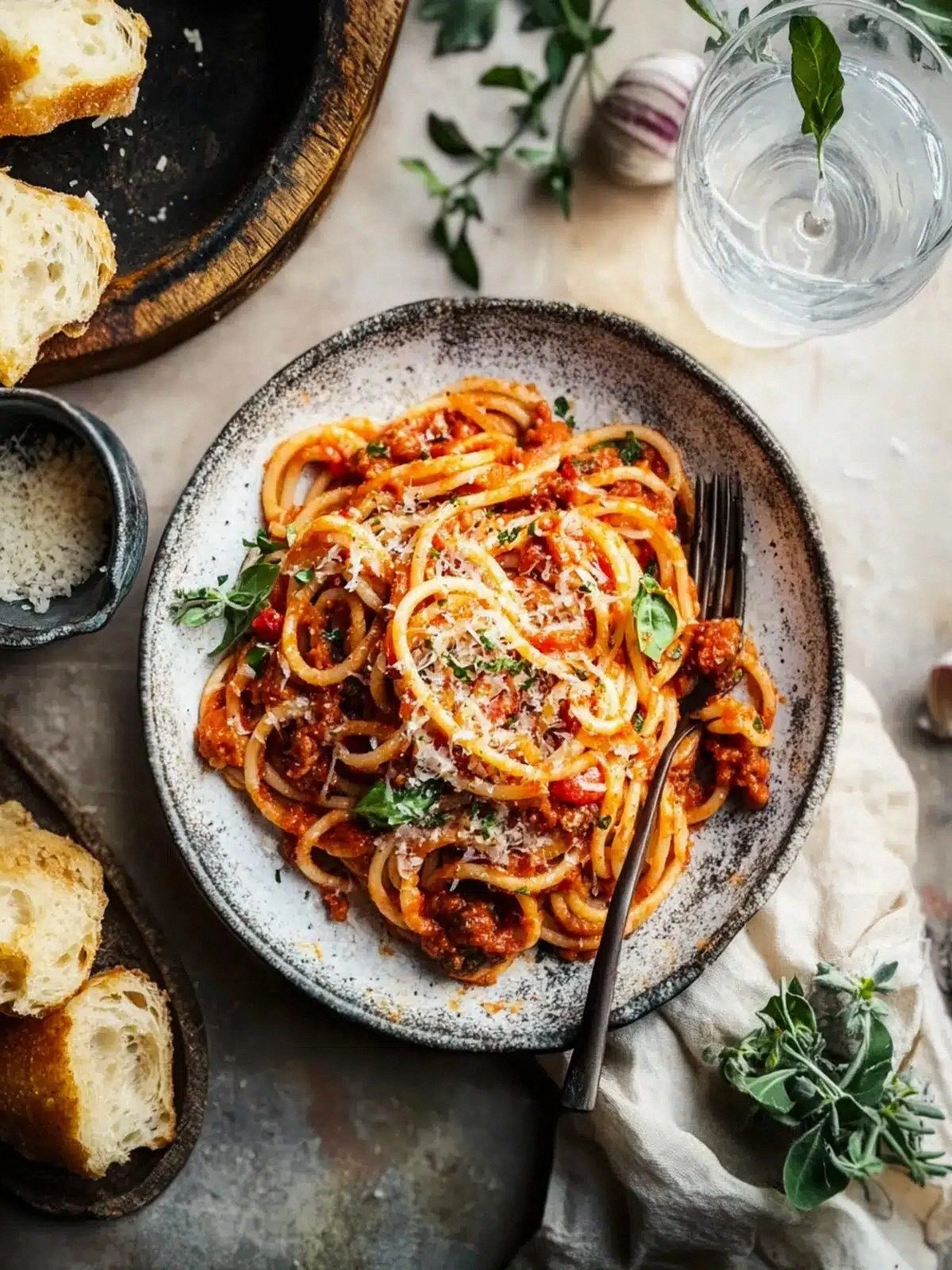
Picture this: a single pan, a splash of olive oil, and the aroma of garlic and onion dancing like a jazz quartet. The noodles release their starch, turning the liquid into a velvety sauce that clings to each strand like a second skin. The moment the sauce reaches a silky sheen, your senses are flooded with warmth, comfort, and that unmistakable promise of indulgence. I dare you to taste this and not go back for seconds, because once you do, you’ll never look at pasta the same way again.
What makes this version stand out is that it eliminates the need for a separate sauce pan, saving time and dishes while delivering a depth of flavor that feels like a gourmet experience. The creamy base is built from scratch, not from a jar, so the richness is real and the texture is luxuriously smooth. The dish is balanced perfectly, with the acidity of tomatoes cutting through the cream to keep the flavor bright and lively. The result is a harmonious symphony where every ingredient sings its part, and the whole is greater than the sum of its parts.
I’ve tested this recipe countless times, and each batch has been a triumph that outshines the competition. The sauce coats the pasta like velvet, the edges of the noodles crisp up just enough to give a satisfying bite, and the finish leaves you craving more. The best part? You can tweak it to suit your taste, whether that means adding a splash of white wine, a pinch of red pepper flakes, or a handful of fresh basil for that final pop of freshness. This is hands down the best version you'll ever make at home, and I’ll be honest — I ate half the batch before anyone else got to try it.
What Makes This Version Stand Out
- Flavor: The sauce is a marriage of tomato brightness and creaminess, achieving a balance that feels both comforting and sophisticated. The subtle umami from the parmesan and the sharpness of garlic lift the dish into a new dimension.
- Texture: The noodles are cooked to al dente perfection, and the sauce’s silkiness envelops each strand, creating a mouthfeel that is both indulgent and satisfying.
- Simplicity: One pot, one pan, and minimal cleanup make this a go-to for busy nights. The recipe requires only a handful of ingredients, yet it delivers a restaurant-quality result.
- Uniqueness: The technique of simmering the pasta in a creamy broth rather than boiling water gives this dish a depth that most spaghetti recipes lack. The final step of adding fresh herbs and a touch of cheese transforms it into something truly special.
- Crowd Reaction: Friends and family always ask for the recipe after the first serving. The dish’s comforting yet elegant profile makes it a hit at gatherings and dinner parties alike.
- Ingredient Quality: Using high‑quality olive oil, fresh garlic, and a good parmesan elevates the dish. The difference is palpable, even if the ingredients are simple.
- Cooking Method: The one‑pot method reduces the number of dishes and speeds up the cooking time, making it ideal for quick weeknight dinners.
- Make‑Ahead Potential: The dish holds up well in the fridge and can be reheated without losing its creamy texture. This makes it perfect for meal prep or leftovers.
Inside the Ingredient List
The Flavor Base
Olive oil is the foundation, its fruity aroma setting the stage for the rest of the dish. A generous splash of oil not only prevents sticking but also enhances the absorption of the garlic’s punch. Skipping it would leave the pasta dry and the flavor flat. Use a good extra‑virgin oil for the best depth.
Garlic is the heart of the sauce, its sharpness mellowing into a sweet undertone as it cooks. Minced cloves release their essential oils, creating a fragrant base that lingers on the tongue. If you’re sensitive to garlic, reduce the amount or use roasted garlic for a milder flavor. Remember, the garlic’s aroma is the first cue that this dish is about to wow.
Onion adds a subtle sweetness and body to the sauce. Dice it finely so it blends seamlessly into the broth, giving the dish a smooth, cohesive taste. A small onion is enough to provide the necessary flavor without overpowering the other ingredients. If you’re feeling adventurous, try caramelizing the onion for a deeper, sweeter profile.
The Texture Crew
Spaghetti is the star, its long strands soaking up the sauce and delivering that classic pasta feel. Use about 8 ounces (roughly 2 cups dry) for four servings, ensuring each strand is coated without being mushy. Fresh spaghetti gives a better bite, but dried works fine if you’re in a hurry.
Chicken broth is the liquid that cooks the pasta and forms the base of the sauce. It imparts a savory depth that plain water simply can’t match. Opt for low‑sodium broth to control the saltiness, or add a pinch of sea salt later if needed. The broth’s flavor will shine through the creamy finish.
Heavy cream is the silky element that transforms the dish into a luxurious experience. It thickens the broth into a velvety sauce that clings to the noodles. Use a full‑fat cream for maximum richness; a lower‑fat version will still work but won’t be as luscious.
The Unexpected Star
Parmesan cheese is more than a topping; it’s a flavor enhancer that adds umami and a slight nutty note. Grate it finely so it melts quickly into the sauce, creating a cohesive texture. A generous amount of cheese will give the dish a savory depth that balances the cream’s richness.
Fresh basil provides a burst of color and a bright, herbal finish that cuts through the heaviness of the cream. Chop it roughly to release its essential oils, but avoid crushing it too much to keep the leaves intact. The basil’s aroma will lift the entire dish and leave a lingering freshness.
The Final Flourish
Salt and pepper are the seasoning that tie everything together. Salt enhances each component, while pepper adds a subtle heat that balances the sweetness of the tomato and the cream. Taste as you go to avoid over‑salting, and remember that the parmesan already contributes saltiness.
Spinach is optional but adds a pop of color and nutrition. Add it in the last few minutes of cooking so it wilts just enough to keep its bright green hue. If you prefer a different green, kale or arugula also works beautifully.
Everything’s prepped? Good. Let’s get into the real action and start cooking this masterpiece.
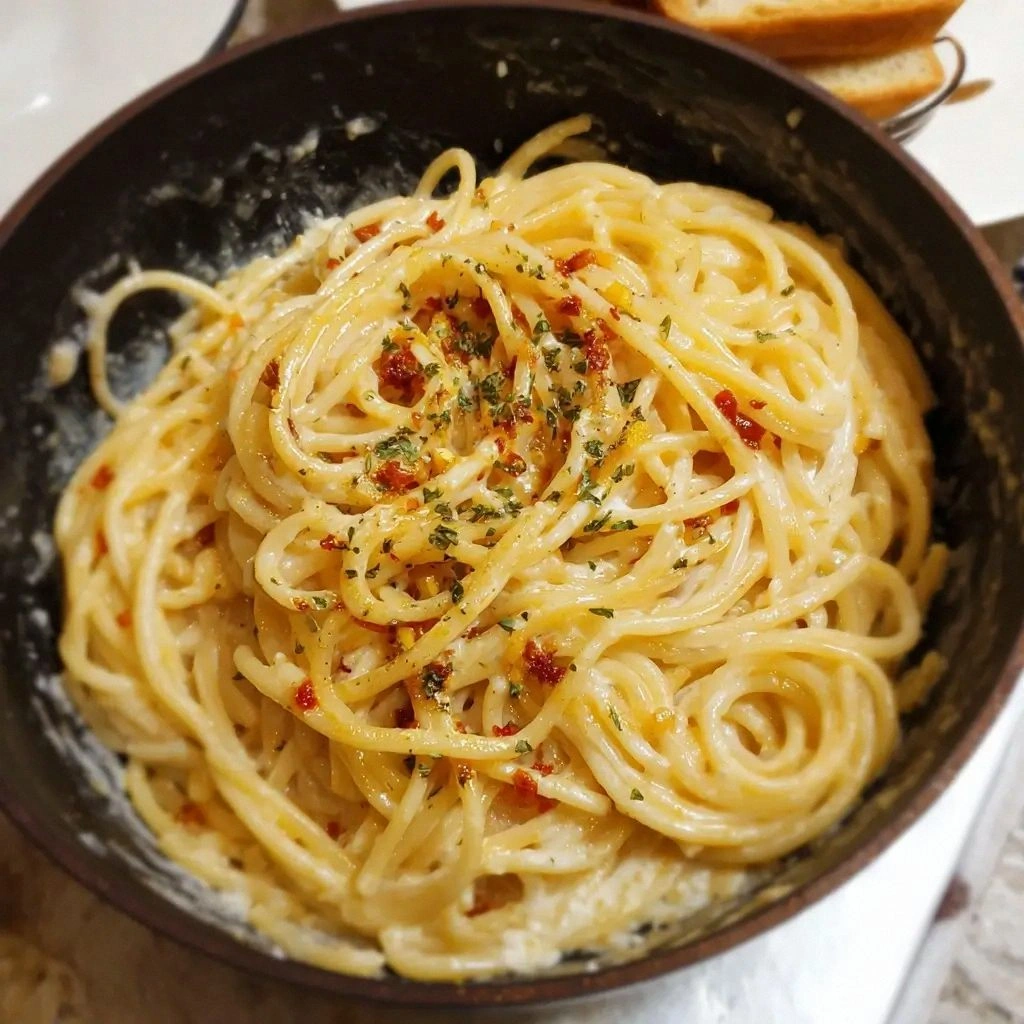
The Method — Step by Step
- Heat the olive oil in a large, wide pan over medium heat until it shimmers. Add the minced garlic and diced onion, sautéing until the onion turns translucent and the garlic is fragrant, about 3 minutes. This is the moment of truth where the base of your sauce starts to sing. Keep the heat moderate to avoid burning the garlic.
- Pour in the diced tomatoes, letting them simmer for a couple of minutes to release their juices. The tomatoes should start to break down, forming a light sauce that will mingle with the broth later. Stir occasionally to prevent sticking. The aroma at this stage will have you craving the final dish.
- Add the chicken broth and bring the mixture to a gentle boil. Once boiling, fold in the spaghetti, ensuring the noodles are submerged in the liquid. Stir immediately to prevent sticking. The pasta will begin to absorb the broth, turning the liquid into a creamy sauce.
- Reduce the heat to low and let the pasta cook uncovered for 8 to 10 minutes, stirring occasionally. The noodles should be al dente and the liquid should have thickened into a sauce. Watch the edges of the pasta; they’ll start pulling away from the pan, signaling readiness. This step is crucial for achieving the perfect texture.
- Stir in the heavy cream, then fold in the grated parmesan until the cheese melts into the sauce. The sauce should be glossy and creamy, with the parmesan adding a subtle nutty flavor. Taste and adjust seasoning with salt and pepper if needed. The sauce should coat the pasta like a velvet blanket.
- Toss in the fresh basil and spinach, allowing the spinach to wilt just until it’s tender but still bright green. The basil will release its oils, adding a fresh, herbal note that brightens the dish. Stir gently to distribute the greens evenly. The final aroma should be inviting and comforting.
- Serve immediately, optionally garnishing with extra parmesan or a drizzle of olive oil. The dish should be hot, creamy, and filled with the comforting flavors of tomato, garlic, and cheese. This is the moment you can finally taste the result of all the steps. That sizzle when it hits the pan? Absolute perfection.
That’s it — you did it. But hold on, I’ve got a few more tricks that will take this to another level. These insider tips will help you master the dish and keep it from falling into the same pitfalls that plague many pasta recipes.
Insider Tricks for Flawless Results
The Temperature Rule Nobody Follows
Maintaining a steady, low simmer throughout the cooking process is key. A rolling boil can break the pasta and cause the sauce to become watery. Keep the heat just below a simmer, and stir frequently. This ensures the noodles cook evenly and the sauce thickens beautifully.
Why Your Nose Knows Best
The aroma of the sauce tells you everything you need to know about its readiness. When the sauce smells toasty and slightly caramelized, it’s close to the right consistency. If you’re unsure, taste a small spoonful; it should have a rich, balanced flavor. Trust your nose and palate.
The 5-Minute Rest That Changes Everything
Letting the dish rest for five minutes after cooking allows the flavors to meld and the sauce to settle. During this time, the noodles absorb any remaining liquid, resulting in a silkier texture. This simple step can transform a good dish into an unforgettable one. Give it a quick stir before serving.
Avoiding the Creamy Crisis
If the sauce begins to separate, don’t panic. Add a teaspoon of cornstarch dissolved in cold water to the pan and stir vigorously. This thickens the sauce without altering the flavor. The key is to add the thickener slowly and keep the heat low.
The Secret to Perfectly Al Dente
Use a pasta rack to test the noodles every few minutes. The pasta should be tender but still firm to the bite. If it’s too soft, give it an extra minute; if too firm, add a splash of broth and cook for another minute. The goal is a satisfying bite that holds the sauce.
Creative Twists and Variations
This recipe is a playground. Here are some of my favorite ways to switch things up:
Spicy Pepper Pop
Add a pinch of red pepper flakes when sautéing the garlic and onion for a subtle kick. The heat pairs beautifully with the cream and tomato, creating a balanced flavor profile. This version is perfect for those who love a little heat in their pasta.
Mushroom Medley
Sauté sliced mushrooms with the onions for an earthy depth. The mushrooms absorb the sauce, adding a meaty texture that pairs well with the creamy base. This variation is ideal for vegetarians or those craving a richer, more umami experience.
Smoky Chipotle Twist
Stir in a teaspoon of chipotle in adobo sauce for a smoky, slightly sweet flavor. The chipotle complements the tomato’s acidity and the cream’s richness. This version offers a bold, adventurous taste that will surprise your guests.
Pesto Power
Swap the fresh basil for a few spoonfuls of basil pesto. The pesto adds a concentrated basil flavor and a vibrant green color. It’s a quick way to elevate the dish without extra prep.
Seafood Splash
Add cooked shrimp or scallops during the last few minutes of cooking. The seafood absorbs the sauce’s flavors and adds a luxurious touch. This version is great for a special occasion or when you want to impress.
Storing and Bringing It Back to Life
Fridge Storage
Cool the dish completely before transferring it to an airtight container. Store in the refrigerator for up to three days. The creamy sauce may thicken slightly; just give it a good stir before reheating. The flavors will still be vibrant and comforting.
Freezer Friendly
Freeze portions in freezer-safe containers or freezer bags for up to two weeks. Thaw overnight in the refrigerator before reheating. The texture remains smooth, and the sauce retains its richness.
Best Reheating Method
Reheat on the stove over low heat, adding a splash of water or broth to loosen the sauce. Stir frequently to prevent scorching. A tiny splash of water before reheating steams the dish back to perfection, preserving its silky texture.