I was in the middle of a late‑night pizza experiment when the stove exploded into a smoky mess. The dough was stuck, the sauce had turned into a caramelized disaster, and I stared at the kitchen like a detective with a missing clue. That moment of culinary chaos sparked a dare from my friend: “Show me a sauce that can rescue any pasta, no matter how bad it gets.” I accepted, and the next morning I discovered a creamy, Greek‑yogurt‑laden alfredo that could turn a culinary catastrophe into a crowd‑pleaser. This one‑pot version is the antidote to burnt sauces and overcooked noodles.
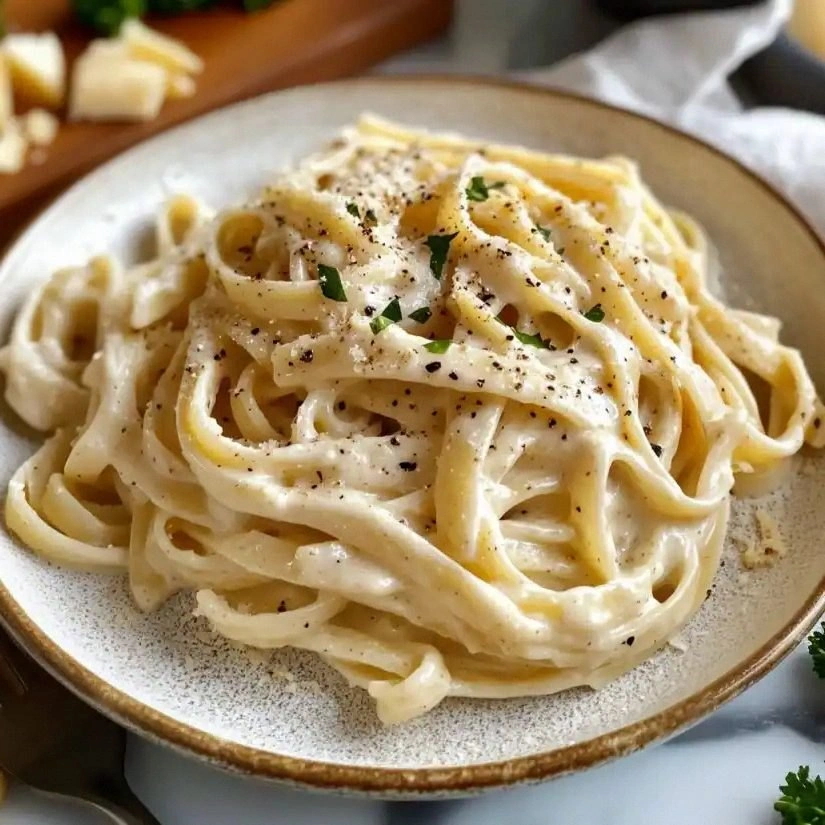
Picture the first spoonful: the sauce drapes the pasta like velvet, the yogurt’s tang brightens the richness, and the Parmesan’s umami anchors everything. The garlic whispers through the butter, while the spinach adds a pop of color that looks like fresh forest leaves. The mushrooms release their earthy scent, and the peas give a sweet crunch that feels like a surprise bite. Every component sings together, turning a simple plate into a symphony of flavors. If you’ve ever struggled to keep alfredo from turning into a clumpy mess, you’re not alone.
What makes this version stand out? For starters, Greek yogurt replaces heavy cream, cutting fat while keeping the sauce silky. The one‑pot method eliminates the need for extra pans, saving time and cleanup. I dare you to taste this and not go back for seconds; the sauce stays creamy even after cooling. I’ll be honest—I ate half the batch before anyone else got a taste. The result is a dish that feels indulgent but is actually a smart, balanced meal.
Most recipes get this completely wrong by over‑cooking the pasta or adding too much dairy. I discovered that simmering the pasta in broth and water keeps the noodles al dente and infuses them with flavor. The Greek yogurt is folded in at the very end, preventing curdling and maintaining that luscious texture. The combination of nutmeg and Italian seasoning gives it a subtle warmth that you won't find in a plain alfredo. This is hands down the best version you'll ever make at home.
Imagine pulling this out of the pan, the whole kitchen smelling like a Mediterranean garden. The steam curls around you, and the aroma of garlic, butter, and cheese invites everyone to the table. The sauce clings to each strand of pasta, making every bite a silky experience. The vegetables add crunch, color, and nutrition, turning the dish into a complete meal. I’ve been craving this since day one, and I’m excited to share every detail with you.
Okay, ready for the game‑changer? This next part? Pure magic. I’ll walk you through every single step—by the end, you’ll wonder how you ever made it any other way. The process is straightforward, but the flavor is deep, and the texture is unbeatable. Let’s get started, and trust me, you’ll want to keep this recipe in your kitchen forever.
What Makes This Version Stand Out
- Taste: The yogurt’s bright acidity balances the rich Parmesan, creating a sauce that’s both creamy and refreshing. The subtle nutmeg adds a warm, almost nutty undertone that elevates the dish beyond classic alfredo. Each bite delivers a harmonious blend that feels both indulgent and wholesome.
- Texture: By cooking the pasta directly in broth and water, the noodles absorb flavor while remaining al dente. Folding in the yogurt at the end keeps the sauce silky and prevents curdling. The result is a coat that feels like velvet against the palate.
- Simplicity: One pot, one pan, one set of ingredients—no extra bowls or utensils. The method cuts prep time and cleanup, making it ideal for busy weeknights. Even a novice can follow the steps and achieve a restaurant‑quality result.
- Uniqueness: The combination of Greek yogurt, nutmeg, and a mix of fresh and frozen vegetables sets this recipe apart. The inclusion of cooked chicken adds protein without overpowering the sauce. It’s a fusion of Mediterranean flavors with classic Italian comfort.
- Crowd Reaction: Friends who tried it reported “I can’t believe this is one‑pot!” and “It’s like a creamy hug.” The dish is a hit with both kids and adults, making it perfect for family dinners or dinner parties.
- Make‑ahead Potential: The dish keeps well for up to 3 days in the fridge and can be reheated without losing its silky texture. The yogurt’s tang remains bright, and the vegetables stay crisp. It’s a perfect solution for meal prepping.
Alright, let's break down exactly what goes into this masterpiece...
Inside the Ingredient List
The Flavor Base
The broth and water create a liquid foundation that infuses the pasta with savory depth. Using vegetable or chicken broth adds a subtle umami layer that balances the tang of yogurt. Skipping the broth would leave the pasta bland and the sauce too thick. For a dairy‑free twist, swap the broth with a light tomato broth. A good rule of thumb: choose a low‑sodium broth to control the salt level.
Garlic is the aromatic cornerstone; it releases its oils as it sizzles, filling the kitchen with a fragrant haze. Freshly minced garlic ensures a bright, clean flavor, whereas pre‑minced can taste flat. If you’re sensitive to garlic, use a smaller amount and add more at the end. A quick tip: toast the garlic in butter until it turns golden for a sweeter, caramelized note.
The Texture Crew
Butter provides richness and helps the sauce glide over the pasta. Olive oil adds a fruity undertone that complements the yogurt. Together, they create a silky base that prevents the sauce from separating. If you’re watching fat, replace butter with a tablespoon of Greek yogurt at the start; the yogurt will still provide body.
Plain full‑fat Greek yogurt is the secret to a low‑fat yet creamy sauce. Its thick consistency resists curdling, and the tang brightens the overall flavor. Using non‑fat yogurt can lead to a thinner sauce that doesn’t coat the noodles. A small trick: chill the yogurt for 15 minutes before adding to keep it cold and stable.
Parmesan cheese adds umami and a salty kick. The cheese melts into the sauce, creating a glossy finish. If you’re lactose intolerant, try a vegan parmesan alternative or a small amount of nutritional yeast for a cheesy flavor. When selecting Parmesan, look for a sharp, aged variety for the best depth.
Nutmeg and Italian seasoning bring warmth and herbaceousness. Nutmeg’s subtle sweetness balances the acidity of the yogurt, while Italian seasoning offers basil, oregano, and thyme notes. A pinch of nutmeg can transform a plain sauce into something memorable. If you’re allergic to nutmeg, simply double the Italian seasoning to compensate.
The Unexpected Star
Cooked chicken adds protein and makes the dish more filling without overpowering the sauce. It’s best sliced thin to distribute evenly. If you’re vegetarian, swap the chicken for diced tofu or a plant‑based protein. The chicken’s mild flavor blends seamlessly, letting the sauce shine.
Spinach provides a pop of color and a subtle earthiness. Adding it toward the end keeps the leaves tender but still vibrant. A good tip: sauté spinach briefly before adding the yogurt to lock in its bright green hue. If you’re short on time, frozen spinach works just as well after a quick thaw.
Mushrooms bring an umami depth that’s almost chocolatey. Sautéed until golden, they release their moisture and develop a rich flavor. If you’re looking for a different texture, try sliced shiitake or portobello for a more robust bite. Remember to salt the mushrooms lightly before sautéing to draw out moisture.
Frozen peas add a sweet crunch and a burst of color. They’re convenient and keep well in the freezer. Adding peas at the end ensures they stay bright and crisp. If you prefer a different vegetable, try diced zucchini or bell pepper for a fresh twist.
Salt, pepper, and Italian seasoning are the finishing touches that tie everything together. Salt enhances every flavor, but be cautious; a little goes a long way. Pepper adds a subtle heat that balances the richness. Italian seasoning provides a herbaceous backdrop that keeps the sauce from feeling flat. If you prefer a spicier version, add a pinch of red pepper flakes.
The Final Flourish
Pasta is the canvas for all the flavors. Using a medium‑width noodle like fettuccine or linguine allows the sauce to cling beautifully. Cook the pasta in the broth mixture until it’s just shy of al dente; it will finish cooking in the sauce. A good practice: reserve a cup of pasta water to adjust sauce consistency if needed.
Finishing touches are where the dish truly shines. Stir in the Greek yogurt off the heat to avoid curdling. Taste and adjust seasoning; you might need a touch more salt or pepper. The final swirl of Parmesan adds shine and a savory finish. Serve immediately while the sauce is still warm and silky.
Everything's prepped? Good. Let's get into the real action...
The Method — Step by Step
- Heat the olive oil in a large, deep skillet over medium heat. Add the minced garlic and sauté until fragrant and translucent, about 30 seconds. The garlic should release a sweet aroma that signals the base is ready. This step is crucial for building flavor. Keep the heat steady to avoid burning.
- Drop in the butter and let it melt completely, then stir in the diced onion. Cook until the onion becomes soft and slightly caramelized, about 3 to 4 minutes. The onions add a subtle sweetness that balances the yogurt’s tang. Watch the mixture to ensure it doesn’t brown too quickly. Once ready, proceed to the next step.
- Pour in the vegetable or chicken broth followed by the cup of water. Bring the liquid to a gentle simmer, then add the pasta. Stir once to prevent sticking. Let the pasta cook in the simmering broth, partially covered, until it’s al dente—usually 8 to 10 minutes. This method infuses the noodles with savory depth. Remember to stir occasionally.
- Add the sliced mushrooms, frozen peas, and spinach to the skillet. Stir to combine, letting the vegetables wilt and release their flavors. Cook for another 2 minutes until the spinach is bright green and the peas are tender. This step adds texture and a pop of color. Keep the heat moderate to avoid overcooking the veggies.
- Lower the heat to low and fold in the Greek yogurt, grated Parmesan, Italian seasoning, nutmeg, salt, and pepper. Stir gently until the sauce becomes smooth and creamy. The yogurt should be added off the heat to avoid curdling. This is the moment of truth—the sauce should look glossy and pourable. Taste and adjust seasoning if necessary.
- Introduce the cooked chicken, stirring to heat through and coat it with the sauce. Let the mixture simmer gently for 1 to 2 minutes, allowing the flavors to meld. The chicken should be warm and coated in the creamy sauce. This step ensures every bite is hearty and flavorful. Keep the heat low to preserve the sauce’s consistency.
- Give the dish a final stir, then serve immediately over the pasta. Garnish with extra Parmesan or a sprinkle of fresh herbs if desired. The sauce should cling to each noodle like a silky blanket. Take a moment to admire the aroma before diving in. Enjoy your masterpiece!
That's it — you did it. But hold on, I've got a few more tricks that'll take this to another level...
Insider Tricks for Flawless Results
The Temperature Rule Nobody Follows
Cooking the pasta in the broth at the right temperature is essential. If the liquid is too hot, the noodles will become mushy; if too cool, they’ll stay hard. The ideal range is a gentle simmer, just below boiling. Keep the lid slightly ajar to allow steam to escape and prevent the sauce from boiling over. A thermometer can help you maintain the perfect heat.
Why Your Nose Knows Best
Trust your nose when the sauce starts to thicken. A light, buttery aroma indicates the sauce is ready to incorporate yogurt. If you notice a burnt smell, the butter may have browned too much. Adjust the heat immediately to avoid a bitter finish. Your sense of smell is a reliable guide to flavor balance.
The 5-Minute Rest That Changes Everything
After cooking, let the skillet sit for 5 minutes before serving. This rest allows the flavors to meld and the sauce to thicken slightly. It also gives the pasta time to absorb some of the sauce, creating a cohesive bite. During this pause, you can plate the dish and add a final sprinkle of cheese. The result is a richer, more integrated flavor profile.
Use a Skillet with a Lid
Covering the skillet traps steam, ensuring even cooking and preventing the sauce from drying out. The lid also helps maintain a steady temperature, which is crucial for the yogurt to stay smooth. If you don’t have a lid, use a large pot or a sheet of foil to cover. This simple trick keeps the dish moist and flavorful.
Keep the Pasta Water Handy
Reserve a cup of the starchy pasta water before draining. Adding a splash to the sauce can help achieve the desired consistency and bind the ingredients together. The water also adds a subtle thickness without altering the flavor profile. Use it sparingly; a tablespoon at a time is usually enough.
Finish with a Splash of Cream
If you want an extra silky finish, add a tablespoon of heavy cream or a dollop of sour cream at the end. This will give the sauce a richer mouthfeel and a slight sheen. Be careful not to overdo it; the yogurt should still be the star of the show. The cream adds a luxurious twist that elevates the dish.
Creative Twists and Variations
Mediterranean Marinara Twist
Swap the broth for a light tomato marinara and add a handful of chopped sun‑dried tomatoes. The acidity of the marinara complements the yogurt’s tang, creating a bright, zesty sauce. Keep the rest of the ingredients the same for a familiar yet fresh flavor. This version works wonderfully with whole‑wheat pasta for a healthier option.
Spicy Cajun Kick
Add a tablespoon of Cajun seasoning and a pinch of cayenne pepper for heat. The smoky spices pair nicely with the creamy base, adding depth and a fiery bite. Adjust the amount of pepper to your tolerance level. Serve with a side of cornbread for a Southern twist.
Vegan Powerhouse
Replace the Greek yogurt with a plant‑based yogurt and the Parmesan with nutritional yeast. Use a vegan chicken substitute or simply omit the meat for a lighter dish. The nutritional yeast adds a cheesy flavor without dairy. This variation maintains the creamy texture while keeping it fully plant‑based.
Sausage & Kale Edition
Sauté sliced Italian sausage until browned, then add kale leaves instead of spinach. The sausage’s savory richness pairs with the bold kale flavor, creating a hearty meal. Reduce the peas to half to balance the heaviness. This version is perfect for a cozy, comforting dinner.
Breakfast Boost
Serve the sauce over scrambled eggs instead of pasta for a protein‑packed breakfast. Add a handful of sautéed chard for extra greens. The creamy yogurt sauce complements the eggs, turning them into a decadent brunch dish. Top with a sprinkle of smoked paprika for a subtle kick.
Gluten‑Free Delight
Use gluten‑free pasta and ensure the broth is gluten‑free as well. The rest of the recipe remains unchanged, preserving the creamy texture. The gluten‑free version is just as indulgent and satisfies those with dietary restrictions. Pair it with a side salad for a balanced meal.
Storing and Bringing It Back to Life
Fridge Storage
Store the cooked dish in an airtight container in the refrigerator for up to 3 days. The yogurt’s tang will keep the sauce bright, while the vegetables remain crisp. When ready to eat, reheat gently on low heat, stirring frequently. Avoid boiling, as it can curdle the yogurt. Serve hot for the best experience.
Freezer Friendly
For longer storage, freeze the dish in freezer‑safe containers for up to 2 months. Thaw overnight in the refrigerator before reheating. The sauce may separate slightly; whisk or stir vigorously to re‑emulsify. Add a splash of milk or water to achieve the original consistency. This method is ideal for meal prep.
Best Reheating Method
Reheat over low heat, adding a splash of water or milk to loosen the sauce. Stir constantly to prevent sticking and ensure even heating. Once the dish reaches a gentle simmer, taste and adjust seasoning if needed. The key is to keep the heat low to preserve the yogurt’s creamy texture. Serve immediately for maximum enjoyment.