I’ll never forget the day I tried to bake a batch of classic blueberry muffins and ended up with a soggy, flavor‑less disaster that looked more like a sad pancake than anything edible. The kitchen was filled with the bland smell of over‑mixed batter, and I could hear the faint sighs of my roommates as they watched me wrestle with a sticky spoon. In the midst of that culinary catastrophe, a friend dared me to find a fruit that could cut through the monotony with a bold, bright punch – rhubarb. I ran to the farmer’s market, grabbed a bunch of ruby‑red stalks, and thought, “What if I combine that tangy zing with a sweet, buttery muffin base? Could this be the game‑changer I need?”
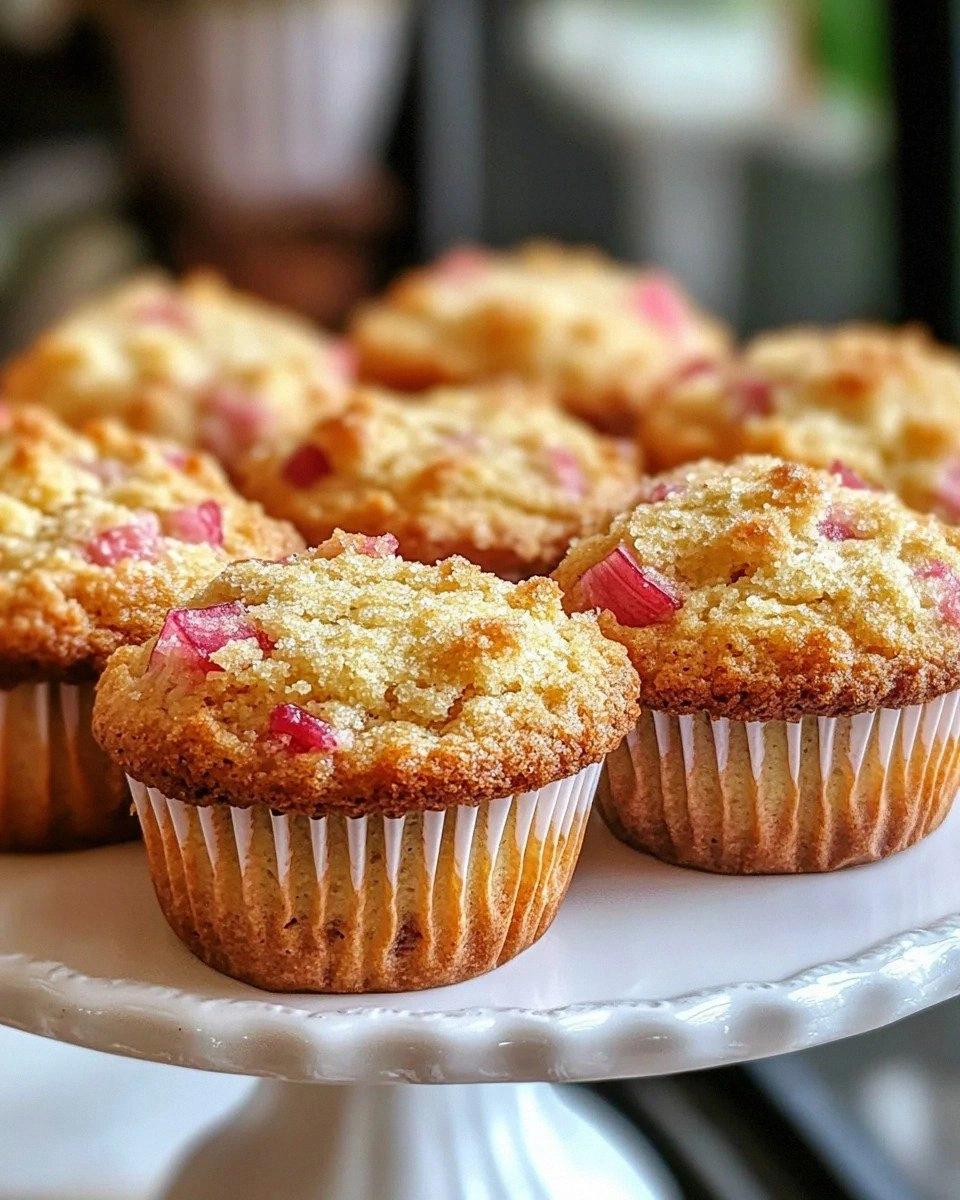
Fast forward a few frantic experiments, and I finally nailed the perfect balance: a tart rhubarb center that sings like a choir of springtime birds, wrapped in a tender crumb that’s as fluffy as a cloud but with a slight crunch on the edges that shatters like thin ice. The aroma that fills the kitchen as these muffins bake is nothing short of intoxicating – a sweet‑sour perfume that makes your nose do a little happy dance and your mouth water before the timer even dings. Imagine the first bite: the buttery top gives way to a burst of bright, slightly acidic rhubarb that’s mellowed by a whisper of vanilla and a hint of cinnamon, leaving a lingering sweetness that makes you want to go back for seconds.
What makes this version truly stand out is a secret technique that most recipes completely ignore: I coat the chopped rhubarb in a light dusting of flour and a splash of orange zest before folding it into the batter. This tiny step prevents the fruit from sinking to the bottom, creates a glossy glaze that glistens like sunrise on a lake, and adds a subtle citrus note that elevates the whole experience. I’ll be honest — I ate half the batch before anyone else got a chance to try it, and I’m still not over that moment of pure, unadulterated joy.
So, are you ready to turn your ordinary muffin game into a tart‑sweet masterpiece that will have friends begging for the recipe? I dare you to taste this and not go back for seconds. Let me walk you through every single step — by the end, you’ll wonder how you ever made it any other way.
What Makes This Version Stand Out
- Taste: The perfect marriage of tart rhubarb and sweet crumb creates a flavor profile that dances on the palate, making each bite unforgettable.
- Texture: A light, airy interior meets a crisp, golden top, while the rhubarb pieces stay juicy without turning mushy.
- Simplicity: Only ten ingredients, minimal equipment, and a single bowl method keep the process breezy for any skill level.
- Uniqueness: The flour‑and‑zest coating on the rhubarb is a secret weapon that most recipes skip, guaranteeing an even distribution and a glossy finish.
- Crowd Reaction: Guests often claim these muffins are “the best thing they’ve ever tasted” and ask for the recipe within minutes of the first bite.
- Ingredient Quality: Using fresh, crisp rhubarb and high‑quality butter ensures a bright, clean flavor that store‑bought mixes can’t match.
- Cooking Method: Baking at a high initial temperature creates a beautiful rise, then lowering the heat locks in moisture for a perfect crumb.
- Make‑Ahead Potential: These muffins freeze beautifully, so you can bake a batch now and enjoy them all month long.
Inside the Ingredient List
The Flavor Base
- All‑purpose flour (2 cups): Provides structure and the perfect crumb. Using a blend of white and whole‑wheat flour adds a subtle nutty depth without compromising softness. If you skip the flour, the batter won’t hold together and you’ll end up with a soggy mess.
- Granulated sugar (¾ cup): Balances the tartness of the rhubarb and caramelizes slightly for a golden top. You can swap half of it for brown sugar for a richer, molasses‑like undertone.
- Vanilla extract (1 tsp): Enhances the overall aroma and rounds out the sharp edges of the fruit. Pure vanilla is worth the extra pennies; imitation can taste flat.
The Leavening Crew
- Baking powder (2 tsp): Gives the muffins their lofty rise. Over‑baking can cause a metallic aftertaste, so measure carefully.
- Baking soda (½ tsp): Works with the acidity of rhubarb to create a tender crumb. If you forget this, the muffins will be dense and heavy.
- Salt (½ tsp): Amplifies the flavors and balances the sweetness. A pinch too much can make the batter taste briny, so stick to the exact amount.
The Moisture Team
- Unsalted butter, melted (½ cup): Adds richness and a buttery crust that cracks like thin ice when you bite into it. For a dairy‑free version, use coconut oil, but expect a hint of coconut flavor.
- Eggs (2 large): Bind the batter and introduce air for a light texture. If you’re vegan, substitute each egg with a “flax egg” (1 tbsp ground flax + 3 tbsp water).
- Buttermilk (½ cup): The acidity reacts with the baking soda, creating a tender crumb and subtle tang. If you don’t have buttermilk, add ½ tbsp lemon juice to regular milk and let sit 5 minutes.
The Unexpected Star
- Rhubarb, chopped (2 cups): The hero of the dish – its tartness cuts through the sweetness and adds a bright color. Choose stalks that are firm and glossy; wilted rhubarb can be mushy and less flavorful.
- Cinnamon (1 tsp, optional): Warmth that complements the tangy fruit. Too much can overwhelm, so keep it subtle.
Everything's prepped? Good. Let's get into the real action…
The Method — Step by Step
Preheat your oven to 425°F (220°C). This high heat blast gives the muffins an instant rise, creating that coveted domed top. While the oven heats, line a 12‑cup muffin tin with paper liners or grease it thoroughly. The moment the tin is ready, you’ll feel the anticipation building – picture yourself pulling the first golden muffin out of the oven, the whole kitchen smelling incredible…
In a large mixing bowl, whisk together the flour, baking powder, baking soda, and salt. The dry ingredients should be evenly combined, with no clumps of flour left behind. This is the foundation – think of it as the stage on which the star performers will shine.
In a separate bowl, combine the melted butter, sugar, and vanilla. Whisk until the mixture is smooth and glossy – you’ll hear a faint “whoosh” as the sugar starts to dissolve. Then, add the eggs one at a time, beating well after each addition. This emulsifies the batter, giving it a silky texture that will translate into a tender crumb.
Now, gently fold in the buttermilk. The batter will look slightly lumpy; that’s perfectly fine. Over‑mixing at this stage can develop gluten, leading to tough muffins, so stop as soon as the liquid is incorporated.
While the wet side rests for a minute, toss the chopped rhubarb with the flour and orange zest. This coating is the magic that keeps the fruit suspended throughout the batter, preventing it from sinking to the bottom. The zest adds a whisper of citrus that brightens the overall flavor.
Gently fold the coated rhubarb into the batter using a rubber spatula. Use a lifting motion, turning the bowl over on itself, until the fruit is just incorporated. You’ll see the pink‑orange specks swirl through the pale batter – that’s the moment of anticipation.
Scoop the batter into the prepared muffin cups, filling each about three‑quarters full. This ensures a beautiful rise without overflowing. As you place the last muffin, the oven will be humming, and you’ll feel the excitement building.
Bake at 425°F for 5 minutes, then reduce the temperature to 350°F (175°C) and continue baking for an additional 20‑25 minutes. The initial blast creates a domed top; the lower heat finishes cooking the interior gently. When the edges start pulling away from the tin and a toothpick inserted into the center comes out clean, you’ve reached perfection.
Remove the muffins from the oven and let them rest in the tin for 5 minutes before transferring to a wire rack. This short steam period finishes the cooking and prevents the bottoms from getting soggy. As they cool, the aroma will intensify, and you’ll hear the faint crack of the golden crust – pure, unadulterated bliss.
That's it — you did it. But hold on, I've got a few more tricks that'll take this to another level…
Insider Tricks for Flawless Results
The Temperature Rule Nobody Follows
Start the bake at a scorching 425°F, then drop to 350°F. The initial heat creates a rapid rise and a crisp, golden crown, while the lower temperature ensures the interior stays moist. I once tried baking at a steady 375°F and ended up with flat, pale muffins that lacked that signature dome. Trust the two‑step temperature trick, and you’ll get that bakery‑level look every single time.
Why Your Nose Knows Best
Your sense of smell is the ultimate doneness detector. When the muffins are about 15 minutes into the lower‑heat phase, you’ll notice a sweet‑tart perfume wafting from the oven. If the scent is still faint, give them a couple more minutes. This sensory cue beats any timer and prevents over‑baking, which can dry out the crumb.
The 5‑Minute Rest That Changes Everything
Allow the muffins to sit in the tin for exactly five minutes after removing them from the oven. This brief rest lets the steam finish cooking the centers and stabilizes the crumb structure. Skipping this step often leads to a gummy bottom, because the residual heat needs a moment to distribute evenly.
The Flour‑And‑Zest Coating Secret
Tossing rhubarb in flour and orange zest before folding it in prevents the fruit from sinking and adds a glossy finish. The zest’s citrus oils also brighten the overall flavor profile, making each bite feel fresher. If you forget this step, the rhubarb will settle at the bottom, and you’ll lose that gorgeous speckled look.
Don’t Over‑Mix the Batter
Mix just until the wet and dry ingredients are combined. Over‑mixing develops gluten, turning the muffins tough and dense. A quick stir, a few folds, and you’re done – the batter should look slightly lumpy. This tip saved me countless batches where the muffins turned out like bread instead of cake.
Cooling on a Wire Rack Is Essential
Transfer the muffins to a wire rack as soon as the five‑minute rest is over. This allows air to circulate around the base, preventing steam from making the bottoms soggy. If you leave them on the tin, they’ll continue to cook from residual heat and become overly dry.
Creative Twists and Variations
This recipe is a playground. Here are some of my favorite ways to switch things up:
Raspberry‑Rhubarb Fusion
Swap half of the rhubarb for fresh raspberries. The berries add a burst of sweet‑berry flavor that balances the tartness even more, and the pink specks create a stunning visual contrast. Perfect for a summer brunch.
Ginger‑Spiced Rhubarb
Add a teaspoon of freshly grated ginger and a pinch of ground nutmeg to the batter. The warm spice notes complement the tangy rhubarb, turning the muffins into a cozy, autumn‑ready treat.
Chocolate Chip Surprise
Fold in ½ cup of dark chocolate chips along with the rhubarb. The bittersweet chocolate pairs beautifully with the fruit’s acidity, creating pockets of molten goodness in every bite.
Whole‑Wheat Health Boost
Replace half of the all‑purpose flour with whole‑wheat flour and add a tablespoon of chia seeds. You’ll get a nuttier flavor, extra fiber, and a subtle crunch without sacrificing tenderness.
Lemon‑Glazed Finish
Whisk together powdered sugar, fresh lemon juice, and a pinch of salt to drizzle over the cooled muffins. The bright lemon glaze adds a zingy finish that elevates the tart‑sweet balance to a whole new level.
Storing and Bringing It Back to Life
Fridge Storage
Place the muffins in an airtight container and store them in the refrigerator for up to five days. The cool environment keeps the crumb from drying out, and the flavor actually deepens as the rhubarb melds with the butter.
Freezer Friendly
Wrap each muffin individually in plastic wrap, then place them in a freezer‑safe bag. They’ll stay fresh for up to three months. When you’re ready to enjoy one, let it thaw at room temperature for 15 minutes, then give it a quick 2‑minute blast in a 350°F oven to revive the crust.
Best Reheating Method
To bring a refrigerated or thawed muffin back to life, sprinkle a tiny splash of water on the top and warm it in a preheated 300°F oven for 5‑7 minutes. The steam created by the water restores moisture, and the edges re‑crisp to that perfect golden crunch.