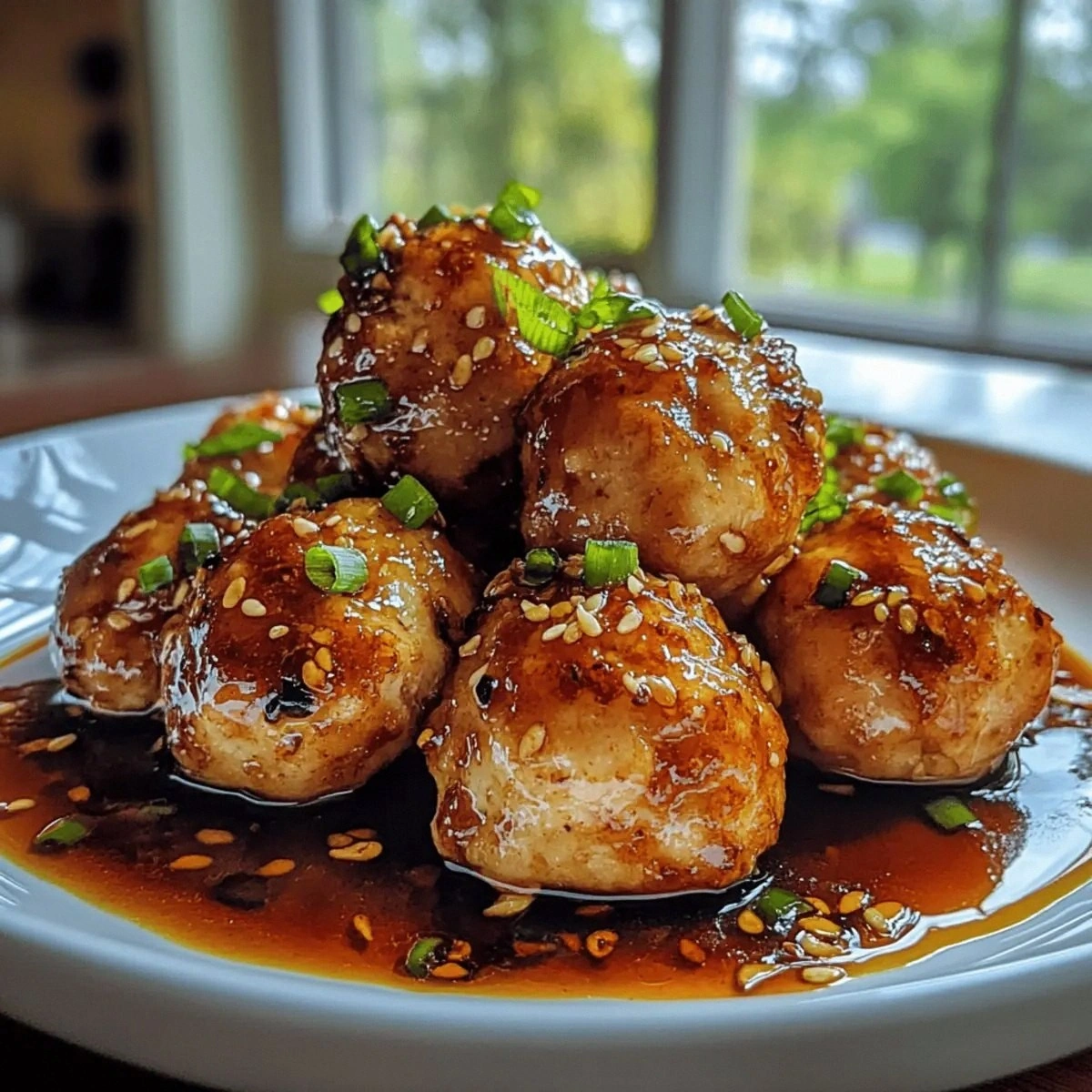
I was halfway through a marathon Netflix binge when my roommate dared me to make something that would actually make the couch‑potato life feel like a culinary adventure. I stared at the empty pantry, imagined a bland tofu scramble, and then a flash of inspiration hit: what if I turned that humble block of tofu into bite‑size fireworks? The idea was simple, the stakes were high, and the kitchen suddenly smelled like a promise of something unforgettable. That night, after a few missteps with soggy tofu, I finally nailed a version that sings with umami, crunch, and a whisper of garlic that lingers like a secret.
Picture this: a pan sizzles, releasing a caramel‑golden perfume that makes you pause the show and stare at the stove. The tofu balls, crisp on the outside, give way to a silky, buttery interior that feels like a cloud made of soy. Each bite delivers a punch of salty‑sweet soy, a tangy lift from rice vinegar, and a subtle heat that dances on the tongue without stealing the spotlight. The scallions and red bell pepper add color and a fresh snap, while the garlic whispers its aromatic charm from the background. It’s the kind of dish that makes you forget you’re eating plant‑based and think you’ve discovered a new comfort food.
Most tofu recipes either drown the bean curd in sauce or leave it dry and flavorless. I’ve tried the “just fry it” method and the “marinate forever” route, and both fell flat – one was soggy, the other tasted like a bland broth. This version flips the script by coating the crumbled tofu in a light corn‑starch veil, then pan‑frying it to create a crisp armor that locks in moisture. The secret sauce, a balanced trio of soy, vegetarian oyster, and rice vinegar, clings to each ball like velvet, delivering layers of depth without overwhelming the palate. Trust me, this is hands down the best version you’ll ever make at home.
And now for the kicker: I’m about to reveal a technique that most cooks overlook – the quick “dry‑press‑then‑dust” method that guarantees a perfect crust every time. I dare you to taste this and not go back for seconds; the crunch is addictive, the flavor is addictive, and the bragging rights are priceless. Let me walk you through every single step — by the end, you’ll wonder how you ever made it any other way.
What Makes This Version Stand Out
- Umami Explosion: The combination of soy sauce, vegetarian oyster sauce, and a splash of rice vinegar creates a depth that rivals any meat‑based appetizer. It’s a flavor orchestra that hits every note without any one instrument overpowering the rest.
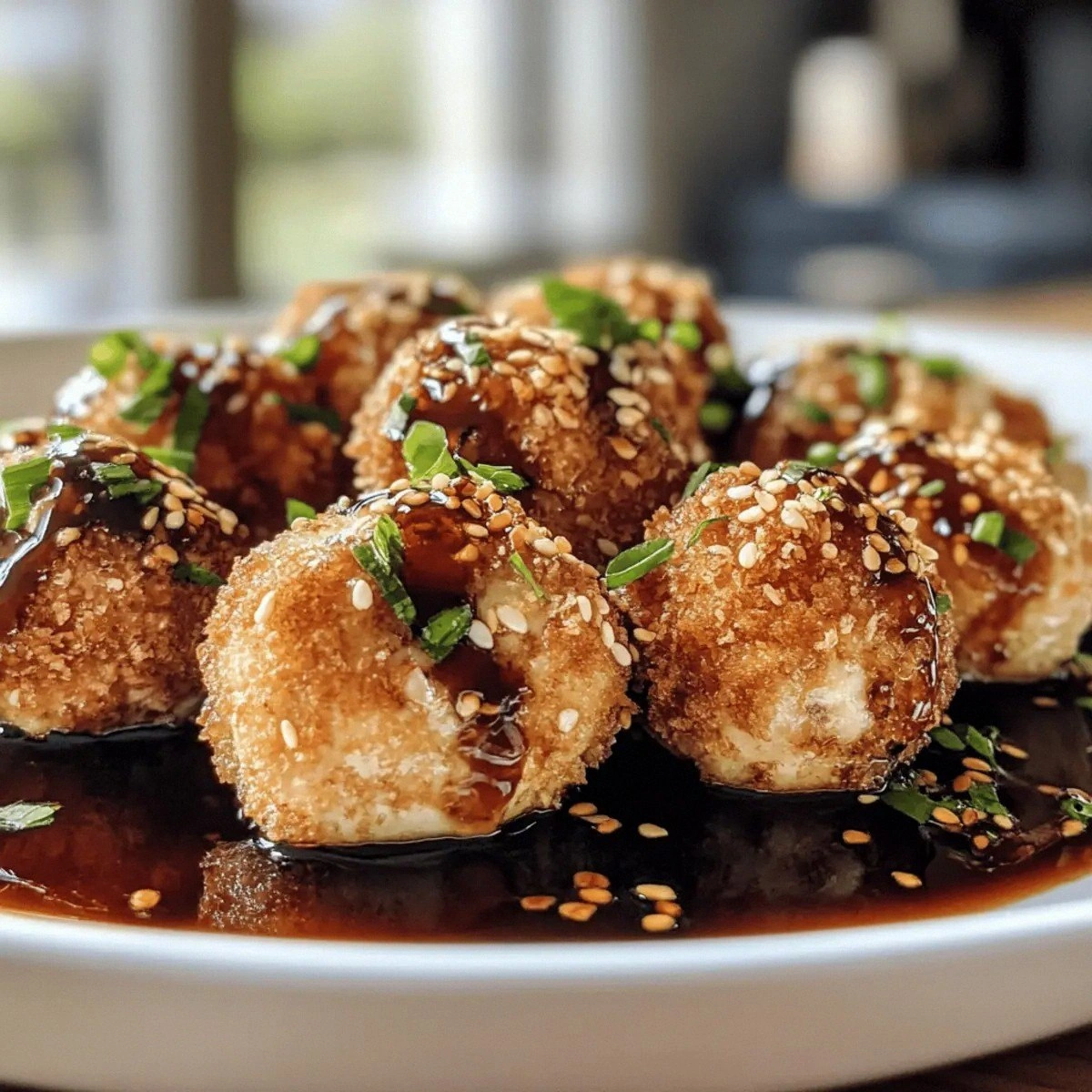
- Crisp‑Inside‑Soft‑Outside: The corn‑starch coating gives the balls a golden crust that shatters like thin ice, while the interior stays buttery soft, delivering a textural contrast that keeps you reaching for more.
- Simplicity Meets Sophistication: Only twelve ingredients, all pantry‑friendly, yet the result feels like a dish you’d order at a high‑end Asian bistro. No fancy gadgets, just a good pan and a bit of patience.
- Visual Appeal: The bright reds of the bell pepper and the green scallion speckles make these balls pop on any plate, turning a humble snack into a show‑stopper for parties.
- crowd‑Pleaser: I’ve served these at potlucks and the reactions range from “What is this?” to “I need the recipe now!” – a true conversation starter.
- Make‑Ahead Friendly: You can prep the tofu mixture and sauce a day ahead, then fry just before serving. The flavor actually deepens after a night in the fridge.
- Versatile Base: The tofu balls can be tossed in a salad, served with a dipping sauce, or even turned into a main‑course protein for a balanced meal.
- Health‑Conscious: Low in saturated fat, high in protein, and packed with vegetables, they fit perfectly into a balanced diet without sacrificing indulgence.
Inside the Ingredient List
The Flavor Base
The trio of soy sauce, vegetarian oyster sauce, and rice vinegar is the heart of this dish. Soy sauce brings that deep, salty umami that makes the palate sing, while the vegetarian oyster sauce adds a subtle sweetness and a hint of oceanic depth without any actual shellfish. Rice vinegar cuts through the richness with a bright acidity, balancing the overall profile. If you skip the oyster sauce, you’ll lose that nuanced sweetness, and the dish can feel flat. A quick swap? Use a dash of mushroom broth for a similar depth, but the authentic oyster note is hard to beat.
The Texture Crew
Corn starch is the unsung hero here – it creates a delicate veil that crisps up instantly when it meets hot oil. Too much and you’ll get a gummy coating; too little and the tofu will stick to the pan. The neutral oil (think canola or grapeseed) has a high smoke point, ensuring a clean, even fry without imparting unwanted flavors. If you’re watching calories, swap half the oil for a light spray, but don’t skimp on the heat – a hot pan is essential for that satisfying snap.
The Unexpected Star
Garlic and shallot bring aromatic depth that you can’t ignore. Four cloves of garlic, minced finely, release a sweet, caramelized aroma once they hit the pan, while the shallot adds a subtle onion‑like sweetness that rounds out the flavor. If you’re allergic to garlic, try a pinch of asafoetida (hing) – it mimics garlic’s pungency without the actual cloves. Skipping these aromatics would leave the sauce tasting one‑dimensional, so keep them in the mix.
The Final Flourish
Scallions and red bell pepper are not just for color; they add a fresh crunch that contrasts the tender tofu interior. The scallion’s mild onion bite brightens each bite, while the bell pepper contributes a sweet, juicy snap. If you’re out of red bell pepper, a diced carrot or even a handful of snap peas can provide a similar crunch. Finally, a teaspoon of sugar balances the acidity of the vinegar, ensuring the sauce glazes rather than drips.
Everything's prepped? Good. Let's get into the real action…
The Method — Step by Step
Start by pressing the tofu. Wrap the block in a clean kitchen towel, place a heavy skillet on top, and let it sit for at least 20 minutes. This removes excess moisture, which is crucial for achieving that coveted crisp. Once pressed, crumble the tofu into bite‑size pieces using your hands – this irregular texture helps the corn starch cling better. The scent of fresh tofu is subtle, but trust me, the magic happens after the press.
Now, create the coating. In a shallow bowl, whisk together the 2 tablespoons of corn starch with a pinch of salt. Toss the crumbled tofu in the starch mixture until every fragment is lightly dusted. This step is the game‑changer; the starch creates a barrier that locks in moisture while the exterior fries to a golden perfection. That sizzle when it hits the pan? Absolute perfection.
Kitchen Hack: Sprinkle a tiny dash of baking soda into the starch mix – it raises the pH and yields an even lighter, crispier crust.Heat 2 tablespoons of neutral oil in a large non‑stick skillet over medium‑high heat. When the oil shimmers (you’ll see tiny ripples), it’s ready. Carefully add the coated tofu in a single layer, giving each piece space to breathe. Overcrowding will steam the tofu instead of frying, resulting in soggy balls – a mistake many make. Let the tofu fry undisturbed for about 2‑3 minutes until the edges turn a deep amber.
Flip the tofu pieces using a spatula, allowing the other side to develop that same golden crust. As you turn them, you’ll hear a gentle crackle, a sign that the starch is doing its job. Add the minced garlic and sliced shallot to the pan now; they’ll aromatize the oil, infusing the tofu with a sweet, caramelized perfume. Stir gently, making sure the aromatics don’t burn – a burnt garlic note can ruin the entire dish.
While the tofu finishes cooking, whisk together the sauce: 3 tablespoons soy sauce, 2 tablespoons vegetarian oyster sauce, 2 tablespoons rice vinegar, 1 tablespoon sugar, and 1/4 cup water. This mixture should look glossy and slightly thickened. Once the tofu is crisp and the garlic is fragrant, pour the sauce over the pan. The sauce will bubble, thickening and clinging to each ball like a glossy glaze. Toss everything together so every surface is evenly coated.
Watch Out: If the sauce reduces too quickly and starts to burn, lower the heat and add a splash more water to keep it silky.Now, introduce the veggies. Add the sliced red bell pepper and the chopped scallions, stirring just enough to coat them in the sauce. The pepper should retain a slight crunch – you want that bright snap, not a mushy surrender. Cook for another 2 minutes; the vegetables will soften just enough to release their juices while preserving texture. This is the moment of truth: the sauce should be glossy, the tofu balls glossy, and the veggies vibrant.
Taste test time. Give the mixture a quick spoonful; you should notice a balanced salty‑sweet‑tangy profile with a hint of garlic warmth. If it feels a touch too salty, a drizzle of water can mellow it; if you crave more depth, a splash of extra soy sauce will do the trick. Remember, adjusting at this stage is easier than after plating.
Turn off the heat and let the pan sit for a minute. The residual heat will continue to thicken the glaze, giving each ball a lacquered finish. Transfer the tofu balls to a serving platter, arranging them in a single layer so each piece showcases its golden crust. Garnish with a few extra scallion ribbons for a pop of green.
Serve immediately with a side of steamed rice, a simple cucumber salad, or dip them in a spicy sriracha mayo. The contrast between the hot, crisp balls and the cool, crisp veggies creates a symphony of textures. And yes, I’ll be honest — I ate half the batch before anyone else got to try it, because the aroma was too intoxicating to resist. Stay with me here — this is worth it.
Insider Tricks for Flawless Results
The Temperature Rule Nobody Follows
A common mistake is starting with a cold pan. The oil needs to be hot enough that a single grain of corn starch sizzles instantly. If the oil is too cool, the coating will absorb oil and become greasy. I always preheat the skillet for at least a minute after adding the oil, then test with a tiny crumb. When that crumb pops and turns golden in 5 seconds, you’re ready. This little ritual guarantees that satisfying crunch every time.
Why Your Nose Knows Best
Your sense of smell is the secret gauge for doneness. As the tofu fries, the aroma shifts from neutral to a nutty, toasted scent. When you catch that faint caramel note, the crust is forming. If the smell turns smoky, you’ve crossed the line. Trust your nose more than a timer; it’s the most reliable kitchen companion.
The 5‑Minute Rest That Changes Everything
After frying, let the tofu balls rest on a paper‑towel‑lined plate for exactly five minutes. This brief pause allows excess oil to drain and the interior to settle, preventing a soggy bottom. The rest also lets the sauce set, giving each ball a glossy finish that doesn’t slide off. I once skipped this step and ended up with a greasy plate – lesson learned.
Sauce Timing – Add It Too Early, Lose Crunch
If you pour the sauce before the tofu is fully crisped, the coating will steam instead of fry, resulting in a soft, soggy exterior. The trick is to wait until the tofu has a firm, golden crust before introducing any liquid. This preserves the crunch while still allowing the sauce to cling beautifully.
The Secret of the “Dry‑Press‑Then‑Dust” Method
Pressing the tofu removes moisture, but the real magic lies in letting the crumbled tofu sit for a minute after dusting with corn starch. This brief pause lets the starch settle into the tofu’s crevices, creating a stronger bond that won’t flake off during frying. It’s a tiny extra step that makes a massive difference.
Creative Twists and Variations
This recipe is a playground. Here are some of my favorite ways to switch things up:
Spicy Chili‑Garlic Remix
Add 1 teaspoon of chili flakes to the sauce and a dash of sriracha for heat. The heat pairs beautifully with the sweet soy glaze, making the balls perfect for a game‑day snack.
Sesame‑Ginger Fusion
Swap the rice vinegar for a splash of toasted sesame oil and add 1 teaspoon of freshly grated ginger to the aromatics. The nutty aroma and ginger’s zing turn the dish into an Asian street‑food vibe.
Herb‑Infused Garden
Replace scallions with fresh cilantro and add a handful of chopped basil at the end. The herbaceous lift brightens the umami base, perfect for a summer brunch.
Crispy Coconut Crust
Mix 1 tablespoon of shredded coconut into the corn starch before coating. The coconut adds a subtle sweetness and an extra crunch that’s unexpected but delightful.
Cheesy Vegan Melt
Stir in 2 tablespoons of nutritional yeast into the sauce. It gives a cheesy undertone without dairy, making the balls a hit with vegans who love that cheesy flavor.
Storing and Bringing It Back to Life
Fridge Storage
Allow the tofu balls to cool completely, then transfer them to an airtight container. They’ll keep fresh for up to 3 days. When you’re ready to eat, reheat in a hot skillet for 3‑4 minutes; the crust will revive, and the sauce will glisten again.
Freezer Friendly
Lay the cooled balls on a parchment‑lined tray and freeze for 1‑2 hours, then move them to a zip‑top bag. They’ll stay good for up to a month. To serve, bake at 375°F for 12‑15 minutes or pan‑fry directly from frozen – no thawing needed.
Best Reheating Method
Add a tiny splash (about 1 tablespoon) of water to the pan before reheating. The steam revives the interior while the oil restores the crisp exterior. Avoid microwaving – it makes the coating soggy and the sauce watery.