Picture this: the kitchen is a chaotic symphony of sizzling pans, the air thick with the scent of onions caramelizing, and you, armed with a slow cooker, about to transform a humble batch of lentils into a fragrant, velvety curry that will make your taste buds do a happy dance. I was halfway through a week of bland, reheated dinners when my friend dared me to whip up something that could stand in for a restaurant’s signature dish, and I accepted the challenge with a grin. That night, I reached for red lentils, coconut milk, a splash of lime, and a generous spoonful of red curry paste, and the kitchen turned into a tropical island of aromas. The moment the curry hit the pot, the room filled with a warm, nutty perfume that felt like a hug from the tropics, and I knew I had stumbled onto something extraordinary.
I’m not one to keep a secret, so let’s dive straight into the heart of this recipe. From the first stir to the final garnish, every step is designed to unlock the full potential of each ingredient. This version is not just another “curry” – it’s a masterclass in balance, where the coconut’s silky sweetness meets the lentils’ hearty bite, all wrapped in a bright, peppery sauce that sings with citrus. The best part? The slow cooker does all the heavy lifting, so you can set it, forget it, and return to a kitchen that smells like a summer vacation. I dare you to taste this and not go back for seconds. Trust me, this is hands down the best version you'll ever make at home.
If you’ve ever felt overwhelmed by the endless variations of curry, you’re not alone. Most recipes get this completely wrong by overloading with spices or undercooking the lentils, resulting in a dry, uncoordinated mess. I’ve tried every textbook version, and each time I found myself reaching for a splash of coconut milk or a squeeze of lime to salvage the dish. This one, however, is a game-changer: it’s simple, yet layered; it’s quick to assemble, but the slow cooker turns it into a comforting, soul‑warming feast. The moment the lentils soften, the sauce thickens to a silky consistency that coats the grains like velvet. Picture yourself pulling this out of the slow cooker, the whole kitchen smelling incredible, and knowing you’re about to serve a dish that will impress even the most discerning palate.
So, buckle up. Let me walk you through every single step — by the end, you'll wonder how you ever made it any other way. I’ll share the secrets that keep the lentils tender, the coconut milk from separating, and the curry from becoming a bland, generic stew. I’ll also toss in a few kitchen hacks that save time and elevate flavor. And don’t worry, if you’re new to slow cooking, I’ll keep the instructions crystal clear. Let’s get started.
What Makes This Version Stand Out
- Flavor: The combination of red curry paste and coconut milk creates a depth of flavor that feels both exotic and comforting, unlike the dry, over‑spiced curries you’ve tasted before.
- Texture: The lentils remain tender but distinct, avoiding the mushy mess that often plagues slow‑cooked dishes.
- Time Efficiency: Prep takes only 15 minutes, while the slow cooker does the heavy lifting, giving you a full meal ready in under an hour.
- Ingredient Quality: Fresh ginger and garlic are used in generous amounts, giving the dish a bright, aromatic kick that balances the richness of coconut.
- Crowd Appeal: Whether you’re feeding a family or a group of friends, the vibrant colors and fragrant aroma make this dish a crowd‑pleaser.
- Make‑Ahead Potential: The curry holds up beautifully in the fridge and even improves in flavor the next day.
- Health Boost: Lentils provide protein and fiber, while coconut milk adds healthy fats, making this dish both satisfying and nourishing.
- Versatility: Serve it over rice, quinoa, or even cauliflower rice for a low‑carb option.
Alright, let's break down exactly what goes into this masterpiece…
Inside the Ingredient List
The Flavor Base
Red curry paste: This is the soul of the dish, providing a warm, slightly sweet, and peppery foundation. If you prefer a milder version, reduce the amount to one tablespoon, but be prepared for a less punchy flavor. Skipping it will leave the curry flat and lacking depth. For a homemade alternative, blend red chilies, shallots, lemongrass, and a touch of garlic.
Coconut milk: The creamy, nutty base that balances the heat of the curry paste. Use full‑fat for the richest flavor; low‑fat will make the sauce thinner. If you’re watching calories, you can substitute with light coconut milk, but the texture will change slightly. Coconut milk also helps prevent the lentils from drying out during slow cooking.
The Texture Crew
Red lentils: These lentils cook quickly and absorb flavors beautifully, creating a hearty yet tender texture. Rinsing them removes excess starch and prevents clumping. If you prefer a firmer bite, use green lentils, but they’ll need a longer cooking time.
Carrots and potatoes: These vegetables add sweetness and a subtle earthiness. Dice them into bite‑sized pieces so they cook evenly. If you’re avoiding starch, replace potatoes with zucchini or butternut squash.
The Unexpected Star
Fresh ginger and garlic: These aromatics bring a bright, zesty punch that cuts through the richness of coconut. Mince them finely to release maximum flavor. If you’re a garlic lover, double the amount; if you’re sensitive to ginger, reduce it slightly.
The Final Flourish
Fresh cilantro and lime: The bright, citrusy notes finish the dish with a refreshing lift. Add cilantro just before serving to maintain its vibrant color and flavor. If you’re not a fan of cilantro, parsley can be a mild substitute, though the aroma will differ.
Everything's prepped? Good. Let's get into the real action…
The Method — Step by Step
- Step 1: Rinse and soak. Place the red lentils in a fine mesh sieve and rinse under cold water until the water runs clear. This removes dust and any bitter residue. Soak them for 10 minutes to reduce cooking time; this step is optional but recommended for a smoother texture. Drain well and set aside. The lentils will absorb the flavors of the curry more readily after rinsing.
- Step 2: Sauté aromatics. In a large skillet over medium heat, add one tablespoon of coconut oil and swirl to coat. Add the diced onion, minced garlic, and ginger, and sauté for 3–4 minutes until the onion turns translucent and the mixture smells fragrant. The goal is a golden, caramelized base that will carry the curry’s warmth. Don’t rush this step; a slow, even sauté brings out the sweetness of the aromatics.
- Step 3: Add curry paste. Stir in two tablespoons of red curry paste and let it toast for 1–2 minutes. The paste should release a bright, peppery aroma, indicating that the oils have fully integrated. This step is the moment of truth; if it smells burnt, reduce the heat immediately. Toasting the paste unlocks its full potential, turning a simple sauce into a complex, layered flavor profile.
- Step 4: Layer the vegetables. Add the diced carrots, cubed potato, and a pinch of salt to the skillet. Toss everything together so the vegetables are coated in the aromatic base. This ensures each piece of carrot and potato absorbs the curry’s heat and sweetness. If you’re using a different vegetable, just follow the same logic—coat, then combine.
- Step 5: Combine liquids. Pour in one cup of vegetable broth and one can of coconut milk. Add one tablespoon of tomato paste, one teaspoon of ground cumin, and one teaspoon of ground coriander. Stir until the tomato paste dissolves and the mixture becomes a homogeneous sauce. The broth keeps the curry from drying out while the coconut milk adds creaminess.
- Step 6: Transfer to slow cooker. Move the entire skillet contents into the slow cooker, ensuring the lentils and vegetables are evenly distributed. Cover and set to low heat for 3 hours. During this time, the lentils will soften, the flavors will meld, and the sauce will thicken. Keep the lid on to retain moisture and heat.
- Step 7: Check the lentils. After 3 hours, stir the curry gently. The lentils should be tender but not mushy, and the sauce should have thickened to a silky consistency. If you prefer a thicker sauce, let it cook for an additional 15 minutes; if it’s too thick, add a splash of water or broth.
- Step 8: Finish with fresh herbs. Stir in a handful of chopped cilantro and squeeze the juice of one lime over the curry. This brightens the dish and adds a fresh, citrusy lift that balances the richness. Taste and adjust salt and pepper as needed. The final touch is a drizzle of coconut oil for a glossy finish.
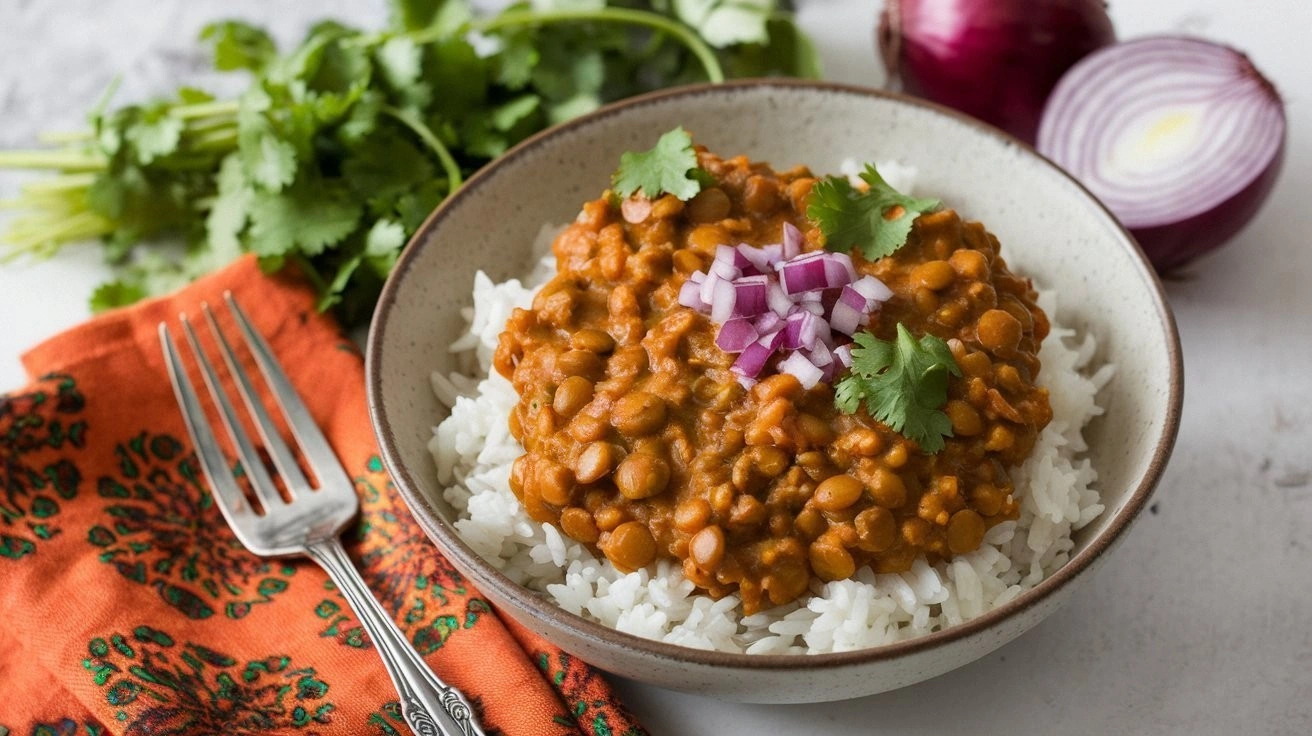
- Step 9: Serve. Ladle the curry over steamed rice, quinoa, or cauliflower rice. Garnish with extra cilantro, lime wedges, and a sprinkle of toasted coconut flakes if you’re feeling indulgent. This dish is best served hot, with a side of warm naan or flatbread for scooping. Enjoy the explosion of flavors that will leave your guests raving.
That's it — you did it. But hold on, I've got a few more tricks that'll take this to another level…
Insider Tricks for Flawless Results
The Temperature Rule Nobody Follows
Many slow cooker enthusiasts set their pot to high, thinking it will cook faster, but this actually leads to uneven cooking and a loss of flavor. Keep the heat low for the first three hours; the lentils will slowly soften while the spices integrate. After the low phase, you can switch to high for a quick 15‑minute finish if you’re in a hurry, but the low‑heat method delivers a richer, more cohesive taste.
Why Your Nose Knows Best
Smell is your best judge of doneness. As the curry simmers, you’ll notice a nutty, toasted aroma from the coconut milk and a sharp, peppery scent from the curry paste. When the lentils are tender, the scent will be warm and inviting. Trust your nose; if it smells slightly burnt, lower the heat immediately.
The 5‑Minute Rest That Changes Everything
After turning off the slow cooker, let the curry sit covered for 5 minutes before serving. This brief rest allows the flavors to settle and the sauce to thicken slightly, creating a more cohesive mouthfeel. It also gives the lentils a chance to absorb any remaining liquid, ensuring each bite is flavorful.
The Fresh Herb Boost
Adding cilantro and lime just before serving brings a bright, fresh contrast to the rich, creamy sauce. If you’re looking to add a pop of color, sprinkle toasted coconut flakes or a dash of paprika on top. These simple additions elevate the dish from comforting to celebratory.
The Quick Fix for Over‑Spiced Curries
If you find the curry too spicy, add a tablespoon of plain yogurt or a splash of coconut milk to mellow the heat. Stir until fully incorporated, then taste again. This quick fix balances heat without diluting flavor, making the dish approachable for all palates.
Creative Twists and Variations
This recipe is a playground. Here are some of my favorite ways to switch things up:
Spicy Peanut Twist
Swap the coconut milk for a mix of coconut milk and creamy peanut butter. Add a tablespoon of peanut sauce and a pinch of cayenne pepper. The result is a nutty, spicy curry that pairs beautifully with jasmine rice. Your guests will be begging for the recipe.
Mild Coconut‑Lemon Variation
Reduce the curry paste to one tablespoon and replace the lime with a squeeze of fresh lemon. This version offers a bright, citrusy profile that’s less intense but equally refreshing. It’s perfect for a light, summery dinner.
Vegetable Medley Edition
Add chopped bell peppers, spinach, or kale during the last 30 minutes of cooking. These greens wilt into the sauce, adding color, nutrients, and a subtle earthiness. This version is a one‑pot, nutrient‑dense meal.
Protein‑Packed Variation
Stir in a cup of cooked chickpeas or diced tofu during the last 15 minutes of cooking. They’ll absorb the curry’s flavors and add a satisfying bite. This version is ideal for vegans or those looking to bulk up the protein content.
Garnish with Crunch
Top the finished curry with a handful of roasted cashews or sliced almonds. The crunch contrasts the creamy sauce and adds a nutty finish. This simple garnish transforms the dish into a gourmet experience.
Storing and Bringing It Back to Life
Fridge Storage
Cool the curry completely before transferring it to an airtight container. Store in the refrigerator for up to 4 days. The flavors will deepen, and the lentils will remain tender. When reheating, add a splash of water or broth to re‑moisturize.
Freezer Friendly
Portion the curry into freezer‑safe containers and freeze for up to 3 months. Thaw overnight in the refrigerator before reheating. The lentils retain their texture, and the sauce remains silky.
Best Reheating Method
Reheat the curry in a saucepan over low heat, stirring frequently. Add a tiny splash of water or coconut milk to restore the sauce’s consistency. Heat until hot but not boiling to preserve the delicate flavors. Serve immediately for the best experience.