Picture this: I’m frantically juggling a half‑cooked pot of pasta, a pan that’s smoking like a tiny furnace, and a phone that keeps buzzing with a friend daring me to make something “spicy enough to make a grown man weep.” I had already burnt the garlic in a previous attempt, and the kitchen smelled like a cheap barbecue gone wrong. That disaster sparked a fire under me—literally—and I vowed to create a dish that would turn those kitchen mishaps into a triumph of flavor. I dove into my spice rack, grabbed the boldest Cajun blend I could find, and whispered a secret promise to the honey and butter that were about to meet in a sizzling tango.
The moment the butter hit the pan, it sang a low, buttery hum that made my heart skip a beat. The aroma of Cajun spices hit the air like a warm Southern breeze, while the honey dripped in a golden cascade, coating the chicken in a glossy glaze that reminded me of caramelized sunrise. I could hear the pasta slurping against the pot’s side, the clink of the spoon against the skillet, and the faint crackle of the sauce as it thickened—each sound a promise of the mouth‑watering experience to come. My senses were on overload, and I could already taste the buttery heat hugging each noodle, the chicken’s crisp edges shattering like thin ice under a gentle press.
Most recipes I’ve tried either drown the chicken in a watery sauce or make the pasta soggy and limp. This version, however, strikes the perfect balance: the chicken stays juicy with a caramelized crust, the pasta is al dente and coated in a sauce that clings like velvet, and the sweet‑spicy combo dances on the palate without overwhelming it. I dared to add a splash of lemon juice at the end—a tiny twist that brightens the whole dish and prevents the honey from turning cloyingly sweet. The result? A bowl of comfort that feels like a celebration, a dish that will have you shouting, “I dare you to taste this and not go back for seconds!”
Let me walk you through every single step — by the end, you’ll wonder how you ever made it any other way.
What Makes This Version Stand Out
- Flavor Explosion: The Cajun seasoning delivers smoky heat, while honey adds a mellow sweetness that balances the heat without muting it.
- Texture Harmony: Crispy, caramelized chicken pieces meet silky, buttery pasta, creating a contrast that keeps every bite interesting.
- Simplicity: Only ten pantry staples are needed, and the entire dish comes together in under an hour, making it perfect for weeknight warriors.
- Unique Ingredient Pairing: Honey and Cajun rarely share a stage, but together they form a sauce that’s both sweet and daringly spicy.
- Crowd‑Pleaser Factor: Even the pickiest eaters fall in love with the buttery richness and the gentle kick of heat.
- Ingredient Quality: Using fresh garlic, real butter, and high‑quality Cajun blend elevates the dish from ordinary to unforgettable.
- Cooking Method: Searing the chicken first locks in juices, while finishing everything in the same pan builds layers of flavor.
- Make‑Ahead Potential: This dish reheats beautifully, and the sauce can be frozen for future cravings.
Inside the Ingredient List
The Flavor Base
First up, the Cajun seasoning. This blend of paprika, garlic powder, onion powder, and a touch of cayenne is the heart‑beat of the dish, delivering a smoky, earthy heat that’s unmistakably Southern. If you skip it, you’ll lose that signature kick and the dish will feel flat; trust me, it’s not worth the compromise. You can make your own by mixing equal parts smoked paprika, dried thyme, and oregano, then adding a pinch of salt and a dash of cayenne to taste. Look for a vibrant, deep‑red powder that smells aromatic—if it’s dull, the flavor will be too.
Next, the honey. This golden elixir isn’t just for sweetness; it helps caramelize the chicken and adds a glossy finish that makes the sauce look restaurant‑ready. Using a mild, floral honey (like clover) keeps the flavor balanced, while a darker honey would dominate with a robust, almost molasses‑like taste. If you’re allergic to honey, maple syrup works as a decent stand‑in, though the flavor profile will shift toward a richer, earthier note.
The Texture Crew
The butter is the unsung hero, providing richness that carries the spice and honey throughout the dish. Using unsalted butter lets you control the salt level precisely, preventing the sauce from becoming overly salty. When the butter melts, it creates a velvety base that clings to every strand of pasta, ensuring each bite is uniformly coated. If you’re watching calories, you can substitute half the butter with a light olive oil, but expect a slightly less decadent mouthfeel.
Heavy cream adds body and a silky finish, turning the sauce from a thin glaze into a luscious coat that drapes over the pasta like a satin shawl. Skipping the cream will result in a thinner sauce that may not adhere as well, leaving the pasta dry and the chicken’s glaze less glossy. For a dairy‑free version, coconut cream works surprisingly well, offering a subtle tropical undertone that pairs nicely with the Cajun heat.
The Unexpected Star
Parmesan cheese brings a salty, nutty depth that amplifies the other flavors without overwhelming them. Freshly grated Parmesan melts into the sauce, thickening it and adding a subtle umami boost. If you omit the cheese, the sauce may feel a bit thin and lack that savory backbone. For a sharper punch, add a splash of Pecorino Romano; just remember it’s saltier, so adjust the added salt accordingly.
Fresh parsley isn’t just a garnish; its bright, herbaceous note cuts through the richness, refreshing the palate between bites. A handful of chopped parsley folded in at the end adds color and a burst of freshness that balances the heat. If parsley isn’t your thing, cilantro can be used for a slightly citrusy twist, but it will change the flavor profile toward a more Mexican vibe.
The Final Flourish
Garlic, minced just before adding it to the pan, provides an aromatic foundation that elevates the entire dish. Over‑cooking garlic turns it bitter, so add it when the butter is melted and the pan is hot, letting it sizzle for about 30 seconds before moving on. Olive oil helps sear the chicken without burning, ensuring a golden crust while keeping the meat tender inside. Salt and pepper are the final seasoning touches—always taste before serving, because the Cajun blend already carries a salt component.
Everything’s prepped? Good. Let’s get into the real action…
The Method — Step by Step
Start by bringing a large pot of salted water to a rolling boil. Add the penne pasta and cook until just al dente—about 9 minutes—then drain, reserving one cup of the starchy cooking water. That water will be your secret weapon for loosening the sauce later. While the pasta cooks, pat the chicken pieces dry and toss them in a bowl with Cajun seasoning, ensuring each bite‑size piece is evenly coated. This step is crucial: the seasoning needs to cling, not slide off.
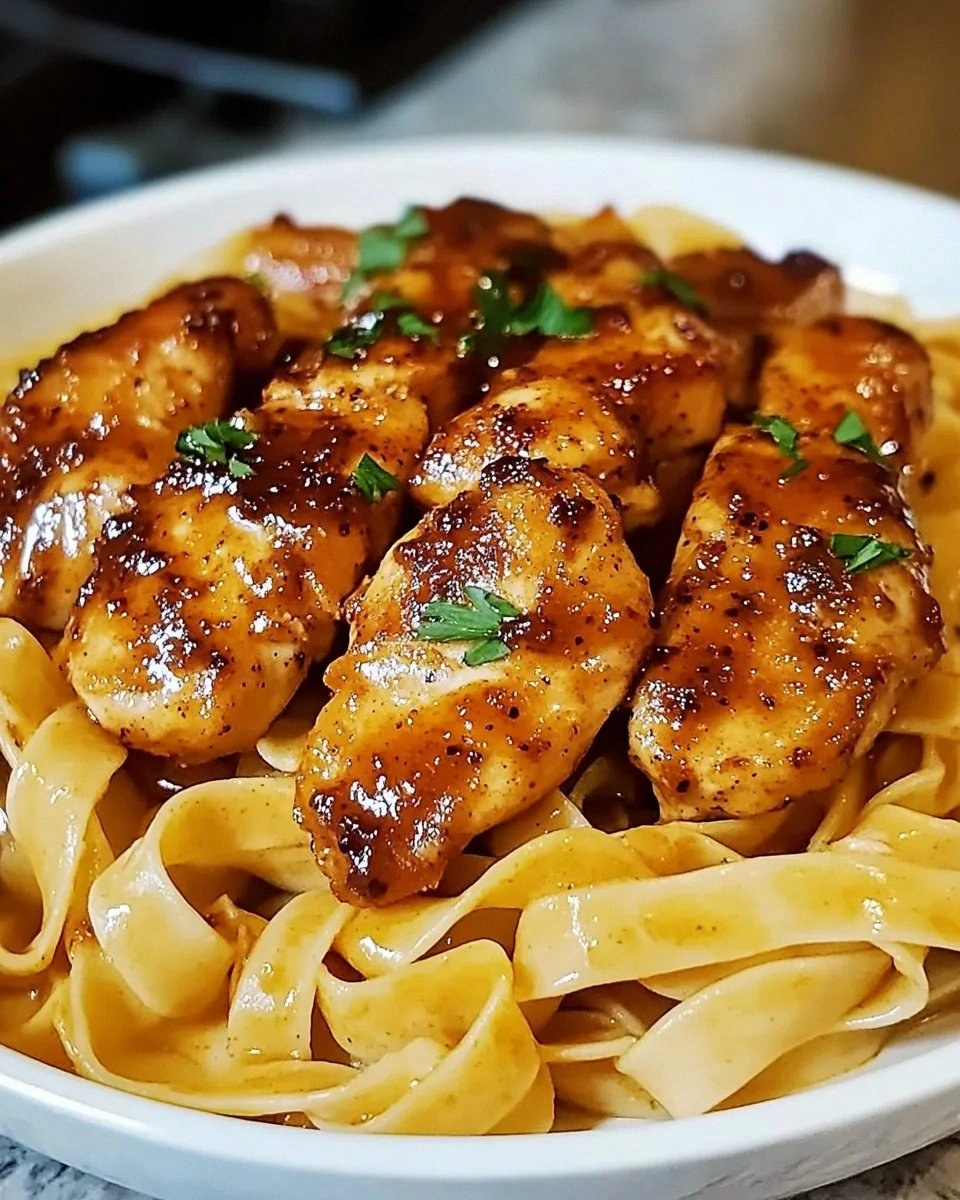
Heat a large skillet over medium‑high heat and add olive oil followed by 2 tablespoons of butter. Once the butter foams and turns a light amber, it’s time to add the chicken. Sear the pieces for 3‑4 minutes per side, letting them develop a deep golden crust that will later crack like thin ice under a fork.
That sizzle when it hits the pan? Absolute perfection.Kitchen Hack: Don’t overcrowd the pan; if necessary, sear the chicken in two batches to maintain that perfect caramelization.When the chicken is beautifully browned, remove it from the skillet and set aside on a warm plate. In the same pan, add the remaining tablespoon of butter and the minced garlic. Stir constantly for about 30 seconds until the garlic becomes fragrant but not brown—watch it like a hawk, because burnt garlic will ruin the whole sauce.
Now drizzle the honey over the garlic and let it bubble for another minute, allowing it to caramelize slightly. This is the moment where the sweet and smoky notes begin their flirtation. As the honey thickens, pour in the heavy cream, stirring continuously to blend the flavors into a cohesive sauce. The mixture should turn a soft, buttery gold and begin to thicken within 2‑3 minutes.
Stir in the grated Parmesan cheese, letting it melt into the sauce and further thicken the mixture. If the sauce looks too thick, splash in a little of that reserved pasta water—just a tablespoon at a time—until you reach a silky, pourable consistency.
Kitchen Hack: Use a whisk to incorporate the cheese smoothly; it prevents clumps and gives the sauce a glossy finish.Return the seared chicken to the skillet, tossing it gently to coat each piece in the honey‑Cajun glaze. Let the chicken simmer in the sauce for 2‑3 minutes, allowing the flavors to meld and the meat to finish cooking through. At this point, the sauce should cling to the chicken like a buttery veil, and you’ll notice a faint aroma of caramelized sugar mingling with the smoky spice.
Time to bring the pasta into the party. Add the drained penne to the skillet, tossing everything together so every noodle is luxuriously coated. If the sauce seems too thick, drizzle in a little more of the reserved pasta water—this not only loosens the sauce but also helps the starches bind, creating a glossy finish.
The sauce should now look like a velvety river flowing through the pasta valleys.Watch Out: Do not over‑mix; you want the pasta to stay distinct, not mushy.Finish with a generous handful of chopped fresh parsley and a squeeze of lemon juice. The lemon’s acidity lifts the dish, preventing the honey from feeling overly sweet and giving a bright pop that makes the flavors sing. Give everything one final toss, then taste and adjust salt or pepper if needed. This final seasoning step is where you truly become the chef, trusting your nose and palate over any recipe instruction.
Serve the dish hot, straight from the pan or plated in shallow bowls to keep the sauce from cooling too quickly. Garnish with an extra sprinkle of Parmesan and a drizzle of honey if you’re feeling extra indulgent. That first bite? Expect a cascade of buttery richness, a gentle heat that tingles the tongue, and a sweet finish that makes you sigh with satisfaction. I dare you to taste this and not go back for seconds—trust me, you’ll be back.
That’s it — you did it. But hold on, I’ve got a few more tricks that’ll take this to another level…
Insider Tricks for Flawless Results
The Temperature Rule Nobody Follows
Never start with a cold pan. Preheat your skillet for at least two minutes over medium‑high heat before adding any fat. A hot surface ensures the chicken sears instantly, locking in juices and creating those coveted caramelized edges. I once tried to save time by adding the chicken to a cold pan; the result was a soggy, pale mess that tasted like boiled meat. Trust the heat, and the flavor will thank you.
Why Your Nose Knows Best
Before you even taste, let your nose do the work. When the sauce starts to bubble and you smell the sweet‑smoky perfume, you’re at the perfect consistency. If the aroma is too faint, the sauce is likely under‑reduced; keep simmering a minute or two longer. Conversely, if the scent becomes sharp and slightly burnt, you’ve over‑cooked and should lower the heat immediately.
The 5‑Minute Rest That Changes Everything
After you’ve tossed the pasta and chicken together, remove the pan from heat and let it sit for five minutes, loosely covered with foil. This short rest lets the starches in the pasta absorb the sauce, resulting in a creamier coating that feels like a silk scarf draped over each noodle. Skipping this step often leaves the sauce sliding off the pasta, making the dish feel disjointed.
Butter‑First, Then Oil
Starting with butter gives flavor, but butter alone can burn at high temperatures. Adding a splash of olive oil raises the smoke point, allowing you to sear the chicken without the butter turning bitter. This combo creates a golden crust while preserving the butter’s rich taste—a win‑win for any pan‑seared protein.
Don’t Forget the Pasta Water
The starchy water is liquid gold. It not only loosens a thick sauce but also helps the sauce cling to the pasta, thanks to the released starches acting like a natural emulsifier. Add it gradually, stirring constantly, until you achieve that glossy, restaurant‑style sheen. Without it, the sauce can separate, leaving a greasy film on the plate.
Creative Twists and Variations
This recipe is a playground. Here are some of my favorite ways to switch things up:
Smoky Chipotle Swap
Replace the Cajun blend with chipotle powder and smoked paprika for a deeper, smoky heat. Add a teaspoon of adobo sauce for extra complexity. This version leans into a Mexican vibe and pairs beautifully with a sprinkle of cotija cheese.
Creamy Avocado Finish
Stir in half a ripe avocado, mashed, right before serving. The avocado adds a buttery mouthfeel and a subtle green hue, while also cooling the spice level just enough for those who prefer milder heat. Top with a dash of lime juice for a fresh zing.
Veggie‑Loaded Boost
Throw in a cup of roasted red peppers and a handful of baby spinach during the last minute of cooking. The peppers add sweetness, and the spinach wilts into the sauce, boosting nutrition without compromising flavor. This makes the dish a bit more balanced for a family dinner.
Seafood Fusion
Swap the chicken for peeled shrimp or scallops. The seafood cooks in just 2‑3 minutes, so adjust the cooking time accordingly. The sweet‑spicy sauce clings wonderfully to the delicate flesh, turning a classic into a coastal delight.
Herbaceous Mediterranean
Replace parsley with fresh basil and add a teaspoon of oregano. Finish with crumbled feta instead of Parmesan for a tangy, salty twist. The herb profile shifts toward Mediterranean, making it a perfect accompaniment to a glass of crisp white wine.
Vegan Version
Use firm tofu cubes, tossed in the same Cajun seasoning, and replace butter with vegan margarine. Swap heavy cream for coconut cream and use nutritional yeast in place of Parmesan. The result is a plant‑based dish that still delivers that luscious, buttery glaze.
Storing and Bringing It Back to Life
Fridge Storage
Allow the dish to cool to room temperature, then transfer it to an airtight container. It will keep beautifully for up to three days. When reheating, add a splash of milk or water and stir gently over low heat to revive the sauce’s silkiness.
Freezer Friendly
Portion the cooked pasta and sauce (without the fresh parsley) into freezer‑safe bags or containers. Freeze for up to two months. To reheat, thaw overnight in the fridge, then warm gently on the stovetop, adding a tablespoon of butter and a drizzle of honey to refresh the flavor.
Best Reheating Method
For the ultimate texture, reheat in a skillet over medium heat, adding a tiny splash of water or broth. Cover for a minute to steam, then uncover and toss until the sauce glistens again. Microwaving works in a pinch, but you’ll lose some of that delightful caramelized edge.