I was standing in my cramped kitchen, staring at a half‑smashed ramen packet, a jar of gochujang that looked more like a secret weapon, and a single egg that seemed to be auditioning for a cameo. The microwave had betrayed me again, leaving the noodles soggy and the broth a dull, lifeless gray. My friend had dared me to make the ultimate spicy Korean ramen, and I was determined to win that challenge. I grabbed a pot, set the heat to medium, and whispered, “This is going to be the best version you’ll ever make at home.”
The moment the broth hit the pot, a faint sizzle erupted, like tiny fireworks in a quiet room. Steam curled upward, carrying the sharp scent of kimchi and the buttery aroma of toasted sesame oil. My eyes widened at the sight of the noodles—slender, slightly translucent, waiting to be drenched. The air filled with the promise of heat, the clink of a spoon, and the satisfying crack of a soft‑boiled egg that would soon break its shell. I could almost taste the first bite: a fiery, umami‑rich broth that clings to the noodles like velvet, a contrast of crunchy kimchi, and a silky, golden yolk that melts into a luscious sauce.
What makes this recipe a game‑changer is that it doesn’t rely on a complicated sauce or a pantry full of exotic ingredients. It turns a humble ramen packet into a culinary masterpiece by layering flavor, texture, and a touch of Korean alchemy. I dare you to taste this and not go back for seconds. The secret lies in balancing the heat of gochugaru with the depth of gochujang, the bright acidity of kimchi, and the nutty warmth of sesame oil. And if you’ve ever struggled with bland instant noodles, you’re not alone—this is the fix you’ve been waiting for.
Picture yourself pulling this bowl out of the pot, steam swirling like a halo, and the aroma filling the kitchen. That sizzle when it hits the pan? Absolute perfection. The first spoonful is a burst of heat that lingers, a gentle warmth that settles in your chest, and a flavor profile that feels like a hug from a Korean grandmother. This isn’t just a recipe; it’s an invitation to savor the moment, to feel the heat, and to share a bowl of pure joy with friends or family. Let me walk you through every single step—by the end, you’ll wonder how you ever made it any other way.
What Makes This Version Stand Out
- Flavor: The combination of gochujang and gochugaru creates a layered heat that is both sharp and mellow, unlike the single‑source spiciness of many ramen dishes.
- Texture: The ramen noodles are cooked to al dente, offering a satisfying chew that resists the broth’s heaviness, while the kimchi adds a delightful crunch.
- Authenticity: Each ingredient is chosen for its role in Korean cuisine—kimchi for fermentation, sesame oil for aroma, and soft‑boiled egg for a silky interior.
- Speed: From start to finish, this recipe takes just 20 minutes, making it a perfect weeknight dinner or a last‑minute party staple.
- Versatility: The base can be tweaked with tofu, shrimp, or even a dash of cheese for those who want to experiment.
- Crowd‑Pleaser: The bold flavors and visual appeal make it a hit at gatherings, and most people will come back for seconds.
- Ingredient Quality: Using fresh ginger, fresh garlic, and high‑quality gochujang elevates the dish beyond the ordinary.
- Make‑Ahead Potential: You can prep the broth and the sauce ahead of time, then assemble the noodles right before serving for a hands‑off experience.
Alright, let's break down exactly what goes into this masterpiece...
Inside the Ingredient List
The Flavor Base
The broth is the heart of this dish. Using 2 cups of chicken or vegetable broth provides a savory backdrop that lets the gochujang shine. If you’re aiming for a richer flavor, swap the chicken broth for beef broth or even a kombu dashi for a subtle umami lift. Skipping the broth would turn this into a dry noodle dish, losing the comforting, silky coating that defines ramen.
The Heat Engine
The gochujang and gochugaru are the dynamic duo that delivers both depth and intensity. Gochujang, a fermented chili paste, offers sweetness and umami, while gochugaru, the Korean chili flakes, adds a dry, peppery heat. If you can’t find gochujang, a mix of Korean chili paste and a splash of soy sauce will do, but you’ll miss the fermented complexity.
The Unexpected Star
Kimchi isn’t just a garnish; it’s a fermented powerhouse that brings bright acidity, crunch, and a subtle tang. Use 1/4 cup of well‑fermented kimchi, preferably one that’s a week or more old, to avoid the overly sour flavor of very fresh kimchi. If you’re not a fan of kimchi, a small handful of pickled radish or even a splash of kimchi juice can mimic its zing.
The Final Flourish
The toasted sesame oil and sesame seeds add a nutty aroma and a subtle crunch that elevate the dish from simple to sublime. Toasting the sesame oil until it’s golden but not burnt releases its essential oils, giving the broth a fragrant, roasted note. If you’re on a low‑sodium diet, reduce the soy sauce to 1/2 teaspoon or replace it with a low‑sodium soy alternative.
Everything's prepped? Good. Let's get into the real action...
The Method — Step by Step
- Bring the 2 cups of broth to a rolling boil in a medium saucepan. Add the 1 package of instant ramen noodles, but do not stir. Let them sit for 2 minutes; this gives the noodles a head start and keeps them from becoming soggy when you add the rest of the ingredients. While the noodles are soaking, mince the garlic and grate the fresh ginger.
- Add the 1‑2 tablespoons of gochujang to the boiling broth, stirring until it’s completely dissolved. The broth should start to thicken slightly and take on a deep, vibrant color. This is the moment of truth—if the gochujang is too clumpy, give it another minute to melt into the liquid.
- Introduce the 1 teaspoon of gochugaru. The chili flakes should sizzle as they hit the hot liquid, releasing their peppery aroma. Let the mixture simmer for 3 minutes; the broth should develop a fragrant steam that wafts up to your nose and signals that the flavors are marrying.
- Stir in the minced garlic, grated ginger, and 1 teaspoon of soy sauce. The aromatics should infuse the broth, creating a complex base that’s both savory and slightly sweet. Taste the broth; it should be hot but balanced, not overpowering.
- Add the 1/4 cup of kimchi and 1/2 teaspoon of toasted sesame oil. The kimchi will release its juices, giving the broth a bright, tangy note. The sesame oil should coat the surface with a glossy sheen, hinting at the nutty finish to come.
- Reduce the heat to low and let the soup simmer gently for an additional 2 minutes. The noodles will finish cooking, absorbing the flavors while maintaining a firm bite. Watch the edges of the noodles pull away from the pot; that’s the sign they’re ready.
- Meanwhile, bring a separate pot of water to a rolling boil and gently slide in a raw egg. Boil for 7 minutes for a slightly runny yolk, or 9 minutes for a firmer center. Once done, transfer the egg to a bowl of ice water for 30 seconds to stop the cooking process and make peeling easier.
- Drain the noodles, reserving a splash of the cooking liquid, and then return them to the pot. Pour the broth over the noodles, stirring to coat each strand evenly. The broth should coat the noodles like velvet, not pool on the bottom.
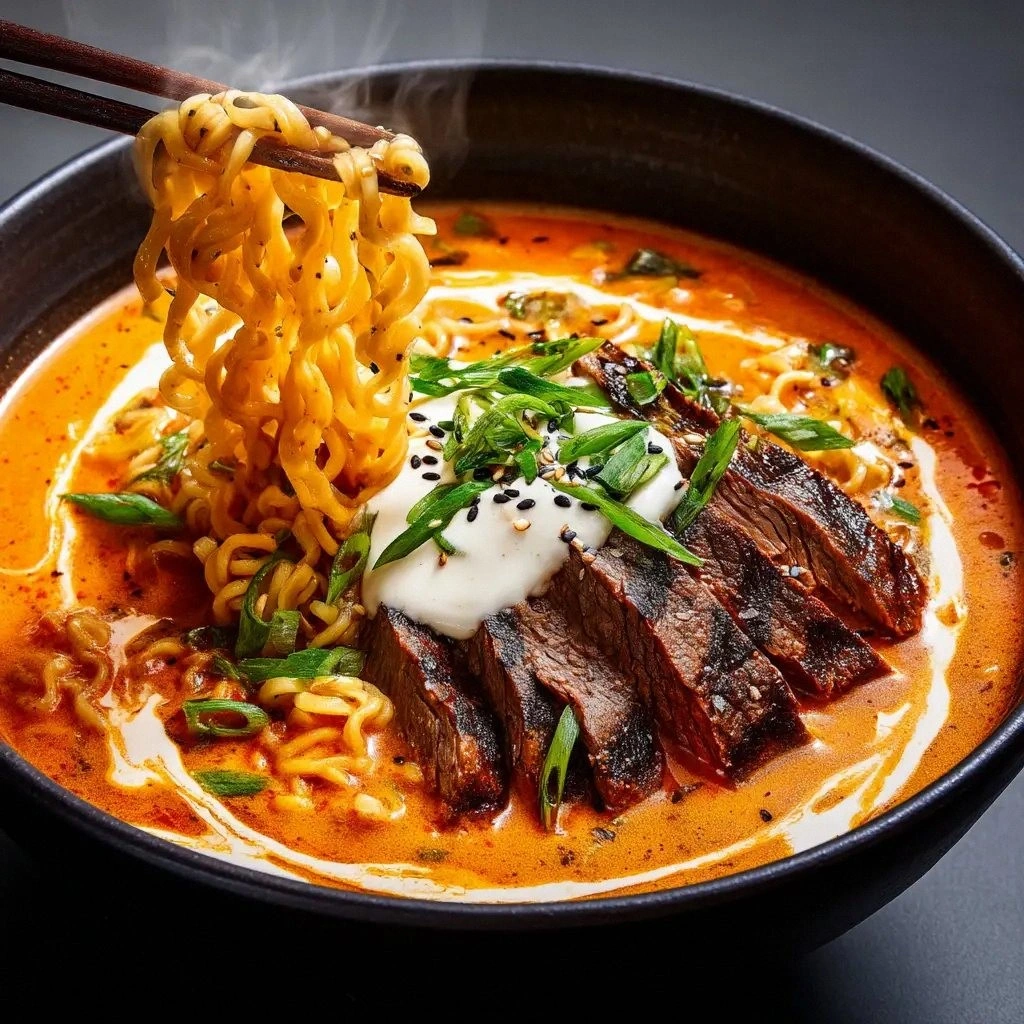
- Slice the soft‑boiled egg in half and place it on top of the noodles. Sprinkle with 1 tablespoon of finely chopped green onions, 1 teaspoon of toasted sesame seeds, and a final drizzle of sesame oil if desired. The final flourish should look inviting, with a burst of color and a hint of crunch.
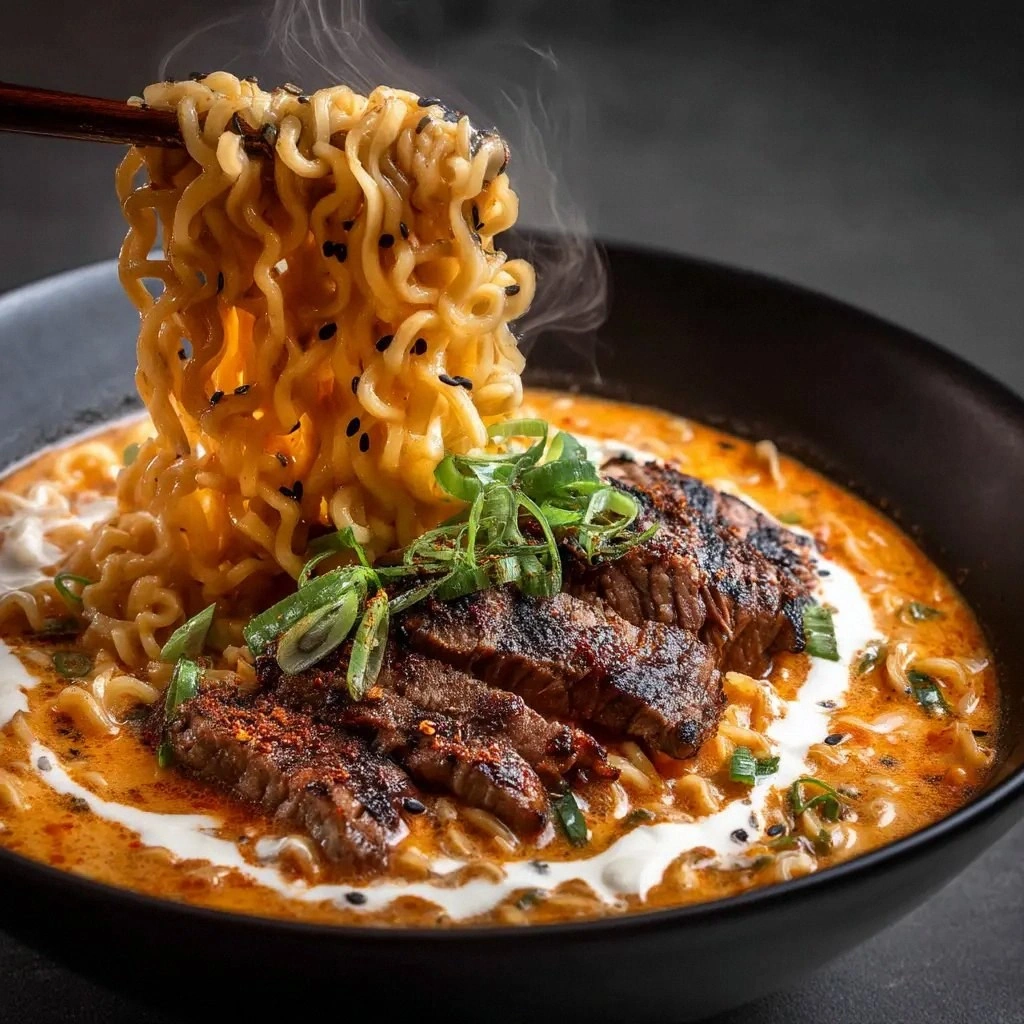
- Serve immediately, ladling the broth into a bowl. The steam should rise in a cloud, the aroma should be irresistible, and the first spoon should deliver a perfect balance of heat, umami, and texture. Enjoy!
That's it — you did it. But hold on, I've got a few more tricks that'll take this to another level. You’ll see how a simple tweak can transform the dish into a gourmet experience.
Insider Tricks for Flawless Results
The Temperature Rule Nobody Follows
Many people cook ramen on high heat, which can cause the noodles to become mushy and the broth to scorch. I recommend keeping the simmer at a gentle low heat after adding the gochugaru. This allows the flavors to meld without boiling away the delicate spices. A steady, low simmer also ensures that the egg’s yolk stays silky when it’s added to the hot broth.
Why Your Nose Knows Best
The aroma of toasted sesame oil is a subtle indicator of flavor readiness. If the oil starts to sputter or produce a burnt scent, reduce the heat immediately. A well‑toasted oil should emit a nutty fragrance, not a charred one. This small sensory cue guarantees that the final broth will have a warm, comforting depth.
The 5‑Minute Rest That Changes Everything
After the noodles finish cooking, let them rest in the pot for 5 minutes before adding the broth. This short pause allows the noodles to absorb the broth’s flavors more evenly, preventing a watery texture. I’ve seen bowls where the noodles sit in a pool of liquid; this trick eliminates that issue and gives each strand a perfect coating.
The Egg‑Only‑For‑Flavor Technique
Instead of a soft‑boiled egg, you can use a raw egg cracked into the hot broth for a richer, more luxurious sauce. The egg whites will coagulate into a silky custard while the yolk remains molten, creating a velvety texture that clings to the noodles. This method is a favorite among ramen aficionados who crave that extra indulgence.
The Final Garnish Surprise
A dash of fresh chili oil or a pinch of crushed red pepper can add a new layer of heat without overpowering the dish. If you love a smoky kick, drizzle a small amount of smoked paprika over the finished bowl. These finishing touches allow you to tailor the heat level to your personal preference.
Creative Twists and Variations
This recipe is a playground. Here are some of my favorite ways to switch things up:
Tropical Kick
Swap the kimchi for a handful of diced mango and a splash of coconut milk. The sweet mango balances the heat, while the coconut milk adds a creamy, tropical twist that makes the broth feel like a beach vacation.
Protein Powerhouse
Add sliced grilled chicken, shrimp, or tofu to the broth before adding the noodles. The protein absorbs the flavors, turning each bite into a hearty, satisfying meal that’s perfect for a post‑workout dinner.
Cheesy Surprise
Stir in a tablespoon of grated cheddar or mozzarella right before serving. The cheese melts into the broth, creating a creamy, gooey coating that pairs wonderfully with the spicy notes.
Vegan Version
Replace the chicken broth with a vegetable stock, use a plant‑based egg alternative, and choose a vegan gochujang. This version maintains the same flavor profile while keeping the dish fully plant‑based.
Breakfast Boost
Serve the ramen with a fried egg on top instead of a soft‑boiled egg. The runny yolk adds a rich, savory layer that turns the dish into a filling, protein‑rich breakfast.
Herb‑Infused Delight
Finish with a handful of fresh cilantro or basil before serving. The herbal aroma brightens the dish, offering a refreshing counterpoint to the deep, spicy broth.
Storing and Bringing It Back to Life
Fridge Storage
Store any leftover broth and noodles separately in airtight containers. Keep the noodles in the fridge for up to 2 days. When ready to reheat, combine the noodles with the broth, add a splash of water, and heat on low until steaming. The noodles will retain their texture better than reheating them in the microwave.
Freezer Friendly
Freeze the broth in freezer bags, leaving a small headspace for expansion. Thaw overnight in the fridge or on the counter, then reheat on the stove. The noodles should be cooked fresh before adding to the warmed broth to avoid sogginess.
Best Reheating Method
When reheating, add a tiny splash of water or broth to the pot. This steams the noodles back to perfection, preventing them from drying out. Heat gently and stir frequently to maintain even heat distribution.