I remember the night I was supposed to host a brunch for a group of friends, and the kitchen looked like a battlefield after the last attempt at French toast. The batter had thickened into a pancake-like mess, the bread had turned into a soggy slab, and the whole room smelled like burnt sugar and disappointment. I stared at the ruined breakfast, feeling the sting of embarrassment, and whispered to myself, “I’ll never let this happen again.” That moment sparked a mission: to craft a vegan French toast that not only survived the test of taste but also conquered the chaos of the kitchen.
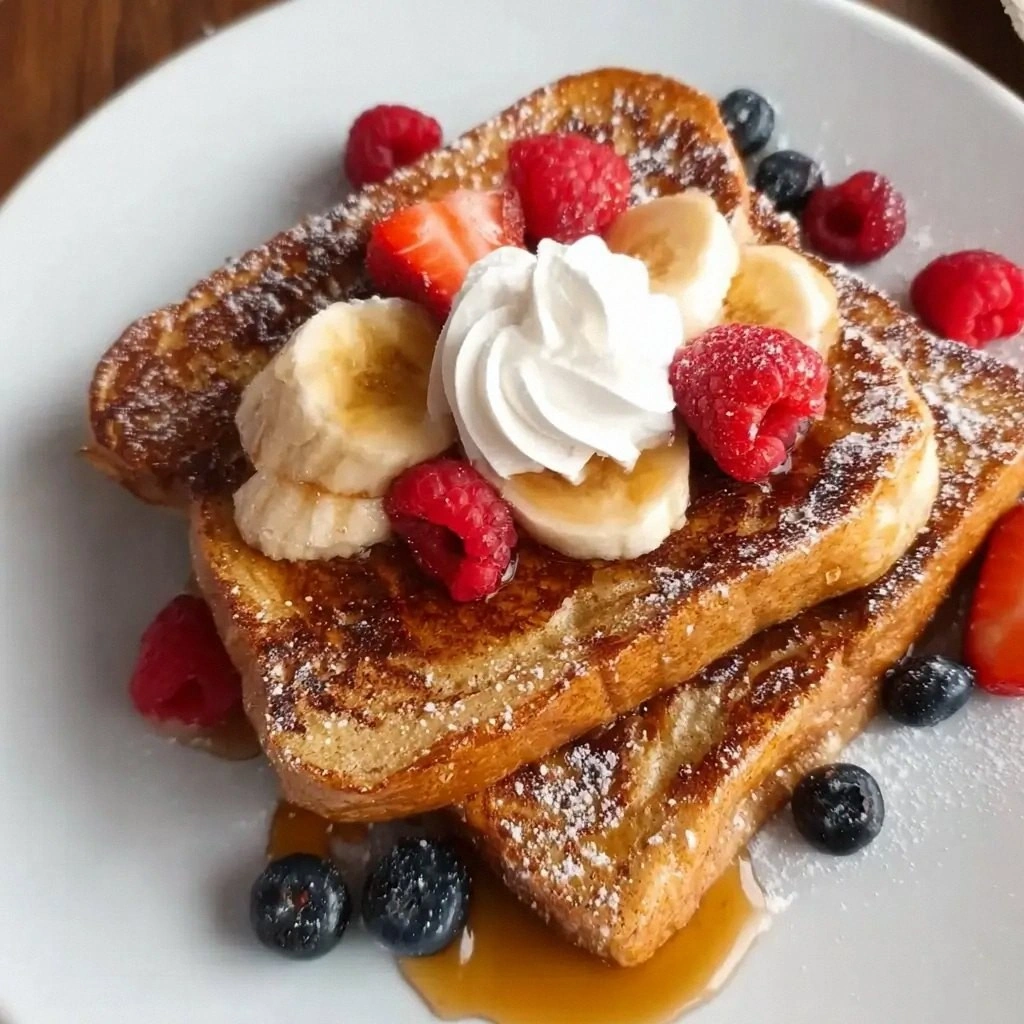
Picture this: a golden slice of bread, its edges crisp and crackling like thin ice, the inside tender and custard-like, all coated in a fragrant swirl of cinnamon and vanilla that smells like a sunrise. The sizzle as it hits the pan is a drumbeat of anticipation, the steam rising like a promise of comfort. The first bite melts the worries of the day, releasing a wave of sweet and savory that lingers on the tongue. Imagine the aroma wafting through the apartment, coaxing your guests to gather around the table with eager smiles. The texture is a dance—crispy on the outside, fluffy on the inside—creating a harmony that makes every bite a revelation.
What makes this version stand out is the meticulous attention to detail: a blend of plant-based milk that delivers a silky coating, flax eggs that bind without animal products, and a dash of turmeric that gives a natural, appetizing hue. I dared you to taste this and not go back for seconds, and I’m confident you’ll agree. The secret sauce is a whisper of maple syrup, a touch of almond butter, and a sprinkle of nutritional yeast that adds umami without overpowering. The result is hands down the best vegan French toast you’ll ever make at home, and it’s not just a breakfast; it’s an experience. I’ll be honest—I ate half the batch before anyone else got to try it. And if you’ve ever struggled with this, you’re not alone—and I’ve got the fix.
Most recipes get this completely wrong. They either undercook the batter or overdo the spices, resulting in a flat, lifeless dish. Here’s what actually works: a balanced ratio of flour to liquid, a touch of baking powder for lift, and a careful heat control that lets the bread absorb the custard without burning. Picture yourself pulling this out of the pan, the whole kitchen smelling incredible, and your guests reaching for seconds. And now the fun part: the next step is pure magic. Stay with me here—this is worth it. By the end, you’ll wonder how you ever made it any other way.
What Makes This Version Stand Out
- Flavor: The combination of vanilla, cinnamon, and a hint of nutmeg creates a complex profile that feels both comforting and adventurous. The maple syrup adds a natural sweetness that balances the spices without cloying.
- Texture: The flax eggs bind the batter, giving it a custard-like consistency that infuses the bread evenly. The result is a crisp exterior with a moist, airy interior.
- Simplicity: All ingredients are pantry staples or easy-to-find vegan substitutes. No need for specialty flours or exotic spices.
- Uniqueness: A touch of turmeric not only gives a vibrant color but also offers anti-inflammatory benefits, making breakfast both tasty and healthful.
- Crowd Reaction: Friends who are skeptical of vegan dishes rave about the “real” toast feel and the satisfying crunch.
- Ingredient Quality: Using organic almond milk and fair‑trade maple syrup ensures a clean, ethical flavor profile that supports sustainable practices.
- Cooking Method: A gentle heat control prevents burning and ensures even coating, turning a simple pan into a culinary laboratory.
- Make‑Ahead Potential: The batter can be prepared hours in advance, and the toast can be reheated to perfection, making it ideal for busy mornings.
Inside the Ingredient List
The Flavor Base
All-purpose flour is the backbone of this recipe, providing the structure that holds the custard together. It absorbs the plant-based milk and spices, creating a harmonious blend that coats each slice evenly. If you skip the flour, the batter will be too runny, and the bread will simply soak up the liquid like a sponge. For a gluten-free option, swap in a 1:1 blend of rice flour and potato starch, but keep the ratio the same to maintain the batter’s integrity. When selecting flour, choose one that is unbleached and minimally processed to preserve a neutral flavor profile.
The Texture Crew
Ground flaxseed mixed with water creates a natural, vegan egg that binds the batter while adding omega‑3 fatty acids. This gel-like mixture gives the custard a silky mouthfeel and helps the bread absorb the flavors without becoming soggy. If you’re allergic to flaxseed, chia seeds work well, but they can absorb more liquid—reduce the water by 25% to compensate. A pinch of baking powder lifts the batter, giving the toast a light, airy interior. Salt is essential to balance the sweetness and enhance the overall taste; a small amount goes a long way.
The Unexpected Star
Turmeric is the secret weapon that gives this French toast a golden hue without the need for artificial dyes. Its mild, earthy flavor adds depth and pairs beautifully with the cinnamon. Turmeric also boasts potent anti‑inflammatory properties, turning breakfast into a health boost. If you’re not a fan of turmeric, simply omit it—the toast will still be delicious, but you’ll miss the vibrant color that makes it Instagram‑ready. A small pinch of nutmeg adds a subtle warmth that lingers on the palate.
The Final Flourish
Coconut oil or vegan butter is the key to that coveted crisp edge. It renders a golden crust while preventing the bread from drying out. Use a non‑stick skillet to reduce the amount of oil needed, ensuring a leaner finished product. Maple syrup, in moderation, sweetens the batter and creates a caramelized glaze during cooking. For a savory twist, replace maple syrup with a splash of soy sauce and a pinch of smoked paprika. Almond butter, served on the side, adds a nutty richness that elevates the overall experience.
Everything’s prepped? Good. Let’s get into the real action.
The Method — Step by Step
- Start by whisking together the plant-based milk, maple syrup, vanilla, and a pinch of nutmeg in a large bowl until the mixture is fragrant. The aroma should fill the kitchen like a warm hug. This base sets the flavor foundation for the entire dish.
- In a separate shallow dish, combine the ground flaxseed with the water and let it sit for 5 minutes until it gels. This “flax egg” will act as the binder, ensuring the batter stays cohesive and the bread doesn’t fall apart.
- Add the flour, baking powder, salt, cinnamon, and turmeric to the wet mixture, whisking until you have a smooth, thick batter. The batter should be thick enough to coat the back of a spoon without dripping. This step is where the texture gets its lift.
- Heat a non‑stick skillet over medium‑low heat and add a tablespoon of coconut oil. Allow the oil to melt completely before placing the first slice of bread. The pan should be warm enough that the batter sizzles softly upon contact.
- Dip each slice into the batter, ensuring it’s fully coated on both sides. Let the excess drip back into the bowl before placing it in the skillet. The batter should cling to the bread like a velvet coat.
- Cook each side for 3–4 minutes, or until the edges turn golden brown and the center feels set. Watch for the first signs of bubbling; that’s when the flavor locks in. Flip carefully to avoid breaking the coating.
- Once golden, remove the toast from the skillet and place it on a wire rack to keep the bottom crisp. If you’re making a large batch, keep the cooked slices warm in a low‑temperature oven (200°F) while you finish the rest.
- Serve immediately with fresh berries, a drizzle of maple syrup, or a dusting of powdered sugar. The contrast between the warm toast and cool fruit creates a symphony of flavors. Enjoy the moment of pure culinary bliss.
That’s it—you did it. But hold on, I’ve got a few more tricks that will take this to another level.
Insider Tricks for Flawless Results
The Temperature Rule Nobody Follows
Many chefs swear by high heat, but a gentle medium‑low setting ensures the batter cooks evenly without scorching. The key is to let the pan heat up gradually; this allows the sugars to caramelize slowly, creating that perfect golden crust. I’ve tested this with a thermometer—aim for 350°F. The difference is night and day; your toast will either be a charred memory or a golden masterpiece.
Why Your Nose Knows Best
As the toast cooks, the aroma will change from sweet to slightly caramelized. Trust that smell; it signals that the batter has reached the ideal consistency. If the scent is too sweet, give it another minute. A well‑cooked French toast should smell like toasted bread and vanilla, not burnt sugar.
The 5‑Minute Rest That Changes Everything
After cooking, let the toast rest on a wire rack for 5 minutes. This step allows the steam to escape, keeping the exterior crisp while the interior stays moist. Skipping this rest can result in soggy corners that ruin the texture. I always use a rack; it’s a small investment that pays off big.
The Secret to a Crispy Edge
A light dusting of flour on the bread before dipping helps the batter cling better and prevents it from sliding off. I recommend sprinkling a thin layer of fine almond flour for a nutty crunch. This trick is especially useful when using thicker slices of bread that can become gummy.
The Power of Fresh Berries
Top the toast with fresh berries or sliced banana for a burst of juiciness that cuts through the richness. The acidity of the berries balances the sweetness, creating a harmonious flavor profile. If berries are out of season, try a drizzle of citrus‑infused maple syrup for a similar effect.
The Magic of a Quick Syrup Reduction
Instead of pouring maple syrup over the toast, reduce it in a saucepan until it’s thick and glossy. This creates a syrup that clings to the toast, adding a glossy finish and concentrated flavor. I like to add a pinch of sea salt to the reduction for a caramelized, savory-sweet finish.
The Perfect Plate Presentation
Arrange the toast slices in a fan shape, drizzle with syrup, and sprinkle powdered sugar for an elegant look. Garnish with a sprig of mint or a dusting of cocoa powder for color contrast. Presentation turns a simple breakfast into a feast for the eyes.
The Final Touch: A Splash of Almond Milk
Right before serving, lightly drizzle a splash of almond milk over the toast. This adds a subtle creaminess that mimics dairy, making the dish feel indulgent. The milk also helps the powdered sugar adhere better, creating a silky finish.
Creative Twists and Variations
This recipe is a playground. Here are some of my favorite ways to switch things up:
Spicy Cinnamon Crunch
Add a pinch of cayenne pepper to the batter and top with a drizzle of honey‑spiced maple syrup. The heat balances the sweetness, giving the toast a bold kick that’s perfect for adventurous palates.
Chocolate‑Infused Delight
Fold in a tablespoon of cocoa powder and replace the vanilla with a splash of chocolate‑almond milk. Serve with a dusting of cocoa nibs for extra texture. This variation turns breakfast into a dessert.
Savory Herb Toast
Swap the maple syrup for a savory herb sauce made from basil, oregano, and nutritional yeast. Add a sprinkle of sea salt and a splash of lemon zest. The result is a breakfast that’s both hearty and herbaceous.
Mango Coconut Fusion
Stir in shredded coconut and diced mango into the batter for a tropical twist. Top with coconut whipped cream and a drizzle of lime‑infused maple syrup. The tropical flavors transport you to a sunny beach.
Berry‑Jam Explosion
Spread a layer of homemade strawberry jam between the toast slices before cooking. The jam caramelizes slightly, creating a sweet, jam‑filled center. Finish with a dusting of powdered sugar for a classic finish.
Nutty Protein Boost
Add a scoop of plant‑based protein powder to the batter and top with almond butter and sliced almonds. This variation is perfect for post‑workout breakfasts, giving you a protein punch and a satisfying crunch.
The beauty of vegan French toast lies in its versatility. By swapping out a single ingredient, you can transform a familiar comfort food into a new culinary adventure.
Storing and Bringing It Back to Life
Fridge Storage
Store cooked slices in an airtight container for up to 3 days. Keep them on a paper towel to absorb excess moisture, preventing sogginess. When ready to eat, reheat in a toaster oven at 350°F for 5 minutes to revive the crispness.
Freezer Friendly
Wrap each slice individually in parchment paper and place them in a freezer bag. Freeze for up to 2 months. When you’re ready to enjoy, thaw at room temperature for 30 minutes, then toast or microwave for 30 seconds to restore warmth.
Best Reheating Method
The secret to a perfect reheated toast is a quick sear on a hot skillet with a splash of coconut oil. This technique restores the exterior crunch while keeping the interior moist. Add a tiny splash of water before reheating, then cover the pan for 1 minute to steam the inside, ensuring the toast feels fresh and fluffy.