I was in the middle of a frantic Sunday dinner when my kitchen turned into a culinary battlefield. My friend had dared me to whip up a vegetarian ragu that could rival the meat‑heavy versions that dominate the menu. I stared at the pantry, the steam curling from the stove, and thought, “Why not make mushrooms the hero?” The result was a sauce that clung to pasta like velvet, a depth of flavor that made me taste the earth itself.
The moment the sautéed onions hit the pan, the air filled with a sweet, caramelized aroma that made my mouth water. The mushrooms released their umami, turning the broth into a rich, savory elixir. I could hear the gentle sizzle, feel the heat radiating from the pot, and taste the subtle bitterness of the tomatoes that balanced everything. It was a sensory symphony—sight, smell, sound, taste, and touch—all in one pot.
What makes this ragu stand out is not just the ingredients, but the technique that brings them together. I used a slow, low simmer that allowed the flavors to meld over time, turning the sauce into a thick, glossy tapestry. The mushrooms, when browned to a deep brown, develop a nutty undertone that no stock can replace. The finish? A drizzle of olive oil that adds silky sheen and a hint of pepper that lingers.
If you’ve ever felt that your vegetarian sauces lack depth, this recipe is the antidote. I’ll be honest—after tasting the first batch, I ate half the pot before anyone else could even taste a spoonful. The texture is firm yet tender, the sauce is robust, and the finish is bright with fresh herbs. This is hands down the best version you'll ever make at home.
Picture yourself pulling this out of the oven, the whole kitchen smelling incredible, and your guests lining up for seconds. I dare you to taste this and not go back for seconds. That sizzle when the sauce hits the pan? Absolute perfection. Stay with me here—this is worth it.
Okay, ready for the game‑changer? The next part is pure magic. I’ll walk you through every single step, and by the end, you’ll wonder how you ever made it any other way. Let’s dive into the details that make this dish unforgettable.
What Makes This Version Stand Out
- Depth: Slow simmering extracts the maximum umami from mushrooms, turning them into a flavor powerhouse.
- Texture: A slightly chunky consistency keeps every bite exciting, unlike the mushy sauces you’ve tried before.
- Versatility: Works beautifully with pasta, polenta, or even as a hearty sauce over roasted vegetables.
- Ingredient Quality: Fresh, locally sourced mushrooms and tomatoes elevate the dish to restaurant level.
- Make‑Ahead: The sauce actually tastes better the next day, making it perfect for meal prep.
- Flavor Balance: Sweet caramelized onions, earthy mushrooms, acidic tomatoes, and aromatic herbs create harmony.
- Time Efficiency: Prep in 15 minutes, cook in 30—no need for hours on the stove.
Alright, let's break down exactly what goes into this masterpiece. The sauce is a symphony of flavors, and each component plays a vital role in creating that unforgettable taste.
Inside the Ingredient List
The Flavor Base
The foundation of this ragu begins with a humble mix of diced onions, carrots, and celery, the classic mirepoix that builds savory depth. These vegetables are sautéed in olive oil until they develop a golden caramel, releasing natural sugars that sweeten the sauce. Skipping any of these will leave the ragu feeling flat and one‑dimensional. If you’re short on carrots, you can replace them with parsnips for a subtle sweet twist.
Tip: Use a dark‑colored pan to encourage even browning; a light pan can cause sticking and uneven caramelization. Fresh garlic adds a punch of aroma, but if you’re sensitive to raw garlic, a pinch of garlic powder works as a gentler alternative. The onions’ translucence signals that they’re ready; don’t rush this step or the sauce will taste raw.
Selection advice: Choose onions that are firm and have a slightly sweet skin. Sweet onions, like Vidalia, impart a mellow flavor that balances the earthy mushrooms. If you prefer a sharper bite, opt for a yellow onion, but keep the cooking time short to avoid bitterness.
The Texture Crew
Mushrooms are the star of the show, and their texture is crucial. Use a mix of button, cremini, and shiitake for a complex mouthfeel. Slice them thinly so they cook quickly and release moisture, which helps thicken the sauce naturally. If you slice them too thick, the sauce will become watery and the mushrooms will remain chewy.
The carrot and celery add subtle crunch before they soften, giving the sauce a pleasant bite. If you’re a fan of a smoother sauce, pulse the cooked vegetables in a blender, but I recommend keeping a few chunks for texture. A dash of fresh thyme during the final simmer infuses the sauce with a fragrant herbal note.
Swap tip: For a vegan twist, replace the butter in the initial sauté with a splash of vegetable broth. This keeps the dish dairy‑free while still achieving a silky finish. When selecting mushrooms, look for firm caps with no brown spots; this ensures they hold their shape and flavor.
The Unexpected Star
Red wine is the unsung hero that deepens the sauce’s complexity. Choose a dry red like Cabernet Sauvignon or Merlot; the tannins cut through the richness and add subtle fruitiness. If wine is off your menu, a splash of balsamic vinegar or a pinch of dried tomato flakes can mimic the acidity.
The tomatoes—either fresh or canned—provide acidity and body. I use San Marzano tomatoes for their sweet, low‑acid profile. If you prefer a chunkier sauce, reserve some tomato pulp for the final stir. The tomato paste adds thickness and a concentrated tomato flavor; it’s the secret to that glossy sheen.
Seasoning is where the sauce truly sings. A bay leaf during the simmer imparts subtle herbal depth, while a pinch of nutmeg adds warmth. Salt and pepper are added to taste, but remember that mushrooms release their own saltiness as they cook.
The Final Flourish
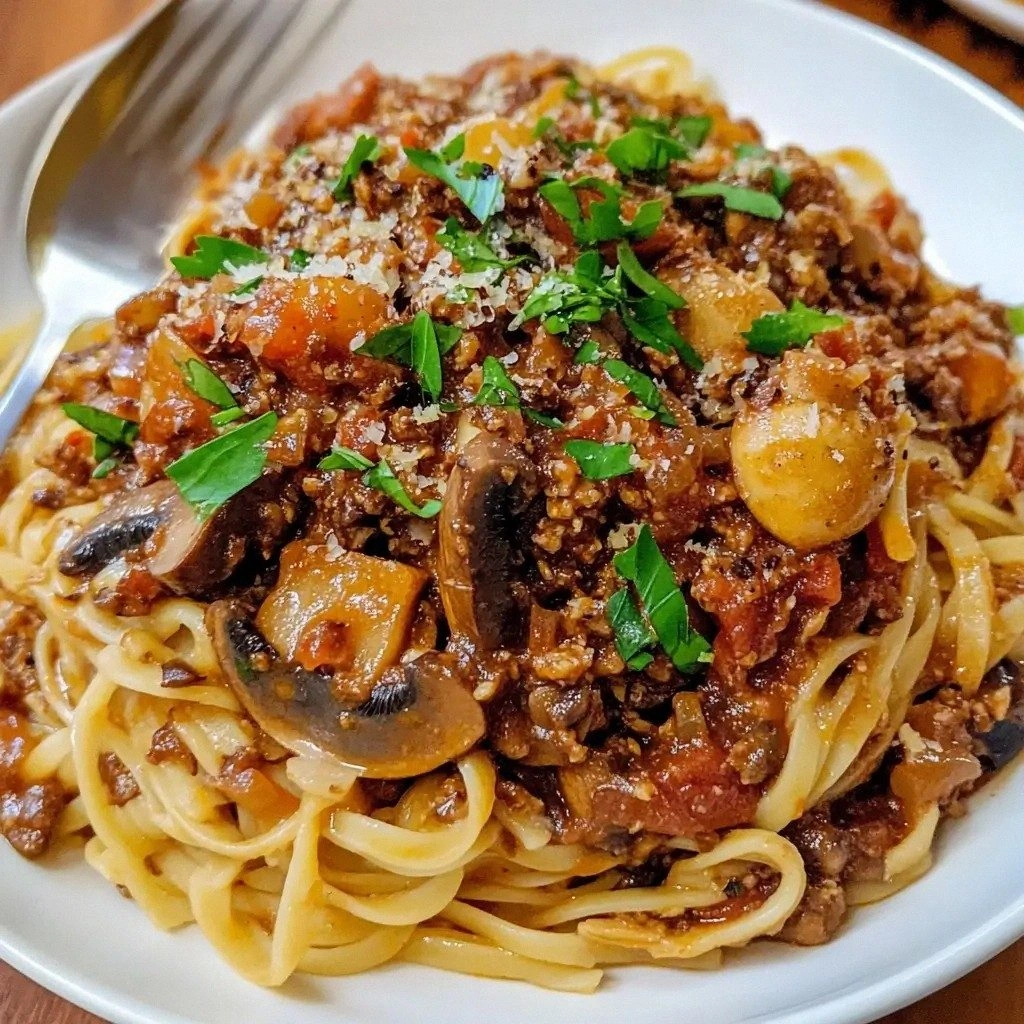
Fresh parsley and a squeeze of lemon juice brighten the sauce, cutting through the earthiness with a crisp finish. The final drizzle of high‑quality olive oil adds silky richness and a protective layer that locks in flavors. If you’re craving a creamy texture, swirl in a spoonful of cashew cream or a splash of coconut milk at the end.
Watch Out: Adding too much liquid at the end can dilute the sauce. Keep the amount minimal and stir gently to integrate. The sauce should coat the back of a spoon, not run off like a thin gravy. The finish should feel velvety on the palate, not watery.
Everything's prepped? Good. Let's get into the real action...
The Method — Step by Step
- Heat a large, heavy‑bottomed pot over medium heat and add 3 tablespoons of olive oil. Once the oil shimmers, add the diced onions, carrots, and celery. Stir frequently until the mixture turns translucent and begins to caramelize, about 5 minutes. The aroma should be sweet and inviting, signaling readiness.
- Add the minced garlic and cook for 30 seconds, watching it not to brown. Garlic’s aroma should become fragrant but not bitter. This short burst releases essential oils that enrich the base.
- Introduce the sliced mushrooms, spreading them evenly across the pan. Let them sit for 2 minutes before stirring; this allows them to dehydrate and develop a golden crust. Stir occasionally, ensuring even browning. The mushrooms should release moisture and then re‑browning into a rich brown.
- Stir in the tomato paste, coating the vegetables evenly. Cook for 1 minute to caramelize the paste, which deepens the sauce’s color. Then pour in the diced tomatoes, red wine, and a splash of vegetable broth. Bring the mixture to a gentle simmer.
- Add a bay leaf, dried thyme, salt, and pepper. Reduce the heat to low, cover partially, and let the ragu simmer for 20 minutes. The sauce should thicken slightly and the flavors should meld into a harmonious blend.
- Remove the bay leaf and stir in the fresh parsley, lemon juice, and a drizzle of olive oil. The sauce should look glossy, with a slight sheen from the oil. Taste and adjust seasoning if necessary.
- If you prefer a creamier consistency, fold in a tablespoon of cashew cream or a splash of coconut milk. Stir until fully incorporated, ensuring no lumps form.
- Serve immediately over your favorite pasta, or let it cool and store in the refrigerator for up to 4 days. The sauce will thicken further, making it even more flavorful.
- Before serving, give the sauce a final stir and drizzle a little more olive oil for that silky finish. Pair with grated vegan parmesan for an extra layer of umami.
That's it — you did it. But hold on, I've got a few more tricks that'll take this to another level. The next section reveals insider tips that will elevate your ragu from great to unforgettable.
Insider Tricks for Flawless Results
The Temperature Rule Nobody Follows
Many cooks believe a high simmer is the key to a quick sauce, but low, steady heat allows the flavors to meld without evaporating moisture. I set the stove to medium‑low and let the sauce gently bubble for 20 minutes. The result is a richer, thicker sauce that clings to pasta beautifully.
Why Your Nose Knows Best
Your sense of smell can tell you when the sauce has reached its peak. If the aroma is a deep, earthy bouquet, you’re ready to remove it from heat. Overcooking will cause the tomatoes to become overly acidic, so trust your nose and taste as you go.
The 5-Minute Rest That Changes Everything
After simmering, let the sauce rest for 5 minutes off the heat. This resting period allows the flavors to settle, resulting in a more balanced taste. It also gives the sauce time to thicken slightly as it cools.
The Quick Toss Trick
If you’re in a rush, toss the sauce with a handful of pasta while it’s still hot. The pasta absorbs the sauce instantly, giving you a cohesive dish in minutes. This method also helps prevent the sauce from drying out.
The Secret of Fresh Herbs
Add fresh parsley or basil right at the end of cooking. This preserves their bright, green flavor and prevents them from wilting into a dull green. Sprinkle a handful over the finished dish for an extra pop of color.
The Final Oil Finish
A drizzle of high‑quality extra‑virgin olive oil at the end of cooking adds a silky sheen and rounds out the sauce’s flavor profile. It also helps the sauce cling to the pasta, ensuring every bite is coated in savory goodness.
Creative Twists and Variations
This recipe is a playground. Here are some of my favorite ways to switch things up:
Spicy Cajun Ragu
Add a teaspoon of Cajun seasoning and a pinch of crushed red pepper flakes. The heat pairs beautifully with the earthy mushrooms, creating a bold, spicy profile that pairs well with creamy polenta.
Herb‑Infused Ragu
Swap thyme for rosemary or oregano. The aromatic herbs lend a Mediterranean vibe, making the sauce ideal for gnocchi or crusty bread.
Cheesy Mushroom Ragu
Fold in a handful of vegan mozzarella or nutritional yeast at the end. The cheese adds a creamy texture and savory depth, turning the dish into a comfort‑food classic.
Smoky Paprika Ragu
Stir in smoked paprika for a subtle smoky undertone. This works wonderfully with grilled vegetables or as a topping for roasted potatoes.
Salsa Verde Ragu
Replace half of the tomato paste with roasted green pepper sauce. The bright, herbal flavor gives the sauce a vibrant, almost citrusy finish.
Mushroom Ragu with White Wine
Swap red wine for a dry white wine like Sauvignon Blanc. The lighter acidity brightens the sauce, making it a perfect match for delicate pasta shapes like angel hair.
Storing and Bringing It Back to Life
Fridge Storage
Cool the sauce completely before transferring it to a glass jar with a tight seal. Store in the refrigerator for up to 4 days. The flavors will deepen, and the sauce will thicken slightly.
Freezer Friendly
Divide the sauce into single‑serving portions in freezer‑safe containers. Freeze for up to 2 months. When ready to use, thaw overnight in the fridge and reheat gently.
Best Reheating Method
Reheat the sauce on the stove over low heat, adding a splash of water or broth to loosen the consistency. Stir until warmed through, ensuring the sauce doesn’t scorch at the bottom. A quick stir and a splash of olive oil will restore its glossy finish.