Love this? Pin it for later! 📌
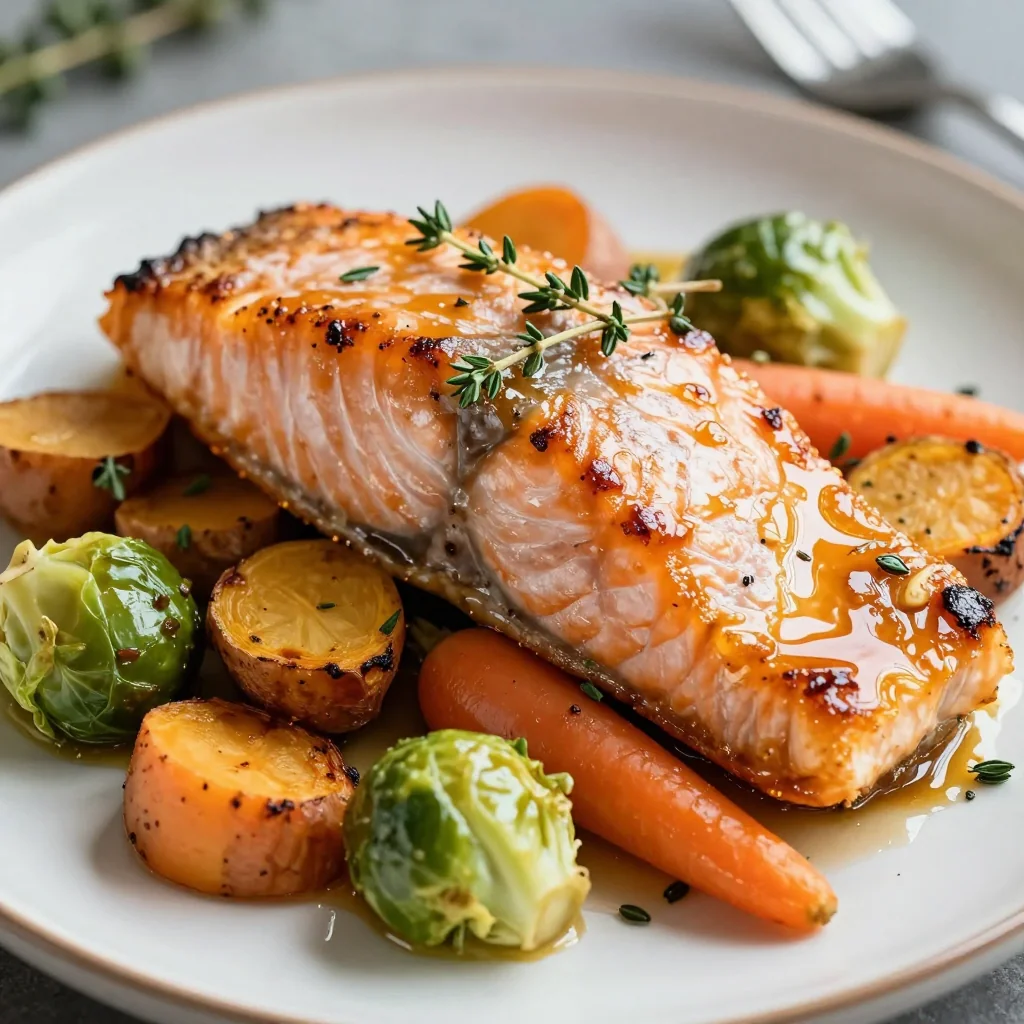
When January’s frost clings to the windows and the sun sets before dinner, my kitchen still smells like summer—because this air-fryer salmon is sizzling away while wedges of maple-kissed squash, Brussels sprouts, and beets roast alongside it. I developed this recipe during the year we renovated our oven; the air fryer became my makeshift kitchen hero and, surprisingly, my favorite way to cook salmon. The fillets emerge with caramelized edges in under ten minutes, while the veggies—cut small enough to fit the basket—turn tender and toasty without heating the whole house. It’s the kind of meal that feels fancy enough for company yet humble enough for a Tuesday, and it has saved me from countless drive-thru temptations. Whether you’re feeding picky teens, meal-prepping for one, or looking for a heart-healthy date-night dinner that won’t leave dishes until midnight, this one-basket wonder delivers.
Why This Recipe Works
- One Basket, One Meal: Salmon and veggies cook together, so you’re not juggling sheet pans or waiting on the oven to preheat.
- Speedy Weeknight Hero: From fridge to plate in 25 minutes—perfect for hungry kids or last-minute guests.
- Flavor-Packed Glaze: A quick miso-maple mixture lacquers the salmon with umami sweetness that balances earthy winter produce.
- Meal-Prep Friendly: Components hold beautifully for up to four days; reheat in the air fryer for crisp-tender veg and moist fish.
- Customizable Veggies: Swap in whatever’s lurking in your crisper—parsnips, turnips, or even leftover holiday sweet potatoes.
- Heart-Healthy Omega-3s: Each portion delivers over 1 g of EPA & DHA, supporting brain and heart health during the dreariest months.
Ingredients You'll Need
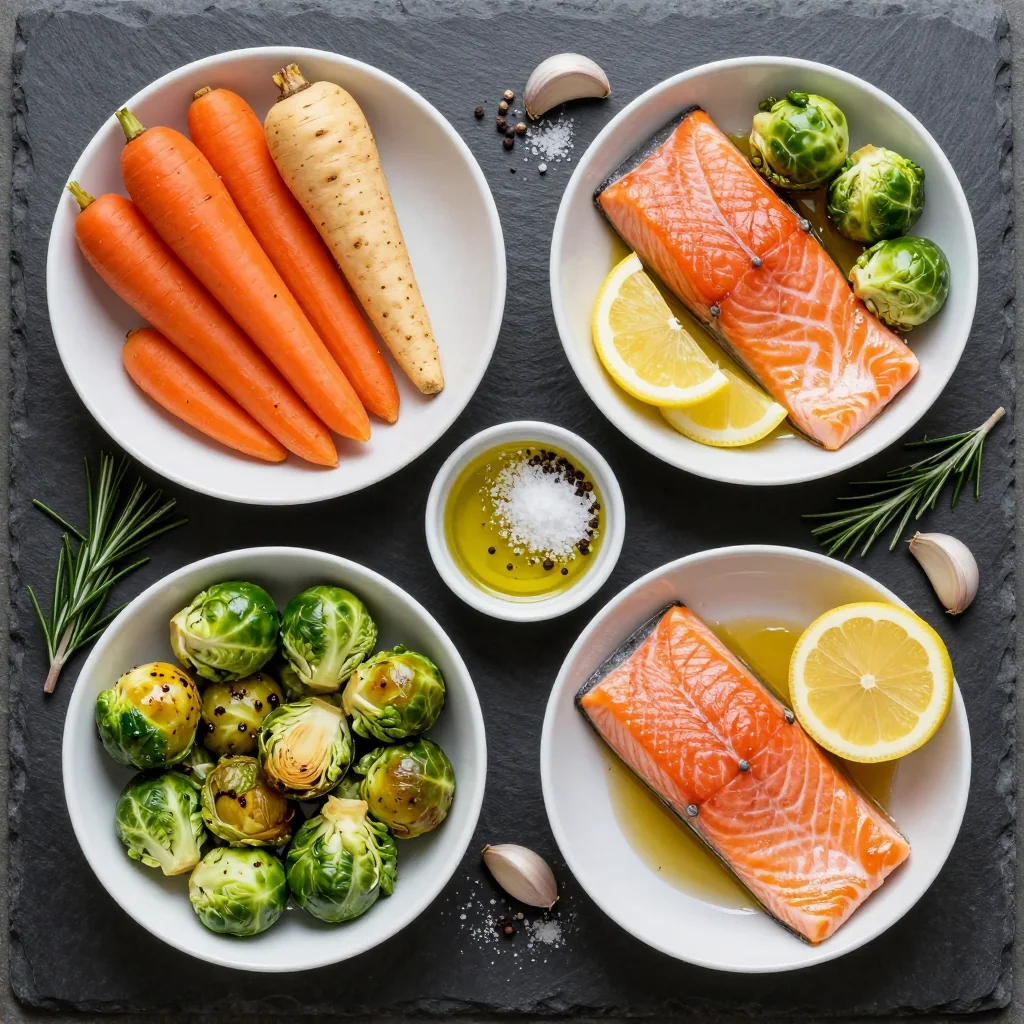
Great salmon starts at the seafood counter. Look for fillets that are bright, firm, and smell like the ocean, not fishy. I prefer center-cut portions—roughly 5–6 oz each—because they cook evenly and flake into generous chunks. If your market only carries tail pieces, tuck the thin tail end under itself so the fillet is a uniform thickness. Frozen salmon works beautifully; thaw it overnight in the fridge or submerge the sealed package in cold water for 30 minutes. For the veggies, choose a rainbow of winter staples: butternut squash for natural sweetness, Brussels sprouts for crispy leaves, and beets for earthy depth. Cutting everything into ¾-inch pieces ensures they cook through in the same time as the salmon. The glaze is a simple whisk-together of white miso (mellow, slightly sweet), maple syrup (use the real stuff), toasted sesame oil, rice vinegar, and a pinch of chili flakes for gentle heat. If miso isn’t in your pantry, substitute 1 tsp soy sauce plus 1 tsp tahini for a similar salty-nutty profile. Avocado oil spray keeps things non-stick without heavy aerosol propellants.
How to Make Air Fryer Salmon with Roasted Winter Veggies
Preheat & Prep Basket
Set air fryer to 400 °F (204 °C) for 3 minutes. Lightly spray the basket with avocado oil. If your model doesn’t have a preheat cycle, simply run it empty for the same duration—this prevents sticking and jump-starts caramelization.
Season the Veggies
In a large bowl toss cubed squash, halved Brussels sprouts, and beet wedges with 1 Tbsp avocado oil, ½ tsp kosher salt, ¼ tsp black pepper, and ¼ tsp garlic powder. Spread in a single layer in the preheated basket; cook 8 minutes, shaking halfway.
Make the Miso-Maple Glaze
While veggies start, whisk 1 Tbsp white miso, 1 Tbsp maple syrup, 1 tsp toasted sesame oil, 1 tsp rice vinegar, and a pinch of red-pepper flakes in a small bowl until silky. The glaze should coat the back of a spoon; thin with ½ tsp water if too thick.
Pat & Score Salmon
Blot fillets dry with paper towels—moisture is the enemy of browning. Using the tip of a sharp knife, make 2–3 shallow slashes through the skin; this prevents curling and helps seasoning penetrate.
Brush with Glaze
Paint the flesh side of each fillet with about 1 tsp of the glaze, reserving the rest for finishing. A silicone brush works best; if you only have a natural-bristle brush, tap off excess so the glaze doesn’t pool and burn.
Nestle Salmon Among Veggies
After the initial 8-minute veggie roast, push vegetables to the perimeter, creating a 4-inch center space. Lay salmon skin-side down in the clearing; this allows hot air to circulate around the fillets while veggies continue roasting underneath.
Air-Fry to Perfection
Return basket to fryer and cook at 400 °F for 7–9 minutes, depending on thickness. A 1-inch fillet is done when the internal temperature hits 125 °F for medium-rare or 130 °F for medium. The glaze will bubble and form glossy lacquer spots—this is flavor gold.
Finish & Serve
Transfer salmon to a clean plate and tent loosely with foil. Toss roasted veggies with remaining glaze, scraping up any sticky bits. Plate a bed of veggies, top with salmon, and shower with toasted sesame seeds and thinly sliced scallions for color and crunch.
Expert Tips
Don’t Overcrowd
If doubling the recipe, cook veggies in two batches and keep the first warm under foil. Crowding steams instead of roasts.
Oil Spray vs. Drizzle
Aerosol propellants can damage non-stick coatings; use a refillable pump spray or brush oil instead.
Carry-Over Cooking
Salmon will rise 5 °F after removal; pull it just before your target temp for silky centers.
Flip or No Flip?
Skin-on fillets stay moist without flipping; if using skinless, flip at 5 minutes for even browning.
From-Frozen Veg
Thaw frozen butternut overnight and pat very dry; excess water extends cook time and softens edges.
Color-Coded Cutting
Cut beets last and keep separate until serving to prevent magenta bleed on golden squash.
Variations to Try
- Low-Carb Swap: Replace squash with cauliflower florets and cook 6 minutes instead of 8.
- Citrus Twist: Sub orange juice for maple and add ½ tsp grated ginger to glaze for bright Asian-fusion notes.
- Spicy Cajun: Use blackened seasoning on salmon and swap veggies for zucchini & bell peppers; reduce initial cook to 5 minutes.
- Pescatarian Mediterranean: Brush salmon with harissa paste and serve over lemony tahini sauce instead of miso glaze.
- Kid-Friendly Maple-Mustard: Whisk 1 Tbsp Dijon into glaze and serve salmon flakes in warm tortillas with roasted veggie sticks.
Storage Tips
Cool leftovers completely within two hours. Store salmon and veggies in separate airtight containers; the fish stays flaky up to 3 days refrigerated, while veggies last 4 days. Reheat salmon in the air fryer at 325 °F for 3–4 minutes, spritzing lightly with oil to restore moisture. Veggies reheat beautifully at 350 °F for 5 minutes, shaking once. For longer storage, freeze portions in silicone bags; press out excess air and label with date. Salmon keeps 2 months frozen, veggies 3 months. Thaw overnight in the fridge, then reheat as above. If meal-prepping, portion glaze into mini containers and drizzle just before serving to maintain vibrant flavor.
Frequently Asked Questions
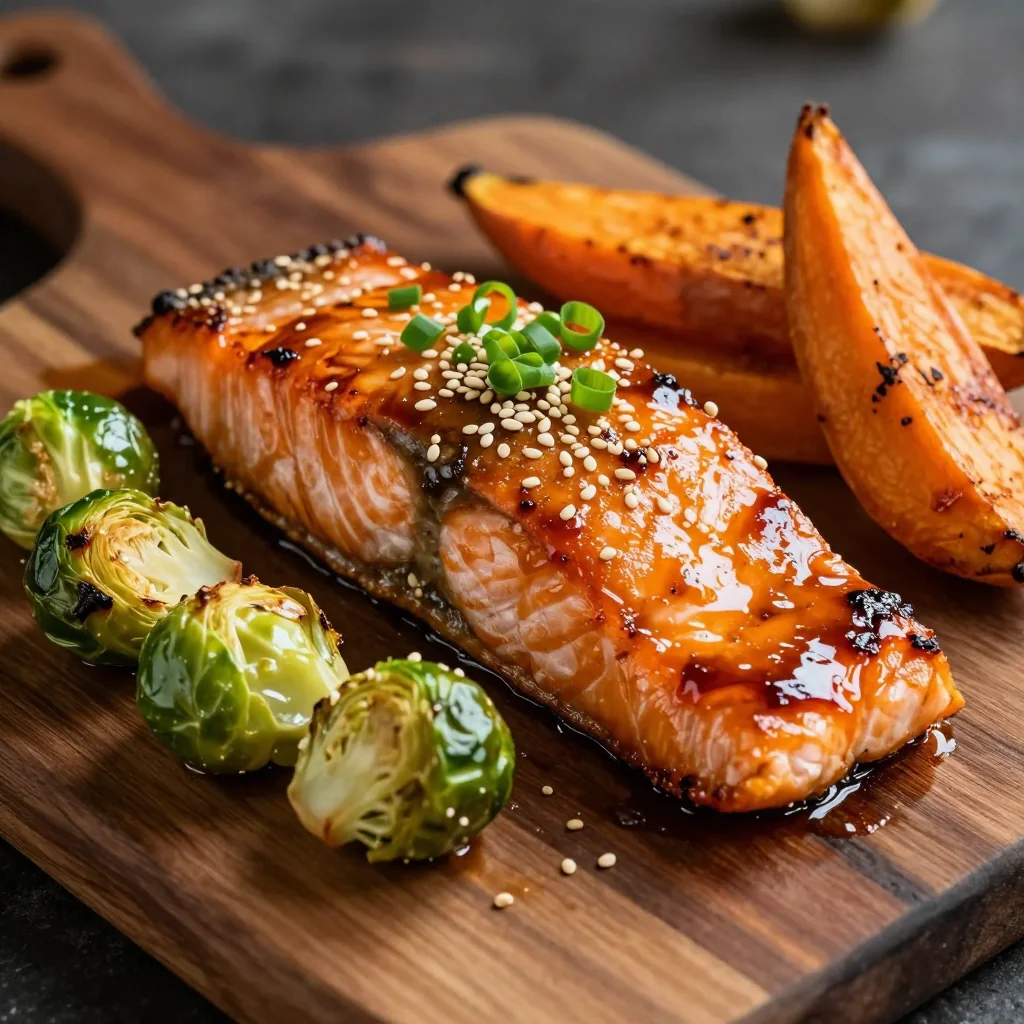
Air Fryer Salmon with Roasted Winter Veggies
Ingredients
Instructions
- Preheat: Run air fryer at 400 °F for 3 minutes. Lightly oil basket.
- Season Veggies: Toss squash, Brussels sprouts, and beets with avocado oil, salt, pepper, and garlic powder. Roast 8 minutes, shaking halfway.
- Make Glaze: Whisk miso, maple syrup, sesame oil, vinegar, and chili flakes until smooth.
- Prep Salmon: Pat fillets dry; score skin. Brush flesh with 1 tsp glaze each.
- Combine: Push veggies to edges; place salmon in center. Air-fry 7–9 min until 125 °F.
- Finish: Toss veggies with remaining glaze. Garnish salmon with sesame seeds & scallions. Serve hot.
Recipe Notes
For extra-crispy sprouts, remove outer leaves and add them to the basket during the last 2 minutes—they turn into irresistible veggie chips.