
Cheese And Vegetable Casserole
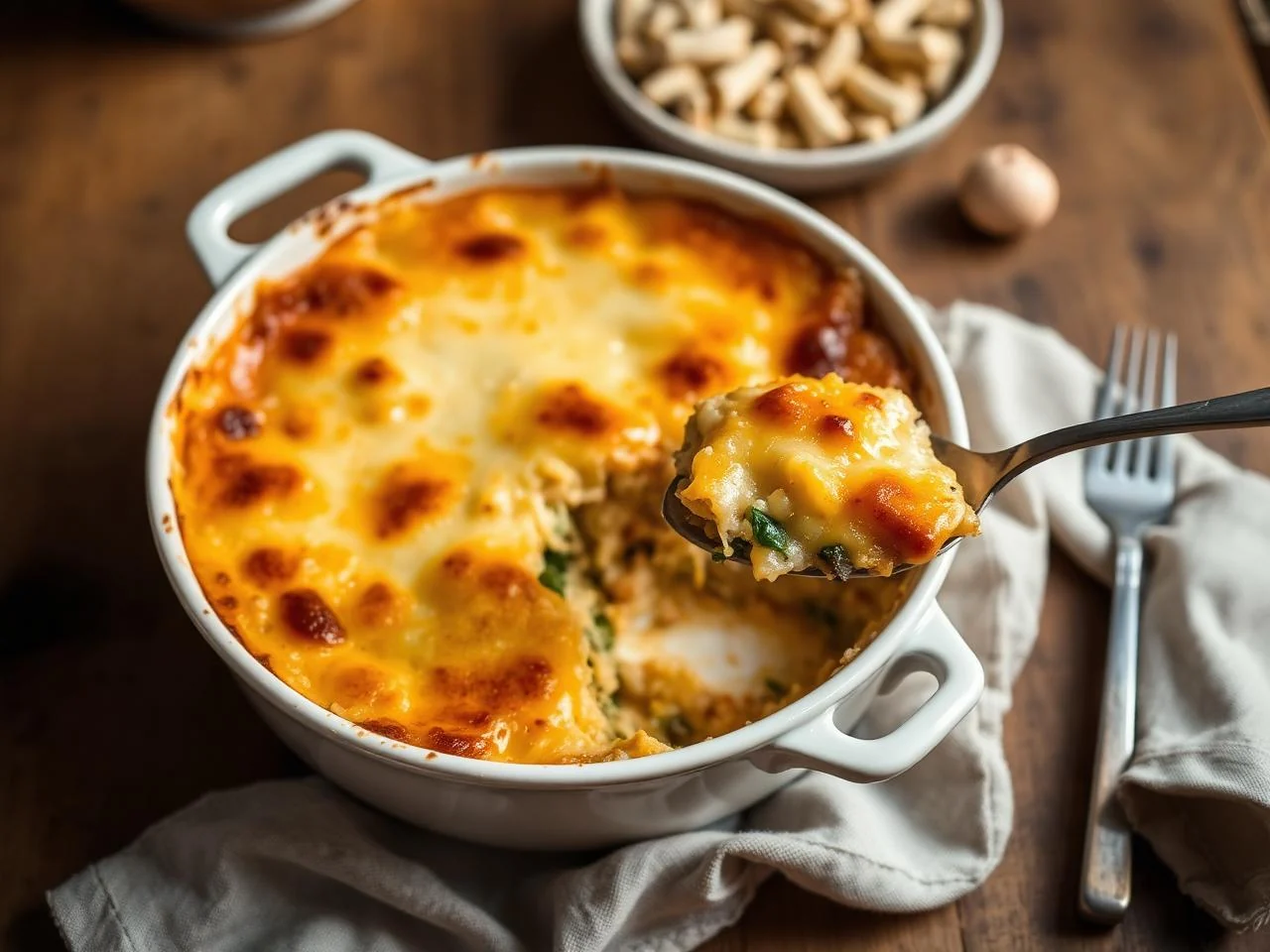
There's something special about a warm, cheesy casserole that brings people together. As a child, I remember my family gathering around the table, eager to dig into my mother's famous vegetable casserole. The combination of tender vegetables, creamy sauce, and melted cheese was absolute magic. Over the years, I've perfected my own version of this beloved dish, and I'm excited to share it with you.
This Cheese And Vegetable Casserole is more than just a recipe – it's an experience. The aroma of baked cheese and fresh herbs wafting from the oven, the sound of happy chatter and clinking utensils, and the feeling of contentment that comes with sharing a delicious meal with loved ones. Whether you're a busy parent, a cozy night enthusiast, or simply a lover of all things cheesy, this casserole is sure to become a staple in your household.
One of the best things about this recipe is its versatility. You can use a variety of vegetables, such as broccoli, carrots, and bell peppers, and even add some cooked meat or beans for extra protein. The key is to find a balance of flavors and textures that you enjoy, and to not be afraid to experiment and make it your own.
In this recipe, I'll guide you through the process of creating a truly exceptional Cheese And Vegetable Casserole. From the initial prep work to the final, golden-brown presentation, I'll share my tips and tricks for achieving the perfect balance of creamy sauce, tender vegetables, and melted cheese.
So, let's get started on this culinary journey together! With this recipe, you'll be well on your way to creating a dish that's sure to become a family favorite. Whether you're a seasoned cook or just starting out, I'm confident that you'll love this Cheese And Vegetable Casserole as much as I do.
Why You’ll Love This Recipe
- This recipe is easy to make and requires minimal prep work, making it perfect for busy weeknights or last-minute gatherings.
- The casserole is highly customizable, allowing you to use your favorite vegetables, cheese, and seasonings to create a dish that's tailored to your taste.
- The dish is perfect for a crowd, as it serves 6-8 people and can be easily doubled or tripled to feed a larger group.
- The casserole is a great way to use up leftover vegetables and cheese, reducing food waste and saving you money.
- The recipe is budget-friendly, as it uses affordable ingredients and can be made with minimal equipment.
- The dish is crowd-pleasing, as it's a classic comfort food that's sure to satisfy even the pickiest eaters.
- The casserole is a great make-ahead option, as it can be prepared up to a day in advance and refrigerated or frozen until ready to bake.
Why This Recipe Works
The key to a great Cheese And Vegetable Casserole is in the layering. By alternating between starchy or absorbent layers, such as pasta or bread, and creamy sauce, you create a dish that's both satisfying and easy to serve. The vegetables add natural sweetness and texture, while the cheese provides a rich, creamy element that ties everything together.
Another important factor is the resting time. After the casserole is baked, it's essential to let it rest for a few minutes before serving. This allows the cheese to set, the sauce to thicken, and the flavors to meld together. The result is a dish that's not only delicious but also visually appealing, with a golden-brown crust and a creamy, cheesy center.
The combination of heat control, fat, and moisture is also crucial in this recipe. The oven temperature and cooking time are carefully calibrated to ensure that the casserole is cooked through and the cheese is melted and bubbly. The fat content from the cheese and any added oil or butter helps to keep the dish moist and flavorful, while the moisture from the vegetables and sauce adds a satisfying creaminess.
Finally, the texture of the casserole is also important. The crunchy breadcrumb topping provides a nice contrast to the soft, cheesy center, while the tender vegetables add a pop of color and freshness. By balancing these elements, you create a dish that's both comforting and exciting, perfect for a cozy night in or a special occasion.
Ingredients You’ll Need
When it comes to making a great Cheese And Vegetable Casserole, the ingredients are just as important as the technique. You'll need a variety of vegetables, such as broccoli, carrots, and bell peppers, as well as some cheese, pasta, and sauce. Don't worry if you don't have all of the ingredients on hand – this recipe is highly customizable, and you can easily substitute in your favorite vegetables and cheese.
One of the most important things to keep in mind when shopping for ingredients is to choose the freshest, highest-quality options available. This will ensure that your casserole is not only delicious but also nutritious and visually appealing. Look for vibrant, colorful vegetables, and choose a variety of cheese that melts well and has a rich, creamy flavor.
- 1 lb (450g) pasta of your choiceYou can use any type of pasta you like, such as penne, fusilli, or farfalle. Just be sure to cook it al dente, as it will continue to cook in the oven.
- 2 cups (250g) mixed vegetables, such as broccoli, carrots, and bell peppersFeel free to customize the vegetables to your liking, using any combination of frozen, canned, or fresh options. Just be sure to thaw and drain frozen vegetables before using them.
- 2 cups (220g) shredded cheese, such as cheddar, mozzarella, or a blendThe type of cheese you use will greatly impact the flavor of your casserole, so choose a variety that melts well and has a rich, creamy flavor.
- 1 cup (240ml) canned tomato sauceYou can use homemade or store-bought tomato sauce, depending on your preference. Just be sure to choose a sauce that's low in sodium and added sugar.
- 1/2 cup (120ml) grated Parmesan cheeseThe Parmesan cheese adds a salty, nutty flavor to the casserole, and helps to balance out the sweetness of the vegetables.
- 1/4 cup (30g) chopped fresh parsleyThe parsley adds a fresh, herbaceous flavor to the casserole, and helps to balance out the richness of the cheese.
- 2 tbsp (30g) olive oilThe olive oil helps to prevent the casserole from sticking to the dish, and adds a rich, fruity flavor to the sauce.
- 1 tsp (5g) dried oreganoThe oregano adds a pungent, earthy flavor to the casserole, and helps to balance out the sweetness of the vegetables.
- 1/2 tsp (2g) saltThe salt helps to bring out the flavors of the other ingredients, and adds a touch of savory flavor to the casserole.
- 1/4 tsp (1g) black pepperThe black pepper adds a touch of heat and depth to the casserole, and helps to balance out the richness of the cheese.
- 1 cup (120g) breadcrumbsThe breadcrumbs add a crunchy texture to the casserole, and help to absorb any excess moisture from the sauce.
Equipment You’ll Need
How to Make Cheese And Vegetable Casserole
- 1Preheat your oven to 375°F (190°C), and cook your pasta according to the package instructions until it's al dente. Drain the pasta and set it aside.
- 2In a large skillet or sauté pan, heat the olive oil over medium-high heat. Add the mixed vegetables and cook until they're tender, about 5-7 minutes.
- 3Add the canned tomato sauce, dried oregano, salt, and black pepper to the skillet, and stir to combine. Bring the sauce to a simmer and let it cook for 2-3 minutes, until it's heated through.
- 4In a large bowl, combine the cooked pasta, vegetable sauce, and shredded cheese. Stir until the cheese is well combined and the pasta is coated in the sauce.
- 5Transfer the pasta mixture to a 9x13 inch baking dish, and top it with the grated Parmesan cheese and chopped parsley.
- 6Sprinkle the breadcrumbs over the top of the casserole, and drizzle with a little bit of olive oil.
- 7Cover the dish with aluminum foil and bake for 25-30 minutes, until the casserole is hot and the cheese is melted.
- 8Remove the foil and continue baking for an additional 10-15 minutes, until the top is golden brown and the casserole is heated through.
- 9Remove the casserole from the oven and let it rest for 5-10 minutes before serving. This will allow the cheese to set and the sauce to thicken.
- 10Serve the casserole hot, garnished with additional parsley and Parmesan cheese if desired.
- 11To ensure the casserole is cooked to a safe internal temperature, use an instant-read thermometer to check the temperature. The internal temperature should be at least 165°F (74°C).
- 12Let the casserole cool completely before refrigerating or freezing it for later use.
Expert Tips
- To prevent the casserole from becoming too dry, be sure to not overcook the pasta or the vegetables.
- If you're using frozen vegetables, be sure to thaw and drain them before using them in the recipe.
- To add some extra flavor to the casserole, try adding some diced ham or cooked sausage to the pasta mixture.
- If you're looking for a vegetarian option, you can substitute the cheese with a dairy-free alternative or add some extra vegetables to the sauce.
- To make the casserole more substantial, try adding some cooked meat or beans to the pasta mixture.
- To prevent the breadcrumbs from becoming too brown, be sure to keep an eye on the casserole during the last 10-15 minutes of baking.
- To add some extra crunch to the casserole, try adding some chopped nuts or seeds to the breadcrumb mixture.
- To make the casserole ahead of time, try preparing the pasta mixture and the sauce separately, and then combining them just before baking.
Common Mistakes to Avoid
- Overcooking the pasta or the vegetables, which can make the casserole dry and unappetizing.
- Not using enough cheese, which can result in a casserole that's not creamy or flavorful enough.
- Not letting the casserole rest before serving, which can cause the cheese to be runny and the sauce to be thin.
- Not using the right type of cheese, which can affect the flavor and texture of the casserole.
- Not seasoning the casserole enough, which can result in a dish that's bland and unappetizing.
- Not covering the dish with foil during baking, which can cause the top to become too brown or crispy.
Variations and Substitutions
- Try adding some diced ham or cooked sausage to the pasta mixture for a meaty twist.
- Use different types of cheese, such as mozzarella or feta, to change up the flavor of the casserole.
- Add some chopped nuts or seeds to the breadcrumb mixture for extra crunch.
- Use fresh or frozen vegetables, such as broccoli or spinach, to change up the flavor and texture of the casserole.
- Try using different types of pasta, such as penne or fusilli, to change up the texture of the casserole.
- Add some dried or fresh herbs, such as basil or oregano, to the sauce for extra flavor.
- Use a dairy-free cheese alternative to make the casserole vegetarian or vegan-friendly.
What to Serve With Cheese And Vegetable Casserole
This Cheese And Vegetable Casserole is perfect for serving as a main dish or as a side. You can serve it with a green salad, a side of garlic bread, or some roasted vegetables. It's also a great option for a potluck or a buffet, as it's easy to serve and can be made in large quantities.
Some other ideas for serving this casserole include:
Pairing it with a hearty soup or stew for a comforting meal.
Serving it with a side of roasted potatoes or sweet potatoes for a filling and satisfying meal.
Offering it as a vegetarian option at a barbecue or picnic.
Using it as a base for a breakfast strata, by adding some scrambled eggs and cooked sausage or bacon.
Make-Ahead, Storage, Freezing and Reheating
This Cheese And Vegetable Casserole can be stored in the refrigerator for up to 3 days or frozen for up to 2 months. To refrigerate, let the casserole cool completely before covering it with plastic wrap or aluminum foil and storing it in the fridge.
To freeze, let the casserole cool completely before wrapping it in plastic wrap or aluminum foil and storing it in a freezer-safe bag or container. When you're ready to reheat, simply thaw the casserole overnight in the fridge or reheat it in the oven or microwave until it's hot and bubbly.
Some tips for reheating the casserole include:
Reheating it in the oven at 350°F (180°C) for 15-20 minutes, or until it's hot and bubbly.
Reheating it in the microwave for 2-3 minutes, or until it's hot and steaming.
Adding some extra cheese or sauce to the casserole before reheating, to keep it creamy and flavorful.
Letting the casserole rest for a few minutes before serving, to allow the cheese to set and the sauce to thicken.
Frequently Asked Questions
Can I make this casserole ahead of time?
Yes, you can make the pasta mixture and the sauce ahead of time, and then combine them just before baking. You can also prepare the entire casserole and refrigerate or freeze it until you're ready to bake.
Can I use different types of cheese?
Yes, you can use different types of cheese, such as mozzarella or feta, to change up the flavor of the casserole. Just be sure to choose a cheese that melts well and has a rich, creamy flavor.
Can I add some meat to the casserole?
Yes, you can add some cooked meat, such as ham or sausage, to the pasta mixture for a meaty twist. Just be sure to cook the meat until it's heated through and then add it to the casserole.
Can I use frozen vegetables?
Yes, you can use frozen vegetables, such as broccoli or spinach, in this casserole. Just be sure to thaw and drain them before using them in the recipe.
How do I prevent the casserole from becoming too dry?
To prevent the casserole from becoming too dry, be sure to not overcook the pasta or the vegetables. You can also add some extra cheese or sauce to the casserole before baking, to keep it creamy and flavorful.
Can I make this casserole in a slow cooker?
Yes, you can make this casserole in a slow cooker. Simply prepare the pasta mixture and the sauce, and then add them to the slow cooker. Cook on low for 2-3 hours, or until the casserole is hot and bubbly.
How do I reheat the casserole?
You can reheat the casserole in the oven at 350°F (180°C) for 15-20 minutes, or until it's hot and bubbly. You can also reheat it in the microwave for 2-3 minutes, or until it's hot and steaming.
Can I freeze the casserole?
Yes, you can freeze the casserole for up to 2 months. Simply let it cool completely, wrap it in plastic wrap or aluminum foil, and store it in a freezer-safe bag or container. When you're ready to reheat, simply thaw the casserole overnight in the fridge or reheat it in the oven or microwave until it's hot and bubbly.
Ingredients
- 1 lb (450g) pasta of your choice
- 2 cups (250g) mixed vegetables, such as broccoli, carrots, and bell peppers
- 2 cups (220g) shredded cheese, such as cheddar, mozzarella, or a blend
- 1 cup (240ml) canned tomato sauce
- 1/2 cup (120ml) grated Parmesan cheese
- 1/4 cup (30g) chopped fresh parsley
- 2 tbsp (30g) olive oil
- 1 tsp (5g) dried oregano
- 1/2 tsp (2g) salt
- 1/4 tsp (1g) black pepper
- 1 cup (120g) breadcrumbs
Instructions
- Preheat your oven to 375°F (190°C), and cook your pasta according to the package instructions until it's al dente. Drain the pasta and set it aside.
- In a large skillet or sauté pan, heat the olive oil over medium-high heat. Add the mixed vegetables and cook until they're tender, about 5-7 minutes.
- Add the canned tomato sauce, dried oregano, salt, and black pepper to the skillet, and stir to combine. Bring the sauce to a simmer and let it cook for 2-3 minutes, until it's heated through.
- In a large bowl, combine the cooked pasta, vegetable sauce, and shredded cheese. Stir until the cheese is well combined and the pasta is coated in the sauce.
- Transfer the pasta mixture to a 9x13 inch baking dish, and top it with the grated Parmesan cheese and chopped parsley.
- Sprinkle the breadcrumbs over the top of the casserole, and drizzle with a little bit of olive oil.
- Cover the dish with aluminum foil and bake for 25-30 minutes, until the casserole is hot and the cheese is melted.
- Remove the foil and continue baking for an additional 10-15 minutes, until the top is golden brown and the casserole is heated through.
- Remove the casserole from the oven and let it rest for 5-10 minutes before serving. This will allow the cheese to set and the sauce to thicken.
- Serve the casserole hot, garnished with additional parsley and Parmesan cheese if desired.
- To ensure the casserole is cooked to a safe internal temperature, use an instant-read thermometer to check the temperature. The internal temperature should be at least 165°F (74°C).
- Let the casserole cool completely before refrigerating or freezing it for later use.