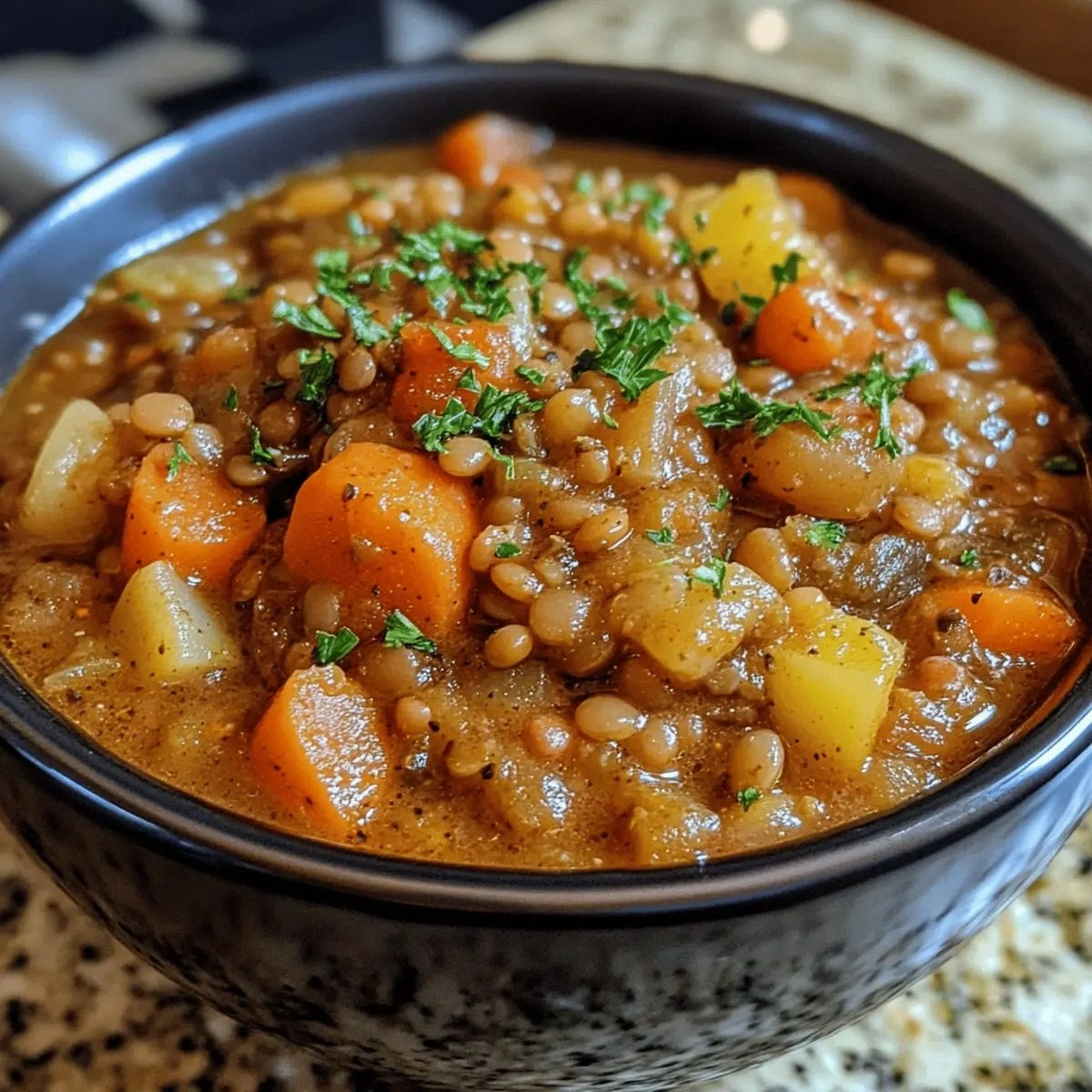
When I first opened the fridge after a long week, I stared at a lone block of potato that looked like it had survived a battle. I was craving comfort food, but nothing in the pantry seemed to spark the same kind of nostalgic warmth. That night, I grabbed a handful of sausage, a splash of broth, and a pinch of curiosity, and the kitchen became my laboratory. I was about to invent a soup that would not only soothe my soul but also outshine every other version I’d ever tried. I dare you to taste this and not go back for seconds.
Picture the moment the onions hit the pan, their skins popping into a golden, fragrant cloud that instantly turns a bland kitchen into a culinary stage. The potatoes, sliced with a knife that had seen better days, soften into a velvety base that feels like a hug in every spoonful. The sausage, browned to a caramelized perfection, adds a smoky depth that dances with the mild sweetness of the carrots. As the broth simmers, it pulls out the earthy undertones of celery and the subtle bitterness of bay leaves, creating a harmony that feels like a well‑orchestrated symphony. If you’ve ever struggled with a bland soup, you’re not alone—and I’ve got the fix. This is hands down the best version you'll ever make at home.
Most recipes get this completely wrong. They either overcook the potatoes, underseason the broth, or forget that the sausage should have a bite. I’ve spent countless evenings wrestling with the texture of my own soups, and I’ve learned that the trick is to let the potatoes do their job while the sausage provides that savory punch. The result is a soup that coats the palate like velvet, with a comforting thickness that doesn’t feel heavy. The aroma alone can transport you back to childhood, to the smell of a family kitchen on a rainy day. I’ve been told that the first spoon is the most convincing evidence that this recipe works.
Ok, ready for the game‑changer? This version of Creamy Potato & Sausage Soup is a one‑pot wonder that balances hearty chunks with a silky, almost creamy mouthfeel. It’s a recipe that you can tweak for dietary preferences, and it’s forgiving enough that even a kitchen novice can pull it off. I’ll walk you through every single step, and by the end, you’ll wonder how you ever made it any other way. If you’re looking for a dish that’s both comforting and crowd‑pleasing, you’re in the right place.
Alright, let’s break down exactly what goes into this masterpiece. I’m not just listing ingredients; I’m revealing the science behind why each one matters. From the humble potato to the smoky sausage, every element plays a role in creating that perfect balance of flavor, texture, and aroma. And trust me, once you understand the logic, you’ll never go back to the generic versions again. So grab your apron, and let’s dive in.
What Makes This Version Stand Out
- Flavor: The combination of smoked paprika and bay leaf creates a depth that feels both earthy and slightly sweet, setting it apart from plain potato soup.
- Texture: A strategic blend of diced potatoes and a touch of flour gives the soup a silky body that coats the tongue without becoming gloopy.
- Convenience: Everything cooks in one pot, meaning fewer dishes and a faster cleanup—perfect for busy weeknights.
- Flexibility: The recipe is easily adapted for dairy‑free, low‑fat, or vegetarian versions without sacrificing flavor.
- Visual Appeal: The bright green parsley garnish provides a pop of color, making the dish Instagram‑ready.
- Heat: The sausage brings a natural heat that can be dialed up or down with cayenne or paprika, so everyone can enjoy it.
- Make‑ahead Potential: The soup retains its texture when reheated, making it ideal for meal prep or a quick lunch the next day.
- Nutrition: With 350 calories per serving and a good balance of protein, carbs, and healthy fats, it’s a wholesome meal that satisfies.
Inside the Ingredient List
The Flavor Base
The diced potatoes form the heart of the soup. They absorb the savory broth and provide a natural starch that thickens the liquid into a comforting consistency. Skipping them would turn the dish into a watery stew; keep them, and the soup will have that satisfying bite. When selecting potatoes, choose russet or Yukon Gold for their higher starch content, which yields a creamier texture. If you’re in a pinch, you can substitute sweet potatoes for a sweeter, slightly nutty flavor, but the overall mouthfeel will change.
The Texture Crew
The sausage is the star that adds protein and a smoky depth. Slice it into bite‑size pieces so it cooks evenly and releases its juices, which become the soup’s savory backbone. If you prefer a leaner version, use turkey sausage, but be prepared for a slightly milder taste. The carrots and celery provide crunch and subtle sweetness; they also balance the richness of the sausage and dairy. Cutting them into uniform cubes ensures they soften at the same rate, preventing uneven textures.
The Unexpected Star
Flour is the secret agent that thickens the soup without adding a heavy floury taste. It’s whisked into the butter before sautéing the onions, creating a roux that traps the broth’s liquid and creates a silky body. If you’re gluten‑free, use arrowroot powder or a gluten‑free flour blend instead. The bay leaf, though often overlooked, imparts a floral, herbal undertone that elevates the soup’s aroma and flavor profile.
The Final Flourish
Fresh parsley and optional cheddar create a bright, herbaceous finish that cuts through the richness. The parsley adds a clean, grassy note, while the cheddar lends a sharp, creamy bite. If you’re aiming for a dairy‑free version, replace cheddar with a plant‑based cheese or simply omit it. A squeeze of lemon zest at the end brightens the entire dish, giving it a fresh lift that makes the flavors pop. The optional cayenne pepper can be added for a subtle heat that’s balanced by the smoky sausage.
Everything’s prepped? Good. Let’s get into the real action.

The Method — Step by Step
- Brown the Sausage: Heat a large pot over medium heat and add the sliced sausage. Stir frequently until it releases its fat and turns a deep golden brown. The sizzling sound is a sign that the sausage is ready to infuse the broth with its savory oils. This step is crucial because it builds the flavor foundation for the entire soup. Make sure you don't overcrowd the pan; if necessary, brown the sausage in batches.
- Sauté the Aromatics: Add a tablespoon of butter to the pot, letting it melt into a golden pool. Toss in the diced onion, carrots, and celery, and cook until the onion turns translucent and the vegetables begin to soften. This aromatic base will carry the flavors throughout the soup. If you prefer a richer taste, add a splash of white wine before the vegetables start to brown.
- Make the Roux: Sprinkle a tablespoon of flour over the sautéed vegetables and stir until the mixture turns a light amber hue. This roux will thicken the soup and bind all the flavors together. Cook the roux for 2–3 minutes, ensuring that the raw flour taste dissipates. The smell of toasted flour is a subtle hint of the soup’s forthcoming creaminess.
- Deglaze and Simmer: Pour in the chicken broth, stirring vigorously to lift the browned bits from the bottom of the pot. Bring the mixture to a gentle boil, then reduce the heat to a low simmer. Add the diced potatoes, bay leaf, smoked paprika, and a pinch of cayenne. Cover the pot and let it simmer for 15 minutes, or until the potatoes are tender and the broth has thickened to a luscious consistency.
- Blend for Creaminess: Use an immersion blender to partially puree the soup directly in the pot, leaving some chunks for texture. If you don’t have an immersion blender, transfer half the soup to a blender and return it to the pot. The result is a velvety base that still has pockets of potato and sausage.
- Finish with Dairy and Herbs: Stir in the milk, shredded cheddar, and chopped parsley. Season with salt and black pepper to taste. Let the soup simmer for another 3–4 minutes, allowing the cheese to melt and the herbs to release their aroma. The final touch of lemon zest, if using, brightens the flavor profile and gives the soup a fresh finish.
- Serve and Enjoy: Ladle the soup into bowls, garnish with extra parsley or a swirl of cream if desired, and serve hot. Pair it with crusty bread or a simple green salad for a complete meal. The aroma alone will make your guests line up for seconds, so be prepared to share.
That's it — you did it. But hold on, I've got a few more tricks that'll take this to another level.
Insider Tricks for Flawless Results
The Temperature Rule Nobody Follows
Keeping the soup at a gentle simmer is key to developing the right thickness. A rolling boil will break down the potatoes too quickly, resulting in a soupy mess. Use a thermometer to monitor the temperature; aim for 185–190°F (85–88°C) for a steady, even cook. If the soup starts to bubble vigorously, lower the heat and let it steam.
Why Your Nose Knows Best
Smell is your best indicator of when the soup is ready. The aroma of browned sausage, toasted flour, and simmering broth should mingle like a fragrant bouquet. If the smell feels flat, give it a few more minutes; if it’s overpowering, let it sit for a couple of minutes off the heat to settle.
The 5-Minute Rest That Changes Everything
After the final simmer, let the soup rest for 5 minutes before serving. This pause allows the flavors to meld and the starches to settle, giving the soup a more cohesive taste. It also gives the cheese time to set slightly, creating a pleasant bite.
Keep the Pot Covered While Blending
When you use an immersion blender, keep the pot covered to prevent splatters and maintain a consistent temperature. If you’re using a regular blender, blend in batches and return the mixture to the pot, then reheat gently to avoid scorching.
Use Fresh Ingredients for the Best Flavor
Fresh sausage and fresh herbs make a noticeable difference. The fresher the sausage, the more robust the flavor. Similarly, fresh parsley adds brightness that dried herbs can’t match. If you can, buy your sausage from a local butcher for the best quality.
Watch Out for Over‑Seasoning
It’s easy to over‑season when you’re excited about a new recipe. Start with the recommended salt and pepper, taste, and adjust. Remember, you can always add more, but you can’t take it away.
Creative Twists and Variations
Vegan Version
Swap the sausage for a plant‑based sausage or crumbled tempeh. Use a vegetable broth and replace the milk with coconut milk for a subtle tropical hint. The result is a hearty, creamy soup that still delivers on flavor.
Low‑Fat Option
Use turkey sausage and skim milk, and skip the butter entirely. Add a splash of low‑fat Greek yogurt at the end for creaminess without the extra calories. This version keeps the dish comforting but light.
Spicy Kick
Introduce a teaspoon of chipotle powder or a dash of hot sauce to give the soup a smoky heat. The sausage’s natural smokiness pairs beautifully with the added spice, creating a layered flavor profile.
Cheese Lover’s Dream
After the final simmer, stir in a generous amount of shredded Gruyère or aged Gouda. The melted cheese will add a nutty, buttery layer that makes the soup irresistible.
Herb‑Infused Variation
Replace parsley with fresh thyme or basil for a different aromatic note. Add a handful of chopped rosemary at the end to give the soup a woodsy depth that pairs well with crusty bread.
Holiday Edition
During the winter, add a pinch of nutmeg and a splash of maple syrup to create a warm, comforting soup that feels like a holiday treat. The sweet‑spicy combination works wonderfully with the sausage’s savory profile.
Storing and Bringing It Back to Life
Fridge Storage
Cool the soup to room temperature before transferring it to a sealed container. Store in the refrigerator for up to 4 days. The soup’s thickened texture will hold up well during this time.
Freezer Friendly
Divide the soup into freezer‑safe portions and seal tightly. It will keep for up to 3 months. Thaw overnight in the refrigerator before reheating.
Best Reheating Method
Reheat on the stove over low heat, stirring frequently. Add a splash of water or broth if the soup has thickened too much. This gentle method restores the soup’s silky texture without overcooking the vegetables.