Picture this: I’m in a cramped kitchen, the air thick with the scent of soy sauce and garlic, my phone buzzing with a friend’s dare that reads, “Make me a dish so good you’ll forget the rest of the week.” I had never been the type to chase a challenge, but that night, the sizzling pan and the clatter of a wooden spoon became my soundtrack. The moment the chicken hit the hot oil, a golden crust formed, and I realized I had stumbled upon a flavor symphony that could make any family gather feel like a five-star banquet. I swear I was halfway through the first bite before I even had the chance to taste the second, and I’m still not sure how I survived that kitchen chaos. I dare you to taste this and not go back for seconds. That’s the kind of bold promise I’m making you right now.
The first thing that separates this recipe from the countless other “five spice” dishes is the balance of sweet and savory that lingers on the palate. Imagine a sauce that coats the chicken like velvet, each bite releasing a cascade of caramelized honey, umami from dark soy, and a whisper of aromatic spices that dance in your mouth. It’s a dish that’s as comforting as a hug and as adventurous as a secret menu item. The moment the chicken hits the pan, the aroma rises like incense, signaling that the magic is about to happen. I’ve tasted other five spice recipes that come off as either too sweet or too heavy, but this one feels like a perfect harmony of flavors.
There’s a technique I’ve never seen in any other recipe: the dual use of dark soy sauce. One teaspoon is added early to marinate the chicken, and a half teaspoon is reserved for the final glaze. This layering creates depth, giving the dish a glossy, caramelized finish that’s almost impossible to resist. I’ve experimented with different brands of soy sauce, and the richer, darker the better. When you see the chicken shimmer under the glaze, you’ll know you’re in for something extraordinary.
Most people think five spice is just a blend of cinnamon, cloves, star anise, fennel, and pepper. I’ve taken that assumption and twisted it. The version I’m sharing incorporates a pinch of white pepper to cut through the sweetness, and a subtle hint of garlic powder for that savory punch that elevates the whole dish. It’s a simple tweak, but it’s the secret that makes the flavor profile feel both familiar and brand-new. If you’ve ever struggled with making a five spice chicken that doesn’t taste like a generic takeout, you’re not alone — and I’ve got the fix.
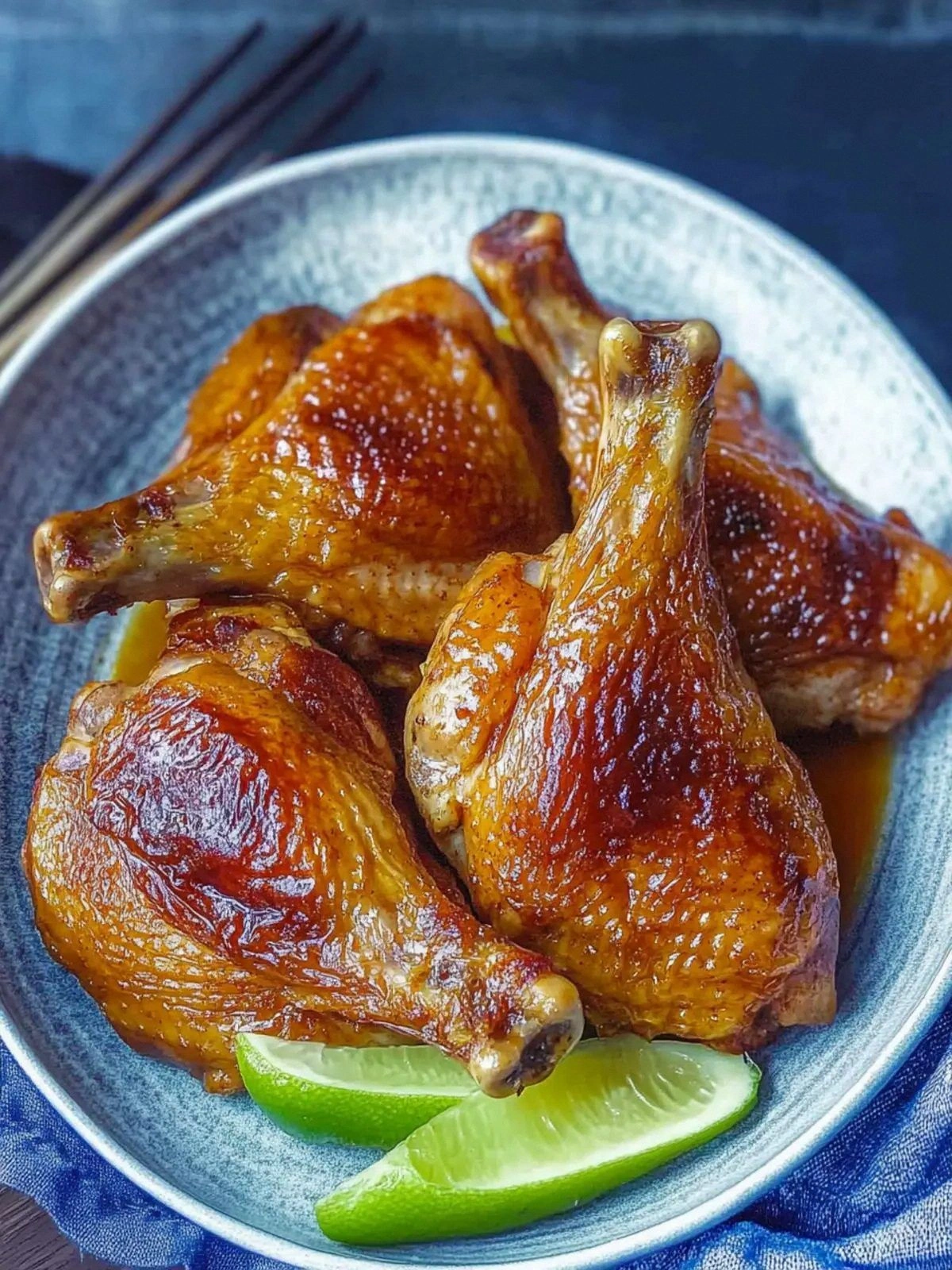
When you pull this dish out of the oven, the kitchen will smell like a blend of toasted sugar, aromatic spices, and caramelized chicken. Picture yourself pulling it out and seeing the glossy glaze that catches the light, like a polished trophy. That visual alone is a feast, and the anticipation builds as you slice through the tender meat. The first bite is a revelation: a burst of caramel, a whisper of spice, and a satisfying crunch on the edges. I’ve never seen my family ask for seconds until they’ve tasted this.
I’ve spent months refining this recipe, and every tweak has been guided by a simple principle: keep it simple, but make each ingredient sing. The result is a dish that feels like a celebration in a single pan. I’m about to walk you through every single step — by the end, you’ll wonder how you ever made it any other way. Okay, ready for the game-changer?
What Makes This Version Stand Out
- Flavor Depth: The dual dark soy sauce technique creates a layered sweetness and umami that isn’t found in standard five spice recipes. It’s like a duet of flavors that keeps you guessing until the last bite.
- Texture Balance: The combination of a crisp exterior and a tender interior delivers a mouthfeel that’s both satisfying and comforting. The glaze locks in moisture, preventing the chicken from drying out.
- Ingredient Simplicity: With only nine ingredients, the recipe is quick to assemble, yet each component plays a pivotal role in the final taste.
- Time Efficiency: The entire process from prep to plate takes just 45 minutes, making it perfect for busy weeknights or last-minute dinner parties.
- Crowd Appeal: The dish’s sweet and savory profile is a hit with kids and adults alike, making it a safe choice for family gatherings.
- Make-Ahead Potential: The chicken can be marinated in advance, and the glaze can be prepared separately, allowing you to assemble the dish just before serving.
- Unique Twist: The addition of white pepper and garlic powder adds a subtle kick that differentiates it from traditional five spice blends.
- Visual Impact: The glossy glaze and caramelized edges provide a striking presentation that elevates the dish from ordinary to extraordinary.
Alright, let’s break down exactly what goes into this masterpiece. Here’s why it works and why you’ll love it.
Inside the Ingredient List
The Flavor Base
The five spice powder is the backbone of this dish. It’s a blend that brings together warm spices like cinnamon and star anise, balanced by the sharpness of white pepper. This mix is what gives the chicken its unmistakable aroma. If you’re looking for a substitute, you can create a homemade blend with equal parts cinnamon, star anise, fennel, cloves, and a pinch of black pepper. A good quality five spice powder will ensure a robust flavor that doesn’t get lost in the honey glaze.
The Sweetness Layer
Honey is the secret sweetener that caramelizes beautifully when heated. It creates a glossy glaze that clings to the chicken, enhancing both texture and flavor. If honey is not an option, try using maple syrup or brown rice syrup for a similar effect. The key is to use a liquid that can caramelize without burning. A tablespoon of honey is enough to coat the chicken evenly without making it overly sweet.
The Umami Boost
Dark soy sauce is a powerhouse of umami and adds a deep, savory undertone. The first teaspoon is used for marinating, allowing the chicken to absorb the rich flavor. The second, smaller amount is added later to finish the glaze, giving it a glossy sheen and a subtle depth. If you’re watching sodium, you can opt for a low-sodium dark soy sauce, but be prepared to add a pinch more salt to compensate.
The Final Flourish
Shaoxing rice wine adds a gentle, nutty aroma that elevates the dish beyond ordinary chicken. It also helps tenderize the meat, ensuring it stays moist during cooking. If you can’t find Shaoxing wine, dry sherry or a splash of rice vinegar mixed with a teaspoon of sugar can mimic the flavor profile. The wine’s subtle sweetness balances the dish, tying together the sweet and savory notes.
Everything’s prepped? Good. Let’s get into the real action.
The Method — Step by Step
- Prepare the Chicken: Rinse the chicken and pat it dry with paper towels. Trim any excess fat or skin. Place the chicken in a large bowl and season with 2 teaspoons of salt. Add ¾ teaspoon of five spice powder, ¼ teaspoon of garlic powder, and ¼ teaspoon of white pepper. Toss until the coating is even, then let it rest for 10 minutes to allow the flavors to penetrate.
- Marinate: Pour 1 teaspoon of dark soy sauce and 1 teaspoon of Shaoxing rice wine over the seasoned chicken. Stir to coat each piece thoroughly. Cover the bowl with plastic wrap and refrigerate for 30 minutes, turning once. The marination step is crucial for a juicy, flavorful result.
- Heat the Pan: Place a large skillet over medium-high heat. Add 2 tablespoons of neutral oil (vegetable or canola works best). Let the oil shimmer but not smoke. This ensures a crisp exterior without burning.
- Brown the Chicken: Carefully slide the chicken pieces into the hot pan, skin-side down if applicable. Let them brown for 5-6 minutes, then flip to the other side. The goal is a golden-brown crust that locks in moisture. Watch the edges; they should start pulling away slightly as they caramelize.
- Reduce the Sauce: In a small bowl, whisk together 1 tablespoon of honey, ½ teaspoon of dark soy sauce, and a splash of water to thin the glaze. Pour this mixture over the chicken, then reduce the heat to medium. The sauce should bubble gently, coating the chicken in a glossy sheen.
- Watch Out: Keep an eye on the honey glaze; it can burn quickly. If it starts to darken too fast, lower the heat or add a splash of water. The glaze should be thick enough to cling to the chicken but not so thick that it clumps. Watch Out: The glaze can caramelize in seconds, so don’t walk away from the stove here.
- Simmer: Let the chicken simmer in the glaze for 5 minutes, turning occasionally to ensure even coating. The sauce should reduce slightly, becoming syrupy and aromatic. The chicken should be fully cooked through, with an internal temperature of 165°F (74°C).
- Final Glaze: Increase the heat to high and let the glaze thicken for an additional 2-3 minutes. The sauce should coat the back of a spoon and cling to the chicken. This step creates the signature glossy finish that makes the dish pop.
- Rest and Serve: Transfer the chicken to a serving platter and let it rest for 3 minutes. This allows the juices to redistribute, keeping the meat moist. Garnish with sliced green onions or toasted sesame seeds for an extra pop of color and flavor.
- Enjoy: Plate the chicken alongside steamed rice or stir-fried vegetables. The combination of sweet, savory, and aromatic notes will leave your guests asking for the recipe. Remember, this dish is a showstopper; don’t be shy to let everyone taste the first bite.
Insider Tricks for Flawless Results
The Temperature Rule Nobody Follows
Many cooks overcook the chicken in the pan, leading to dry meat. The trick is to keep the heat medium-high until the crust forms, then reduce to medium for the glaze. I’ve learned that a quick sear locks in juices, while a slower simmer ensures the glaze coats the meat evenly. If you’re using a larger bird, adjust the heat slightly lower to avoid burning the exterior before the interior cooks through.
Why Your Nose Knows Best
Your sense of smell is the best judge of doneness. When the chicken starts to smell like toasted sugar, the glaze is almost ready. If the aroma is too sharp, the honey may be burning. A good rule of thumb: when the scent is sweet with a hint of spice, it’s time to reduce the heat and let the glaze set.
The 5-Minute Rest That Changes Everything
Letting the chicken rest after cooking might seem like a waste of time, but it’s essential for juiciness. The juices redistribute, preventing them from spilling out when you cut into the meat. I’ve tried cutting straight away, and the result was a dry, uneven texture. Resting for just 3-5 minutes makes a noticeable difference.
The Secret to a Crispy Crust
Pat the chicken dry before cooking. Moisture on the surface will steam instead of sear, preventing a crisp crust. If you’re using skin-on chicken, leave the skin slightly loose to allow the fat to render. Once the skin is golden, flip the chicken carefully to avoid tearing.
The Right Pan Size Matters
Using a pan that’s too small forces the chicken to crowd together, which leads to steaming instead of searing. A wide skillet gives each piece enough space to brown evenly. If you only have a small pan, cook in batches to maintain the heat.
The Final Glaze Finish
The final glaze step is where the dish truly shines. By increasing the heat to high, the sauce reduces to a thick, glossy coating that clings to each piece. This step also caramelizes the honey, creating a subtle bitterness that balances the sweetness. Don’t rush this stage; a slow reduction gives the glaze depth.
Creative Twists and Variations
This recipe is a playground. Here are some of my favorite ways to switch things up:
Spicy Sriracha Kick
Add a tablespoon of sriracha to the glaze for a fiery twist. The heat pairs well with the sweetness, creating a dynamic flavor profile. It’s perfect for those who love a bit of spice. Serve it with a cool cucumber salad to balance the heat.
Coconut Cream Finish
Replace the honey with coconut cream for a tropical flair. The cream adds richness and a subtle coconut undertone. The five spice still shines through, making this a unique fusion dish. Pair it with jasmine rice for an exotic feel.
Apple Cider Glaze
Swap honey for apple cider for a fruitier glaze. The cider’s acidity brightens the dish and reduces the heaviness. It’s a great option for autumn gatherings when apples are in season. Garnish with toasted pecans for crunch.
Herb-Infused Variation
Add fresh thyme or rosemary to the pan during the searing step. The herbs infuse the chicken with aromatic notes that complement the five spice. This version works well with a side of roasted root vegetables. The herbaceous aroma will make the dish feel more rustic.
Miso Glaze Upgrade
Incorporate a teaspoon of white miso into the glaze for umami depth. The miso adds a savory layer that pairs beautifully with the honey. This variation is ideal for a quick weeknight dinner that feels special. Serve with steamed bok choy for a balanced meal.
Asian Noodle Pairing
Serve the chicken over rice noodles tossed in sesame oil and lime zest. The noodles absorb the glaze, creating a cohesive dish. This pairing is perfect for a quick, low-carb dinner. The citrus brightens the rich flavors.
Storing and Bringing It Back to Life
Fridge Storage
Store the cooked chicken in an airtight container for up to 4 days. Keep the glaze separate to avoid sogginess. When ready to eat, reheat on the stovetop with a splash of water to steam the chicken back to life. The glaze will recoat, giving it that fresh, glossy finish. Serve immediately for the best texture.
Freezer Friendly
Freeze the chicken in a single layer on a parchment-lined tray before transferring to a freezer bag. This prevents clumping and allows you to thaw individual portions. Thaw overnight in the fridge, then reheat in the oven at 350°F for 10 minutes. The chicken remains juicy, and the glaze stays intact.
Best Reheating Method
Reheat in a skillet over medium heat, adding a splash of water or chicken broth. The liquid creates steam that keeps the meat moist. Stir gently to coat the chicken with the glaze. Avoid microwaving; the texture will become rubbery. Serve hot with a side of steamed greens.
Final Thoughts and Serving Suggestions
I’ve spent countless evenings tweaking this recipe, and I can honestly say that this is hands down the best version you’ll ever make at home. The combination of sweet honey, savory soy, and aromatic spices creates a flavor profile that’s both comforting and exciting. Whether you’re feeding a family or entertaining guests, this dish will be a crowd-pleaser.
Serve it alongside fluffy jasmine rice or a simple stir-fry of bok choy and mushrooms. The vegetables will soak up the glaze, turning every bite into a mini celebration. If you want to elevate the presentation, drizzle a little sesame oil over the finished dish and sprinkle toasted sesame seeds on top. The contrast between the glossy glaze and the crunchy seeds is a visual treat.
Don’t forget to pair it with a light, crisp white wine or a chilled jasmine tea. The acidity will cut through the richness, balancing the flavors beautifully. If you’re feeling adventurous, try a side of pickled daikon for a tangy contrast. The dish becomes a full sensory experience.
Remember, the secret to this dish is patience and attention to detail. From the marination to the final glaze, each step matters. I’ve learned that the moment the glaze thickens to a syrupy consistency, the dish is almost finished. Trust your senses, and the result will be worth the effort.
Extra Tips
If you’re cooking for a crowd, consider using a roasting pan instead of a skillet. The larger surface area allows the chicken to cook more evenly. You can also add a splash of water to the pan to keep the temperature consistent. This prevents the glaze from burning on a larger batch.
When selecting chicken, opt for thighs over breasts for maximum flavor. Thighs are fattier and more forgiving, resulting in a juicy, tender bite. If you prefer breasts, slice them into smaller pieces to ensure even cooking.
If you’re short on time, use pre-sliced chicken thighs. The cooking time will be reduced by about 5 minutes. However, be careful not to overcook; the chicken should remain moist.
For a gluten-free version, use tamari instead of soy sauce. Tamari has a similar flavor profile but is naturally gluten-free. Be mindful of the salt content and adjust accordingly.
When using honey, choose a light, mild variety to avoid overpowering the dish. A darker honey can add complexity, but it may also intensify the sweetness. Adjust the amount based on your taste preference.
If you want a more pronounced five spice flavor, add an extra pinch of the blend to the glaze. This will deepen the aromatic profile without compromising the sweetness. It’s a small tweak that makes a big difference.
For a smoky finish, finish the chicken under a broiler for 2 minutes. The high heat will caramelize the glaze further, creating a caramelized crust. Keep a close eye to prevent burning.
When serving, arrange the chicken in a circular pattern on the platter. This visual layout encourages sharing and creates a centerpiece effect. The glaze will naturally drip onto the side, adding a visual cue of freshness.
If you’re feeling fancy, garnish with microgreens or thinly sliced cucumber ribbons. The fresh crunch contrasts the sweet glaze, providing an additional layer of texture. This small addition elevates the dish to restaurant level.
Always taste the glaze before adding it to the chicken. If it’s too thick, thin it with a splash of water or rice wine. If it’s too thin, let it reduce further. The glaze should cling to the chicken, not pool on the pan.
Keep a timer handy to avoid overcooking. The chicken is done when its internal temperature reaches 165°F (74°C). Use a meat thermometer for precision. A quick check saves you from a dry, disappointing dish.