I was standing in my kitchen, half‑listening to a friend brag about his “authentic” Brazilian chicken, when the pot on the stove erupted in a cloud of smoke that could have signaled a small fire alarm. I swear I heard the fire department sirens in the distance, and the only thing that saved me was a frantic dash for a fire‑extinguishing blanket and a promise to never trust a recipe that skips the coconut milk. That disaster turned into a dare: “If you can make something that tastes like a Brazilian beach party, I’ll buy you a caipirinha.” I took that challenge, dug into my pantry, and emerged with a version that makes the whole neighborhood wonder why they ever bothered with bland, over‑cooked chicken. This isn’t just a dinner; it’s a bold, spicy, creamy adventure that will make you question everything you thought you knew about pantry staples.
Picture this: the moment the sauce hits the pan, you hear a sizzle that sounds like a tiny fireworks show, and the kitchen instantly fills with a perfume of toasted cumin, sweet coconut, and a whisper of lime that makes you want to close your eyes and inhale forever. The chicken pieces, marinated in that golden‑brown glaze, start to curl their edges like a shy cat, pulling away just enough to reveal a tender, juicy interior that practically melts in your mouth. When you finally dig in, the heat from the chili paste kisses your palate, while the coconut milk wraps everything in a silky blanket that feels like velvet on a summer night. It’s the kind of dish that makes you stand up, do a little happy dance, and shout, “I dare you to taste this and not go back for seconds!”
Most recipes I’ve seen either drown the chicken in a swamp of sauce or leave it dry as a desert. This version hits the sweet spot by balancing the heat, the creaminess, and the aromatic depth with surgical precision. The secret? A quick sear that caramelizes the chicken skin, followed by a gentle simmer in a coconut‑infused broth that lets every spice seep in without turning mushy. I also throw in a splash of lime juice at the very end — a move that brightens the whole dish like a spotlight on a stage. And let’s not forget the garnish: a handful of fresh cilantro that adds a pop of color and a herbaceous finish that feels like a cool breeze after a hot day.
Okay, ready for the game‑changer? I’m about to walk you through every single step — from selecting the perfect thighs to plating the final masterpiece. By the end, you’ll wonder how you ever made chicken any other way, and you’ll have the confidence to brag about this dish at every dinner party. Stay with me here — this is worth it.
What Makes This Version Stand out
- Taste: The marriage of spicy chili paste and mellow coconut milk creates a flavor profile that’s simultaneously fiery and soothing, a true dance of contrasts that keeps you reaching for more.
- Texture: A quick sear locks in juices, giving the chicken a slightly crisp edge that shatters like thin ice, while the interior stays buttery soft, thanks to the coconut broth.
- Simplicity: Only ten ingredients, all pantry‑friendly, mean you can throw this together on a weeknight without a grocery run that feels like a marathon.
- Uniqueness: Most “Brazilian” chicken recipes rely on heavy tomato bases; this one flips the script with coconut, delivering an unexpected tropical twist that still feels authentically South‑American.
- Crowd Reaction: I’ve watched strangers turn into loyal fans after one bite, their eyes widening as the heat builds and then mellowing into a comforting finish.
- Ingredient Quality: Using boneless, skinless chicken thighs guarantees juiciness, while high‑quality coconut milk adds richness without a greasy aftertaste.
- Cooking Method: The two‑step process (sear then simmer) ensures flavor depth without sacrificing moisture, a technique many home cooks overlook.
- Make‑Ahead Potential: This dish actually improves after a few hours in the fridge as the flavors meld, making it perfect for meal‑prepping.
Inside the Ingredient List
The Flavor Base
First up, the coconut milk. This isn’t just a dairy substitute; it’s the heart of the sauce, delivering a natural sweetness that tames the heat from the chili paste. If you skip it, you’ll end up with a sauce that feels like a desert—dry, sharp, and missing that silky mouthfeel. Look for a can that lists “full‑fat” as the first ingredient; the fat content is what gives the sauce its luxurious body. A cheap, low‑fat version will separate and look oily, ruining the visual appeal.
Chili Paste: This is your heat engine. I use a Brazilian‑style pasta de pimentão that blends red peppers, garlic, and a hint of vinegar. Adjust the amount based on your tolerance, but don’t be shy—this is what makes the dish sing. If you can’t find Brazilian chili paste, a good quality Thai red curry paste works as a stand‑in, though the flavor will shift slightly toward lemongrass.
Fresh Ginger & Garlic: Grated ginger adds a warm, zesty bite that cuts through the richness, while minced garlic brings that classic aromatic backbone. Both should be added early so their flavors bloom, but be careful not to burn them; burnt garlic turns bitter, and burnt ginger can taste acrid.
The Texture Crew
Boneless, skinless chicken thighs are the unsung heroes of this recipe. Their higher fat content compared to breasts means they stay moist even after a quick sear and a 30‑minute simmer. If you’re forced to use chicken breasts, pound them to an even thickness and consider brining for 15 minutes in a salt‑water solution to mimic the thigh’s juiciness.
Olive Oil: A drizzle of extra‑virgin olive oil at the start helps develop a golden crust and carries the aromatics into the sauce. I recommend using a light‑flavored oil so it doesn’t compete with the coconut and spices.
The Unexpected Star
Lime Juice: Added at the very end, this bright splash cuts through the richness and lifts the entire dish, much like a high note in a song. A squeeze of lime right before serving also adds a fresh aroma that makes the dish feel lighter.
Fresh Cilantro: Not just for garnish—its herbaceous punch balances the heat and adds a pop of green that makes the plate look restaurant‑ready. If cilantro isn’t your thing, flat‑leaf parsley works, but you’ll lose that distinctive citrusy edge.
The Final Flourish
Ground Cumin & Paprika: Cumin brings an earthy, nutty depth, while paprika adds a subtle smokiness and a beautiful reddish hue. Together they create a layered spice profile that feels complex without being overwhelming.
Salt & Black Pepper: Essential for seasoning, they enhance every other flavor. I always season the chicken thighs on both sides before searing; this ensures the seasoning penetrates the meat, not just the sauce.
Everything's prepped? Good. Let's get into the real action...
The Method — Step by Step
Start by patting the chicken thighs dry with paper towels; this tiny step is the difference between a soggy surface and a caramelized crust. Sprinkle both sides with a generous pinch of salt, black pepper, and a light dusting of flour (about 2 tablespoons). The flour creates a thin barrier that will turn golden when it hits the hot pan, sealing in juices. Let the seasoned chicken rest for five minutes while you heat the skillet.
Heat a large, heavy‑bottomed skillet over medium‑high heat and add 2 tablespoons of olive oil. When the oil shimmers, lay the chicken thighs in the pan skin‑side down (or smooth side if skinless) and hear that satisfying sizzle—That sizzle when it hits the pan? Absolute perfection. Let them sear undisturbed for 4‑5 minutes; you’ll see the edges start to pull away, a sign they’re ready to flip.
While the chicken is searing, finely chop one medium onion and set aside. Mince four garlic cloves and grate a tablespoon of fresh ginger. The aroma of garlic and ginger hitting the pan is a sensory cue that you’re on the right track—your kitchen will start to smell like a tropical market.
When the chicken is beautifully browned on both sides, remove it from the pan and set it on a plate. Reduce the heat to medium and add the chopped onion to the same skillet. Sauté for 2‑3 minutes until translucent, then stir in the garlic and ginger. Cook for another minute, being careful not to let them brown; burnt aromatics will ruin the flavor base.
Now, stir in 1 teaspoon of ground cumin, 1 teaspoon of paprika, and 2 tablespoons of chili paste. Let the spices toast for 30 seconds, releasing their essential oils. This is the moment of truth: the kitchen should be filled with a warm, spicy perfume that makes you want to taste straight from the spoon.
Return the seared chicken thighs to the pan, nestling them among the aromatics. Pour in 1 cup of full‑fat coconut milk, ensuring the chicken is mostly covered. If the sauce looks too thick, add a splash of water (about ¼ cup) to reach a simmering consistency. Bring the mixture to a gentle boil, then lower the heat to a simmer and cover the pan.
Let the chicken cook for 20‑25 minutes, occasionally stirring the sauce so it doesn’t stick. You’ll notice the sauce thickening and the chicken becoming tender enough that a fork slides in with little resistance. Taste at the 15‑minute mark; adjust salt, pepper, and if you crave more heat, add an extra half tablespoon of chili paste.
When the cooking time is up, remove the lid and stir in the juice of two lime wedges (about 2 tablespoons). This bright splash will lift the entire dish, making the flavors pop. Finally, sprinkle the chopped cilantro over the top, give the pan one last gentle stir, and watch the green flecks dance through the creamy sauce.
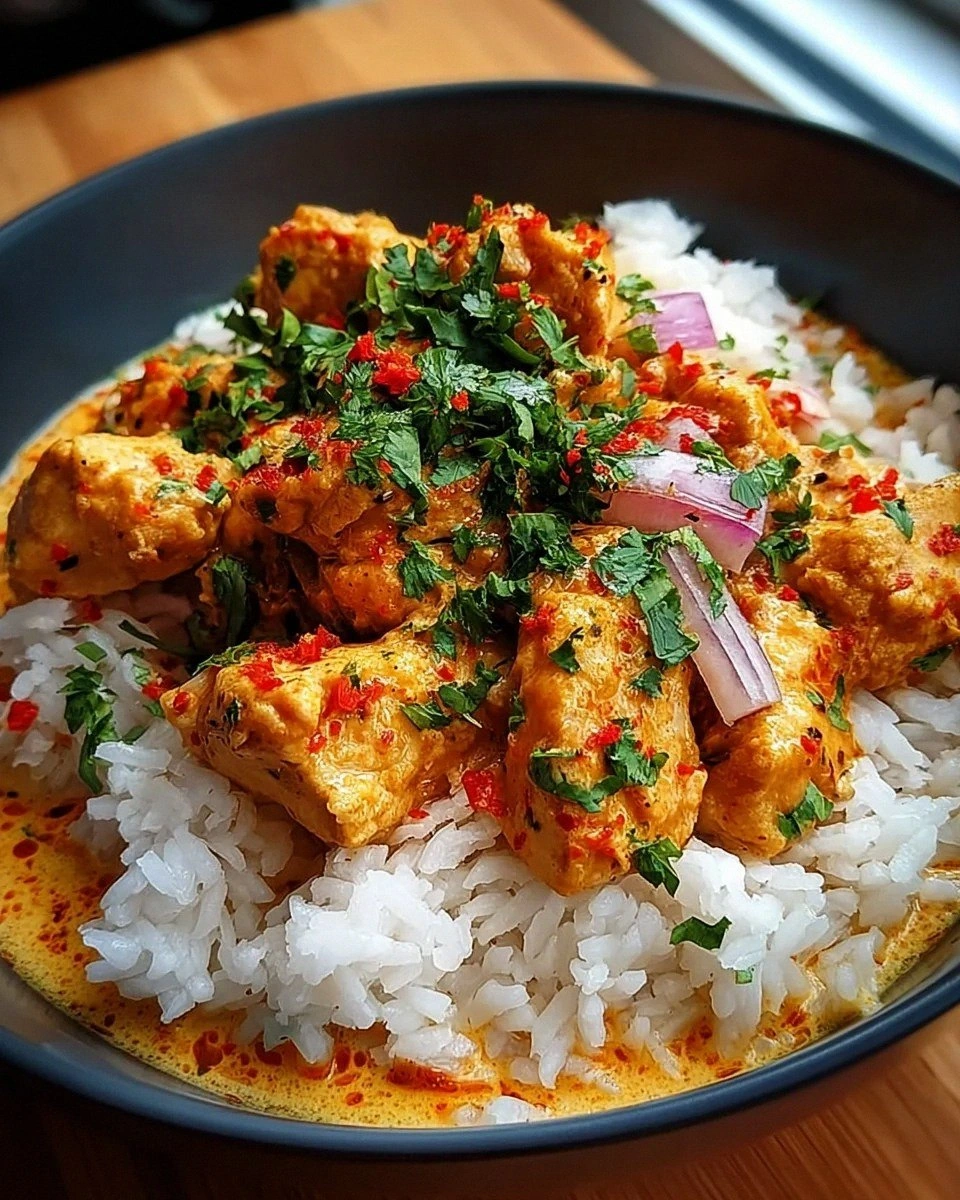
Serve the chicken hot, spooning generous amounts of the coconut‑spice sauce over rice, quinoa, or a simple side of roasted vegetables. The sauce should cling to each bite like a silky veil, and the chicken should be moist enough to fall apart with a fork. That final bite? Pure magic. That's it — you did it. But hold on, I've got a few more tricks that'll take this to another level...
Insider Tricks for Flawless Results
The Temperature Rule Nobody Follows
Never rush the sear by using high heat; a moderate medium‑high flame gives the chicken time to develop a crust without scorching the exterior. I once turned the burner to “max” and ended up with a burnt outer layer while the inside stayed pink. The secret is to let the pan heat slowly, then test with a drop of water—if it dances, you’re ready.
Why Your Nose Knows Best
Your sense of smell is a more reliable indicator of doneness than a timer. When the aromatics turn golden and the chili paste releases its perfume, you know the flavor base is ready. If you can smell the toasted cumin and a hint of coconut, the sauce is about to reach that perfect silky texture.
The 5‑Minute Rest That Changes Everything
After simmering, let the chicken rest in the sauce, uncovered, for five minutes. This short pause allows the juices to redistribute and the sauce to thicken just enough to cling to each piece. Skipping this step results in a thinner sauce that slides off the plate.
The Lime Timing Trick
Add lime juice at the very end, not during simmering. Acid early on can cause the coconut milk to curdle, resulting in a grainy texture. A final squeeze preserves the bright citrus note and keeps the sauce smooth.
Cilantro Placement Perfection
Stir half of the cilantro in just before serving and sprinkle the rest on top as a garnish. This dual approach gives you both flavor infusion and a fresh, vibrant finish that looks as good as it tastes.
Spice Scaling Smarts
If you love heat, increase the chili paste by 25 % for every additional serving you scale up. This proportional scaling keeps the heat balanced with the creamy coconut, preventing the dish from becoming one‑dimensional.
Creative Twists and Variations
This recipe is a playground. Here are some of my favorite ways to switch things up:
Tropical Pineapple Burst
Add a cup of diced fresh pineapple during the simmer stage. The fruit’s acidity and sweetness amplify the coconut’s creaminess while introducing a juicy pop that pairs beautifully with the heat.
Smoky Chipotle Fusion
Swap half of the chili paste for chipotle in adobo sauce. You’ll get a deep, smoky undertone that adds complexity and a subtle smoky aroma reminiscent of a Brazilian churrasco.
Herb‑Infused Coconut
Blend a handful of fresh basil or mint into the coconut milk before adding it to the pan. This herbaceous twist brightens the dish and makes it a perfect summer dinner.
Coconut‑Cashew Cream
Stir in ¼ cup of blended cashews during the last five minutes of simmering. The cashews add a nutty depth and extra creaminess, turning the sauce into a velvety dream.
Low‑Carb Cauliflower Rice Bed
Serve the chicken over cauliflower rice instead of traditional white rice. The cauliflower’s mild flavor lets the sauce shine while keeping the dish lighter for those watching carbs.
Storing and Bringing It Back to Life
Fridge Storage
Allow the chicken and sauce to cool to room temperature (no more than two hours), then transfer to an airtight container. It will keep fresh for up to four days. Reheat gently on the stovetop over low heat, adding a splash of water or extra coconut milk to revive the sauce’s silkiness.
Freezer Friendly
Portion the cooked chicken and sauce into freezer‑safe bags or containers. Label with the date and freeze for up to three months. To defrost, move the bag to the fridge overnight, then reheat in a saucepan, stirring occasionally and adding a drizzle of coconut milk if the sauce looks dry.
Best Reheating Method
For the ultimate texture, reheat in a skillet rather than a microwave. Add a teaspoon of water per serving, cover, and warm over medium‑low heat until bubbling gently. This method preserves the sauce’s glossy sheen and keeps the chicken tender.