Picture this: I was standing in my cramped kitchen, the clock ticking, and my stomach growling louder than a freight train. I had promised myself a quick dinner, but the pantry looked like a battlefield of forgotten ingredients. I grabbed a salmon fillet, a splash of teriyaki sauce, and a handful of rice, and I was about to discover that culinary magic can happen in just fifteen minutes.
The moment the salmon hit the pan, a sizzling sound erupted, and the air filled with a sweet, umami aroma that made my mouth water. I could feel the heat radiating off the skillet, the gentle hiss of oil, and the faint clack of a wooden spoon stirring the sauce. The sound of the rice bubbling in the pot was a comforting, rhythmic backdrop. I could almost taste the glaze coating the fish like velvet, the crunch of snap peas, and the cool snap of cucumber against a warm bite.
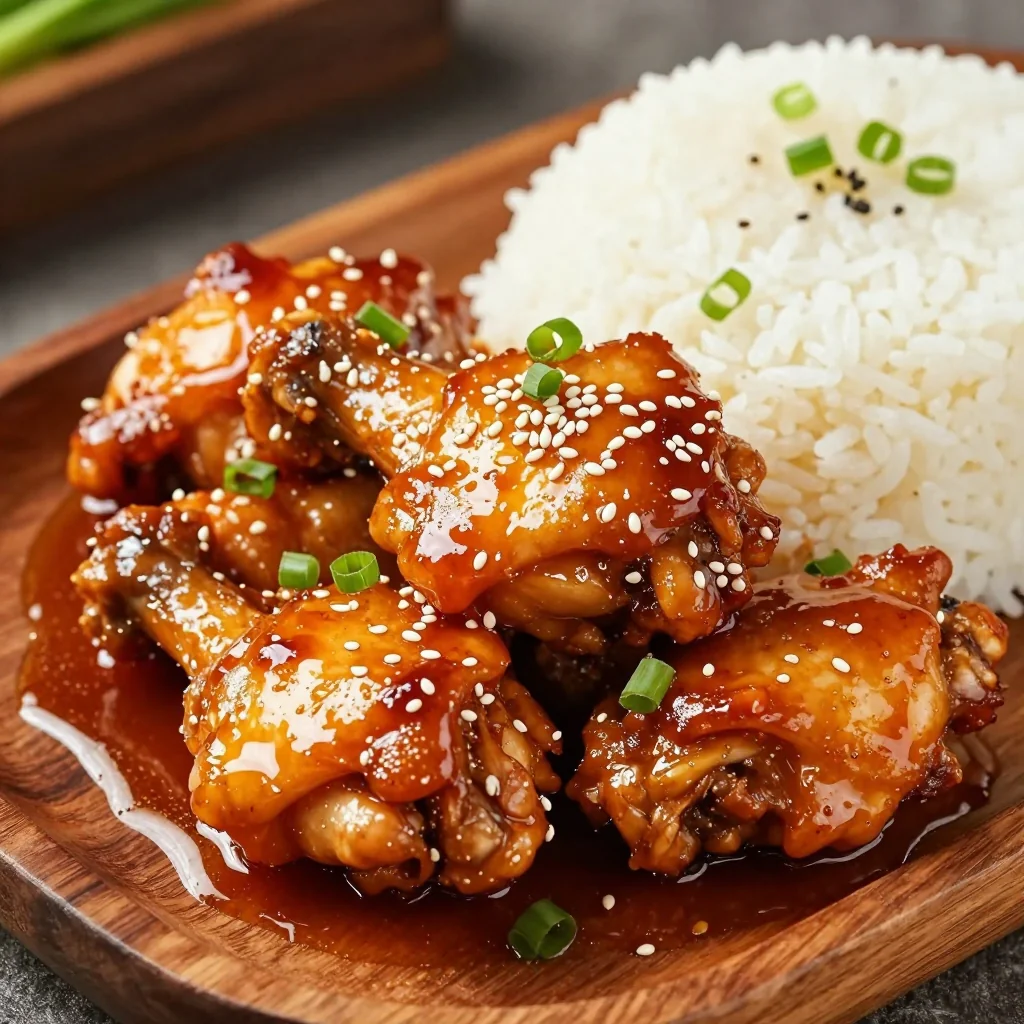
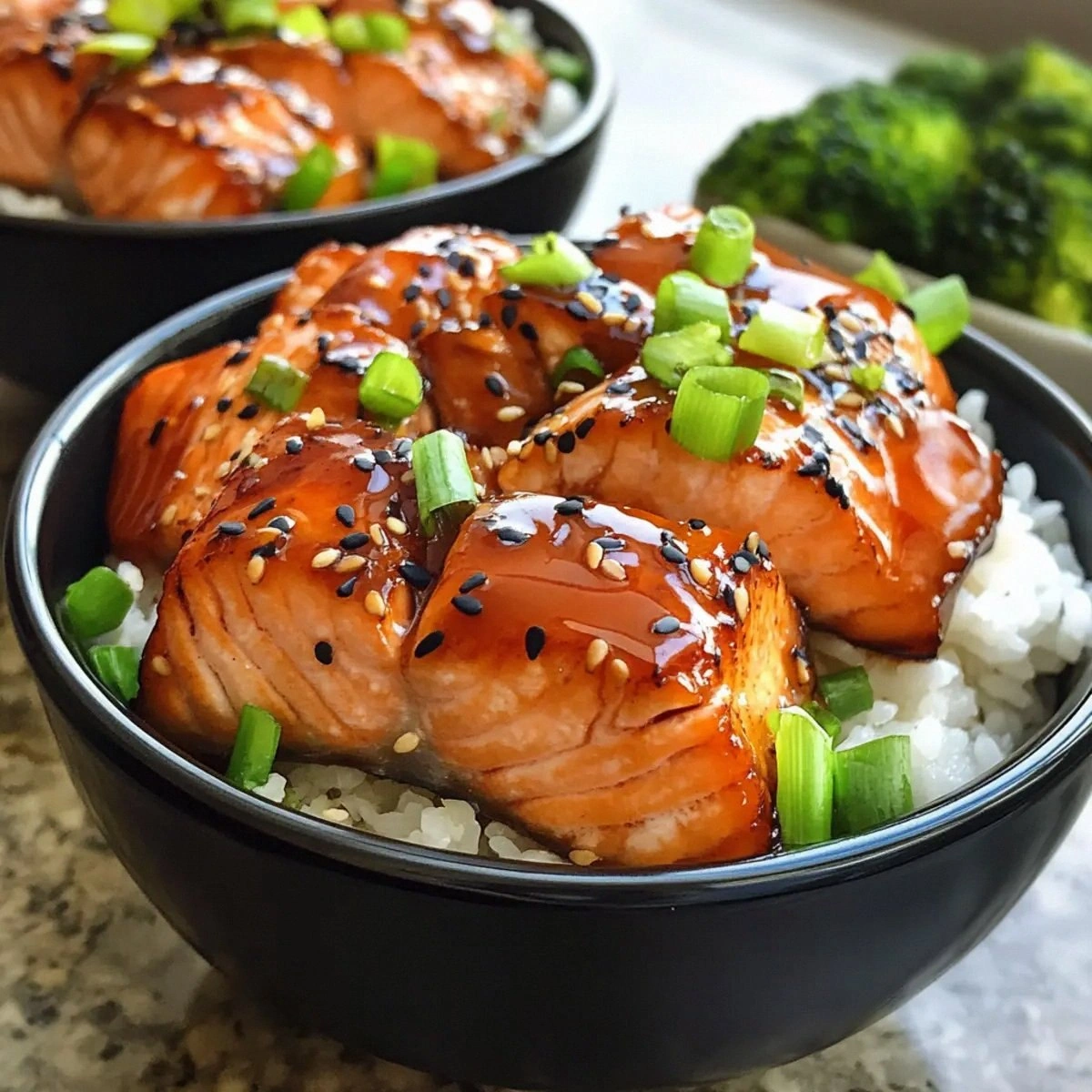
What makes this version stand out? It’s the balance of simplicity and depth. I use only a handful of ingredients, yet the flavors are layered and complex. The teriyaki sauce is reduced to a glossy glaze that clings to every surface. The rice is cooked with a splash of vinegar for a bright, tangy finish. And the final flourish of sesame seeds and green onions adds a nutty crunch that ties everything together.
I dare you to taste this and not go back for seconds. If you’ve ever tried a rushed dinner that felt flat or overcooked, you’ll find that this recipe turns the ordinary into extraordinary. Picture yourself pulling this out of the stove, the whole kitchen smelling incredible, and the family lining up for a second plate. Let me walk you through every single step — by the end, you’ll wonder how you ever made it any other way.
What Makes This Version Stand Out
- Flavor: The teriyaki glaze is reduced to a syrupy glaze that caramelizes on the salmon, creating a caramelized crust that locks in moisture and flavor.
- Texture: The snap peas stay crisp, the carrots add a subtle sweetness, and the rice remains fluffy, providing a contrast that keeps every bite interesting.
- Simplicity: No fancy gadgets, just a skillet, a pot, and a few pantry staples. You’ll finish in 15 minutes, even on a weekday.
- Uniqueness: The addition of a splash of rice vinegar to the rice gives it a bright, almost citrusy lift that you rarely see in typical teriyaki bowls.
- Crowd Reaction: Friends rave about the glossy finish and the sweet‑savory balance; it’s a crowd‑pleaser that works for both pescatarians and meat lovers alike.
- Ingredient Quality: Fresh salmon fillets with a buttery texture are essential; the rest of the ingredients are pantry staples that you likely already own.
- Cooking Method: Pan‑searing the salmon gives you a golden crust in seconds, while the quick simmer of rice ensures it’s done in the same time frame.
- Make‑Ahead Potential: The rice can be cooked ahead and reheated, and the sauce can be made in bulk and stored for future use.
Inside the Ingredient List
The Flavor Base
Teriyaki sauce is the star that ties everything together. It’s a sweet, savory sauce that coats the salmon like a glossy coat of paint. The honey or brown sugar adds natural sweetness, preventing the sauce from becoming overly salty. If you can’t find teriyaki sauce, a quick mix of soy sauce, honey, and a splash of rice vinegar will do wonders.
The Texture Crew
Snap peas and shredded carrots bring bright color and a satisfying crunch. The peas stay crisp because they’re quickly sautéed, while the carrots add a subtle sweetness that balances the umami of the salmon. If you prefer a different texture, try adding sliced bell peppers or zucchini for a slightly different bite.
The Unexpected Star
Cucumber is often overlooked in teriyaki bowls, but it provides a cool, refreshing contrast that cuts through the richness of the fish. The crispness of the cucumber also adds a textural element that keeps each bite from feeling too heavy. If cucumber isn’t available, a handful of chopped radishes can deliver a similar zing.
The Final Flourish
Sesame seeds and green onions are the finishing touches that elevate the dish from simple to memorable. The sesame seeds add a nutty flavor and a subtle crunch, while the green onions contribute a bright, herbal note that lifts the entire bowl. A squeeze of lime or a drizzle of sesame oil at the end can add a final layer of brightness.
Everything’s prepped? Good. Let’s get into the real action.
The Method — Step by Step
- Heat a large non‑stick skillet over medium heat and add a splash of oil. When the oil shimmers, place the salmon fillets skin‑side down. Let them cook undisturbed for 3–4 minutes until the skin is crisp and releases easily. This is the moment of truth; the aroma alone will have you salivating.
- Flip the salmon and pour the teriyaki sauce over the fillets. Reduce the heat to medium‑low and let it simmer for 2 minutes, spooning the sauce over the fish. The sauce should thicken into a glossy glaze that coats the flesh like a protective coat.
- While the salmon finishes, bring 1 1/4 cups of water to a boil in a saucepan. Add 1 cup of jasmine rice, stir, reduce to a simmer, cover, and let cook for 15 minutes. The rice should absorb all the liquid and become fluffy.
- Add a splash of rice vinegar to the cooked rice and fluff with a fork. This step brightens the flavor profile and gives the rice a slight tang that balances the sweetness of the sauce.
- In a small bowl, mince 2 cloves of garlic and sauté them in a separate pan with a touch of oil until fragrant, about 30 seconds. This garlic oil will be folded into the rice later to add depth.
- Heat another skillet over medium heat and sauté the snap peas for 2 minutes, just until they’re bright green and still crisp. Add shredded carrots and cook for an additional minute. The quick stir‑fry preserves their color and crunch.
- Once the salmon is done, remove it from the skillet and let it rest for a minute. While it rests, drizzle the garlic oil over the rice and stir to combine. This gives the rice a fragrant undertone that complements the fish.
- To assemble, scoop a generous portion of rice onto each plate, top with a salmon fillet, and scatter the sautéed peas and carrots. Sprinkle sesame seeds and sliced green onions over the top. Finish with a drizzle of the remaining teriyaki glaze.
- Serve immediately, and watch the steam rise like a fragrant cloud. If you’re feeling adventurous, squeeze a little lime over the bowl for a citrusy finish.
That’s it — you did it. But hold on, I’ve got a few more tricks that will take this to another level.
Insider Tricks for Flawless Results
The Temperature Rule Nobody Follows
Many cooks think a high heat is the key to searing salmon, but a medium‑high heat actually gives you a better crust while preventing the fish from drying out. The trick is to let the salmon sit on the pan for 3–4 minutes before flipping; this allows a golden crust to form. If you’re using a thinner fillet, reduce the time to 2–3 minutes to avoid over‑cooking.
Why Your Nose Knows Best
When the teriyaki sauce starts to caramelize, the aroma will change from sweet to slightly smoky. Trust that scent as your cue to reduce the heat and let it thicken. If you hear a hissing sound, it means the glaze is ready to coat the salmon. This subtle shift in aroma is a reliable indicator of flavor development.
The 5‑Minute Rest That Changes Everything
After searing, let the salmon rest for 5 minutes before slicing. This allows the juices to redistribute, keeping the flesh moist and tender. A friend once skipped this step and ended up with a dry, rubbery fillet that didn’t taste as good. The rest period is a small investment that pays off in texture.
The Rice‑Vinegar Balance
Adding rice vinegar to the cooked rice brightens the flavor and prevents the grains from sticking together. Use a small splash, about a teaspoon, to avoid making the rice too acidic. The vinegar also adds a subtle tang that cuts through the sweetness of the teriyaki glaze.
The Quick Stir‑Fry Secret
When sautéing snap peas and carrots, keep the heat high and the cooking time short. This preserves their color, crunch, and nutritional value. If you prefer a softer texture, add a splash of water or broth and cover the pan for a minute to steam instead of stir‑fry.
The Final Drizzle
A final drizzle of teriyaki glaze after assembling the bowl adds a glossy finish that makes the dish look restaurant‑quality. It also ensures every bite has that sweet‑savory kick. If you’re feeling fancy, finish with a few drops of sesame oil for an extra layer of aroma.
Creative Twists and Variations
This recipe is a playground. Here are some of my favorite ways to switch things up:
Spicy Sriracha Teriyaki
Add a teaspoon of sriracha to the sauce for a kick that pairs beautifully with the sweet glaze. The heat balances the richness of the salmon and adds a smoky depth. This version is perfect for those who like a little bite in their bowl.
Coconut‑Rice Version
Replace jasmine rice with coconut rice for a tropical twist. Cook the rice in coconut milk instead of water and add a pinch of salt. The creamy coconut flavor complements the teriyaki glaze and adds a subtle sweetness.
Vegetarian Teriyaki “Fish”
Swap the salmon for a thick slice of tofu or tempeh. Marinate it in teriyaki sauce for 10 minutes before pan‑searing. The tofu absorbs the glaze, creating a protein‑rich, plant‑based alternative that still delivers the same umami punch.
Pineapple Teriyaki
Add diced fresh pineapple to the skillet with the salmon. The fruit’s natural sugars caramelize with the sauce, creating a sweet‑savory glaze that pairs well with the fish. The pineapple also adds a juicy burst of tropical flavor.
Herb‑Infused Rice
Stir in chopped fresh cilantro or basil into the cooked rice. The herbs add a fresh, bright note that lifts the dish. This variation is especially refreshing during warmer months.
Smoked Paprika Crunch
Sprinkle smoked paprika over the salmon before searing for a smoky undertone. Add a handful of crushed tortilla chips to the bowl for a crunchy texture that contrasts with the silky sauce. This twist gives the dish a southwestern flair.
Storing and Bringing It Back to Life
Fridge Storage
Cool the salmon and rice completely before placing them in airtight containers. Store in the fridge for up to 2 days. When ready to reheat, add a splash of water or broth to the rice to keep it from drying out.
Freezer Friendly
Pack the cooked rice and salmon separately in freezer‑safe bags. Freeze for up to 1 month. Thaw overnight in the fridge and reheat on the stovetop or microwave with a splash of water. The teriyaki glaze can be reheated in a small saucepan.
Best Reheating Method
To reheat, place the salmon in a preheated oven at 350°F for 5–7 minutes. Warm the rice in a microwave‑safe bowl with a damp paper towel for 1–2 minutes. Add a tiny splash of water before reheating to steam back to perfection.