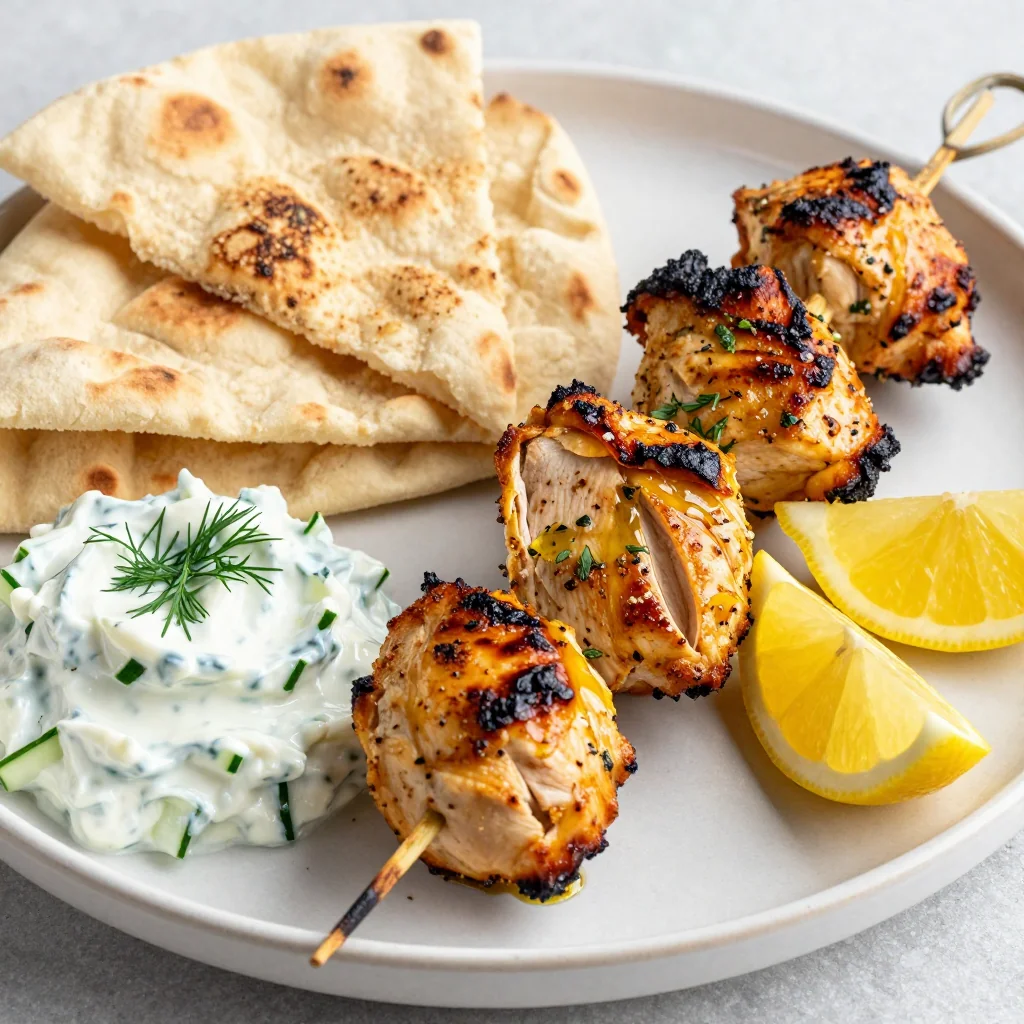
Picture this: I’m standing in a cramped kitchen, the scent of cumin hanging heavy in the air, and a friend daring me to “make the best kabob koobideh you’ve ever had.” The last time I tried a kabob, the skewers were limp, the meat tasted like a bland, overcooked sandwich. I was determined to turn that disaster into a triumph, and I’ve been bragging about the result ever since. I’ve spent hours tweaking the blend, testing ratios, and even experimenting with a secret ingredient that gives the meat a subtle smoky depth. Now, I’m ready to spill every juicy detail so you can replicate the magic at home.
When you first touch the mixture, you’ll notice its silky texture—ground lamb mixed with grated onion and a splash of lemon zest creates a moist, almost velvety consistency. The aroma that follows is a heady blend of cumin, smoked paprika, and fresh parsley, a scent that makes your mouth water before the first bite. As the skewers sizzle on the grill, a faint crackle of char forms a golden crust, sealing in juices that burst like tiny fireworks when you take a bite. The result is a kabob that’s tender, juicy, and bursting with layers of flavor that dance on the tongue.
What sets this version apart is not just the ingredients, but the technique. I’ve discovered that mixing the meat in a bowl and letting it rest for 20 minutes allows the spices to fully integrate, creating a cohesive flavor profile that’s impossible to achieve with a quick mash. I also use a blend of fresh and dried spices—fresh parsley for brightness, dried cumin for earthiness, and smoked paprika for that subtle smoky undertone that’s a hallmark of Persian kabobs. And the secret? A dash of tomato paste that adds a hint of umami and a touch of acidity that balances the richness of the lamb.
I dare you to taste this and not go back for seconds. The first bite delivers a savory, slightly sweet, and peppery explosion that will have you craving more. By the end, you’ll wonder why you ever settled for pre‑made kabobs from the grocery store. Let me walk you through every single step—by the end, you’ll wonder how you ever made it any other way.
What Makes This Version Stand Out
- Flavor: A balanced blend of cumin, smoked paprika, and fresh parsley gives a complex, layered taste that’s unmistakably Persian.
- Texture: The meat stays moist and tender, thanks to the onion, lemon zest, and a brief resting period that allows the juices to redistribute.
- Authenticity: This recipe honors the traditional method of grilling kabobs over charcoal, not just on a stovetop pan.
- Versatility: Works beautifully with lamb, beef, or a mix of both—just adjust the fat content and cook time slightly.
- Crowd‑Pleaser: The vibrant color and mouth‑watering aroma will have your guests begging for the recipe.
- Make‑Ahead: The meat mixture can be prepared a day ahead and refrigerated, making it ideal for parties.
- Healthful: Ground lamb provides high protein and essential minerals while the spices offer antioxidant benefits.
Alright, let’s break down exactly what goes into this masterpiece…
Inside the Ingredient List
The Flavor Base
Ground lamb is the star of this dish, providing a rich, savory foundation. I always choose lamb with a 70/30 lean-to-fat ratio to ensure the kabobs stay juicy. If you’re using beef, aim for a similar fat content or add a tablespoon of olive oil to compensate. Skipping the lamb entirely will leave the kabobs bland and dry, so don’t even think about it.
The Texture Crew
Grated onion is essential for moisture and a subtle sweetness that balances the spices. I use a medium onion, finely shredded with a microplane, which releases its juices and keeps the mixture from drying out. A pinch of salt and pepper is added to taste, but the real magic comes from the fresh parsley and a splash of lemon zest. The parsley adds a bright, herbal note, while the lemon zest brings a citrusy lift that cuts through the richness of the lamb.
The Unexpected Star
Tomato paste is the unsung hero that brings a gentle umami punch and a hint of acidity. It also helps bind the mixture together, preventing it from falling apart on the grill. If you’re avoiding tomatoes, a teaspoon of tomato sauce or even a splash of Worcestershire sauce can mimic the effect, but the taste will be noticeably different.
The Final Flourish
Ground cumin and smoked paprika are the spices that define the kabob’s flavor. Cumin offers an earthy depth, while smoked paprika gives a subtle smokiness that’s reminiscent of a slow‑cooked grill. A dash of ground coriander adds a citrusy brightness, and black pepper gives the final kick. Don’t skip the coriander; it’s what makes the kabobs feel fresh and alive.
Everything's prepped? Good. Let's get into the real action…
The Method — Step by Step
- Mix the Meat: In a large bowl, combine 1 lb ground lamb, 1 grated medium onion, 1/4 cup chopped fresh parsley, 1 tsp ground cumin, 1 tsp smoked paprika, 1/2 tsp ground coriander, 1/2 tsp salt, 1/4 tsp black pepper, 1 tbsp olive oil, 1 tbsp lemon zest, and 1 tbsp tomato paste. Mix thoroughly with your hands until the mixture is uniform and slightly sticky. The texture should be cohesive yet loose enough to mold onto skewers.
- Rest the Mixture: Cover the bowl with plastic wrap and refrigerate for 30 minutes. This step allows the flavors to meld and the meat to firm up, making it easier to shape.
- Prepare the Skewers: Soak wooden skewers in water for at least 15 minutes to prevent burning. If using metal, you can skip soaking. This is where the secret to a perfect kabob begins.
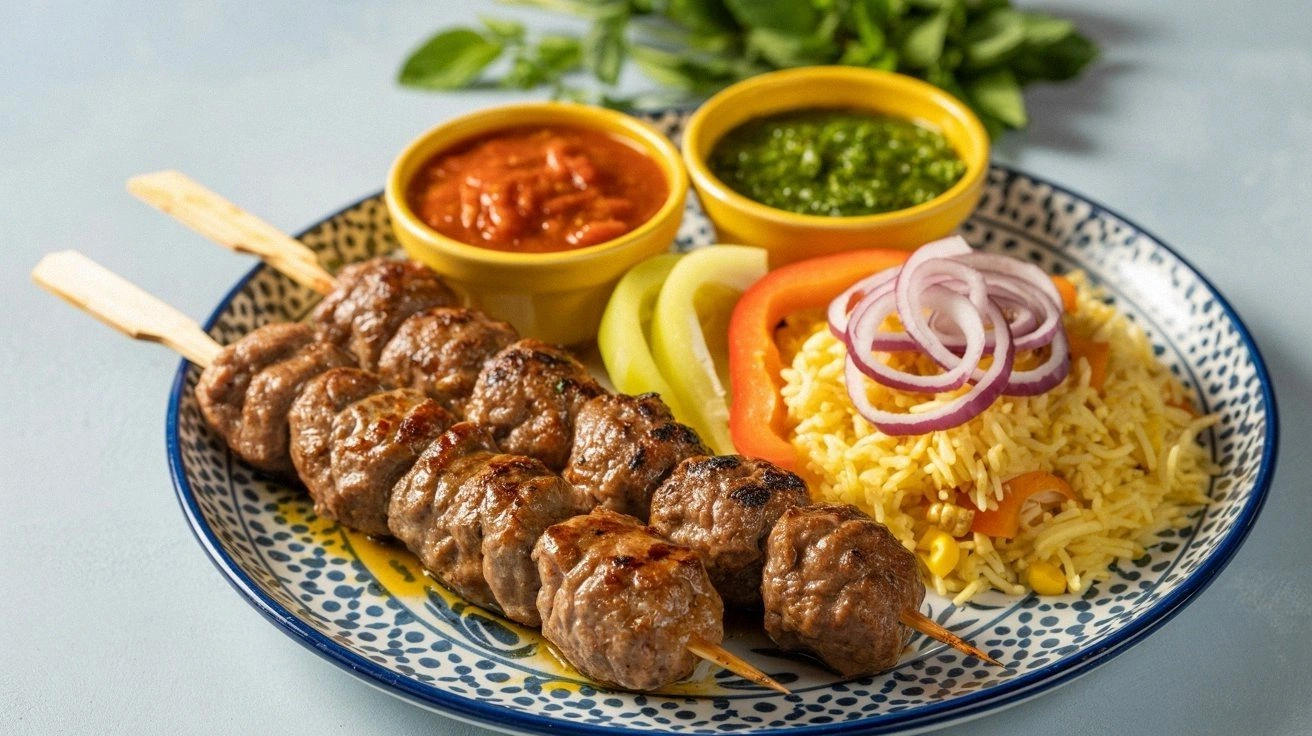
- Thread the Skewers: Divide the rested meat into 8 equal portions and roll each onto a skewer, pressing firmly to form a uniform shape. The meat should be about 1 inch thick and 3 inches long. This size is optimal for grilling, preventing the kabobs from drying out.
- Preheat the Grill: Heat a charcoal grill to medium‑high (around 400°F). If you’re using a gas grill, set it to medium‑high and preheat for 5 minutes. The grill should be hot enough to sear the kabobs within 2–3 minutes per side.
- Grill the Kabobs: Place the skewers on the grill, turning every 2 minutes. The first side should develop a golden brown crust within 3–4 minutes. Flip and repeat on the other side. The kabobs should be cooked through but still juicy.
- Rest the Kabobs: Remove the skewers from the grill and let them rest for 5 minutes. This allows the juices to redistribute, ensuring each bite stays moist.
- Serve: Plate the kabobs with flatbread, a side of saffron rice, and a dollop of fresh yogurt sauce. Garnish with chopped parsley and lemon wedges for an extra burst of freshness.
That's it — you did it. But hold on, I've got a few more tricks that'll take this to another level…
Insider Tricks for Flawless Results
The Temperature Rule Nobody Follows
Many cooks rely on visual cues alone, but a thermometer guarantees perfection. Aim for 160°F for medium doneness. If you’re aiming for well‑done, go up to 170°F. A thermometer also helps you avoid the common pitfall of undercooking the lamb, which can result in a tough texture.
Why Your Nose Knows Best
Before flipping the kabobs, give them a quick sniff. A faint, sweet aroma indicates the sugars in the onion are caramelizing, which means you’re on the right track. If you smell nothing, let them grill a bit longer.
The 5-Minute Rest That Changes Everything
Resting the kabobs after grilling is not a luxury; it’s a necessity. The juices settle back into the meat, preventing them from running off when you bite. Skip this step, and you’ll end up with a dry, disappointing kabob.
Use Fresh Herbs for a Bright Finish
A sprinkle of fresh parsley and a squeeze of lemon juice right before serving adds a pop of color and a refreshing counterbalance to the richness. It’s the final flourish that elevates the dish from good to unforgettable.
The Onion Trick
Grate the onion finely and let it sit in the bowl for 5 minutes before adding the meat. This step releases the onion’s juices, which help keep the kabobs moist and add a subtle sweetness that’s integral to the flavor profile.
Don’t Skimp on the Oil
A tablespoon of olive oil is more than just a flavor enhancer; it helps the meat hold together and prevents sticking to the grill. If you’re using a high‑fat lamb, you can reduce the oil slightly, but always keep some.
Creative Twists and Variations
This recipe is a playground. Here are some of my favorite ways to switch things up:
Beef & Lamb Fusion
Replace half the lamb with ground beef for a different texture. The beef adds a firmer bite, while the lamb keeps the richness. This combo is great for those who want a less fatty option.
Spicy Jalapeño Kick
Add a finely diced jalapeño to the mixture for a fiery edge. The heat pairs beautifully with the smoky paprika and bright parsley, creating a dynamic flavor profile that’s sure to impress.
Vegetarian Chickpea Kabob
For a vegetarian version, blend chickpeas with the same spices and bind with a beaten egg. Form into kabobs and grill until golden. The chickpeas offer a hearty, protein‑rich alternative.
Herb‑Infused Yogurt Sauce
Serve the kabobs with a yogurt sauce infused with mint, dill, and a hint of garlic. The cool, creamy sauce cuts through the richness and adds a refreshing element.
Saffron Rice Pairing
Accompany the kabobs with saffron‑infused basmati rice. The aromatic saffron complements the spices in the meat and creates a cohesive dining experience.
Storing and Bringing It Back to Life
Fridge Storage
Store leftover kabobs in an airtight container in the refrigerator for up to 3 days. Reheat in a skillet over medium heat for 3–4 minutes, or until warmed through. The meat will stay juicy if you avoid over‑cooking.
Freezer Friendly
Wrap each kabob tightly in parchment paper and place in a freezer bag. Freeze for up to 2 months. Thaw overnight in the refrigerator before reheating. This method preserves flavor and texture.
Best Reheating Method
Add a splash of water or broth to the skillet before reheating; this steams the kabobs and restores moisture. Cover the pan for 1 minute to trap steam, then finish with a quick sear to regain that charred edge.