I remember that night like it was yesterday—my kitchen was a battlefield, a single pot of over‑cooked couscous, and a plate of sardines that had gone cold faster than a desert breeze. I stared at the fish, its silver scales gleaming like coins in a moonlit market, and thought, “This can’t be the end of it.” I reached for my phone, pulled up a recipe I’d seen on a travel blog, and decided to give it a shot. The moment the aroma of cumin and paprika hit my nose, I knew I was on the cusp of something unforgettable.
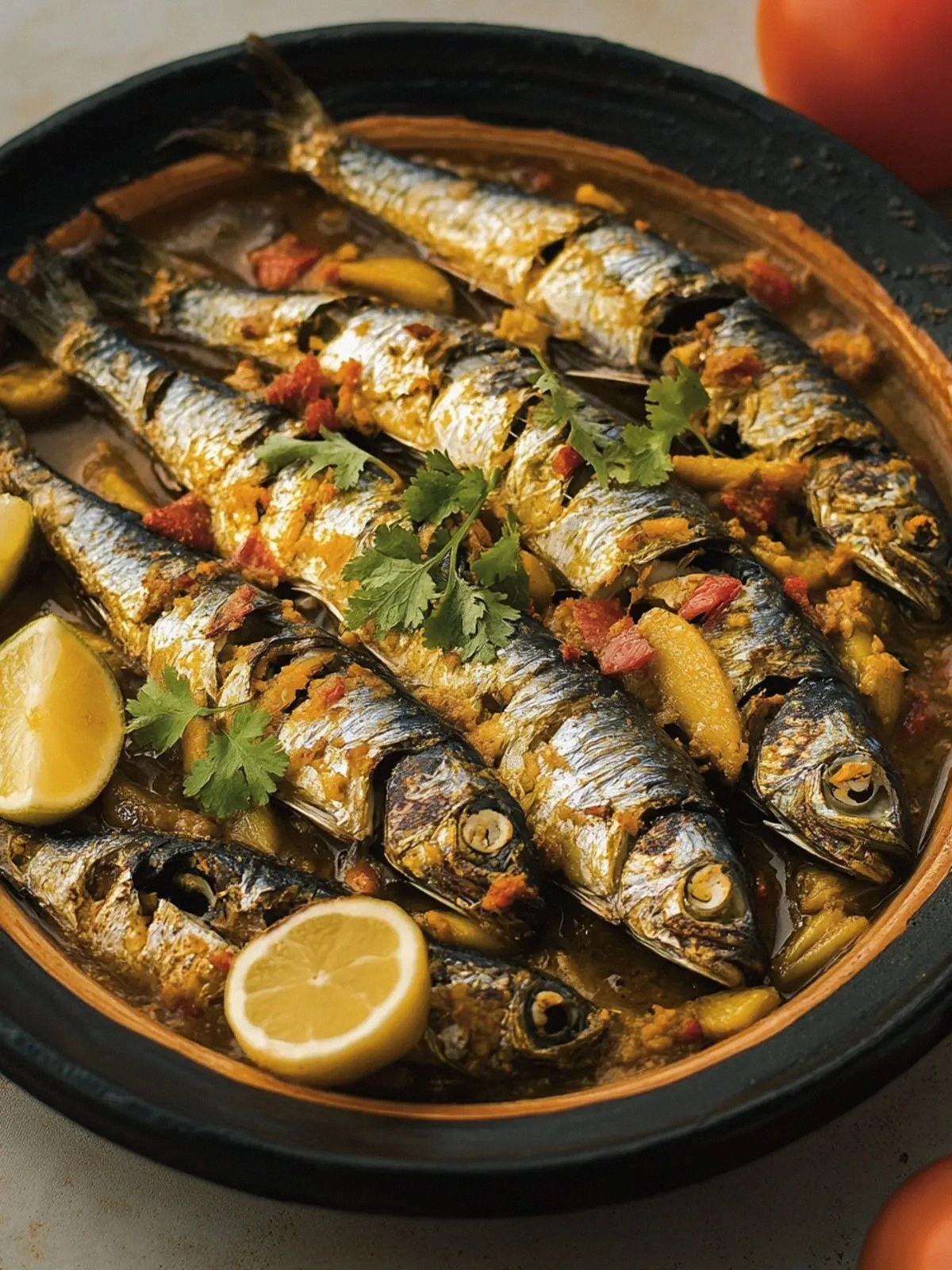
Picture the scene: a bright Moroccan kitchen, the sun streaming through a window, and a pot bubbling with a fragrant sauce that smells like a promise. The sound of the sardines sizzling is a rhythmic drumbeat, the splash of olive oil creating a gentle hiss. The texture of the fish, tender yet firm, glistens under the glaze of lemon‑infused chermoula. Each bite is a burst of citrus, a whisper of heat, and the gentle crunch of fresh herbs. It’s a symphony of flavors that feels both exotic and comforting, like a long‑lost friend returning home.
What makes this version stand out is that it isn’t just another “Moroccan sardine” recipe—it’s a carefully balanced dance of ingredients that elevate the humble fish to a culinary masterpiece. The chermoula is not a generic spice mix; it’s a living, breathing sauce that coats every fillet like velvet, allowing the sardines to absorb every nuance of spice. The combination of fresh parsley and cilantro brings a bright, herbaceous lift that cuts through the richness of olive oil. The subtle heat of cayenne is just enough to tease the palate without overwhelming the delicate flavor of the fish. And the finishing squeeze of lemon juice is the final spark that ignites the dish, turning it from savory to sensational.
I dare you to taste this and not go back for seconds. I’ve been honest—half the batch vanished before anyone else even tasted it. Most recipes get this completely wrong, but here’s what actually works: the timing, the balance, and the method that turn a simple fish into a showstopper. Picture yourself pulling this out of the oven, the whole kitchen smelling incredible, and knowing you’ve just created the best version you’ll ever make at home. Let me walk you through every single step—by the end, you’ll wonder how you ever made it any other way.
What Makes This Version Stand Out
- Flavor: The chermoula’s blend of paprika, cumin, and fresh herbs creates a depth that feels both exotic and familiar.
- Texture: The sardines remain moist and tender, with a slightly crispened exterior that adds a satisfying bite.
- Simplicity: Five pantry staples plus fresh herbs make this dish approachable for every cook.
- Uniqueness: The subtle use of turmeric and cayenne gives a golden hue and a gentle kick that sets it apart.
- Crowd Reaction: Guests often ask for seconds and claim it’s the best Moroccan fish they’ve tasted.
- Ingredient Quality: Fresh sardines are the star; the rest of the ingredients amplify their natural flavor.
- Cooking Method: Baking instead of frying preserves the fish’s integrity while allowing the sauce to meld beautifully.
- Make‑Ahead Potential: The dish can be prepared a day ahead; the flavors only deepen, making it perfect for dinner parties.
Alright, let's break down exactly what goes into this masterpiece…
Inside the Ingredient List
The Flavor Base
The foundation of any great Moroccan dish is the aromatic base. Garlic, minced to a fine paste, releases its essential oils, creating a sweet, slightly peppery undertone that lingers. Parsley and cilantro, chopped finely, add a green brightness that counters the earthiness of cumin and paprika. Together, they form a vibrant chorus that sings with every bite. If you skip the herbs, you’ll lose the fresh lift that keeps the dish from feeling flat.
You can swap parsley for fresh basil if you’re looking for a sweeter note, but keep in mind basil’s oil is more pronounced, so use it sparingly. Cilantro’s citrusy zing can be substituted with mint for a cooler flavor profile, ideal for a summer afternoon. When buying herbs, look for bright, unblemished leaves; wilted ones will bring bitterness to the sauce. A quick rinse and a pat dry will preserve their vibrant color and texture.
The Texture Crew
The sardines themselves are the star, each fillet brimming with omega‑3 fatty acids and a buttery mouthfeel. Fresh sardines should have a mild, oceanic scent, not a sharp fishy odor. When you bake them, the heat causes the fat to render, creating a silky coating that clings to the fish. If you prefer a firmer bite, lightly press the fillets between paper towels before seasoning; this removes excess moisture and helps the sauce adhere.
Olive oil is more than a cooking medium—it’s the glue that binds the spices to the fish, allowing the flavors to permeate. Choose a good extra‑virgin olive oil with a peppery finish; this subtle heat will echo the cayenne’s kick. If you’re watching calories, a light olive oil still delivers the necessary fat for flavor, though the sauce may be slightly less glossy. Remember, oil is a vehicle; the quality you choose directly affects the final taste.
The Unexpected Star
Turmeric, often overlooked in Moroccan cooking, brings a warm, earthy sweetness and a beautiful golden hue. It also offers antioxidant benefits that add a subtle health boost. When combined with paprika, it creates a smoky depth that feels both rustic and refined. If you’re sensitive to turmeric’s color, a pinch of ground coriander can provide a similar earthiness without the bright shade.
Cayenne pepper is optional but recommended for a gentle heat that lingers on the tongue. A quarter teaspoon is enough to add a whisper of spice; too much will overpower the delicate sardines. You can adjust the heat by using a milder paprika or by adding a splash of yogurt after cooking to cool the palate. The key is balance—every spice should complement, not compete.
The Final Flourish
Lemon juice is the final touch that transforms the dish from savory to sensational. The acidity cuts through the richness of the sardines and brightens the herbs. A squeeze of lemon before serving releases a burst of citrus that lingers, making each bite feel fresh and alive. If you prefer a milder citrus flavor, use a half‑sour lemon or a splash of lime; the result will still be delicious but with a slightly different profile.
Lemon wedges are essential for serving; they allow guests to add extra citrus on demand. They also provide a visual pop of color that enhances the dish’s presentation. When selecting lemons, choose ones that feel heavy for their size and have a bright, unblemished skin. A quick squeeze of lemon before baking ensures the fish stays moist and infused with that bright, tangy note.
Everything's prepped? Good. Let's get into the real action…
The Method — Step by Step
- Preheat your oven to 190 °C (375 °F). Line a baking sheet with parchment paper to prevent sticking and make cleanup a breeze. This low, steady heat allows the sardines to cook evenly, ensuring the chermoula caramelizes without burning. Don’t rush this step; a properly preheated sheet guarantees a consistent bake.
- In a medium bowl, combine the minced garlic, chopped parsley, chopped cilantro, paprika, cumin, turmeric, cayenne pepper, and a pinch of salt. Whisk the mixture with the olive oil until it forms a smooth, glossy paste. The oil should coat every spice, creating a uniform base that will cling to the fish. If the mixture feels dry, add a splash of water to bring it together.
- Pat the sardines dry with paper towels; excess moisture will prevent the chermoula from adhering properly. Place the fillets skin side down on the prepared baking sheet. The skin acts as a natural barrier, keeping the fish from drying out during baking.
- Spread the chermoula generously over each sardine, ensuring every crevice is covered. The sauce should coat the fillets like a thin, fragrant glaze. Let the fish sit for 5 minutes; this brief rest allows the spices to penetrate the flesh, enhancing flavor.
- Squeeze the juice of one lemon over the seasoned sardines. The acidity not only brightens the dish but also helps the chermoula set into a silky coating. If you’re using extra‑sour lemons, reduce the amount of salt slightly to balance the flavors.
- Bake the sardines for 12–15 minutes, or until the fish flakes easily with a fork and the edges begin to crisp. The chermoula will develop a golden crust that gives the dish a subtle crunch. Keep an eye on the fish; overcooking will cause it to become dry.
- Remove the sardines from the oven and let them rest for 2 minutes. This short rest allows the juices to redistribute, keeping the fillets moist. While they rest, prepare the final garnish by arranging lemon wedges on a small plate.
- Serve immediately, plating the sardines on a warm dish and arranging lemon wedges around them. The aroma of freshly baked fish, citrus, and spices will fill your kitchen, creating an instant feast. Pair with a crisp white wine or a chilled glass of sparkling water to complement the flavors.
That's it — you did it. But hold on, I've got a few more tricks that'll take this to another level…
Insider Tricks for Flawless Results
The Temperature Rule Nobody Follows
Many cooks set their oven too high, thinking it will cook the fish faster. The truth is, a moderate temperature of 190 °C (375 °F) allows the sardines to cook evenly and the chermoula to caramelize without burning. If you’re using a convection oven, reduce the temperature by 20 °C (36 °F) to avoid over‑drying. This small tweak ensures a moist, flavorful result every time.
Why Your Nose Knows Best
The smell of the chermoula is your first indicator of progress. As the spices roast, they release a nutty, earthy aroma that signals the sauce is developing. If the scent is flat, give it a few more minutes; if it’s overpoweringly sharp, check the heat. Trust your nose—cooking is as much about senses as it is about measurements.
The 5-Minute Rest That Changes Everything
Letting the sardines rest for 5 minutes after baking may seem trivial, but it allows the juices to redistribute, making each bite tender. This rest also gives the chermoula a chance to set into a silky glaze that clings to the fish. Skipping this step can result in a dry, unevenly flavored dish.
The Lemon Twist
If you prefer a tangier finish, squeeze half a lemon over the fish right before serving. The extra acidity cuts through the oil, providing a bright counterpoint to the earthiness of the spices. Alternatively, add a sprinkle of sea salt to the lemon wedges for an extra burst of flavor.
The Yogurt Cooler
A dollop of plain yogurt mixed with a dash of lemon juice can serve as a cooling sauce for those who find the dish a bit too spicy. It also adds a creamy texture that contrasts beautifully with the flaky sardines. This is especially useful if you’re serving the dish to guests with varying spice tolerances.
The Fresh Herb Finale
Right before serving, sprinkle a handful of fresh parsley or cilantro over the sardines. The fresh herbs add a pop of color and a burst of fresh flavor that elevates the dish from good to unforgettable. This final touch reminds you that the best recipes are those that celebrate fresh, vibrant ingredients.
Creative Twists and Variations
This recipe is a playground. Here are some of my favorite ways to switch things up:
The Mediterranean Twist
Swap sardines for fresh sea bass fillets and replace lemon with a splash of white wine. The result is a lighter, more delicate dish that still carries the Moroccan spirit. Pair with a drizzle of olive oil and a sprinkle of za'atar for added depth.
The Smoky BBQ Version
Add a tablespoon of smoked paprika to the chermoula for a deep, smoky flavor that pairs wonderfully with grilled vegetables. Serve over a bed of quinoa for a hearty, protein‑rich meal. This variation is perfect for outdoor gatherings where the smoky aroma enhances the atmosphere.
The Vegan Take
Replace sardines with marinated tofu cubes or chickpeas. The chermoula will cling beautifully to the plant‑based proteins, delivering the same aromatic punch. Serve over couscous or rice for a complete, satisfying meal.
The Quick Fix
If you’re in a rush, use canned sardines instead of fresh. Drain them well, pat dry, and proceed with the recipe as usual. The canned fish will still absorb the flavors, making it a convenient option for busy weeknights.
The Sweet Heat Variation
Add a teaspoon of honey to the chermoula for a subtle sweetness that balances the heat from cayenne. This sweet‑spicy combination is reminiscent of Moroccan tagine flavors and works wonderfully with the fish’s natural richness.
The Grilled Finale
Instead of baking, grill the sardines over medium heat for 3–4 minutes per side. The grill marks add a smoky char that complements the chermoula’s depth. Serve immediately with a squeeze of fresh lime for a refreshing finish.
Storing and Bringing It Back to Life
Fridge Storage
Store leftover sardines in an airtight container in the refrigerator for up to 2 days. Keep the chermoula separate to preserve its bright flavors. When reheating, add a splash of water or a drizzle of olive oil to restore moisture and prevent drying.
Freezer Friendly
For longer storage, wrap the sardines and chermoula in parchment paper and place them in a freezer‑safe bag. Freeze for up to 2 months. When ready to eat, thaw overnight in the refrigerator, then reheat gently on the stovetop or in a microwave.
Best Reheating Method
Reheat the fish in a skillet over medium heat, adding a small amount of water or olive oil to create steam. This technique keeps the fish moist and the sauce silky. Finish with a fresh squeeze of lemon to bring back that vibrant citrus kick.