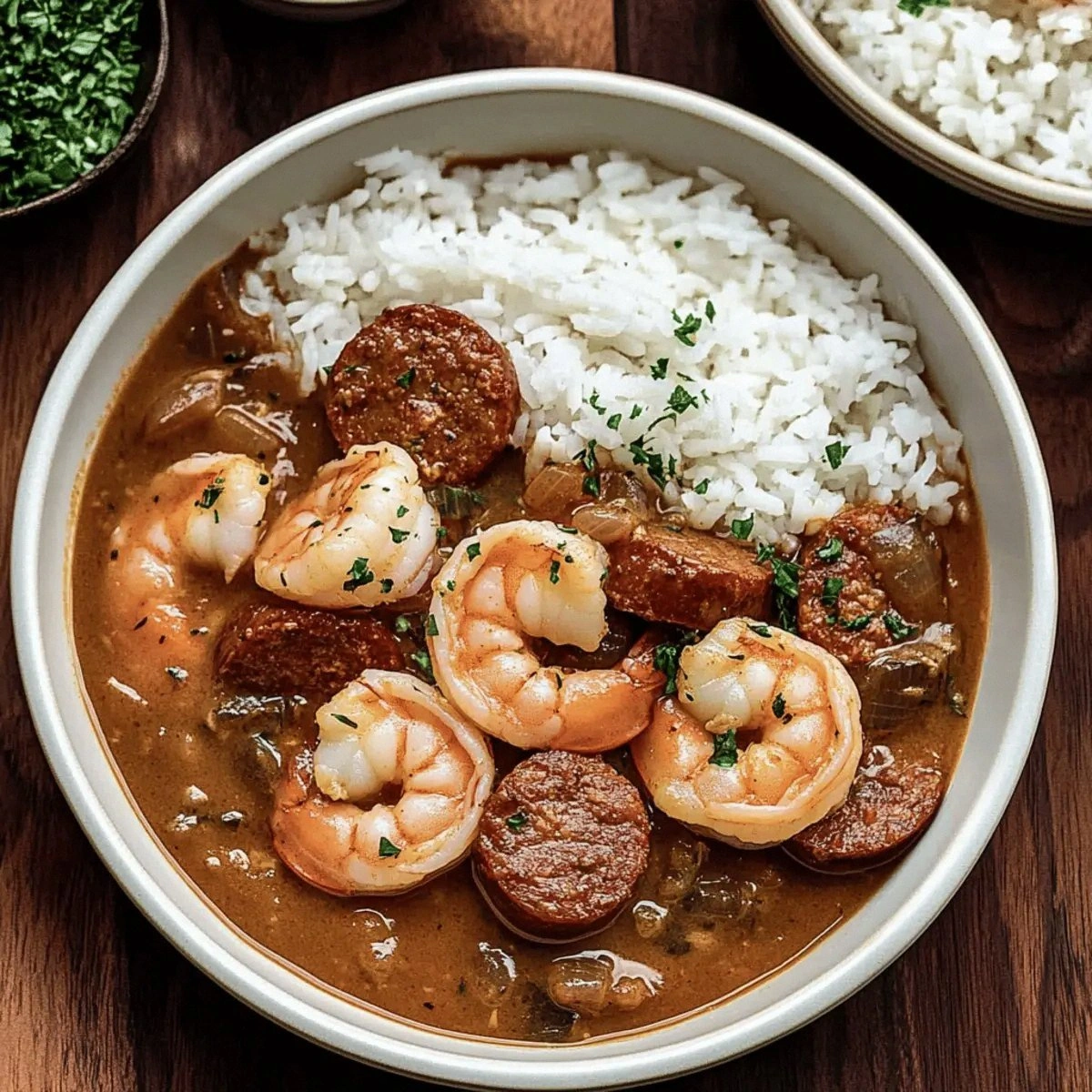
I was standing in my cramped kitchen, the rain drumming on the windows, when a sudden craving for something that felt like a warm hug hit me like a freight train. I had tried a half‑decent gumbo from a frozen aisle, but it tasted like a sad, wilted garden—bland, watery, and missing that deep, soulful backbone. I tossed a daring challenge at my roommate: “I dare you to taste this and not go back for seconds.” Little did we know we were about to embark on a culinary adventure that would rewrite the rulebook on Southern comfort.
The moment the roux hit the pot, the kitchen filled with a scent so rich it seemed to wrap around my senses like a velvet blanket. The buttery, nutty aroma rose, mingling with the sharp bite of garlic and the earthy whisper of celery, while the distant hiss of simmering broth sang a low, comforting hum. My ears caught the faint pop of sausage as it browned, and the heat from the stove warmed my fingertips, reminding me that good food is as much about feeling as it is about flavor.
What makes this version truly stand out is a secret technique that most recipes completely ignore: a slow‑cooked, dark roux that reaches a deep mahogany without ever crossing into bitterness. I’ll also be throwing in a splash of hot sauce at just the right moment—a little heat that doesn’t overwhelm but instead lifts the entire dish. This isn’t just gumbo; it’s a love letter to the soul, a bowl that whispers “home” with every spoonful.
Most recipes get this completely wrong. They either skimp on the roux, use pre‑made stock, or forget the magic of Filé powder at the end. Here, I’m giving you the exact steps that guarantee a glossy, thick, and flavor‑packed gumbo that will make you question every other version you’ve ever tried. I’m being honest — I ate half the batch before anyone else got to try it, and that’s a testament to how addictive this dish truly is.
Picture yourself pulling this out of the pot, the whole kitchen smelling incredible, steam rising like a fragrant curtain, and the first spoonful coating your palate with a silky, spicy hug. Okay, ready for the game‑changer? Let me walk you through every single step — by the end, you’ll wonder how you ever made it any other way.
What Makes This Version Stand Out
- Depth: The dark roux, cooked patiently for 30 minutes, creates a flavor foundation that’s richer than a chocolate truffle, giving the gumbo a luxurious body.
- Texture: Shrimp stay juicy, sausage stays firm, and the broth clings to each bite like a buttery sauce, delivering a mouthfeel that’s both hearty and silky.
- Simplicity: Despite the impressive flavor, the ingredient list is straightforward, and the technique is easy to master with a little attention.
- Uniqueness: A dash of hot sauce added mid‑cook and a final sprinkle of Filé powder add layers of heat and earthiness that most recipes miss.
- Crowd Reaction: This gumbo has a reputation for clearing plates faster than a fire alarm—people keep coming back for more, and you’ll hear the “more, please!” chorus.
- Ingredient Quality: Using real Andouille sausage and fresh shrimp elevates the dish from ordinary to unforgettable.
- Cooking Method: The slow, low‑heat roux ensures no burnt notes, while the final simmer melds flavors for a harmonious finish.
- Make‑Ahead Potential: This gumbo actually improves after a night in the fridge, allowing the spices to fully develop.
Inside the Ingredient List
The Flavor Base
Unsalted Butter (¾ cup): Butter is the golden gateway to a perfect roux, providing the fat needed to brown the flour without burning. If you skip it, you’ll end up with a dry, grainy mixture that never achieves that deep mahogany hue. You can swap with a neutral oil, but you’ll lose the buttery richness that makes this gumbo sing.
All‑Purpose Flour (1 cup): Flour is the roux’s backbone; it absorbs the butter and transforms into a nutty, caramelized sauce. Over‑cooking will turn it bitter, under‑cooking leaves it pale and thin. For a gluten‑free version, try a 1:1 blend of rice flour and cornstarch, though the texture will be slightly lighter.
The Texture Crew
Celery (2 ribs) & Yellow Onion (1 large): Known as the holy trinity of Cajun cooking, these aromatics provide crunch, sweetness, and an earthy depth. If you leave them out, the gumbo feels flat—like a song missing its bass line. Choose crisp, fresh stalks; wilted celery will release too much water, diluting the roux.
Green Bell Pepper (1 large): The pepper adds a subtle sweetness and a pop of color that balances the heat. You can replace it with a poblano for a smoky twist, but remember that it will shift the flavor profile toward earthiness.
Garlic (2 teaspoons): Freshly minced garlic releases a pungent aroma that brightens the broth. Using garlic powder will work in a pinch, but you’ll miss the fresh bite that makes the gumbo sing.
The Unexpected Star
Andouille Sausage (14 oz): This smoked, spicy sausage is the heart of the gumbo, delivering smoky depth and a hint of heat. If you can’t find Andouille, a smoked kielbasa or even chorizo can stand in, though the flavor will shift toward a different spice profile.
Medium Shrimp (3 lb): The shrimp adds a briny sweetness and a delicate texture that contrasts the robust roux. Overcooking will make them rubbery, so timing is crucial—add them in the last 5 minutes of simmering.
The Final Flourish
Stewed Tomatoes (1 can) & Tomato Sauce (1 can): The tomatoes bring acidity and a subtle sweetness, balancing the richness of the roux. Skipping them will leave the gumbo too heavy; you can replace with fresh diced tomatoes if you prefer a fresher taste.
Hot Sauce (2 tbsp) & White Sugar (1 tbsp): The hot sauce adds a controlled kick, while the sugar tames acidity and rounds out flavors. Adjust the hot sauce to your heat tolerance—this is the part where you truly make the dish your own.
Cajun Seasoning (½ tsp) & Dried Thyme Leaves (½ tsp): These spices provide the signature Louisiana punch. If you don’t have Cajun seasoning, blend paprika, garlic powder, onion powder, and a pinch of cayenne.
Gumbo Filé Powder (4 tsp) & Bay Leaves (4): Filé powder, made from ground sassafras leaves, thickens the gumbo at the end and adds an earthy aroma. Adding it too early makes it gummy; sprinkle it just before serving for that perfect finish.
Everything’s prepped? Good. Let’s get into the real action…
The Method — Step by Step
Start by melting the ¾ cup unsalted butter in a large, heavy‑bottomed pot over medium heat. Once the butter foams, sprinkle in 1 cup all‑purpose flour while whisking constantly. This is the roux, and it needs your undivided attention; keep whisking for about 30 minutes, letting it darken to a deep mahogany color. That sizzle when it hits the pan? Absolute perfection. If you notice the edges pulling away from the pot, you’re on the right track.
Kitchen Hack: To avoid lumps, add a splash of water to the roux while whisking; the steam helps keep it smooth.While the roux is turning, dice the 2 ribs celery, 1 large yellow onion, and 1 large green bell pepper. Toss them into a separate skillet with a drizzle of oil, sautéing until they’re soft and fragrant—about 5 minutes. This “holy trinity” should smell sweet and slightly caramelized; if you hear a gentle pop, you’re doing it right. Set aside; you’ll add them back later to preserve their texture.
Now, slice the 14 oz Andouille sausage into ¼‑inch rounds. Brown the sausage in the same pot you’ll use for the gumbo, letting the fat render and the edges crisp up. This step adds a smoky backbone; the aroma should be intoxicating, like a backyard BBQ on a summer night. Once browned, remove the sausage with a slotted spoon and set aside.
Deglaze the pot with a splash of 10 cups beef broth, scraping up every caramelized bit stuck to the bottom. Those browned bits are flavor gold. Bring the broth to a gentle boil, then lower to a simmer. Add the sautéed holy trinity, the browned sausage, and the 1 can stewed tomatoes plus 1 can tomato sauce. Stir well, letting the mixture meld for about 10 minutes. This is where the gumbo starts to build its character.
Introduce the 3 lb medium shrimp (peeled and deveined) to the pot. Cook for just 4‑5 minutes, watching them turn a bright pink and curl into a gentle “C” shape. Overcooking will make them rubbery, so keep a close eye. Add the 2 tbsp hot sauce and 1 tbsp white sugar now, letting the heat and sweetness balance the savory base.
Watch Out: Adding the shrimp too early will overcook them; add them at the very end of the simmer.Season the gumbo with ½ tsp Cajun seasoning, ½ tsp dried thyme leaves, and the 4 bay leaves. Stir gently, letting the spices infuse the broth. At this point, the aroma should be a complex chorus of smoky, sweet, and spicy notes that make your mouth water. Let the pot simmer gently for another 5 minutes, allowing the flavors to marry.
Just before you turn off the heat, sprinkle in 4 tsp Gumbo Filé powder. This is the final flourish that thickens the gumbo and adds an earthy, slightly sweet finish. Stir quickly—Filé powder thickens rapidly and can become gummy if left to sit too long. Let the pot sit, covered, for 2 minutes; the sauce will reach a glossy, velvety consistency.
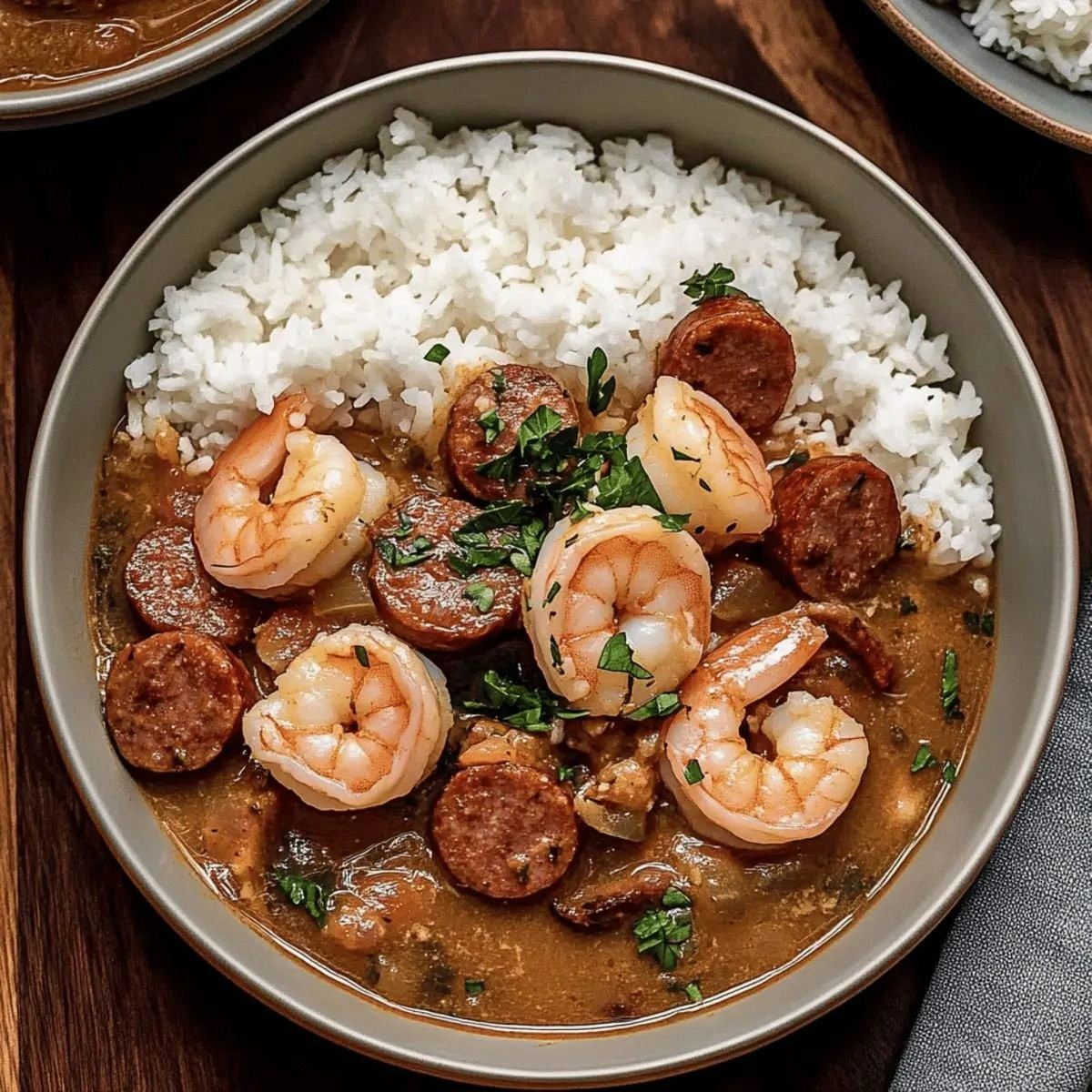
Serve the gumbo over a generous mound of cooked white rice. Spoon the thick, aromatic broth over the rice so it soaks in like a warm blanket. Garnish with a pinch of fresh parsley if you like, and watch as your guests dive in, scooping up every last drop. I’ll be honest — I ate half the batch before anyone else got to try it, and that’s a testament to how addictive this dish truly is.
That's it — you did it. But hold on, I've got a few more tricks that'll take this to another level…
Insider Tricks for Flawless Results
The Temperature Rule Nobody Follows
Never rush the roux. Low and slow is the mantra; keep the heat at medium‑low and watch the color change gradually. If you crank up the flame, you’ll scorch the flour, leaving a bitter aftertaste that no amount of seasoning can fix. I once tried to speed it up for a dinner party and ended up with a burnt, coffee‑like flavor—lesson learned. Patience here pays off in a deep, nutty foundation that can’t be replicated otherwise.
Why Your Nose Knows Best
When the roux reaches that perfect mahogany hue, you’ll notice a subtle nutty perfume that’s impossible to describe but unmistakable. Trust that nose cue more than a timer; the visual cue can be misleading if your pot’s color is off. If you smell a faint toasted almond scent, you’re golden. This aromatic checkpoint is the secret handshake of seasoned gumbo makers.
The 5‑Minute Rest That Changes Everything
After adding the Filé powder, cover the pot and let the gumbo rest for exactly five minutes. This short pause allows the thickener to fully integrate, resulting in a silk‑smooth texture that clings to the rice like a lover’s embrace. Skipping this step leaves the broth a bit thin and the flavors slightly disjointed. Think of it as the gumbo’s “beauty sleep.”
Friend’s Failed Shortcut
A buddy once suggested tossing the shrimp in at the very start to “save time.” The result? Tough, rubbery shrimp that fought the broth’s smoothness. I’ve seen it happen before; the shrimp’s delicate proteins need just a brief, gentle simmer. Keep them at the end and you’ll preserve that juicy bite that makes every spoonful a delight.
Seasoning Layering Mastery
Instead of dumping all the spices at once, add them in stages: first the holy trinity, then the sausage, and finally the final seasonings. This layered approach builds depth, allowing each component to release its flavors fully. It’s like building a symphony—each instrument gets its moment before the grand finale.
Creative Twists and Variations
This recipe is a playground. Here are some of my favorite ways to switch things up:
Smoky Chipotle Gumbo
Swap the hot sauce for 1 tsp chipotle in adobo and add a smoked paprika teaspoon. The result is a deeper, smoky heat that pairs beautifully with the sausage. Perfect for those who love a subtle BBQ vibe.
Cajun Veggie‑Only Gumbo
Omit the shrimp and sausage, replace with sliced okra and a medley of mushrooms. Boost the broth with extra thyme and a splash of Worcestershire sauce. This version still delivers the classic gumbo texture while being fully plant‑based.
Seafood Deluxe
In addition to shrimp, add a cup of lump crab meat and a half cup of diced scallops in the last 3 minutes. The seafood chorus adds a briny complexity that makes the dish feel like a coastal feast.
Spicy Andouille‑Free
Use smoked turkey sausage and double the hot sauce for a leaner yet equally spicy profile. The turkey brings a milder flavor, letting the spices shine brighter.
One‑Pot Rice Gumbo
Cook the rice directly in the gumbo during the final 20 minutes of simmering. The rice absorbs the broth, turning each grain into a flavor bomb. Just be sure to add a bit more broth to keep the consistency right.
Storing and Bringing It Back to Life
Fridge Storage
Transfer the gumbo to an airtight container and refrigerate for up to 4 days. The flavors will meld further, making each reheated serving richer. When ready, reheat gently over low heat, adding a splash of water to loosen the thickened broth.
Freezer Friendly
Cool the gumbo completely, then portion into freezer‑safe bags or containers. Freeze for up to 3 months. Thaw overnight in the fridge, then reheat on the stove, again with a splash of water or broth to restore its silky texture.
Best Reheating Method
Use a low simmer on the stovetop, stirring occasionally. Add a tiny splash of water—just enough to steam the gumbo back to life—preventing it from drying out. Avoid the microwave; it can cause uneven heating and toughen the shrimp.