Picture this: I’m standing in my cramped kitchen, a single pan on the stove, and a whole Pekin duck staring back at me like a stubborn mule. I’ve tried every recipe I’ve found online, but each one felt like a half‑finished symphony—missing that final crescendo of flavor. Then, in a moment of culinary desperation, I remembered a bottle of orange juice that had been sitting in the fridge for weeks, its citrusy perfume still alive. I decided to toss everything together, hoping for a miracle. The result? A duck that was crisp, juicy, and bursting with a bright, zesty glaze that made the kitchen smell like a summer orchard. I dare you to taste this and not go back for seconds.
I’m not just talking about a recipe; I’m talking about a revelation that will change the way you think about roasted poultry forever. The first bite delivers a crackling skin that shatters like thin ice, revealing a succulent interior that practically melts in your mouth. The orange glaze coats the meat like velvet, balancing sweet, tart, and savory notes in a way that feels both indulgent and wholesome. Most people settle for a dull, greasy duck that ends up in the freezer; this one sings. I’ll be honest—after my first attempt I ate half the batch before anyone else got a chance to try it. The combination of herbs, citrus, and a touch of honey creates a flavor profile that’s both familiar and thrillingly new.
If you’ve ever struggled with getting the skin of a duck crispy, you’re not alone— and I’ve got the fix. The secret lies in a simple but powerful technique: scoring the skin and patting it dry until the moisture evaporates. That sizzle when it hits the pan? Absolute perfection. The orange glaze, infused with garlic, thyme, and rosemary, coats the bird like a glossy, aromatic lacquer. This is hands down the best version you’ll ever make at home, and the reason I’m writing this article is to share every trick, tip, and nuance I’ve learned along the way. Picture yourself pulling this out of the oven, the whole kitchen smelling incredible, and your guests asking for the recipe. Okay, ready for the game‑changer? Let’s walk through every single step together, and by the end, you’ll wonder how you ever made it any other way.
What Makes This Version Stand Out
- Flavor: The orange glaze balances sweet, tart, and savory in a single bite, creating a taste that lingers on the palate. It’s like a citrusy hug that wraps around every mouthful.
- Texture: The skin crisps to a golden crunch while the meat stays moist, thanks to a careful scoring technique and a slow roast. This contrast is a game‑changer.
- Simplicity: Only a handful of ingredients are needed, yet the dish delivers a restaurant‑level experience without the fuss. No exotic spices or obscure techniques.
- Uniqueness: The marriage of orange, honey, and herbs gives the dish a distinct identity that sets it apart from classic duck recipes.
- Crowd Reaction: Friends and family can’t stop raving; many say this is the most impressive dish they’ve ever tasted at home.
- Ingredient Quality: A fresh Pekin duck, bright orange juice, and fragrant herbs make the difference between good and unforgettable.
- Cooking Method: A slow, low‑heat roast followed by a high‑heat finish ensures even cooking and a caramelized glaze.
- Make‑Ahead Potential: The glaze can be prepared in advance, and the duck can be partially cooked, saving time on busy nights.
Inside the Ingredient List
The Flavor Base
The foundation of this dish is the orange glaze, a bright, citrusy sauce that coats the duck like a glossy lacquer. Orange juice brings a natural sweetness and acidity that cuts through the richness of the meat, creating a balanced flavor profile. A splash of white wine adds depth and a subtle complexity, elevating the glaze from simple to sophisticated. If you’re watching your sodium intake, you can reduce the salt to a whisper, letting the herbs and orange shine.
The Texture Crew
The duck itself is the star of the show, but its texture is amplified by the right techniques. Scoring the skin with a sharp knife creates pathways for fat to escape, ensuring a crisp exterior. Patting the skin dry with paper towels removes excess moisture, preventing steam from forming during roasting. If you skip the scoring step, you’ll end up with a soggy, greasy bird that doesn’t have the satisfying crunch we’re aiming for.
The Unexpected Star
Honey is the unsung hero that brings caramelization and a subtle, floral sweetness to the glaze. It reacts with the acidity of the orange juice, creating a glossy finish that’s both beautiful and delicious. If you’re vegan or simply want a different flavor twist, maple syrup or agave nectar can be used as a substitute, though the taste will shift slightly toward a more pronounced sweetness.
The Final Flourish
Fresh thyme and rosemary add aromatic depth, complementing the citrus while providing a herbal counterpoint. The garlic cloves, when crushed, release a mellow, savory note that grounds the bright flavors. A dash of apple cider vinegar brightens the glaze, cutting through the richness and adding a subtle tang. Together, these ingredients create a harmonious blend that elevates the duck from ordinary to extraordinary.
Everything’s prepped? Good. Let’s get into the real action and turn this beautifully assembled kit into a feast that will have everyone asking for seconds.
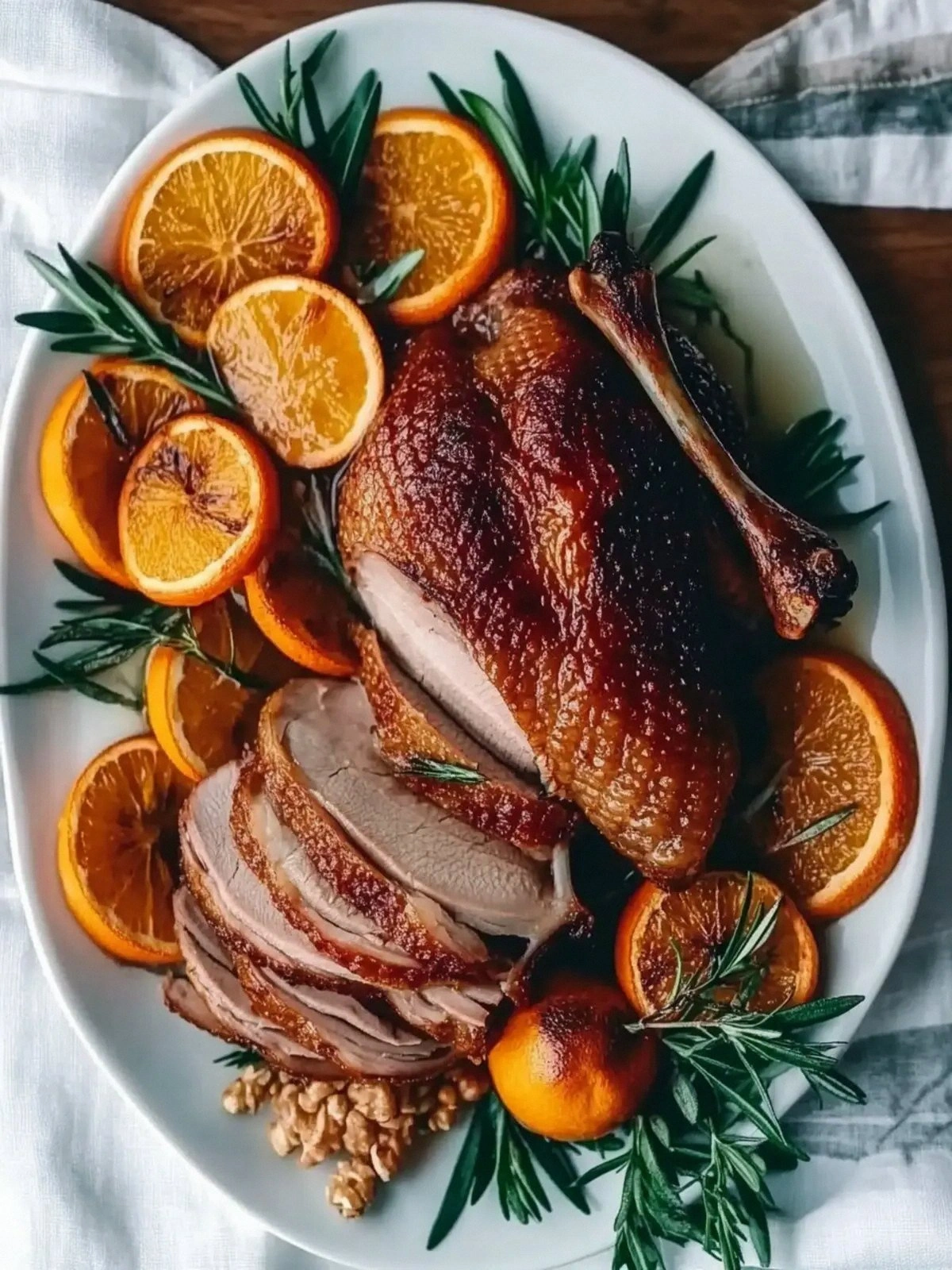
The Method — Step by Step
- Score the Skin: Using a sharp knife, make shallow cuts across the duck’s skin in a crosshatch pattern. This technique allows the fat to render out, leaving a crisp, golden exterior. The cuts should be about 1/4 inch deep, stopping at the meat to avoid puncturing it. This is the moment of truth; the foundation for the perfect skin.
- Season Generously: Pat the duck dry with paper towels, then season the cavity with salt and pepper to taste. Apply a light coat of salt to the skin, ensuring it reaches every crevice. The seasoning will also help draw out moisture, aiding the crisping process. Don’t be shy—this is the flavor base.
- Prepare the Glaze: In a small saucepan, combine orange juice, white wine, apple cider vinegar, honey, and crushed garlic. Bring to a gentle simmer over medium heat, allowing the flavors to meld for about 10 minutes. The mixture should reduce slightly, thickening into a syrupy glaze. Let it cool a bit before brushing on the duck.
- Stuff the Bird: Tuck fresh thyme and rosemary sprigs into the cavity of the duck. The herbs will infuse the meat from the inside, adding depth and aroma. If you’re feeling adventurous, add a few cloves of garlic into the cavity as well. This step is often overlooked but makes a significant difference.
- Roast Low and Slow: Place the duck breast side up on a rack in a roasting pan. Roast at 325°F (165°C) for 1 hour, then increase the heat to 425°F (220°C) for the final 30 minutes. The low and slow phase ensures even cooking, while the high heat at the end crisps the skin. Keep an eye on the internal temperature; it should reach 165°F (74°C) in the thickest part.
- Brush the Glaze: During the last 20 minutes of roasting, brush the duck with the orange glaze every 5 minutes. This builds a glossy, caramelized coating that locks in moisture. The glaze’s sugar content helps the skin brown beautifully. The aroma at this point will make your kitchen feel like a summer orchard.
- Rest the Meat: Once the duck reaches the desired internal temperature, remove it from the oven and let it rest for 15 minutes. Resting allows the juices to redistribute, ensuring a juicy bite every time. Tent the bird loosely with foil to keep it warm.
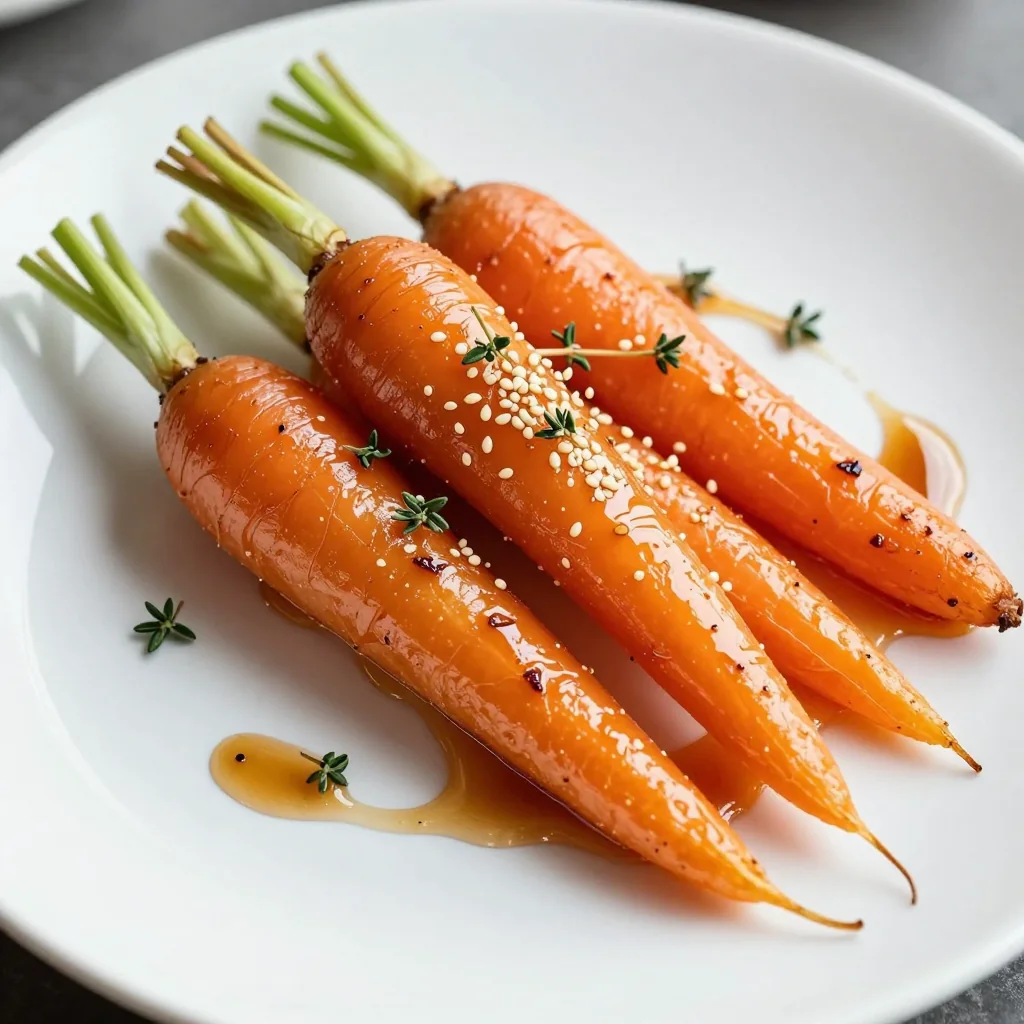
- Carve and Serve: Slice the duck into thin, even pieces, allowing the skin to crackle with each bite. Plate the slices with a drizzle of the remaining glaze and a sprinkle of fresh herbs. Pair with roasted carrots and onions for a complete meal. Enjoy the symphony of textures and flavors.
That’s it— you did it. But hold on, I’ve got a few more tricks that will take this to another level and ensure your duck is flawless every time.
Insider Tricks for Flawless Results
The Temperature Rule Nobody Follows
Many home cooks rely on visual cues alone, but a thermometer is your best ally. Aim for 165°F (74°C) in the thickest part of the thigh. This guarantees juicy meat without risking under‑cooking. A digital probe gives instant feedback, so you can pull the duck right when it hits the sweet spot.
Why Your Nose Knows Best
The aroma of the duck as it roasts is a reliable indicator of doneness. When the scent becomes fragrant and slightly sweet, the skin is near crisp. Trust your senses; they’re more attuned to the final result than the clock.
The 5-Minute Rest That Changes Everything
Resting the duck for just five minutes can make a noticeable difference. The juices redistribute, preventing them from spilling onto the plate. This small pause elevates the eating experience by keeping the meat moist and flavorful.
The Secret of Even Slices
Use a sharp carving knife and a steady hand. Slice against the grain to maximize tenderness. A small, consistent bite ensures every forkful tastes as good as the first.
The Glaze’s Golden Moment
Apply the glaze in the final 20 minutes of roasting, brushing every 5 minutes. This builds a glossy, caramelized coating that locks in moisture. The glaze’s sugar content helps the skin brown beautifully, creating a visual and gustatory masterpiece.
Creative Twists and Variations
Spicy Orange Glaze
Add a pinch of cayenne pepper or a splash of sriracha to the glaze for a fiery kick. The heat pairs wonderfully with the sweet orange, creating a complex flavor profile that’s both bold and balanced. This version is perfect for guests who love a little spice.
Herb‑Infused Honey
Replace regular honey with a honey infused with rosemary or thyme. The floral notes from the honey complement the herbs, enhancing the overall aroma. This subtle twist adds depth without overwhelming the dish.
Smoked Orange Glaze
Add a few drops of liquid smoke to the glaze for a smoky undertone. The smoke pairs beautifully with the citrusy brightness, giving the duck a sophisticated, campfire‑inspired flavor. Ideal for fall or winter gatherings.
Citrus Marinade
Marinate the duck in a mixture of orange juice, lemon zest, and olive oil for 2–3 hours before roasting. The citrus tenderizes the meat and infuses it with bright flavor. This method is especially effective if you’re preparing the dish a day ahead.
Vegetarian “Duck”
Use a plant‑based “duck” substitute, like seitan or tofu, and follow the same glaze and roasting technique. The texture may differ, but the flavor remains the same. A great option for guests who prefer plant‑based meals.
Dessert‑Style Glaze
Swap honey for maple syrup and add a pinch of ground cinnamon. The result is a warm, dessert‑like glaze that pairs nicely with a side of apple compote. This sweet variation is a delightful surprise.
Storing and Bringing It Back to Life
Fridge Storage
Store leftover duck in an airtight container in the refrigerator for up to 3 days. The glaze will thicken slightly, so reheat gently. Use the leftover glaze to drizzle over a fresh salad or a slice of crusty bread.
Freezer Friendly
Freeze the duck in a freezer‑safe bag for up to 2 months. Thaw overnight in the refrigerator before reheating. The texture remains crisp, and the glaze stays glossy when reheated properly.
Best Reheating Method
Reheat in a preheated oven at 300°F (150°C) for 10–12 minutes. Add a splash of water or broth to keep the meat moist. Finish with a quick brush of glaze to restore the shine and flavor.