I still remember the first time I attempted shrimp francese at home. My kitchen looked like a lemon-butter crime scene, the shrimp had curled into sad little corkscrews, and the sauce had separated into an oily mess that would make any Italian grandmother weep. Fast forward through three burnt pans, two emergency pizza deliveries, and one very patient husband later, and I've cracked the code to what might be the most restaurant-worthy dish you can pull off in under 45 minutes. This isn't just another shrimp recipe floating around the internet — this is the one that'll make your dinner guests think you secretly trained under a New York chef.
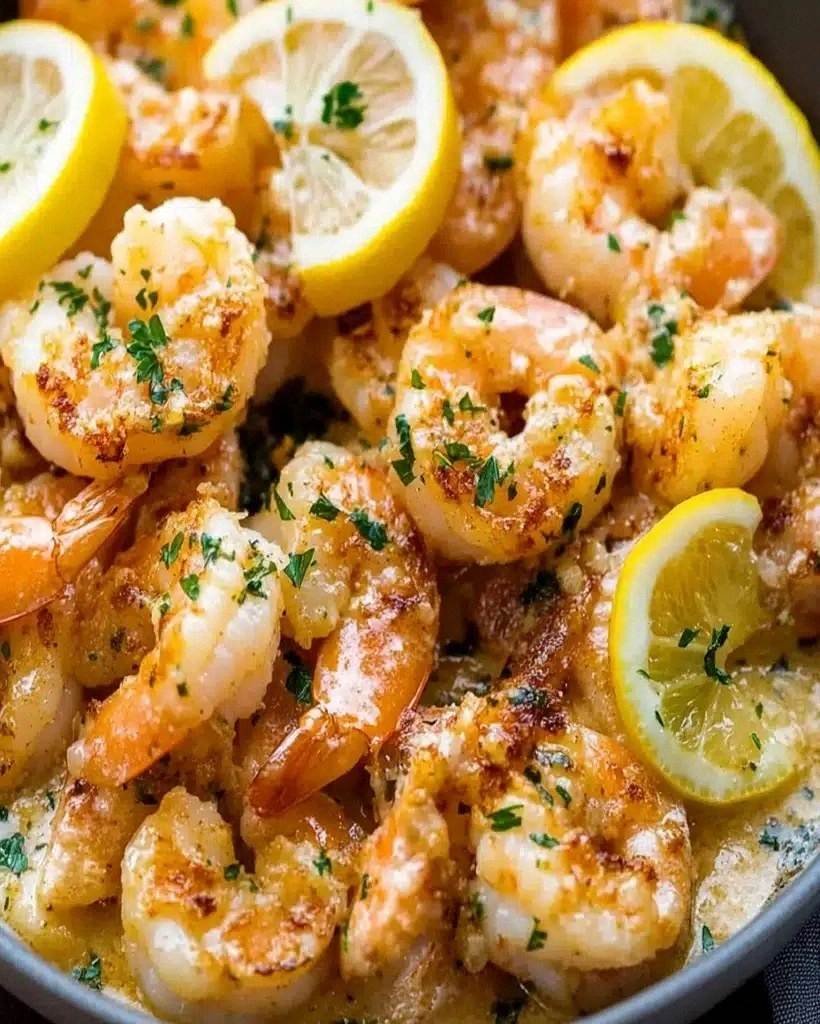
Picture this: plump shrimp wearing the lightest, crispiest coat of egg-washed armor, swimming in a sauce that's basically liquid sunshine. The first bite hits you with that bright lemon punch, then the butter richness kicks in, and finally, there's this whisper of white wine that makes you close your eyes and sigh. That sizzle when the shrimp hits the pan? Absolute perfection. I've served this to people who claim they "don't like seafood" and watched them polish off their plates before asking for the recipe in that slightly embarrassed tone that means they know they were wrong about shrimp all along.
What makes this version different from every other shrimp francese recipe out there is the technique I stumbled upon during one of those late-night cooking experiments where you're too stubborn to admit defeat. Instead of the traditional flour-egg-flour coating that most recipes swear by, we're going rogue with a method that keeps the shrimp impossibly tender while still getting those lacy, golden edges that shatter like thin ice. The sauce? We're building it backwards — starting with cold butter and finishing with warm stock — which sounds wrong until you taste how it clings to each shrimp like velvet.
Let me walk you through every single step — by the end, you'll wonder how you ever made it any other way.
What Makes This Version Stand Out
Lemon-Forward: Most recipes treat lemon like an afterthought, adding a sad squeeze at the end. We're infusing every layer with citrus — zest in the coating, juice in the sauce, and a final hit of fresh wedges that makes your tastebuds sing.
Shrimp That Stay Plump: Forget rubbery seafood. My brine-and-quick-sear method keeps these babies so tender, you'll think they're jumping back into the ocean. The secret? A quick saltwater bath that works like magic.
One-Pan Wonder: Everything happens in a single skillet, which means fewer dishes and more time for that second glass of wine. The same pan that sears the shrimp builds the sauce, capturing every browned bit of flavor.
Restaurant Sauce Technique: We're using a cold-butter emulsion that would make any French chef proud. It creates this glossy, light sauce that coats without being heavy — like liquid gold that somehow has zero calories (okay, wishful thinking).
Make-Ahead Friendly: The coating mixture keeps for three days refrigerated, and you can prep the sauce base in advance. Dinner party hosts, you're welcome.
Leftover Magic: If you somehow have leftovers, they transform into the most incredible next-day pasta. Just toss with linguine and watch your lunch game level up.
Crowd-Pleasing Presentation: Those golden shrimp arranged in a pool of sunshine-yellow sauce? Instagram gold. Your mother-in-law will finally admit you can cook.
Alright, let's break down exactly what goes into this masterpiece...
Inside the Ingredient List
The Flavor Base
The lemon situation here is serious business — we're using three different forms to hit every note. The zest goes into our coating mixture, releasing those essential oils that taste like sunshine concentrated into tiny flecks. Fresh lemon juice gets added at two different stages: some in the coating for brightness, and the rest in the sauce where it balances the richness like a tightrope walker. Don't even think about reaching for that bottled stuff — fresh lemons give you that bright, clean flavor that makes your mouth water just thinking about it.
Garlic plays a supporting role here, not the star. One clove, minced so fine it almost disappears, gives you that savory backbone without announcing "HELLO, I AM GARLIC" in every bite. If you're a garlic lover, you might be tempted to add more — resist. This dish is about the shrimp and lemon having a conversation, with garlic as the quiet friend who keeps things interesting.
The white wine needs to be something you'd actually drink — cooking wine from the grocery store will ruin everything. I keep a cheap but decent pinot grigio in my fridge specifically for cooking. It adds acidity and depth that water or stock could never achieve. Plus, you get to drink the rest while cooking, which is basically a law.
The Texture Crew
Eggs are the secret weapon for that paper-thin coating that somehow stays crispy even after bathing in sauce. We're using whole eggs, not just whites, because the yolks give richness and help the coating adhere like a dream. The trick is beating them until they're completely homogenous — no streaks of white or yellow — then letting them rest while you prep everything else. This allows the proteins to relax, which sounds weird but trust me on this.
Flour gets one job here: create those lacy, crispy edges that make people fight over the last shrimp. All-purpose flour works perfectly, but here's what nobody tells you — sift it first. Lumpy flour in your coating is like finding a pebble in your ice cream. I keep my flour in an airtight container with a few grains of rice to absorb moisture, because damp flour is the enemy of crunch.
Shrimp size matters more than you think. Go with large or extra-large (26-30 count per pound) — they're substantial enough to stay juicy but not so big they become awkward to eat. Anything smaller cooks too fast and turns into rubber before you can say "francese." And please, for the love of all that's holy, buy them peeled and deveined unless you enjoy spending your evening performing shrimp surgery.
The Unexpected Star
Parmesan cheese in the coating might sound wrong, but it's what gives you those extra-crispy, golden spots that make people ask for your secret. Just a tablespoon, finely grated with a Microplane, adds umami depth without making things taste like cheese. It's like adding a bass note to music — you might not identify it specifically, but you'd miss it if it wasn't there.
Fresh parsley at the end isn't just for color — it adds a grassy freshness that makes the whole dish taste alive. Flat-leaf Italian parsley has more flavor than the curly stuff, and chopping it right before serving keeps those essential oils from evaporating into thin air. Some people throw it in during cooking, but I add it at the table so it stays bright and perky.
The Final Flourish
Butter quality makes or breaks this dish. Use the good stuff — European-style butter with higher fat content gives you that restaurant richness. We're using cold butter, cubed, which sounds counterintuitive but creates the silkiest emulsion. Room temperature butter will separate into greasy pools that no amount of whisking will fix.
Chicken stock might seem odd in a seafood dish, but it adds depth that fish stock would overpower. Use low-sodium stock so you can control the salt level — there's nothing worse than a sauce that makes you reach for water between bites. Homemade stock is incredible if you have it, but a good quality boxed version works perfectly fine.
Everything's prepped? Good. Let's get into the real action...
The Method — Step by Step
- Start by brining your shrimp — this is the game-changer that separates restaurant-quality from home-cook decent. Dissolve 2 tablespoons of salt in 4 cups of cold water, then add your peeled shrimp for exactly 15 minutes. This seasons them throughout and helps them stay plump during cooking. Don't go longer or they'll start to cure like tiny shrimp jerky. While they're brining, whisk together your eggs, lemon zest, half the lemon juice, and a pinch of salt until completely smooth.
- Pat those shrimp drier than your humor after three cups of coffee. Moisture is the enemy of browning, and we want golden edges, not steamed seafood. Lay them on paper towels and press another towel on top, changing it if needed. They should feel almost tacky — that's when you know they're ready for their egg bath. Set up your station with the egg mixture in a shallow dish and your flour-parmesan mixture in another.
- Heat your largest skillet over medium-high heat until a drop of water dances across the surface. Add just enough oil to coat the bottom — about 2 tablespoons — and wait until it shimmers like a mirage. Meanwhile, dip each shrimp in the egg mixture, letting the excess drip off, then dredge lightly in the flour. You're not breading here, just creating the thinnest possible coating. Too much flour and you'll have doughy shrimp; too little and they won't get those crispy edges.
- Place the shrimp in the hot pan like you're dealing cards — away from you, one at a time. They should sizzle immediately; if not, your pan wasn't hot enough. Cook for exactly 2 minutes on the first side — don't touch them, don't peek, don't even think about moving them around. When the edges turn golden and the bottoms are crispy, flip once and cook another 90 seconds. They'll finish cooking in the sauce, so err on the side of underdone.
- Transfer the shrimp to a plate — they're going on a brief vacation while we build the sauce. Don't you dare wipe out that pan! Those browned bits are liquid gold, packed with flavor that no amount of seasoning can replicate. Reduce the heat to medium and add your minced garlic, stirring for just 30 seconds until it smells like heaven but hasn't started to brown. Burnt garlic is bitter garlic, and bitter garlic ruins lives.
- Pour in your white wine and watch it steam dramatically — this is the fun part. Use a wooden spoon to scrape up every last bit of browned goodness from the bottom. Let it bubble away for 2 minutes until reduced by half and smelling like you want to drink it straight from the pan. Add your chicken stock and remaining lemon juice, then let this mixture reduce for another 3 minutes until slightly thickened.
- Now for the magic moment: remove the pan from heat and whisk in your cold butter cubes one at a time. Add the next cube only when the previous one is almost melted. This creates an emulsion that's glossy and light, not greasy and separated. The sauce should coat the back of a spoon — if it gets too thick, add a splash of stock. Too thin? Keep whisking in butter until it reaches that perfect consistency.
- Return the shrimp to the pan, nestling them into the sauce but not submerging them completely. We want them to stay crispy on top. Let them warm through for about 30 seconds, then taste and adjust with salt and pepper. The sauce should be bright and lemony but not face-puckering, rich but not heavy. If you've done everything right, you'll want to drink it straight from the pan (and I won't judge if you do).
That's it — you did it. But hold on, I've got a few more tricks that'll take this to another level...
Insider Tricks for Flawless Results
The Temperature Rule Nobody Follows
Most home cooks treat temperature like a suggestion rather than a law of physics. Here's the truth: your pan needs to be ripping hot for the shrimp, then barely warm for the butter. I keep an infrared thermometer in my drawer like a kitchen nerd, but you can test by sprinkling a few drops of water — they should skitter across the surface like tiny hovercrafts. Too cool and your coating turns gummy; too hot and the butter breaks faster than your New Year's resolutions.
The butter-emulsion step is where thermodynamics becomes your dinner party savior. Cold butter hitting a warm (not hot) sauce creates tiny fat globules that stay suspended instead of pooling into greasy lakes. If your sauce breaks, don't panic — whisk in a teaspoon of warm stock over very low heat. It's like relationship counseling for butter and lemon juice.
Why Your Nose Knows Best
Professional chefs don't use timers for everything — we smell our way to perfection. When the garlic hits the pan, it should smell sweet and fragrant within 30 seconds. If it takes longer, your heat's too low. If it smells sharp and aggressive immediately, it's too high. The wine reduction is ready when it no longer smells like alcohol but has this rich, almost caramel-like aroma. Trust your nose; it's been evolving for millions of years to keep you from serving terrible food.
I once had a friend ask why her shrimp francese tasted flat. Watched her cook — she never smelled anything, just followed times from a recipe. The garlic was raw, the wine hadn't reduced, and the butter was greasy. Your nose is the most underused kitchen tool you own.
The 5-Minute Rest That Changes Everything
After you finish the sauce, let it rest off heat for exactly 5 minutes. During this time, the flavors meld and marry in ways that don't happen while it's bubbling. The lemon mellows, the butter enriches, and everything becomes more than the sum of its parts. This is when I set the table, pour more wine, and pretend I'm not snitching shrimp from the pan.
This rest also lets the sauce thicken slightly as it cools, achieving that perfect consistency that coats without drowning. Skip this step and you've got thin, separated sauce that slides right off your shrimp onto the plate. Your dinner guests will politely eat it, but they won't be texting you for the recipe at midnight.
Creative Twists and Variations
This recipe is a playground. Here are some of my favorite ways to switch things up:
Mediterranean Sunset Version
Swap the white wine for dry vermouth and add a handful of halved cherry tomatoes with the garlic. The tomatoes burst and create little pockets of sweet acidity that play beautifully with the lemon. Finish with fresh oregano instead of parsley for that Greek-island vibe. Serve over orzo tossed with olive oil and you'll swear you're dining seaside in Santorini.
Spicy Amalfi Coast
Add a pinch of red pepper flakes with the garlic — just enough to warm the back of your throat without overwhelming the delicate shrimp. Replace half the lemon juice with blood orange juice for this gorgeous sunset-colored sauce. The citrus changes but keeps that bright acidity we love. Top with fresh basil chiffonade and watch people's eyes widen when they taste the combination.
Creamy Parisian Dream
After the wine reduces, whisk in 2 tablespoons of heavy cream before adding the butter. This creates a sauce that's richer than the original but still lets the lemon shine through. It's like shrimp francese met chicken francese in Paris and had a beautiful, creamy baby. Not traditional, but sometimes tradition needs a vacation.
Low-Country Comfort
Use bacon fat instead of oil for searing the shrimp — just enough to coat the pan. The smoky richness pairs unexpectedly well with the lemon butter. Add a teaspoon of Old Bay to the flour mixture for that Chesapeake Bay flavor. Serve over grits instead of pasta for a dish that bridges Italian technique with Southern soul.
Asian-Fusion Magic
Replace the wine with sake and add a teaspoon of miso paste to the sauce. The miso adds this incredible umami depth that makes people ask "what's that flavor I can't identify?" Finish with scallions and a drizzle of sesame oil. It's shrimp francese that took a trip to Tokyo and came back cooler than ever.
Surf and Turf Luxury
Add seared scallops alongside the shrimp — they cook in the same time if you slice them in half horizontally. The combination of textures is pure luxury: tender shrimp and meaty scallops in that same lemon-butter embrace. This is what you make when you want to impress someone but still be able to pronounce all the ingredients.
Storing and Bringing It Back to Life
Fridge Storage
Store leftovers in an airtight container for up to 3 days, but separate the shrimp from the sauce if possible. The coating will absorb moisture and lose its crispness — it's just science, not a personal failure. Keep everything in the coldest part of your fridge, not the door where temperatures fluctuate like a teenager's mood.
When storing, place a piece of plastic wrap directly on the surface of the sauce to prevent a skin from forming. This isn't just aesthetic — that skin is the butter separating and will never reincorporate smoothly. Label your container with the date because "I'll definitely remember when I made this" is the biggest lie we tell ourselves.
Freezer Friendly
Here's the truth: this dish is best fresh. But if you must freeze it, do so before adding the final butter. Freeze the seared shrimp and reduced sauce base separately for up to 2 months. Thaw overnight in the fridge, then finish with fresh butter and lemon juice. It won't be quite the same, but it's better than wasting those gorgeous shrimp.
Never freeze the finished dish with the butter emulsion — it'll break into an oily mess that no amount of whisking will fix. Think of it like freezing mayonnaise; sometimes chemistry just says no. If you do freeze and it separates, blend it with an immersion blender while warming gently. It's not perfect, but it saves dinner.
Best Reheating Method
Gentle is the name of the game here. Warm the sauce in a skillet over the lowest possible heat, whisking constantly. Add a splash of water or stock to loosen it up — the sauce will have thickened considerably in the fridge. When it's just warm, add the shrimp for the briefest of reunions: 30 seconds max, just to take the chill off.
Whatever you do, don't microwave this dish unless you enjoy rubbery seafood and broken sauces. If you must use the microwave, do it in 15-second bursts, stirring between each, and accept that you're eating a lesser version of yesterday's glory. Sometimes we make sacrifices for convenience, but let's not pretend it's the same.