Why you'll love this recipe
- Crowd-pleaser: buttery layers win every palate
- Make-ahead: dough rests overnight for stress‑free mornings
- Restaurant-quality: flaky croissant texture without a pro baker
- Kid-approved: subtle sweet‑tang balance kids love
- Freezer-friendly: slice and freeze for quick breakfasts
I remember the first time I sliced into a warm, buttery loaf and heard that unmistakable sigh of steam escaping the crumb. My partner leaned over the table, eyes closed, and whispered, "This is exactly what Sunday mornings should feel like." The scent of tangy sourdough mingled with the sweet melt of butter, and I knew we had found our new weekend tradition. Since then, every time the dough rises in the fridge, our kitchen hums with anticipation, and the loaf has become the centerpiece of countless brunches and lazy evenings.
The first batch I shared at a family gathering was a hit—my niece declared it "the best thing she's ever eaten," and my dad asked for seconds before the butter even cooled. Those moments of pure, buttery joy keep me coming back to this recipe, and I love watching it become a beloved staple in other homes, too.
The story
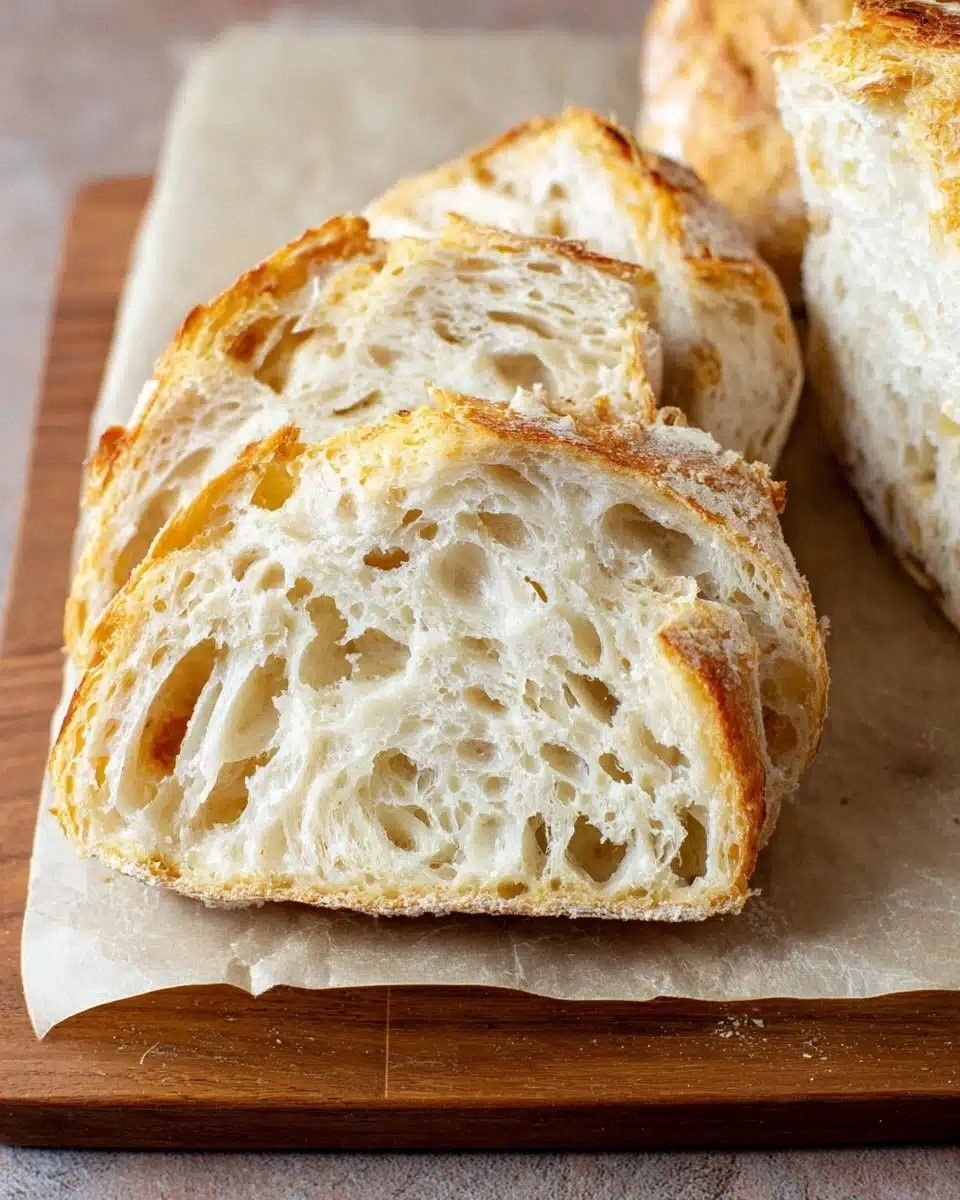
The moment the loaf slides out of the oven, a buttery steam erupts, coating the kitchen in a golden haze that makes the timer feel irrelevant. You hear the faint crackle of a crisp crust as you slice through, and the first bite releases a tender, flaky interior that practically melts on your tongue.
I first discovered this sourdough croissant bread on a rainy Saturday in my aunt's Parisian‑style bakery, where the scent of fresh dough mingled with espresso. When I tried to recreate it at home, the dough refused to rise—until I folded in a chilled butter block and let the starter develop overnight. That breakthrough turned a mishap into my signature weekend ritual.
What sets this recipe apart is the hybrid technique: we combine classic sourdough fermentation with a lamination step usually reserved for pastry chefs. The dough rests in the fridge, allowing the wild yeasts to flavor the crumb, while the butter layers create steam pockets that give you true croissant flakiness without a commercial dough sheeter.
Each slice balances a subtle tang from the active starter, a whisper of sweetness from sugar, and a rich, creamy mouthfeel from whole milk. The buttery, flaky exterior gives way to a tender, airy crumb that’s both airy and satisfying, with a glossy golden crust that catches the eye.
Serve the loaf warm, sliced thick and slathered with honey‑butter for a lazy brunch, or pair it with a peppery arugula salad for a light dinner. It also works beautifully as a base for decadent sandwiches—think smoked salmon, cream cheese, and capers. Make it ahead, freeze slices, and you’ve got a bakery‑style treat ready in minutes.
Don’t let the multiple steps intimidate you; the dough only needs a brief chill, a few folds, and a night’s rest, and the oven does the rest. With a kitchen scale and a bench scraper, you’ll master the lamination without a pro’s equipment, and the results are worth every buttery minute.
I’ve baked this loaf four times in the past month, and each time my kids have devoured three generous servings before I could even set the table. Their enthusiastic “more, please!” has convinced me that this is the croissant‑bread we’ll be serving at every holiday gathering from now on.
Why This Recipe Works
- Cold butter layers create steam pockets for flaky texture.
- Overnight fermentation develops flavor and strengthens gluten without over‑kneading.
- Egg wash at the end adds Maillard browning for a golden crust.
Ingredient notes & substitutions
Sourdough Starter
Provides tangy flavor and natural leavening while strengthening gluten.
Bread Flour
High protein creates strong gluten network for airy layers.
Unsalted Butter
Cold butter creates steam pockets that form the flaky lamination.
Whole Milk
Adds richness, tenderness, and aids browning of the crust.
Granulated Sugar
Balances tang, promotes caramelization for a golden crust.
Equipment you'll need
Ingredients
- Sourdough Starter: Adds signature tangy flavor and helps create rise and structure — make sure it’s bubbly and active!
- Bread Flour: The high protein gives your bread strength, ensuring you get those amazing croissant layers.
- Granulated Sugar: Just enough to lend a subtle sweetness and encourage lovely browning.
- Whole Milk: Makes the dough rich, tender, and deeply flavorful (room temperature is best).
- Unsalted Butter: The star of any croissant — use high-quality butter for the most luxurious, flaky layers.
- Salt: Balances the flavors and keeps things from tasting flat.
- Egg: For the golden egg wash that gives your loaf its beautiful sheen and helps crisp the crust.
Before You Start
- Soften butter in fridge 30 min
- Separate egg for wash
- Preheat oven to 425°F
- Line baking sheet with parchment
- Gather starter, flour, milk
Instructions
Pro tips
Keep butter cold
Chill the butter block for at least 30 minutes before laminating to prevent melting.
Use a bench scraper
Fold the dough cleanly with a bench scraper to keep layers even.
Overnight fridge rest
Allow the dough to rest in the refrigerator overnight for deeper flavor.
Brush egg wash last
Apply the egg wash just before baking for a glossy, golden crust.
Dust work surface lightly
A light flour dust prevents sticking without drying out the dough.
Preheat baking stone
A hot stone gives the loaf an immediate burst of oven spring.
Score the loaf lightly
A shallow slash guides expansion and creates an attractive pattern.
Avoid over‑kneading
Stop mixing once the dough is smooth to keep the crumb tender.
Variations to try
Chocolate‑Streusel Version
Fold a tablespoon of cocoa nibs into the butter layer for a subtle chocolate crunch.
Savory Herb Version
Add chopped rosemary and thyme to the dough for an aromatic, savory loaf.
Gluten‑Free Swap
Use a brown‑rice‑flour blend with 1 tsp xanthan gum; expect a slightly denser crumb.
Mini Croissant Buns
Shape the dough into individual rolls before the final proof for slider‑size bites.
Brown Butter Twist
Brown the butter before mixing for a nutty depth that complements the tang.
Serving Suggestions
Troubleshooting
Dough sticks to surface
Dust the work surface lightly with flour and use a bench scraper to lift the dough.
Layers didn't separate
Ensure butter stays cold during folds; chill the dough for 15 minutes between turns.
Crust too pale
Apply a generous egg wash before baking and increase oven temperature for the first 10 minutes.
Bread collapsed after baking
Do not over‑proof; the loaf should be slightly puffy but still sturdy before entering the oven.
Storage & make-ahead
Refrigerator
Wrap tightly in plastic wrap or store in an airtight container; keeps 3 days.
Freezer
Slice, double‑wrap in freezer bags, and freeze up to 2 months; reheat directly in oven.
Best way to reheat
Warm in a 350°F oven for 10‑12 minutes; add a splash of milk to revive softness.
Make-ahead
Prepare dough up to 24 hours ahead; shape, refrigerate, and proof before baking.
Ingredients
- Sourdough Starter: Adds signature tangy flavor and helps create rise and structure — make sure it’s bubbly and active!
- Bread Flour: The high protein gives your bread strength, ensuring you get those amazing croissant layers.
- Granulated Sugar: Just enough to lend a subtle sweetness and encourage lovely browning.
- Whole Milk: Makes the dough rich, tender, and deeply flavorful (room temperature is best).
- Unsalted Butter: The star of any croissant — use high-quality butter for the most luxurious, flaky layers.
- Salt: Balances the flavors and keeps things from tasting flat.
- Egg: For the golden egg wash that gives your loaf its beautiful sheen and helps crisp the crust.