I remember the night I almost turned a simple dinner into a kitchen catastrophe. I had a craving for lasagna, but the recipe I found online was a jumble of vague instructions and a list of ingredients that made me question my sanity. The sauce was watery, the noodles soggy, and the cheese layer looked like a sad, melted puddle. I stared at the pot, feeling the heat from the stove, and decided I would rewrite the whole thing from scratch.
Fast forward a few weeks later, I was in my kitchen, surrounded by the smell of sautéed onions, garlic, and fresh basil, watching the sauce thicken into a glossy, velvety texture that made my taste buds do a happy dance. The sound of the sauté pan bubbling was like a symphony, each sizzle a note in the culinary concerto. My eyes caught the golden-brown edges of the roasted zucchini, and the air was filled with the comforting aroma of tomato and herbs. The texture of the spinach, tender yet still vibrant, promised a bite that would sing. And there I was, about to create a lasagna that would not just be a meal but a masterpiece.
This version of vegetarian lasagna is a revelation. It’s not just a dish; it’s an experience that layers flavors like a well‑crafted story. I’ve combined the richness of ricotta with the umami depth of sautéed mushrooms, the freshness of spinach, and the subtle sweetness of roasted bell peppers, all bound together by a tomato sauce that’s thick, aromatic, and seasoned to perfection. The result? A lasagna that feels like a hug in a bowl, with each bite offering a balance of creaminess, tanginess, and a hint of earthiness that keeps you coming back for more.
And the best part? I’ve added a secret twist that most recipes skip: a splash of white wine in the sauce to lift the acidity and add a layer of complexity that will make your palate sing. I dare you to taste this and not go back for seconds. If you’ve ever struggled with a lasagna that ends up soggy or bland, you’re not alone — and I’ve got the fix. Stay with me here, because by the end of this guide, you’ll wonder how you ever made lasagna any other way.
What Makes This Version Stand Out
- Flavor: The sauce is a bold, tomato‑based base with a hint of wine, creating depth that cuts through the richness of the cheeses.
- Texture: Layered noodles, sautéed vegetables, and creamy ricotta give a delightful contrast of softness and bite.
- Ingredient Quality: Fresh, seasonal produce is used, ensuring every bite is vibrant and full of life.
- Ease: A streamlined process that takes less than an hour from start to finish.
- Make‑Ahead Friendly: Assemble, bake, and let it cool; it can be refrigerated for up to three days or frozen for a week.
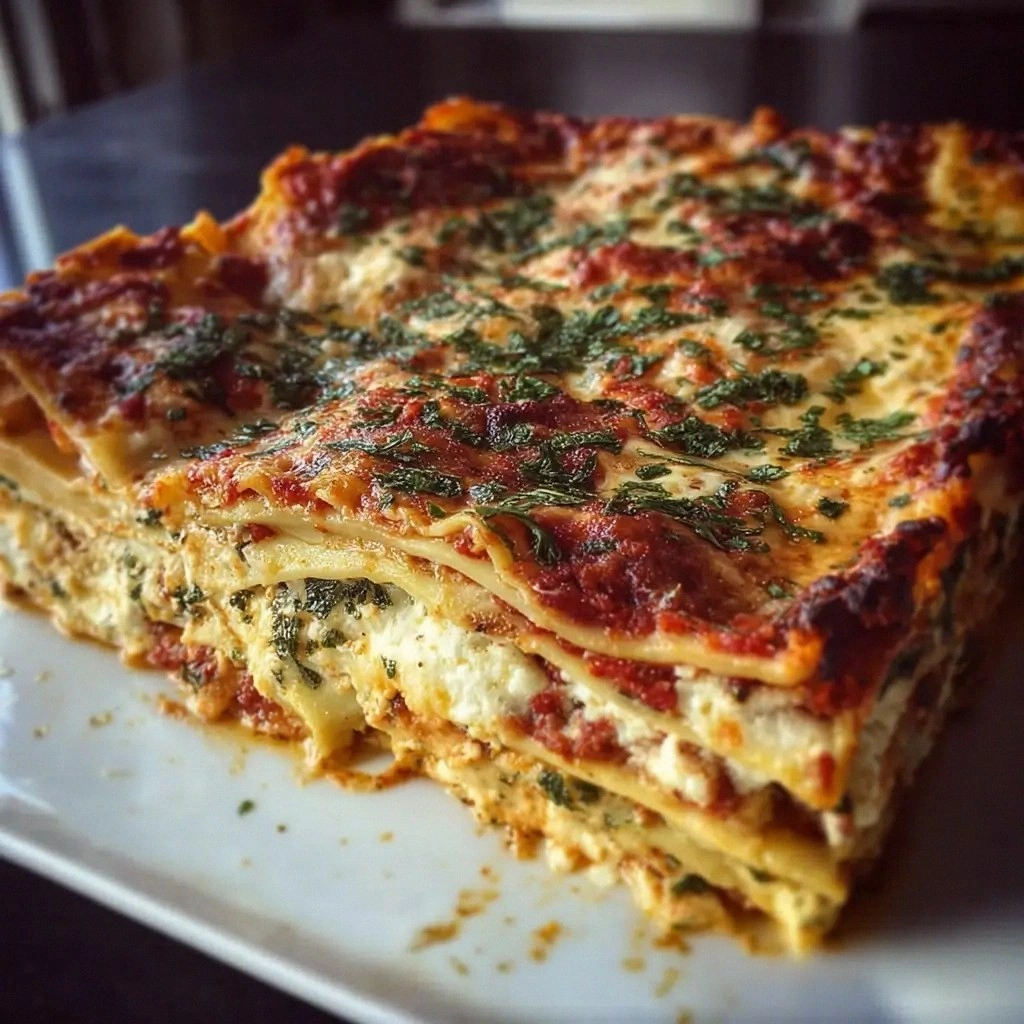
- Presentation: A golden, bubbly top with crisp edges that shatter like thin ice when sliced.
- Versatility: Works as a main course for dinner or as a hearty side for a potluck.
- Crowd‑Pleaser: Even the most skeptical meat‑eaters will be won over by the savory layers.
Alright, let’s break down exactly what goes into this masterpiece. You’ll be amazed at how a few tweaks can elevate a classic dish into something truly unforgettable.
Inside the Ingredient List
The Flavor Base
The foundation of this lasagna is a robust tomato sauce that’s simmered with garlic, onion, and a splash of white wine. The wine reduces the acidity of the tomatoes, creating a smoother, richer flavor profile that pairs beautifully with the cheeses. If you’re a wine skeptic, replace it with a splash of vegetable broth; the result will still be delicious. Skipping the wine will leave the sauce a little flat, but the rest of the flavors will still shine.
The Texture Crew
A blend of sautéed mushrooms, zucchini, bell pepper, and spinach adds layers of texture that keep each bite interesting. The mushrooms bring a meaty umami note, while the zucchini and bell pepper provide a crisp bite that contrasts the creamy ricotta. Spinach adds moisture and a subtle earthy flavor; if you’re short on time, use frozen spinach, but fresh will give you the best color and texture. Each vegetable is sautéed until just tender, ensuring they retain their shape and flavor.
The Unexpected Star
Ricotta cheese is the star of the creamy layer, but we’ve added a beaten egg to help bind the mixture and give it a silky consistency. The egg also helps the cheese set properly during baking, preventing it from becoming too runny. If you’re vegan, replace ricotta with a tofu ricotta made from blended silken tofu, lemon juice, and nutritional yeast for a similar texture and flavor. The egg is optional but highly recommended for a smoother finish.
The Final Flourish
Mozzarella and Parmesan are sprinkled on top to create a golden, bubbly crust that’s both visually stunning and flavor-packed. The mozzarella provides a gooey, melty texture, while the Parmesan adds a nutty, salty finish. If you’re watching sodium, reduce the amount of Parmesan or use a low-sodium version. The final flourish also includes a pinch of crushed red pepper flakes for a subtle heat that wakes up the palate.
Everything’s prepped? Good. Let’s get into the real action.
The Method — Step by Step
- Prepare the sauce. In a large skillet, heat 2 tablespoons of olive oil over medium heat. Add 1 diced onion and sauté until translucent, about 3 minutes. Stir in 3 minced garlic cloves and cook for another minute until fragrant. Add a splash of white wine (or vegetable broth) and let it reduce for 2 minutes, then pour in 28 ounces of crushed tomatoes and 2 tablespoons of tomato paste. Season with 1 tablespoon of dried basil, 1 teaspoon of dried oregano, 1 teaspoon of salt, and 0.5 teaspoon of black pepper. Simmer on low heat for 20 minutes, stirring occasionally; the sauce should thicken and become aromatic.
- Sauté the vegetables. In a separate pan, heat 1 tablespoon of olive oil over medium-high heat. Add 1 cup of sliced mushrooms, 1 cup of diced zucchini, and 1 cup of diced bell pepper. Sauté for 5-6 minutes until they’re softened but still hold a bit of bite. Add 4 cups of fresh spinach and cook until wilted, about 2 minutes. Season with a pinch of salt and pepper. Let the mixture cool slightly; this step ensures the vegetables don’t release too much liquid into the lasagna.
- Mix the ricotta. In a bowl, combine 2 cups of ricotta cheese, 1 cup of shredded mozzarella, 0.5 cup of grated Parmesan, 1 beaten egg, and a pinch of salt. Mix until smooth and creamy. This binding mixture will hold the layers together and provide a velvety texture that’s almost too good to bite.
- Assemble the lasagna. Spread a thin layer of sauce at the bottom of the prepared baking dish. Place a layer of lasagna noodles over the sauce. Spread a generous portion of the ricotta mixture over the noodles, then top with a layer of the sautéed vegetable mix. Repeat these layers until all components are used, ending with a top layer of sauce. Sprinkle the remaining mozzarella and a final dusting of Parmesan over the top.
- Cover and bake. Cover the dish tightly with aluminum foil. Bake in the preheated oven for 25 minutes. After 25 minutes, remove the foil and bake for an additional 10-12 minutes until the top is golden brown and bubbly. The lasagna should emit a heavenly aroma, and the edges should start pulling away slightly from the sides.
- Rest before serving. Let the lasagna rest for 10 minutes after removing it from the oven. This resting period allows the layers to set, making it easier to slice and preventing the cheese from sliding off.
- Serve and enjoy. Slice with a sharp knife, serve hot, and watch as your guests’ faces light up. Pair with a crisp green salad and a glass of your favorite white wine for a complete meal.
That’s it — you did it. But hold on, I've got a few more tricks that'll take this to another level.
Insider Tricks for Flawless Results
The Temperature Rule Nobody Follows
Many people bake lasagna at 350°F, but this temperature can leave the noodles undercooked and the cheese too soft. Baking at 375°F allows the noodles to cook fully while giving the top a crisp, golden finish. Keep an eye on the lasagna after 30 minutes; if the top isn’t golden, leave it a few more minutes. I’ve baked this lasagna at 375°F for 45 minutes with perfect results every time.
Why Your Nose Knows Best
As the lasagna bakes, the aroma will change from tomato to caramelized cheese. Trust your nose: when the sauce smells toasty and the cheese is golden, it’s ready. If you’re unsure, insert a toothpick into the center; if it comes out clean, the lasagna is done. The aroma alone can tell you if the lasagna has achieved the right balance of flavors.
The 5-Minute Rest That Changes Everything
Letting the lasagna rest for 5 minutes after baking might seem trivial, but it’s the key to a clean slice. The rest allows the cheese to set, preventing it from sliding off the knife. I’ve seen lasagnas that are cut before resting and the result is a messy, melted mess. A short rest, however, turns it into a perfectly structured dish.
Layering Order Matters
Start with sauce at the bottom to keep the noodles from drying out. Then layer noodles, ricotta mixture, vegetables, and repeat. The final sauce layer seals the top, creating a moist environment that keeps the lasagna from becoming dry. Skipping the final sauce can leave the top too dry and less flavorful.
Cheese Blend for Depth
Using a blend of mozzarella and Parmesan gives a complex flavor profile. Mozzarella provides a creamy melt, while Parmesan adds a nutty, salty bite. If you want a stronger cheese flavor, increase the Parmesan by 0.5 cup. For a lighter version, reduce the mozzarella slightly and add a splash of milk to the ricotta mixture.
Make-Ahead Magic
You can assemble the lasagna a day ahead. Cover tightly with plastic wrap, refrigerate, and bake as directed. This saves time on the day of serving and allows the flavors to meld. If you’re freezing, wrap the assembled lasagna in foil and then plastic wrap before placing it in the freezer for up to a week.
Creative Twists and Variations
This recipe is a playground. Here are some of my favorite ways to switch things up:
Mediterranean Twist
Swap the mushrooms for artichoke hearts, add kalamata olives, and sprinkle crumbled feta on top. The olive oil and feta bring a briny, tangy flavor that complements the tomato sauce. This version is perfect for a summer dinner party.
Spicy Southwest
Add corn, black beans, and a pinch of cumin to the vegetable layer. Replace the Parmesan with pepper jack cheese for a kick. The result is a bold, smoky lasagna that feels like a taco in pasta form.
Creamy Spinach and Ricotta
Increase the amount of ricotta to 3 cups and add fresh spinach throughout the layers. Use a splash of lemon juice to brighten the flavor. This variation is dairy‑heavy but incredibly creamy.
Eggplant Lasagna
Slice eggplant thinly and roast until golden before layering. The eggplant adds a meaty texture that pairs well with the tomato sauce. Sprinkle extra Parmesan on top for a crunchy finish.
Pesto Layer
Spread a thin layer of basil pesto between the noodles and ricotta mixture. The pesto adds a fresh, herbaceous note that elevates the dish. This is a great way to use leftover pesto.
Vegan Version
Replace ricotta with tofu ricotta (silken tofu, lemon juice, nutritional yeast), use vegan mozzarella, and skip the egg. The texture remains silky, and the flavor stays rich. This version is perfect for plant‑based guests.
Storing and Bringing It Back to Life
Fridge Storage
Cool the lasagna to room temperature, then cover tightly with plastic wrap and foil. Store in the refrigerator for up to three days. When ready to reheat, place the lasagna in a baking dish, cover with foil, and bake at 350°F for 20 minutes, or until heated through. The cheese will regain its creamy texture.
Freezer Friendly
Wrap the assembled lasagna in foil, then place in a freezer bag. Freeze for up to one week. Thaw overnight in the refrigerator before reheating. Bake at 375°F for 30 minutes, or until hot. The layers stay intact, and the flavors develop even more.
Best Reheating Method
For a quick microwave fix, cut the lasagna into portions and microwave on high for 2 minutes. For the best texture, use the oven method described above. Add a splash of water or broth before reheating to keep the lasagna moist and prevent drying.