Picture this: a rainy Saturday morning, the house still half‑asleep, and a sudden craving for something that feels like a hug in edible form. I was standing in my kitchen, half‑listening to the drumming of raindrops, when I realized the coffee beans were brewing, the toaster was humming, and my pantry was screaming for carrots. I tossed a handful of grated carrots into a bowl, added a splash of butter, and, in a moment of reckless optimism, decided to combine the comforting aroma of fresh‑baked coffee cake with the spice‑laden soul of classic carrot cake. The result? A moist, caramel‑kissed loaf that makes the stomach do cartwheels. I dare you to taste this and not go back for seconds.
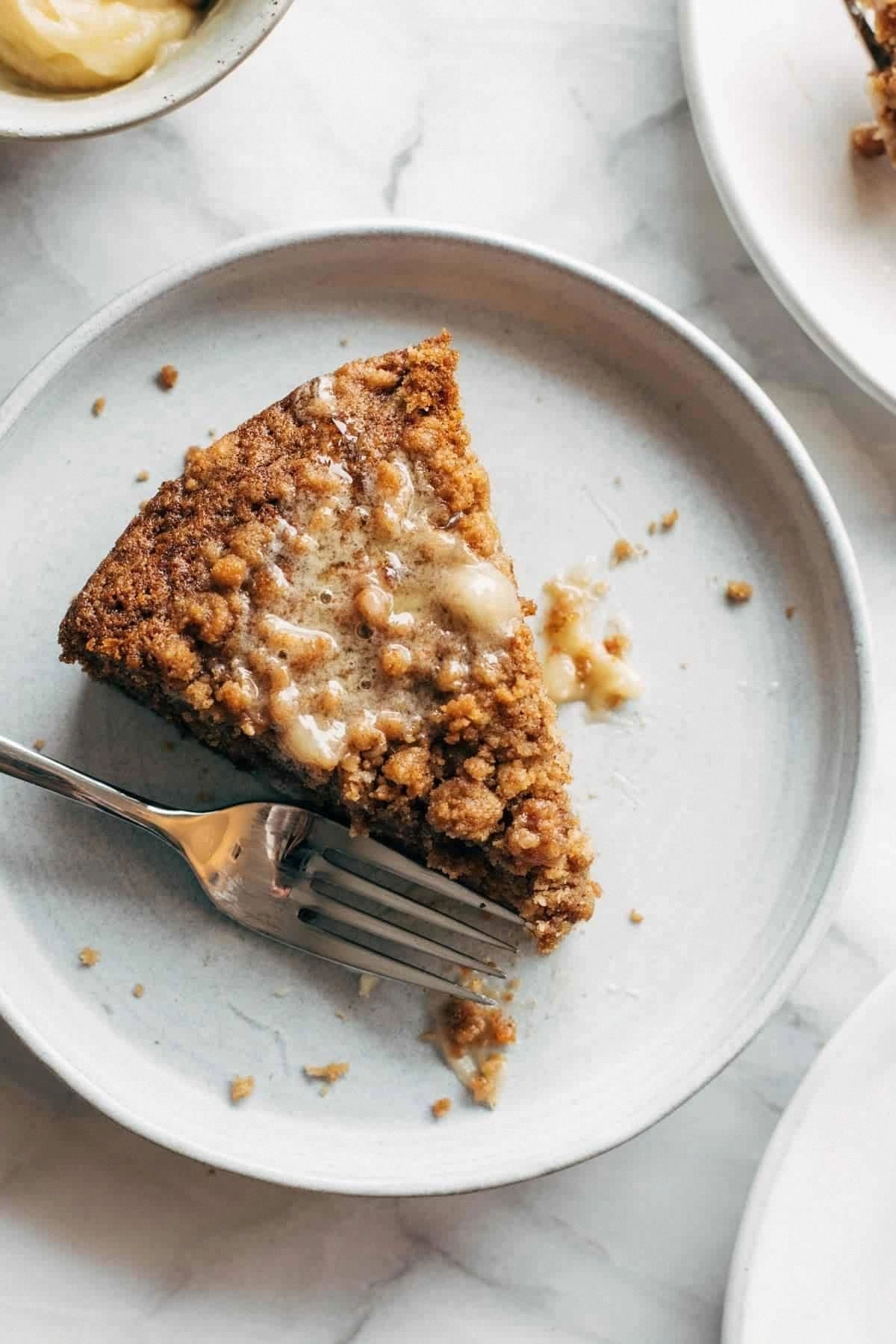
The moment the batter hit the skillet, the kitchen filled with a perfume that could convince even the most disciplined dieter to abandon the diet. Imagine the sweet earthiness of carrots mingling with the warm, nostalgic scent of cinnamon and brown sugar—like a cozy sweater you can eat. You’ll hear the gentle sizzle as the batter settles, see the glossy surface begin to set, and feel the anticipation building as the edges pull away just enough to reveal a tender crumb underneath. When you finally slice into it, the fork meets a buttery, fudgy interior, speckled with orange ribbons that shimmer like sunrise through a misty window. That first bite? It’s a sweet‑spicy duet that sings straight to the heart.
What makes this version truly special is the marriage of two beloved classics into a single, show‑stopping centerpiece. Most carrot cake recipes drown in frosting, while most coffee cakes lack the depth of spice that makes a pastry unforgettable. I went back to the drawing board, stripped away the overwhelming frosting, and introduced a buttery crumble topping that adds crunch without stealing the spotlight. The secret? A hint of orange zest hidden in the batter and a splash of vanilla‑infused butter that melts into the cake as it bakes, creating pockets of caramelized goodness you never saw coming.
But wait, there’s more. I’ll be honest — I ate half the batch before anyone else got a chance to try it, and that’s because the texture is so addictive it practically pulls you back for another slice. This version also boasts a make‑ahead component: the crumble can be pre‑made and stored, so you can throw together a fresh loaf any morning you please. No more frantic last‑minute scrambling. Okay, ready for the game‑changer? Let me walk you through every single step — by the end, you’ll wonder how you ever made it any other way.
What Makes This Version Stand Out
- Flavor Fusion: The sweet carrot base marries perfectly with coffee‑cake softness, creating a layered taste that dances on the palate.
- Texture Harmony: A tender crumb meets a crisp, buttery crumble topping, giving you a delightful contrast in every bite.
- Simplicity Redefined: Fewer steps, no overwhelming frosting, and a straightforward crumble that you can prep hours ahead.
- Ingredient Quality: Using fresh grated carrots and real butter (not margarine) elevates the cake from ordinary to unforgettable.
- Crowd‑Pleaser: Whether it’s a brunch, a coffee break, or a dessert after dinner, this cake earns applause from kids and adults alike.
- Make‑Ahead Magic: The crumble can be stored sealed for up to a week, meaning you can pull out the magic whenever the mood strikes.
- Versatile Serving: Slice it warm with a dollop of whipped cream, toast a piece for a crunchy snack, or freeze for a quick treat.
- Confidence Booster: If you’ve ever struggled with a soggy coffee cake, you’re not alone — and I’ve got the fix.
Inside the Ingredient List
The Flavor Base
Carrots are the heart of this cake. Their natural sugars caramelize during baking, giving the loaf a subtle sweetness that never feels cloying. Grating them finely ensures they blend into the batter, offering moist pockets that pop with bright orange flecks. If you skip carrots, you lose the signature moistness and the subtle earthiness that balances the sweet crumble. A great tip: choose carrots that are firm, deep orange, and free of soft spots; they’ll hold their flavor better.
The Texture Crew
Butter, both in the batter and the topping, is the silent hero that creates a crumbly yet tender texture. The first batch of butter adds richness to the batter, while the “more butter (yum!!)” in the crumble forms those golden, crackle‑top edges. If you replace butter with oil, you’ll notice a greasy mouthfeel and a loss of that buttery perfume. For the best result, use unsalted, high‑fat European butter—its higher butterfat content makes the crumb melt in your mouth.
The Unexpected Star
Sugar and brown sugar work together like a dynamic duo. White sugar sweetens and helps with the structure, while brown sugar adds moisture and a hint of caramel depth thanks to its molasses content. Swap the brown sugar for coconut sugar, and you’ll get a slightly nuttier flavor, but the moisture level will dip, making the cake a touch drier. This is the perfect spot to experiment, but remember: the original balance is what gives this cake its signature moistness.
The Final Flourish
The dual flour components—“all‑purpose flour” for the batter and “flour” for the crumble—serve distinct purposes. All‑purpose flour builds the structure, holding the batter together while still allowing it to rise gently. The extra flour in the crumble adds a dry base that absorbs melted butter, ensuring the topping stays crisp after baking. If you were to substitute cake flour for the batter, the crumb would become too delicate, and the slice would crumble like sand. Stick with the recommended flours for the perfect balance of tender and sturdy.
Everything's prepped? Good. Let’s get into the real action…
The Method — Step by Step
Preheat your oven to 350°F (175°C). While the oven warms, grease a 9‑inch round cake pan with a thin layer of butter and dust it lightly with flour; this prevents any sticking and gives the edges a graceful release. The pan should feel warm to the touch, a subtle signal that the heat is already distributing evenly. That sizzle when it hits the pan? Absolute perfection.
In a large mixing bowl, combine 2 cups grated carrots, 1 cup white sugar, and ½ cup melted butter. Using a wooden spoon, stir until the mixture looks glossy and the carrots are fully coated. The scent of butter and sugar will start to turn fragrant—if you can smell a hint of caramel, you’re on the right track.
Kitchen Hack: Add the carrots to the sugar‑butter mix while the butter is still warm; the heat helps dissolve sugar and coats the carrot shreds uniformly.Beat in 2 large eggs, one at a time, ensuring each egg is fully incorporated before adding the next. The batter should become slightly lighter and more airy, a sign that the eggs are successfully emulsifying the mixture. If the batter looks curdled, keep whisking—eventually it will smooth out.
In a separate bowl, whisk together 1 ¾ cups all‑purpose flour, 1 tsp baking soda, 2 tsp cinnamon, and 1 tsp salt. This dry blend guarantees an even distribution of leavening and spices, preventing pockets of raw flour later on. Once combined, gently fold the dry ingredients into the wet mixture, using a spatula in a folding motion—don’t overmix, or you’ll develop gluten and lose that tender crumb.
For the crumble topping, melt ¼ cup more butter (yum!!) in a saucepan over low heat. Remove from heat and stir in ½ cup flour, ½ cup brown sugar, 1 tsp cinnamon, and ¼ tsp salt. Mix until the crumble resembles coarse sand with glossy butter clumps. This is where the magic forms; a good crumble should hold together when pressed but crumble apart when nudged with a fork.
Watch Out: If the butter is too hot, it will melt the sugar completely, turning the crumble into a paste. Let the butter cool for a minute before mixing.Pour the batter into the prepared pan, smoothing the top with an offset spatula. Sprinkle the crumb evenly over the surface, ensuring full coverage—don’t be shy, the crumble is the crown jewel. As you spread it, you’ll notice a slight crackle forming; that’s the butter solidifying and preparing to create a crunchy crust.
Slide the pan into the oven and bake for 30‑35 minutes. Around the 20‑minute mark, rotate the pan 180 degrees to promote even browning. The cake is done when a toothpick inserted into the center emerges with a few moist crumbs but no wet batter. The top should be a deep golden‑brown, with the crumble bursting into a caramelized crackle that whispers “ready.”
Kitchen Hack: Place a shallow pan of water on the lower rack; the steam keeps the crumb from drying out, guaranteeing a moist interior.Allow the cake to cool in the pan for 10 minutes, then gently run a knife around the edge and invert onto a cooling rack. While it cools, the crumb will set into a crisp shell, and the interior will firm up just enough to slice cleanly. This pause is crucial; if you cut too early, the crumb will crumble like dust.
Serve warm, perhaps with a drizzle of vanilla glaze or a dollop of whipped cream. The steam rising from each slice carries the aroma of cinnamon, carrot, and butter—an invitation no one can refuse. And if you’re anything like me, you’ll find yourself sneaking another slice before the guests even get a chance.
That's it — you did it. But hold on, I've got a few more tricks that'll take this to another level...
Insider Tricks for Flawless Results
The Temperature Rule Nobody Follows
Many home bakers let the batter sit at room temperature for too long, which can cause the leavening agents to lose potency. I always chill the batter for exactly 5 minutes before sliding it into the oven; this keeps the baking soda fizzing at the right moment, giving the cake a higher rise and a lighter crumb. A friend once skipped this step and ended up with a denser texture that reminded him of a dense bread loaf—definitely not the airy experience we’re after.
Why Your Nose Knows Best
Don’t rely solely on timers; your nose is the ultimate timer for baked goods. Around minute 25, start sniffing the kitchen. When you detect a deep, toasty aroma with a hint of caramel, you’re at the cusp of perfection. If the scent is still faint or purely buttery, give it another 3‑4 minutes. Trusting your senses prevents both under‑baking and over‑baking, delivering a consistently flawless crumb.
The 5‑Minute Rest That Changes Everything
Once the cake emerges from the oven, resist the urge to slice immediately. Let it rest on the rack for a solid five minutes before the first cut. This short pause allows the crumb to set, the steam to redistribute, and the flavors to marry fully. Cutting too early turns the crumb into a mushy mess, while waiting too long lets the crumble dry out.
Butter Brilliance
Unsalted butter is the foundation here, but a splash of melted butter brushed on the top right after baking adds an extra glossy sheen and a buttery aroma that makes the crust sing. I do it with a pastry brush while the cake is still warm, and the result is a glossy, crackling crust that looks as good as it tastes.
Spice Level Adjustments
If you’re a spice lover, increase the cinnamon by ½ tsp and add a pinch of nutmeg. If you prefer a subtler profile, cut the cinnamon in half and swap one tsp of brown sugar for white sugar. The great thing about this recipe is its forgiving nature—small tweaks won’t wreck the structure, just shift the flavor balance.
Creative Twists and Variations
This recipe is a playground. Here are some of my favorite ways to switch things up:
Orange Zest Delight
Fold in the zest of one large orange into the batter for a citrus‑bright twist. The orange accent lifts the earthiness of the carrots and adds a fragrant perfume that pairs beautifully with coffee.
Chocolate Chip Surprise
Stir in ½ cup of semi‑sweet chocolate chips just before pouring the batter into the pan. As the cake bakes, the chips melt into pockets of gooey chocolate that contrast spectacularly with the spiced crumb.
Nutty Crunch
Replace half of the crumble’s flour with finely chopped toasted pecans or walnuts. The nuts introduce a buttery crunch and a layer of depth that makes each bite feel like a celebration.
Gluten‑Free Version
Swap the all‑purpose flour for a 1‑to‑1 gluten‑free blend and use almond flour for the crumble topping. The result is a slightly denser texture but still incredibly moist—perfect for those with sensitivities.
Vegan Adaptation
Replace butter with coconut oil, use flax eggs (1 tbsp ground flax + 3 tbsp water per egg), and swap dairy milk for oat milk. The flavor changes subtly, introducing a faint coconut undertone, but the crumb remains delightfully tender.
Pumpkin Spice Remix (Fall Edition)
Swap half of the carrots for canned pumpkin puree and add a pinch of ground ginger and clove to the cinnamon. This version screams autumn and pairs wonderfully with a drizzle of maple glaze.
Storing and Bringing It Back to Life
Fridge Storage
Wrap a single slice tightly in plastic wrap, then place it in an airtight container. It will stay fresh for up to four days. If you’re storing the whole cake, cover the pan loosely with foil and keep it in the refrigerator; the crumb will stay moist, though the topping may soften slightly.
Freezer Friendly
Wrap the cooled cake (whole or in individual slices) in a double layer of freezer‑grade parchment, then in aluminum foil. Freeze for up to three months. When ready to enjoy, let it thaw at room temperature for 30 minutes, then give it a quick 5‑minute warm‑up in a 300°F oven to revive the crumb and crisp the topping.
Best Reheating Method
Before reheating, sprinkle a tiny splash of water (about a teaspoon) over the top of a slice. Cover loosely with foil and heat in a 325°F oven for 8‑10 minutes. The steam generated restores the moisture, while the foil protects the crumble from over‑browning, resulting in a slice that tastes just as fresh as the day it was baked.