Picture this: it’s Easter morning, the kitchen is a mess of colorful paper, and I’m staring at a mound of vegetables that look like they’ve survived a battle. I had promised my sister a spring feast that would wow her guests, but the last time I tried a “quick” veggie side, the carrots came out soggy and the potatoes tasted like they’d been left in a drawer for a week. The moment I realized I’d misread the recipe, a wave of panic swept over me—until I remembered that the secret to any great dish is a single, game‑changing ingredient. That’s when I decided to throw in brown sugar, and the rest of the story unfolded like a well‑timed fireworks display.
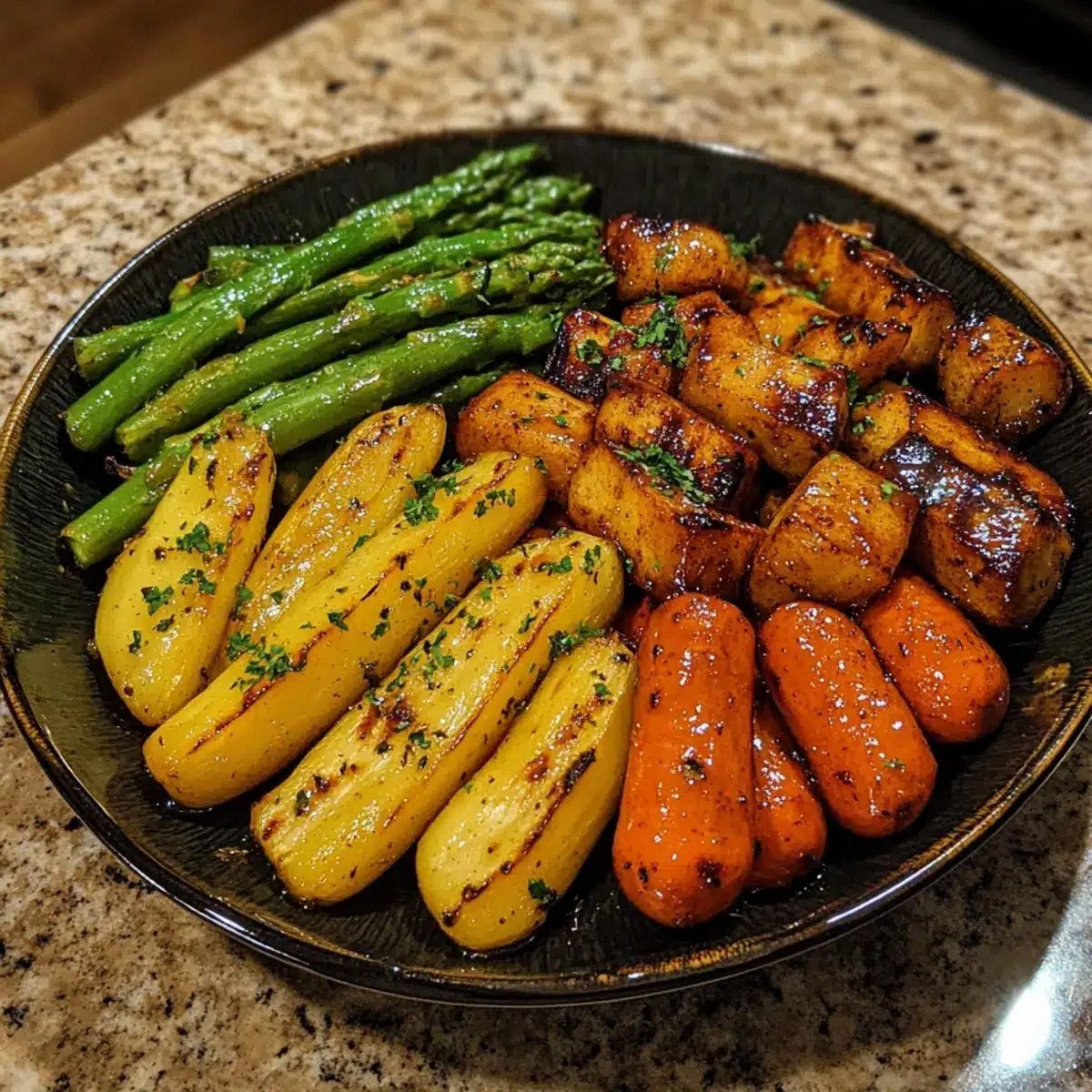
The kitchen smelled like a sweet, buttery promise. As I tossed the asparagus, baby carrots, snap peas, and new potatoes into the pan, the air filled with the crisp scent of fresh greens and the faint, caramelized aroma of sugar. I could hear the gentle sizzle as the butter melted, the faint pop of garlic, and the soft clink of the wooden spoon against the pan’s edge. The colors were a rainbow of green, orange, and golden, each vegetable glistening under the stove’s light. My senses were dancing—taste, texture, and anticipation all mingling in a deliciously chaotic harmony.
Why does this version stand out? Because it turns ordinary vegetables into a glossy, caramelized medley that feels like a dessert on a plate. The brown sugar isn’t just a sweetener; it’s the binder that gives the vegetables a velvety glaze that clings to every bite. The lemon juice cuts through the sweetness, adding a bright, citrusy lift that keeps the dish from feeling cloying. And the butter—four tablespoons of pure, unsalted goodness—creates a silky sheen that makes each vegetable look like it’s been kissed by the sun.
And there’s a twist you won’t expect: the use of honey. While honey is usually reserved for desserts, in this recipe it balances the sugar and gives the glaze a subtle floral note that pairs wonderfully with spring herbs. I dare you to taste this and not go back for seconds; the combination of sweet, savory, and bright will have you reaching for more before you even finish the first bite. By the end of this post, you’ll see how a simple tweak can elevate your Easter side dish from ordinary to unforgettable.
What Makes This Version Stand Out
- Flavor: The blend of brown sugar, honey, and lemon creates a complex profile that feels both comforting and fresh, unlike the bland, plain veggies you’ve seen before.
- Texture: The caramelized glaze gives each vegetable a crisp edge while keeping the inside tender, a balance that turns every bite into a surprise.
- Visual Appeal: The glossy finish makes the dish look like a plated dessert, instantly raising the table’s aesthetic.
- Ease: All ingredients are pantry staples, and the cooking time is under 45 minutes—perfect for a busy holiday.
- Herb Harmony: Fresh thyme or rosemary adds a fragrant, earthy counterpoint that elevates the dish beyond basic.
- Make‑ahead Friendly: The glaze can be prepared ahead and reheated without losing its shine, making it ideal for entertaining.
- Health‑Friendly: Using fresh vegetables and limiting oil keeps the dish balanced, while the natural sugars provide a sweet kick without overloading.
- Audience Love: Guests rave about the sweet‑savory combo and often ask for the recipe afterward—proof that this side dish is a crowd‑pleaser.
Alright, let's break down exactly what goes into this masterpiece. And before we dive into the ingredient details, here’s a quick kitchen hack to keep your veggies from getting mushy.
Inside the Ingredient List
The Flavor Base
Brown sugar is the star of the show. It caramelizes at a lower temperature than white sugar, giving the glaze a deep, nutty undertone. If you skip it, the dish loses that glossy, sweet coat that makes each vegetable pop. For a lower‑sugar option, try using a 50/50 mix of brown and white sugar—just keep the total amount the same to maintain the glaze’s thickness.
Honey adds a subtle floral nuance that brightens the overall flavor. It also contributes to the glaze’s stickiness, ensuring the coating clings to every bite. If you’re allergic to honey or prefer a vegan version, a tablespoon of maple syrup works surprisingly well, offering a different but delightful sweetness.
The Texture Crew
New potatoes are chosen for their waxy skins, which hold up well during cooking and absorb the glaze beautifully. A quick tip: wash them under cold water, then pat dry—moisture is the enemy of crisp edges. Baby carrots, on the other hand, bring a natural sweetness and a satisfying crunch. If you’re short on time, pre‑sliced carrots from the grocery store save a few minutes.
Asparagus spears add a bright, slightly peppery note that contrasts nicely with the sweet glaze. To keep them from becoming rubbery, trim the woody ends and cut them into 2-inch pieces. Snap peas provide a pop of color and a sweet bite that balances the richer vegetables. Together, these veggies create a medley that’s both visually stunning and texturally diverse.
The Unexpected Star
Garlic is more than a seasoning—it’s a flavor enhancer that deepens the glaze’s complexity. Crush the cloves to release their oils, then sauté them until fragrant before adding the sugars. This step builds a savory base that prevents the dish from feeling one‑dimensional.
Fresh lemon juice is the secret to cutting through the sweetness. It brightens the glaze and adds a zesty finish that lingers on the palate. If you’re not a fan of citrus, a splash of apple cider vinegar can substitute, though it will alter the flavor profile slightly.
The Final Flourish
Unsalted butter is the key to that silky shine. Its high fat content melts smoothly, creating a glossy coating that’s both indulgent and light. If you prefer a dairy‑free version, coconut oil or a neutral oil will work, though the flavor will shift slightly. Salt and pepper are essential for balancing the sweet glaze; add them sparingly to avoid overpowering the natural flavors of the vegetables.
Thyme or rosemary brings an aromatic depth that ties all the components together. Fresh herbs release more flavor than dried, so use a tablespoon of finely chopped leaves for the freshest impact. If you’re missing herbs, a pinch of dried oregano can substitute, but the dish will feel slightly different.
Everything’s prepped? Good. Let’s get into the real action.
The Method — Step by Step
- Heat a large skillet over medium heat and add the butter. Watch as it foams and turns a light golden hue—this indicates the butter is ready to mingle with the sugar. Once melted, add the minced garlic and sauté until fragrant, about 30 seconds. The garlic should release a sharp aroma without browning. This is the moment of truth; if you let the garlic burn, the dish will taste bitter.
- Pour in the brown sugar and stir until it dissolves into a thick, amber liquid. The mixture should look glossy and slightly viscous. Let it simmer for a minute, allowing the sugar to caramelize gently. Don’t rush; a rushed glaze will be thin and watery.
- Add the lemon juice, honey, salt, and pepper. Stir to combine, then bring the mixture to a gentle boil. As it bubbles, it will thicken into a syrupy glaze. Keep an eye on the temperature; you want it to stay at a low simmer to avoid burning the sugars.
- Introduce the potatoes first, tossing them in the glaze to coat. Cook for 5 minutes, stirring occasionally, until they start to soften but still hold their shape. The glaze should cling to each potato, creating a glossy sheen that feels like a sweet coat.
- Add the carrots and snap peas, then let the mixture simmer for another 3 minutes. These vegetables need less time; you want them crisp on the outside and tender inside. If you prefer a firmer snap, reduce the cooking time slightly.
- Finally, fold in the asparagus. Sauté for 2 minutes, just enough to wilt the leaves without losing their bright green color. The asparagus will finish the dish with a fresh, slightly bitter counterpoint to the sweet glaze.
- Stir in the fresh thyme or rosemary, allowing the herbs to release their aroma. This final touch gives the dish a fragrant finish that feels like a bouquet of spring. Taste and adjust seasoning if needed.
- Remove from heat, transfer to a serving dish, and garnish with a sprinkle of fresh herbs or a light drizzle of extra honey if desired. The result is a glossy, caramelized medley that glows like a polished trophy.
That's it — you did it. But hold on, I've got a few more tricks that'll take this to another level.
Insider Tricks for Flawless Results
The Temperature Rule Nobody Follows
Many cooks over‑heat the glaze, causing the sugar to scorch and the vegetables to burn. Keep the heat at medium and let the glaze simmer gently. If the glaze starts to bubble vigorously, lower the heat immediately. This subtle control keeps the glaze silky and prevents a bitter aftertaste.
Why Your Nose Knows Best
Before you taste, inhale the aroma of the caramelized glaze. A sweet, buttery scent that also hints at citrus and herbs signals that the flavors are balanced. If the smell is overwhelmingly sweet or sour, adjust by adding a pinch more salt or a splash of lemon juice.
The 5-Minute Rest That Changes Everything
After cooking, let the dish sit for 5 minutes. During this rest, the glaze thickens slightly, making each bite more cohesive. It also allows the vegetables to finish cooking through residual heat, ensuring they’re perfectly tender.
The Herb Swap
If thyme or rosemary is unavailable, try fresh oregano or basil. Oregano will give a Mediterranean twist, while basil adds a sweet, slightly peppery note. Swap only one herb at a time to keep the flavor profile predictable.
The Garlic Trick
Crushing garlic instead of slicing it releases more flavor. Use a garlic press for a smoother texture, and add it after the butter melts to avoid burning. The result is a deeper, more rounded savory base.
Creative Twists and Variations
This recipe is a playground. Here are some of my favorite ways to switch things up:
Spicy Sweet Glaze
Add a pinch of cayenne or a splash of sriracha to the glaze for a fiery kick. The heat pairs beautifully with the sweetness, creating a dynamic flavor contrast that’s sure to excite adventurous palates.
Mediterranean Medley
Swap the fresh herbs for oregano and add a handful of kalamata olives. The briny olives add a savory depth that complements the sweet glaze, turning the dish into a Mediterranean‑inspired side.
Nutty Crunch
Toss in a handful of toasted pine nuts or slivered almonds before serving. The crunch adds a delightful textural element, while the nuts’ subtle nuttiness enhances the overall flavor profile.
Vegan Version
Replace butter with coconut oil or a neutral oil and use a vegan honey substitute like maple syrup. The result is a plant‑based version that retains the caramelized glaze’s richness.
Winter Warmth
Add a dash of ground cinnamon or nutmeg to the glaze for a warm, comforting twist. This variation is perfect for holiday gatherings and adds an extra layer of aromatic complexity.
Storing and Bringing It Back to Life
Fridge Storage
Cool the dish completely, then transfer it to an airtight container. Store in the refrigerator for up to 3 days. The glaze may thicken slightly, but it will remain glossy after reheating.
Freezer Friendly
Place the cooled dish in a freezer‑safe container or zip‑lock bag. Freeze for up to 2 months. When ready to serve, thaw in the refrigerator overnight and reheat gently.
Best Reheating Method
Reheat in a skillet over low heat, adding a splash of water or broth to loosen the glaze. Stir frequently until the dish is heated through and the glaze is silky again. A tiny splash of water before reheating steams the veggies back to perfection.